


Phoenix Lifestyle Guide → [Phoenix Lifestyle Guide] & For more info on Phoenix Real Estate → [Phoenix Real Estate Guide]
Written by: Renee Burke
There’s something unforgettable about buying your first home in Phoenix. Maybe it’s that soft, golden light at sunset reflecting off the mountains, or the feeling of walking through a neighborhood where every palm tree and stucco wall seems to whisper, you’re home. For many, this process feels both thrilling and intimidating — an emotional blend of hope and hesitation. That’s completely normal.
I’ve helped countless first‑time buyers across the Valley — from Arcadia and North Central to Gilbert and Peoria — and I can tell you this: there’s no single “right way” to buy a home here, but there is a smarter, calmer, more informed way. That’s what this guide is about — helping you understand how Phoenix really works, what to expect in our unique desert housing market, and how to make confident decisions every step of the way.
Understanding the Phoenix Market Cycle
Phoenix moves to its own rhythm. Unlike coastal cities where prices rise and fall dramatically with national trends, our market tends to shift based on population growth, new construction, and seasonal buyer activity. Spring and early summer usually bring the most listings and competition, while late fall often offers quieter opportunities for strategic buyers.
Over the last decade, the Valley has evolved from an “affordable alternative” to a destination city in its own right — fueled by expanding job hubs in aerospace, healthcare, engineering, and tech. We’ve also experienced a strong influx of young professionals and families drawn by our lifestyle: 300+ days of sunshine, easy commutes, and communities built around outdoor living.
The takeaway? Timing matters, but preparation matters more. Whether prices are rising or steady, the buyers who understand the flow of Phoenix neighborhoods — and who partner early with a knowledgeable advisor — put themselves in the strongest position.
Getting Real About Affordability
One thing first‑time buyers often underestimate is how varied affordability can be across the metro area. A three‑bedroom in Laveen may cost less than a smaller bungalow in central Phoenix or a townhouse in Scottsdale, but the trade‑offs aren’t just about square footage. Commute times, school districts, build quality, and HOA dynamics all shape value and comfort.
Here’s a useful way to frame it:
- West Valley (Goodyear, Peoria, Buckeye): Growing rapidly, with newer construction, family‑friendly layouts, and some of the best price-per‑square‑foot options.
- East Valley (Gilbert, Chandler, Mesa): Established infrastructure, strong schools, and community amenities. Great for buyers wanting balance between affordability and convenience.
- Central Phoenix: Historic charm, eclectic character, and shorter commutes — but often smaller lots and higher entry prices.
- North Scottsdale and Paradise Valley: Premier aesthetics, top‑rated schools, and luxury finishes, but higher price points and taxes.
Getting clear on your priorities — space vs. location, move‑in‑ready vs. fixer‑upper — helps us narrow your search intelligently and avoid emotional overreach.
Down Payments, Mortgages, and Local Lending Realities
Many first‑time buyers worry they need a huge down payment. In Phoenix, that’s rarely true. FHA loans with 3.5% down, VA loans with zero down for eligible buyers, and various Arizona‑based assistance programs (like the Home Plus or Pathway to Purchase) make it surprisingly accessible to step into ownership.
Local lenders who understand our appraisals, HOA structures, and property tax setups can make an enormous difference. National banks may not always account for how monsoon insurance, solar panels, or desert landscaping factors into underwriting here. I always recommend sitting down with a trusted Phoenix‑area loan officer early — not just for pre‑approval, but to build a financing strategy tailored to your goals.
Think of it as setting your financial foundation before house‑hunting begins. That single step often saves weeks of frustration later.
Navigating Homes and Neighborhoods
Phoenix isn’t one continuous grid of identical suburbs — it’s a collection of distinct mini‑cities, each with its own pace and personality. Knowing which one fits you is half the joy of this process.
- Arcadia & North Central Phoenix: Lush greenery, mature trees, and a timeless, family‑oriented vibe. Perfect if you love older homes with architectural character.
- Gilbert & Chandler: Modern master‑planned communities, great schools, and strong family amenities — favorites among young professionals and first‑time buyers.
- Peoria & Glendale: A mix of affordability and access to major sports, shopping, and outdoor recreation near Lake Pleasant.
- Mesa: A surprising variety of price points and property styles, including growing pockets of revitalization near light rail lines.
- Scottsdale: Highly desirable for its dining, schools, and lifestyle — and sometimes worth stretching for if lifestyle quality tops your list.
I always encourage buyers to spend weekends exploring open houses or just driving neighborhoods at different times of day — there’s no substitute for your own senses when it comes to choosing a community.
Inspections and What Desert Homes Teach You
Desert homes age differently. Stucco cracks, roofing materials dry faster under the sun, and irrigation systems quietly dictate the health of your landscaping. A thorough inspection here digs into things that might not surface in another climate: AC system age and efficiency, water softener condition, pest or termite exposure, and insulation performance during our extreme heat.
If you’re buying a resale home, pay close attention to the roof (especially flat sections), AC units (most last 10–15 years here), and any signs of moisture intrusion. A good inspector experienced in Arizona’s desert climate is worth their weight in gold — and I always help clients connect with inspectors who truly know local homes.
The Emotional Side of Buying in Phoenix
First‑time buyers often assume their biggest challenge will be financial, but more often, it’s emotional. Phoenix’s competitive environment can bring bidding anxiety or doubt when an offer doesn’t land — or fatigue after seeing too many options that don’t quite fit.
That’s when steady, grounded guidance matters most. I tell my clients, “You’re not competing for a home; you’re finding the one that works for your life.” The right home will align when timing, finances, and preparation meet.
It’s perfectly okay to take a breath, pull back, and reassess rather than rushing. This is your foundation — your first stake in the Phoenix soil — and it deserves patience.
What Makes Homeownership in Phoenix Unique
Once you close, you’ll quickly notice how your home interacts with the desert itself. Thoughtful maintenance here centers around water, heat, and dust — but it’s also what makes our environment so special. Most homeowners invest early in shade structures, efficient irrigation, and smart thermostats. Solar savings are common. And outdoor spaces unfold into true living spaces, especially from October through May when the weather is postcard‑perfect.
You’ll join a community of people who love weekend farmers markets, morning hikes, and backyard dinners beneath string lights. That lifestyle is part of what makes buying here such a wonderful milestone — it’s not just a home, it’s a rhythm of life you’ll grow into.
Setting Yourself Up for Long‑Term Success
Your first home shouldn’t just work for today — it should position you for tomorrow. Think about potential career changes, family growth, or shifting priorities. Properties near major thoroughfares like the 202 or 303 loop often hold long‑term value due to ongoing development, while homes closer to established downtown cores appreciate through demand for convenience.
Even if you plan to stay put, it’s smart to buy with an investor’s mindset: choose a property that could resell easily, rent well if needed, and hold up structurally under Arizona’s unique climate. That balance between practical and emotional decision‑making is the sweet spot for lasting satisfaction.
Working with a Trusted Local Advisor
Buying your first home should feel guided — not pressured. My approach is simple: I listen closely, educate thoroughly, and stay by your side from the first conversation through the moment you hold your new keys. Many of my clients start out unsure of what’s possible and end up not just homeowners, but confident ones.
Because Phoenix isn’t a market you can fully understand from data alone — it’s best learned block by block, conversation by conversation. I’ve spent years walking those blocks, learning the small differences that shape comfort, value, and long‑term peace of mind.
A Warm Invitation
If you’re thinking about making your first move in Phoenix, know this — you don’t have to figure it out alone. Whether you’re six months out or ready today, I’d love to help you feel calm, prepared, and empowered to take that step.
Let’s talk about your goals, your timeline, and the kind of life you want to build here. Together, we’ll make sure your first home in Phoenix feels not just like a purchase, but the beginning of a beautiful new chapter.
Get the full Phoenix Market Insights → [Market Insights]


-

How the Phoenix Desert Climate Shapes Everyday Life Inside the Home
-

How Phoenix Weather Patterns Shape Everyday Home Routines
-

Why Homes Often Feel More Comfortable After the First Year of Ownership
-
How Living in Phoenix Changes the Way Homeowners Use Their Homes
-
What New Phoenix Homeowners Learn During Their First Year of Ownership
-

How Daily Life Changes After the First Year of Living in a Phoenix Home
-
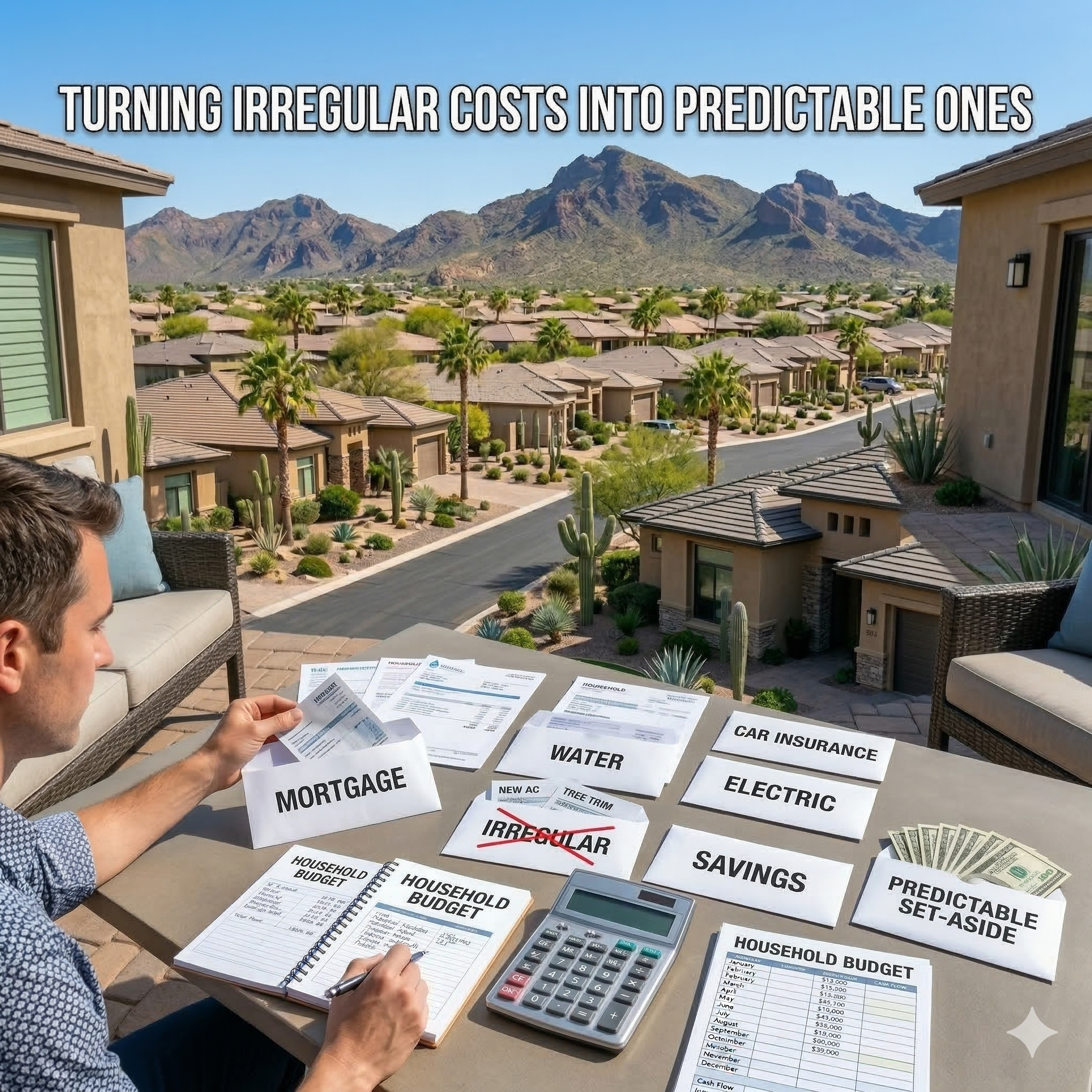
Turning Irregular Costs Into Predictable Ones
-

Budgeting for Ongoing Ownership
-
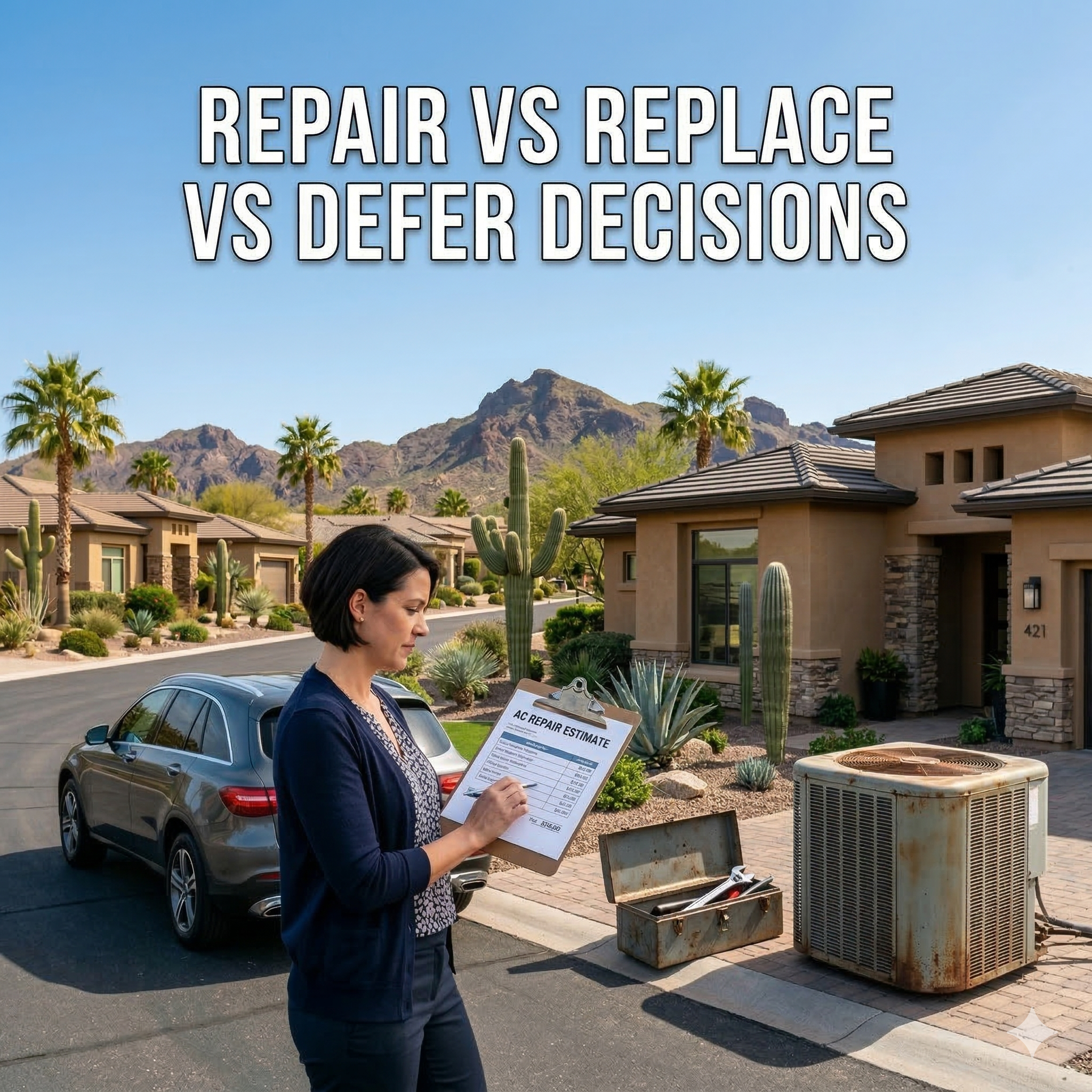
Repair vs Replace vs Defer Decisions
-

Planning Homeownership Like a Long-Term Asset
-

What Home Expenses You Can Safely Delay
-
Stopping Cost Creep Early
-

Cash Flow vs Net Worth Stress
-
Why “It’s Not That Much” Adds Up
-

Warning Signs Your Ownership Budget Is Tightening
-
The Cumulative Cost of Small Home Repairs
-

Designing Budgets Around Local Conditions
-
Utility Costs Over Time in Desert Climates
-

Insurance Increases Explained for Arizona Homeowners
-
How Inflation Impacts Phoenix Homeownership Costs
-

Avoiding Debt-Driven Homeownership Decisions
-

Replacing Systems on Your Timeline
-

Why Emergency Repairs Cost More
-

Timing Major Expenses Without Financial Shock
-
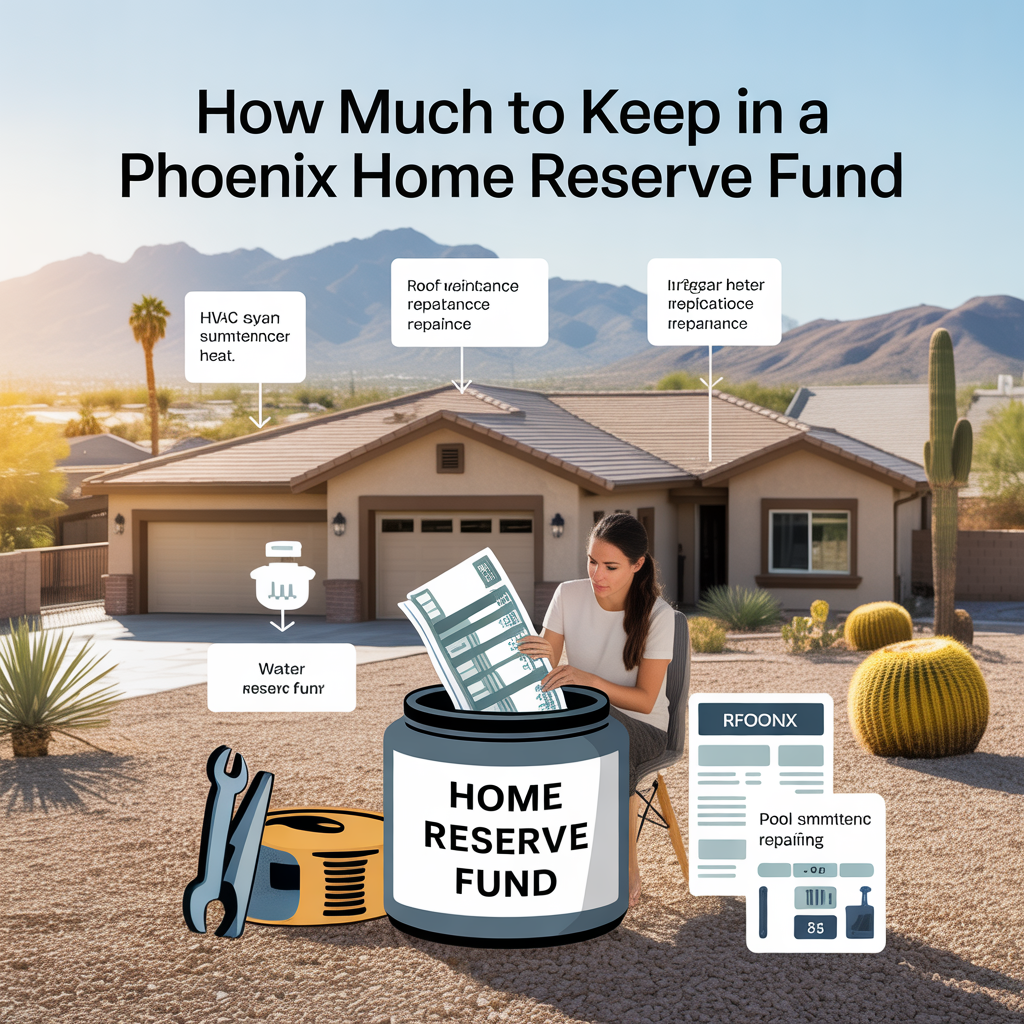
How Much to Keep in a Phoenix Home Reserve Fund