



Phoenix Lifestyle Guide → [Phoenix Lifestyle Guide] & For more info on Phoenix Real Estate → [Phoenix Real Estate Guide]
Written by: Renee Burke
There’s a subtle shift happening across the Phoenix metro right now—one you can feel if you’ve been driving the Loop 101 or scanning listings in your neighborhood. Inventory is easing up, not in a flood, but in a way that’s giving everyone a little more breathing room. From Scottsdale’s guarded luxury enclaves to the steady family pockets of the West Valley, supply is ticking upward, creating opportunities that feel balanced rather than frantic.
I’ve walked families through these cycles for years, and early 2026 shows us a market maturing—less about chasing the next hot zip code, more about finding the right fit for your life here in the Valley. Let’s look closely at what’s changing, neighborhood by neighborhood.
The Big Picture: From Tight to Thoughtful
Phoenix metro inventory has been climbing steadily since mid-2025, moving us closer to that sweet spot of 3-4 months of supply. January 2026 data points to around 5,000-5,400 active listings across the region—up notably from the sub-3,000 lows of a couple years back, but still far from pre-pandemic abundance.
This isn’t an oversupply; it’s normalization. Demand hasn’t vanished—pending sales are holding firm, even ticking up year-over-year in central areas—but buyers now have options. Homes are sitting longer, around 60-90 days on average, which lets you tour without the old FOMO. Sellers who price with local comps in mind are still closing strong, especially updated properties under $800,000.
The lock-in effect lingers—most homeowners are clinging to sub-5% rates—but life changes like job shifts or empty nests are coaxing more listings out. New construction in outer rings helps too, though it’s measured, not manic.
East Valley: Steady Growth in Key Hubs
East Valley leads the inventory uptick, with places like Mesa and Gilbert seeing the most movement. Mesa’s active listings have swelled past 800, pushing months of supply toward buyer-friendly 4+ territory. Families eyeing the Superstition Springs area or Red Mountain Ranch are finding more choices—townhomes and single-family updates priced mid-$500s—that weren’t there last spring.
Gilbert, ever the family favorite, mirrors this: inventory up 20-25% year-over-year, with neighborhoods like Agritopia and San Tan Ranch offering breathing room. Demand stays robust near top schools and the 202 freeway, but condos and smaller starters are lingering longest. Queen Creek’s booming too—new builds in Encanterra absorbing some pressure, yet overall supply eases for move-up buyers.
Fewer bidding wars here mean negotiations on inspections or closing costs—real leverage returning.
West Valley: Opportunity Amid Expansion
West Valley feels the shift most palpably, from Glendale’s Arrowhead core to Surprise and Buckeye’s frontiers. Glendale’s listings hover near 400 actives, up from tighter times, giving edge in areas like West Glenn or near State Farm Stadium. Homes move if priced right—think $450,000 medians—but inventory growth slows the frenzy.
Surprise and Peoria are hotspots: combined actives top 700, with Vistancia and Happy Valley communities drawing steady traffic. Buckeye’s outer growth adds hundreds of new-construction options, balancing the family-driven demand. This spread helps—commuters to Luke AFB or TSMC now compare multiple floor plans without escalation.
The vibe? Sustainable. Sellers prep thoughtfully; buyers plan confidently.
North Scottsdale and Paradise Valley: Premium Resilience
Up north, inventory tells a different story—luxury holds tight. Scottsdale’s actives sit around 1,000-1,200, a healthy bump but still seller-leaning at 2-3 months’ supply. DC Ranch and Silverleaf see selective movement—view homes and estates priced $2M+ close via out-of-state cash, undeterred by rates.
Paradise Valley remains ultra-constrained: under 200 actives, demand outpacing supply for golf-course estates and Mummy Mountain retreats. Here, rising inventory mostly means more high-end choices, not softer prices—median sales firm near $4M. Buyers adapt with buydowns; sellers stage impeccably.
These enclaves remind us: Valley luxury weathers shifts better than most.
South and Central Phoenix: Urban Revival
Central Phoenix and Tempe show balanced gains—actives up 15-20%, nearing neutral. Arcadia and Biltmore pockets list more historic charmers and mid-century updates, with buyers negotiating 1-2% off list near Papago Park. South Phoenix, revitalizing steadily, sees inventory lift in Laveen and Ahwatukee—family homes $500K range gaining traction near South Mountain trails.
Chandler bridges it all: 500+ actives, demand strong in Fulton Ranch but softening for older stock east of the 202. Builders’ incentives—rate drops, closing help—keep velocity up.
What’s Driving the Change
A few forces shape this: rates stabilizing mid-6s prompts some lock-in releases; seasonal January listings peak naturally; builders in Buckeye and Queen Creek add measured supply. Demand improves too—pending sales rose last month, signaling buyers unfrozen.
No crash signals: absorption rates healthy in premium segments, job growth from Intel and TSMC fueling relos. But caution lingers—outer suburbs lag central hubs.
Implications for Buyers and Sellers
For buyers: More choices mean leverage—tour Arcadia bungalows or West Valley new-builds without frenzy. Lock in rates now; refinance later if they dip.
For sellers: Price to comps in your micro-market—overlisting adds days. Stage for lifestyle (pools pop in summer listings); highlight Valley perks like trails and freeways.
Across the metro, preparation wins.
Clearing Up the Noise
I hear the worries: “Is inventory crashing prices?” Not yet—supply rises, but demand absorbs in quality spots. “Will it keep growing?” Likely gradual, not explosive—lock-in persists. “Buyer’s market now?” Balanced, favoring prepared players.
These shifts favor thoughtful moves over timing the market.
A Balanced Horizon Ahead
Phoenix metro inventory’s rise feels like relief after years of squeeze—East Valley options, West growth, North resilience. It’s creating a market where decisions align with life, not headlines.
From Glendale stadium lights to Scottsdale sunsets, opportunity spreads wider.
Let’s Map Your Next Step
If you’re thinking about making a move across the Phoenix metro—or gauging how these inventory shifts touch your neighborhood—you don’t have to figure it out alone.
I’ve guided Valley families through tighter squeezes and these easing tides, knowing every freeway, school district, and subtle market nuance. Whether chatting options over coffee or crunching your specifics, I’m here as your steady local guide.
Reach out anytime. Valley home decisions deserve trust, clarity, and heart—let’s find yours together.
Get the full Phoenix Market Insights → [Market Insights]


-
Cost of Living in Rhode Island: Housing, Taxes, Utilities, and Everyday Expenses
-

What If My Commute Becomes Worse Than Expected?
-

How Aging Home Systems Affect Property Value
-

Energy Efficiency Upgrades for Phoenix Homes
-
How to Plan for Major Home System Replacements
-

When Phoenix Homeowners Should Replace Water Heaters
-

Repair vs Replace Decisions for Phoenix HVAC Systems
-

Creating a Long-Term Home Maintenance Plan
-

How Often Phoenix Homes Should Be Professionally Inspected
-

Early Warning Signs of Major Home System Failures
-

How Preventative Maintenance Protects Phoenix Property Value
-

The Best Annual Home Maintenance Plan for Phoenix Homes
-

Electrical Safety Inspections for Older Phoenix Homes
-

Why Whole-Home Surge Protection Matters in Arizona
-

Preparing a Phoenix Home for Electric Vehicle Charging
-

Signs Your Home’s Electrical System Is Overloaded
-
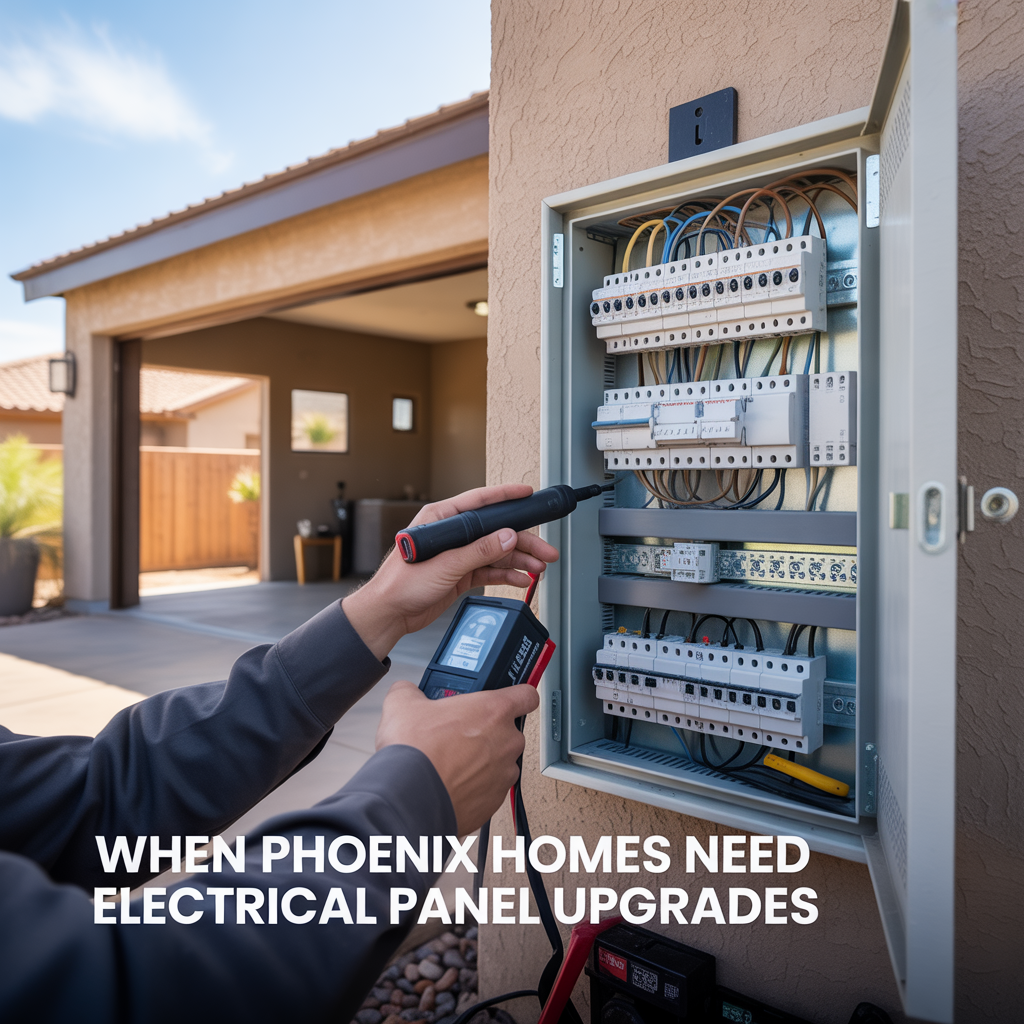
When Phoenix Homes Need Electrical Panel Upgrades
-

Water Pressure Problems in Phoenix Homes Explained
-

Preventing Irrigation Leaks That Waste Water in Desert Landscapes
-

Signs of Hidden Plumbing Leaks in Phoenix Houses
-

How Long Water Heaters Last in Arizona Homes
-

How Hard Water Affects Plumbing Systems in Phoenix Homes
-

Preventing Water Damage in Phoenix Homes During Storms
-

Roof Maintenance Tips Before Phoenix Monsoon Season
-

How Arizona Sun Damages Roofing Materials Over Time