


Phoenix Lifestyle Guide → [Phoenix Lifestyle Guide] & For more info on Phoenix Real Estate → [Phoenix Real Estate Guide]
Written by: Renee Burke
That’s a beautiful direction for your Phoenix market content — calm, assured, and deeply local. Here’s a full in-depth article draft in Renee Burke’s voice following your exact style and tone guidance.
How Long It Takes Homes to Sell in Different Phoenix Suburbs
If there’s one thing Phoenix homeowners and buyers alike are asking these days, it’s how long homes are sitting on the market. And the honest answer is—it depends. Not just on price or interest rates, but on the rhythm of the neighborhood, the season, and even the lifestyle that draws people there in the first place.
Having worked for years across the Valley—from Arcadia’s lush canals to the family-friendly cul-de-sacs of Gilbert and the foothills of North Peoria—I can tell you: every suburb has its own tempo. Some move fast, almost before a listing goes live. Others take a little more time, not because they’re less desirable, but because the right buyers are searching for a certain kind of fit.
Let’s explore how that timing looks across the different corners of Greater Phoenix—and what it really tells us about local demand, pricing, and lifestyle shifts.
Scottsdale: Quick Moves in Prime Spots, Longer in Luxury
In many ways, Scottsdale sets the tone for the Valley’s real estate pace. Homes here range from stylish condos near Old Town that can sell in under 20 days, to mountainside estates north of Shea that may take 60 days or longer to find their match.
In South Scottsdale, younger buyers and investors move fast—nearly half the homes in areas like Hy-View or Village Grove sell within the first month. Listings priced right and well-prepared can even receive multiple offers within days. But once you move up into luxury—say, in DC Ranch or Silverleaf—the selling timeline stretches. These homes are more bespoke, with price points above $2 million. The pool of qualified buyers is smaller, and the emotional component runs deeper. Buyers take their time, often touring multiple properties before deciding.
The key in Scottsdale is positioning. Homes that photograph beautifully, are priced within 3% of true value, and are marketed with clear narrative—about lifestyle as much as square footage—remain in high demand.
Gilbert and Chandler: Family-Friendly Areas That Move Swiftly
East Valley suburbs like Gilbert and Chandler are some of the fastest-moving in Metro Phoenix, especially in neighborhoods anchored by great schools, strong sense of community, and easy freeway access.
In 2026, the average Gilbert home is under contract in around 25 to 30 days, depending on price bracket. Entry-level homes—under $600K—can attract serious attention almost immediately because they appeal to first-time buyers and growing families. Power Ranch, Agritopia, and The Bridges are examples of communities where move-in-ready homes go pending before many buyers even finish their showings for the weekend.
Chandler shows a similar pattern, though it skews slightly faster for mid-range listings. The presence of major tech employers like Intel keeps demand steady, especially near Ocotillo and Fulton Ranch. Homes with updated interiors or desirable outdoor spaces—pools, covered patios, mature shade—tend to sell in less than three weeks.
What makes this area move so briskly is its livability. Families picture their daily routines here, and when they find a home that fits, they don’t hesitate.
Mesa: A Wider Spread, Driven by Diversity in Inventory
Mesa’s housing timeline varies more than most because it’s such a diverse city—part historic, part newly developed, and everything in between.
In central and north Mesa, where post-war ranch homes and older stucco properties dominate, average days on market hover around 35 to 40 days. Many of these homes appeal to budget-conscious buyers or investors seeking long-term rental opportunities. West Mesa in particular offers good value for square footage, but competition depends heavily on price accuracy and property condition.
The newer parts of East Mesa, especially closer to Eastmark or Las Sendas, tell a different story. These neighborhoods draw professionals who want contemporary floorplans and newer amenities without driving too far east. Homes here often go under contract within three weeks—especially if they show well and are priced right relative to nearby new builds.
Mesa is a reminder that even within one ZIP code, market tempo can vary sharply. It’s not a market anyone can paint with one brushstroke.
Peoria and Glendale: Balance Between Suburb and Lifestyle
Northwest Valley markets like Peoria and Glendale are evolving fast. What used to be considered “commuter distance” communities now boast entertainment districts, hiking trails, and employment centers that keep people local.
In Peoria, particularly around Lake Pleasant and Vistancia, homes commonly sell within 25 to 40 days. Demand is strongest for newer builds and single-story layouts, which appeal to both families and early retirees. Some higher-end properties in gated enclaves may take 60 days or longer—not due to low demand, but simply because the buyer pool is discerning.
Glendale, meanwhile, moves at a pace similar to Mesa’s. Homes close to Westgate or near the Cardinals stadium can go quickly thanks to proximity to nightlife and shopping, while older pockets in central Glendale may linger longer unless priced competitively. The average, as of winter 2026, lands near 35 days on market.
Both cities show how lifestyle access—parks, schools, trails, events—has become as important as square footage. People aren’t just buying homes anymore; they’re buying daily experiences.
Tempe: Fast for Condos, Faster for Character
Tempe’s housing landscape defies easy labels. With ASU at its heart and major redevelopment shaping its skyline, Tempe homes sell quickly when they tap into that energetic, youthful market.
Condos and townhomes near Mill Avenue or Tempe Town Lake often sell within 10 to 20 days. Investors and parents seek them out, aware of consistent rental demand and appreciation potential. The challenge here isn’t selling—but standing out. Well-staged, well-marketed listings tend to outperform their neighbors by wide margins.
Traditional single-family homes, especially those tucked into older Tempe suburbs like Shalimar or The Lakes, average around 30 to 35 days. Many buyers here want character—mature trees, unique architecture, or that nostalgic mid-century feel—and those homes continue to hold steady appeal.
Tempe rewards creativity and careful pricing. With such mixed inventory, it’s one of the few markets in the Valley where presentation truly dictates speed.
Queen Creek and San Tan Valley: Slower But Growing Steady
Head further southeast and you’ll find a different rhythm altogether. In Queen Creek and neighboring San Tan Valley, homes usually take 40 to 55 days to sell—sometimes longer in higher price ranges.
It’s not a sign of weak demand but rather a function of distance and supply. New construction remains plentiful here, giving buyers plenty of options. That competition can extend days on market, especially for resale homes built before the recent boom in smart-home features and upgraded finishes.
Still, Queen Creek continues to attract families seeking value and elbow room. Equestrian properties, newer master-planned communities, and good schools make it appealing. Sellers who invest in presentation—landscaping, interior refreshes, quality photography—can significantly shorten the selling window.
Think of these areas as the Valley’s “patient markets.” Growth is coming steadily, not urgently—and that’s not a bad thing.
Cave Creek, Carefree, and Fountain Hills: Beauty Takes Its Time
Further north and east, the market slows in the most beautiful way. Cave Creek, Carefree, and Fountain Hills each have their own identity—rustic charm, desert luxury, or mountain serenity—and that influences selling speed profoundly.
Homes in Cave Creek average around 50 days on market, with wide variation depending on acreage and upgrades. Many of these properties are unique, even handcrafted, and require the right match rather than the fastest sale. Carefree is similar—buyers fall in love here, and love can’t be rushed.
Fountain Hills trends a touch faster, closer to 35 to 40 days, thanks to its proximity to Scottsdale and the spectacular views that consistently draw relocation buyers. Homes with solid curb appeal and updated interiors often sell in under a month.
These are storytelling neighborhoods. Marketing quality, presentation, and the ability to convey what makes each home special matter more here than pricing alone.
What These Timelines Really Mean
If you look across the Valley as a whole, the median days on market in early 2026 sits around 30. But averages can mislead. In a warm, competitive market like Phoenix, that number reflects thousands of hyperlocal micro-markets that move to their own beat.
A West Chandler townhome? Gone in two weeks. A DC Ranch custom estate? Possibly two months. Neither is “better” or “worse”—just different ecosystems shaped by buyer type, price range, and pace of life.
When sellers ask me how long their home will take to sell, I always say: “The answer is part math and part mood.” Data matters—pricing, supply, mortgage rates—but so does the human side. The way a neighborhood feels, how buyers imagine their lives unfolding there, and what your home communicates in those first few seconds online or in person.
A Local’s Perspective on Timing Your Move
If you’re considering selling, knowing your suburb’s typical selling timeline helps set realistic expectations. It also informs strategy—when to list (spring and early fall are still peak seasons), how to price smartly, and what kind of preparation yields the biggest return.
If you’re buying, understanding local timing lets you act confidently. In faster-moving areas like Gilbert or Tempe, being pre-approved and ready to write is critical. In slower-paced markets like Carefree or Queen Creek, you gain the luxury of touring thoughtfully and negotiating from a position of patience.
Real estate in Phoenix isn’t one-size-fits-all. It’s as layered and distinct as the terrain itself—from desert hillsides to family-filled neighborhoods and urban condos humming with life. The timing of a sale tells the story behind each community’s heartbeat.
A Warm Closing Note
If you’re thinking about making a move in Phoenix, you don’t have to figure it out alone. Whether you’re curious how long it might take your home to sell or wondering which area’s rhythm best matches your lifestyle, I’d be honored to walk through it with you.
Every home and neighborhood here has its own story. Let’s find out what yours is—and how to make it shine when the timing’s right.
Get the full Phoenix Market Insights → [Market Insights]


-

Pool Liability and Insurance in Phoenix
-

Protecting Outdoor Structures and Shade Systems
-

HVAC Failures and Insurance Coverage
-

Roof Maintenance for Phoenix Climate Conditions
-

Preventing Water Damage in Desert Landscapes
-

How Monsoon Storms Affect Phoenix Homes
-

Why Policy Structure Matters More Than Premium
-

Understanding Coverage Limits and Exclusions
-

What Personal Property Coverage Actually Includes
-

How Liability Coverage Protects Homeowners
-

Replacement Cost vs Market Value in Phoenix Insurance
-

Understanding Deductibles Before You Need Them
-

How Renovations Affect Insurance Coverage
-

When to Review Your Home Insurance Policy
-

Why Replacement Cost Matters in Phoenix Insurance Policies
-

When a House Truly Starts to Feel Like Home
-

How Phoenix Neighborhood Living Builds a Sense of Belonging
-

Why Stability Plays a Major Role in Long-Term Home Satisfaction
-

How Familiarity Changes the Experience of Living in a Home
-

Renovate or Move? Deciding What to Do When Your Phoenix Home No Longer Fits
-

How Lifestyle Changes Affect Space Needs in Phoenix Homes
-
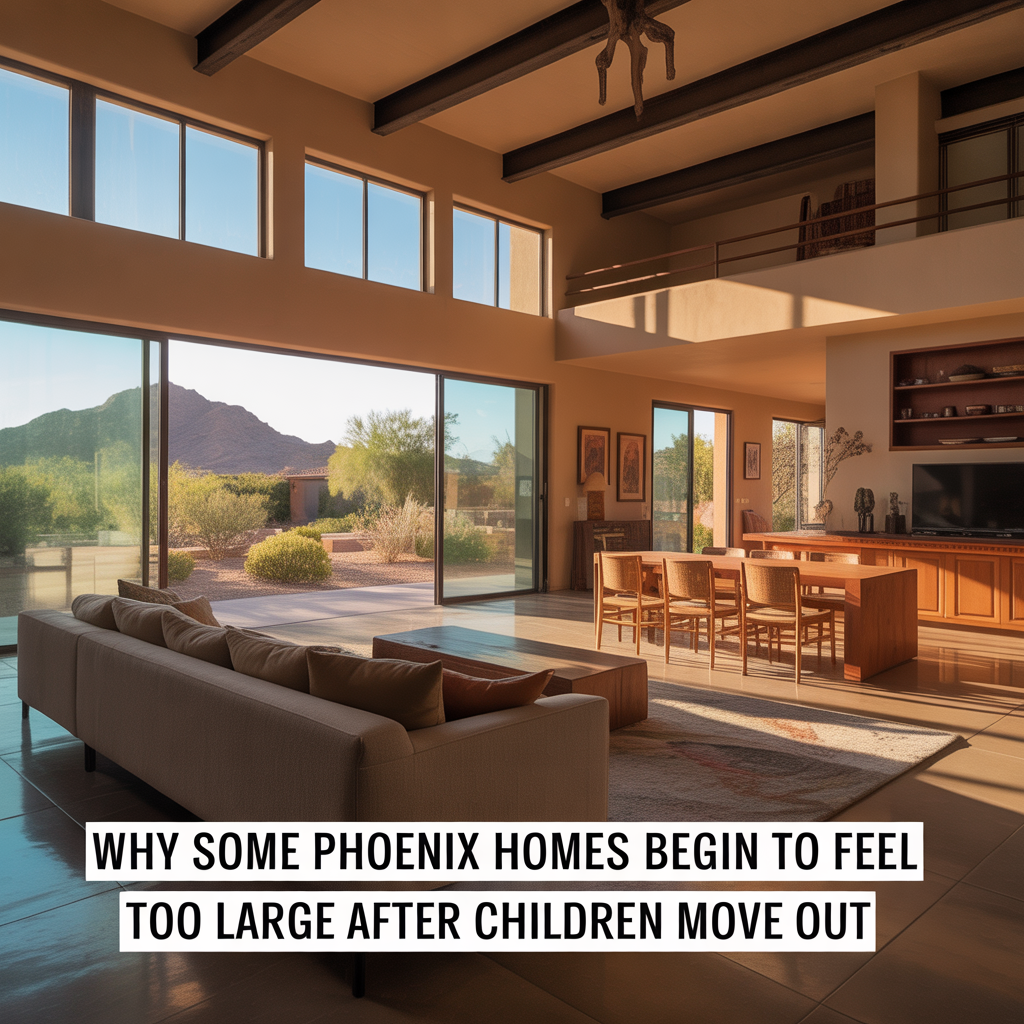
Why Some Phoenix Homes Begin to Feel Too Large After Children Move Out
-

When Homeowners Begin Considering Moving to a Larger Phoenix Home
-

Signs Your Phoenix Home Is Starting to Feel Too Small for Your Family
-

How Desert Landscaping Evolves Over Years of Phoenix Homeownership