


Phoenix Lifestyle Guide → [Phoenix Lifestyle Guide] & For more info on Phoenix Real Estate → [Phoenix Real Estate Guide]
Written by: Renee Burke
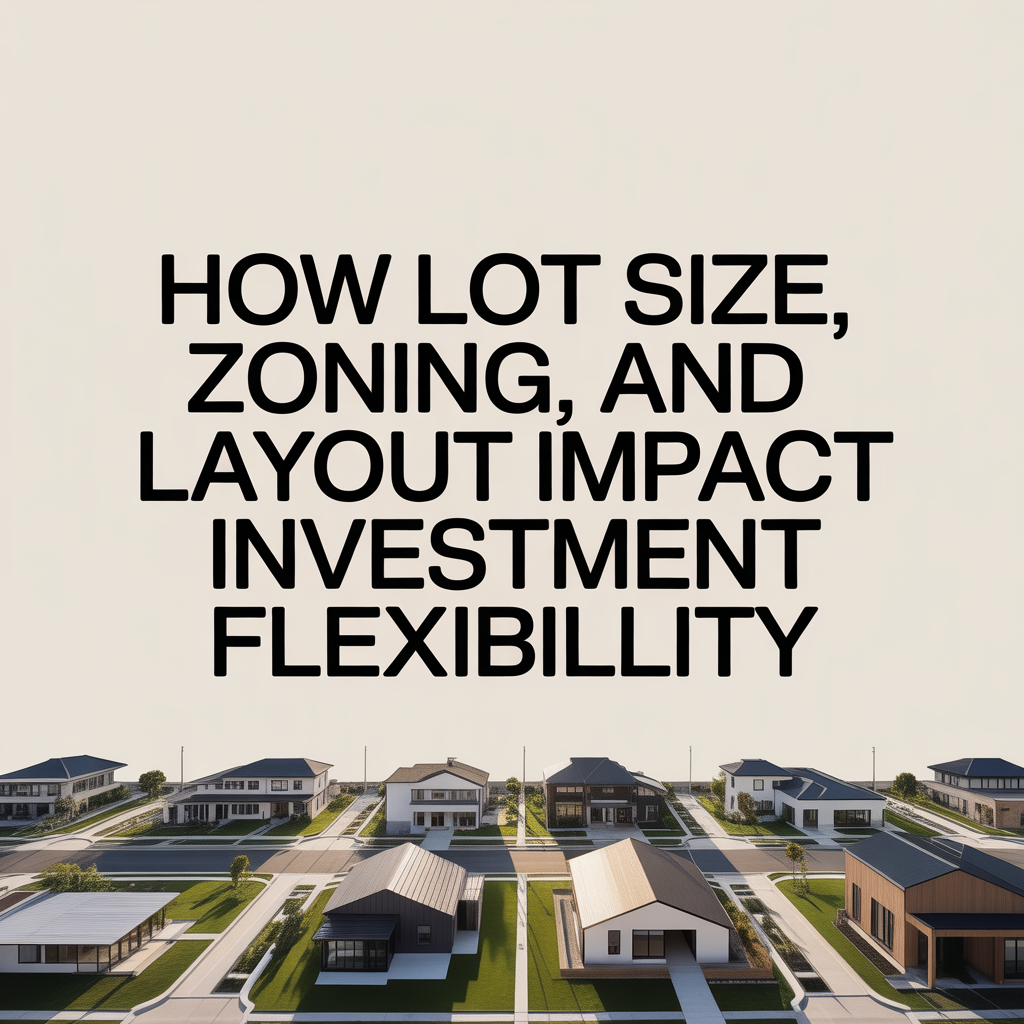
I’ve walked countless properties across the Valley with investors just like you—standing in backyards, poring over zoning maps, and imagining what could be. In Phoenix, where land is precious and growth never quite slows, lot size, zoning, and layout aren’t just details. They’re the quiet architects of your investment’s future. Whether you’re eyeing a cash-flow play in Glendale or appreciation potential near Downtown, these three factors determine how much room you have to adapt, expand, or pivot when the market shifts.
Phoenix’s unique blend of desert sprawl and urban density means no two parcels tell the same story. A modest lot in Maryvale might lock you into single-family rentals forever, while a deeper one in South Tempe opens doors to ADUs or even a duplex conversion. Let’s unpack this step by step, so you can see exactly how it plays out here.
Lot Size: The Canvas for Your Vision
Lot size is your starting point—literally the ground beneath your feet. In Phoenix, it dictates everything from basic upkeep to grand redevelopment dreams.
Smaller lots—think 6,000 to 8,000 square feet, common in mid-century neighborhoods like Encanto or parts of Mesa—offer simplicity. They’re easier to maintain, landscape for low-water desert appeal, and rent to families who want a tidy, manageable yard. But flexibility? Limited. You’re often capped at single-family use, with little room for pools, casitas, or subdividing. These shine for steady cash flow, especially if you’re self-managing and keeping turnover low.
Larger lots—10,000 square feet and up, found in West Valley spots like Surprise or older East Valley tracts—unlock possibilities. Here, you can add an accessory dwelling unit (ADU) for extra rental income, install solar without crowding the house, or even pursue a lot split if the stars align. I’ve seen investors turn a 12,000-square-foot corner lot in Peoria into two cash-flowing duplexes, doubling their return without leaving the neighborhood.
The trade-off? Bigger means higher taxes, more watering bills in our heat, and potentially trickier tenant placement if the layout feels too suburban for urban renters. In Phoenix’s evolving market, aim for at least 9,000 square feet if flexibility is your goal—it gives breathing room for HB2721 reforms or future zoning tweaks that favor density.
Zoning: The Rulebook You Can Work With
Zoning is Phoenix’s way of balancing growth with neighborhood character, but it’s more flexible than you might think—especially post-HB2721. Our state’s housing reforms have nudged cities like Phoenix toward allowing missing middle options: duplexes, triplexes, and fourplexes on single-family-zoned land in many areas.
R-1 (single-family residential) zoning dominates older suburbs—think Ahwatukee or parts of Chandler. It’s rock-solid for appreciation if you buy in paths of progress, but rigid for income diversification. You’re stuck with one house unless variances or ADUs come into play, which our city encourages more now for workforce housing.
Shift to R-3 or multi-family zones near employment hubs—Midtown, Roosevelt Row, or along the light rail—and flexibility soars. These allow 2-4 units per lot, perfect for cash-flow-first investors stacking rents from young professionals or ASU families. I’ve guided clients through rezoning a slice of South Phoenix from R-1 to R-2, adding a second unit that covered their mortgage from day one.
Watch for overlays too: historic districts like Willo preserve charm but cap additions; Opportunity Zones in West Phoenix sweeten tax breaks for multifamily conversions. Always pull the zoning exhibit from Phoenix’s planning portal early—it’s your map to what’s allowed today and what might be tomorrow.
Layout: The Hidden Lever for Profit
Even on the same lot size and zone, layout makes or breaks adaptability. A long, narrow property versus a wide, shallow one? Worlds apart.
Rectangular, deep lots (common in 1950s tracts like Sunnyslope) maximize privacy and expansion. Front house plus backyard casita? Effortless. Alley access? Gold for multifamily parking or ADU entrances without ugly driveways. These layouts flex into short-term rentals, value-add flips, or even gentle density under new rules.
Corner or flag lots scream opportunity. Extra side yards mean potential for side-by-side duplexes or garage conversions—ideal in growing areas like Eastmark in Mesa, where families snap up expanded homes. I recall a client in North Central who turned a corner lot’s unused space into a studio rental; it boosted cash flow by 30% overnight.
Shallow, wide layouts suit urban infill but limit scale. Great for sleek townhomes or BTR (build-to-rent) vibes in Queen Creek, less so for sprawling families. Poor flow—like tiny setbacks or awkward L-shapes—can trap value, making resale tougher if lifestyles shift.
In Phoenix’s heat, shaded patios, north-south orientations, and RV gates also factor in. Layouts that support solar panels or evaporative coolers future-proof against utility hikes, enhancing both tenant appeal and your bottom line.
Real Phoenix Examples: Putting It Together
Consider two similar properties I’ve analyzed recently.
In Glendale’s Arrowhead Ranch, a 7,500-square-foot R-1 lot with a deep backyard layout. Cash-flow strong via long-term family lease, but zoning caps at one ADU. Flexibility score: moderate—good hold for stability, tough to scale.
Contrast with Tempe’s Knox Road area: 11,000 square feet, R-3 zoning, alley-loaded layout. Same price point, but room for a fourplex or lot split. Appreciation via ASU proximity, cash flow from multiple streams. Flexibility score: high—pivot to students, workforce, or sell to builders.
Phoenix’s Loop 101/202 corridors amplify this. West Valley large-lot industrials allow BTR communities; central infill small lots feed walkable density dreams.
Risks and Rewards to Watch
Bigger lots and laxer zoning tempt over-improvement—spend too much on that casita, and comps won’t follow. HOAs in master-planned spots like Gilbert often nix ADUs outright. And our monsoon floods punish poor drainage layouts, hiking insurance.
Yet the rewards? In a market where inventory lags demand, flexible properties hedge inflation, diversify income, and command premiums at sale. Post-2025 reforms, zoning-forward buys in South Mountain or Downtown-adjacent zones position you for policy tailwinds.
Blending with Appreciation vs. Cash Flow
Tie this back to your strategy. Appreciation-first? Prioritize zoning-upside in paths like Midtown—lot size secondary if layout allows densification. Cash-flow-first? Hunt moderate lots in R-2/3 West Valley with ADU-ready designs for immediate stacking.
Run scenarios with local comps, not national rules. Phoenix’s sun-soaked evolution favors those who buy the land and the latitude.
If you’re sizing up a property and wondering how its lot, zoning, or layout fits your Phoenix investment goals, you don’t have to puzzle it out alone. Reach out—I’m here to map it with you, step by thoughtful step, so your next move feels right for today and builds security for years ahead. Let’s chat about that listing you’ve got your eye on.
Get the full Phoenix Market Insights → [Market Insights]


-

Designing Outdoor Living Spaces for Phoenix’s Unique Climate
-

How Pools and Shade Structures Change Backyard Living in Phoenix
-

Why Covered Patios Are One of the Most Valuable Features of Phoenix Homes
-

How Phoenix Homeowners Transform Their Outdoor Living Spaces Over Time
-

Ways Phoenix Homeowners Improve Indoor Comfort Over Time
-

How Long Cooling Seasons Influence Phoenix Home Design
-

How Phoenix Summer Heat Changes Daily Life Inside the Home
-

How Long-Term Homeowners Adjust Layouts to Fit Changing Needs
-

Converting Spare Bedrooms Into Home Offices in Phoenix Homes
-

How Life Stage Changes Affect the Way Phoenix Homes Are Used
-

When Homeowners Start Rethinking Space Inside Their Phoenix Home
-
How Phoenix Homes Adapt to Growing Families Over Time
-

How Local Parks, Restaurants, and Shops Shape Life in Phoenix Neighborhoods
-

Why Long-Term Residents Experience Neighborhoods Differently Than New Buyers
-

How Phoenix Communities Shape Everyday Life for Local Residents
-
Why Neighborhood Familiarity Improves Long-Term Home Satisfaction
-
How Living in a Phoenix Neighborhood Changes After Several Years
-
Why Desert Climate Living Changes Homeownership Expectations
-
Common Home Improvements That Make Phoenix Homes More Comfortable
-

How Extreme Summer Heat Changes the Way Phoenix Homes Are Used
-

Why Shade Structures and Covered Patios Matter for Phoenix Homes
-
Cost of Living in Phoenix: Housing, Utilities, and Everyday Expenses
-

The Best Neighborhoods in Phoenix for Lifestyle, Schools, and Value
-

Homes for Sale in Phoenix Under $650K: Where Buyers Are Still Finding Deals
-
Phoenix Housing Market Forecast: Will Home Prices Rise or Fall?