


Phoenix Lifestyle Guide → [Phoenix Lifestyle Guide] & For more info on Phoenix Real Estate → [Phoenix Real Estate Guide]
Written by: Renee Burke
Over the past decade, I’ve watched Phoenix real estate transform in ways that feel both familiar and surprising — like seeing a young saguaro finally stretch toward the sky. From 2016 to now, the Valley has shifted from steady recovery to explosive growth, then into a more thoughtful balance. It’s a story of resilience, adaptation, and the quiet ways people reshape a city to fit their lives.
What started as a market healing from the Great Recession has become one defined by newcomers, tech booms, and a newfound maturity. Let me walk you through it, year by year, with the kind of detail that helps you see not just the numbers, but what they mean for living here.
The Recovery Years: 2016–2019, Building Quiet Momentum
Back in 2016, Phoenix was still shaking off the last shadows of the housing crash. Inventory was tight, but prices were reasonable — median home values hovered around $250,000, and sales moved at a gentle pace. Buyers were mostly locals upgrading or families priced out of California, drawn by our endless sun and lower costs.
By 2018, things picked up. Job growth in tech and healthcare started pulling in more transplants, especially to the East Valley. Gilbert and Chandler saw master-planned communities fill up fast, with homes emphasizing open floor plans and backyard pools that suited our weather. Inventory stayed low — often under three months’ supply — which kept prices climbing steadily, about 6–8% a year.
I remember clients back then worrying about overbuilding, but it was the opposite: we weren’t building enough. Subdivisions in Queen Creek and San Tan Valley became hot spots because they offered new homes without the premium of central locations. The market felt optimistic, not frantic — a solid foundation forming.
The Pandemic Surge: 2020–2022, When Demand Exploded
Then 2020 hit, and everything accelerated. Remote work turned Phoenix into a magnet. Californians, Texans, and even East Coasters arrived in droves, chasing space and affordability. Median prices jumped from $325,000 in early 2020 to over $450,000 by late 2022. Bidding wars became the norm; homes sold in days, often sight unseen.
The West Valley boomed hardest — Buckeye and Surprise doubled in population as builders raced to keep up. But it wasn’t just suburbs; Central Phoenix neighborhoods like Arcadia and Biltmore saw mid-century remodels fly off the market. Everyone wanted a home office, a bigger kitchen, a yard for their pandemic puppy.
Inventory plummeted to historic lows — sometimes a one-month supply. Sellers held all the cards, and new construction couldn’t match the frenzy. Interest rates at 3% fueled it all, making even premium properties feel within reach. For long-time residents, it was exhilarating and exhausting — values soared, but so did the fear of getting priced out.
The Reset Begins: 2023–2024, Cooling with Purpose
By 2023, reality set in. Mortgage rates climbed past 7%, halting the party. Prices peaked around $480,000 median, then softened 5–10% in hotter segments. Sales volume dropped, but Phoenix didn’t crash — it normalized.
This is where our market showed its depth. While some panicked, I advised clients to zoom out: job growth in semiconductors (think TSMC in North Phoenix) and healthcare kept demand alive. Inventory crept up to 3–4 months, giving buyers breathing room. Concessions returned — sellers covering closing costs or repairs, a welcome change.
Outer areas like Goodyear stabilized first, with new builds offering rate buydowns. Downtown condos softened more, as buyers favored single-family homes with no HOA hassles. The shift highlighted a key evolution: Phoenix buyers got pickier, prioritizing lifestyle over FOMO.
Today’s Balanced Landscape: 2025–2026, Maturity Takes Hold
Now, entering 2026, we’re in a healthier place. Prices have cooled another 1–2% year-over-year, settling around $460,000–$475,000 median. Inventory hit levels not seen since 2017 — over 18,000 active listings metro-wide. Sales are up slightly from 2023 lows, with pending contracts nearing normal.
What’s different? Buyers have leverage: 60% of sales under list price, longer days on market, and more negotiations. Yet Arizona’s economy hums — 4.6% GDP growth, 24,000 new jobs in trade, health, and construction. The lock-in effect lingers (homeowners with sub-4% rates aren’t budging), but new listings are ticking up.
Construction has evolved too. Zoning reforms boost townhomes in Maricopa County, easing single-family shortages. Resales now outperform new builds, as buyers tire of builder incentives masking true costs. Neighborhoods like Peoria and Mesa shine for value, while luxury in Scottsdale holds firm, tied to stock market wealth.
Key Shifts That Redefined the Valley
These ten years brought changes beyond prices — they reshaped how we live here:
- Population Surge: Nearly 2 million new residents since 2000, accelerating post-2020. We’re a top migration destination, blending retirees, young families, and professionals.
- Economic Anchors: From tourism-driven to tech-healthcare hub. Intel expansions, Mayo Clinic growth, and TSMC plants ensure jobs follow housing.
- Housing Stock Evolution: More energy-efficient homes — solar standard, better insulation for our heat. HOAs now emphasize water-wise yards, future-proofing values.
- Commute and Connectivity: Light rail extensions and Loop 202 expansions cut drive times. East-to-West travel feels seamless, boosting outer suburbs.
- Buyer Mindset: From frenzy to focus. Today’s shoppers weigh insurance hikes, HOA fees, and sustainability — wiser choices for long holds.
Challenges emerged too. Affordability stretched; first-timers now eye Pinal County. Water talks intensified, prompting citywide conservation that smart buyers embrace early.
What It Means for You Now
Looking back, Phoenix real estate matured from volatile cycles to sustainable growth. We’ve proven we can handle booms, resets, and everything between — always tied to jobs, people, and our unbeatable quality of life.
Patio season every month, mountain views from your backyard, communities that buzz with farmers markets and food trucks. The market’s changes reflect that pull: more options, fairer pricing, and a Valley ready for the next chapter.
If you’re thinking about making a move in Phoenix — whether buying your first home, selling after years of appreciation, or investing in tomorrow’s growth areas — you don’t have to figure it out alone.
I’ve guided families through every twist of these ten years, and I know how overwhelming it can feel amid the headlines. I’d be honored to sit down with you, review your goals, and map a path that fits your life here.
Whenever you’re ready, reach out. Let’s talk specifics — your neighborhood dreams, your budget, your timeline. Together, we’ll turn the past decade’s lessons into your family’s next smart step.
Get the full Phoenix Market Insights → [Market Insights]


-

How the Phoenix Desert Climate Shapes Everyday Life Inside the Home
-

How Phoenix Weather Patterns Shape Everyday Home Routines
-

Why Homes Often Feel More Comfortable After the First Year of Ownership
-

How Living in Phoenix Changes the Way Homeowners Use Their Homes
-
What New Phoenix Homeowners Learn During Their First Year of Ownership
-

How Daily Life Changes After the First Year of Living in a Phoenix Home
-
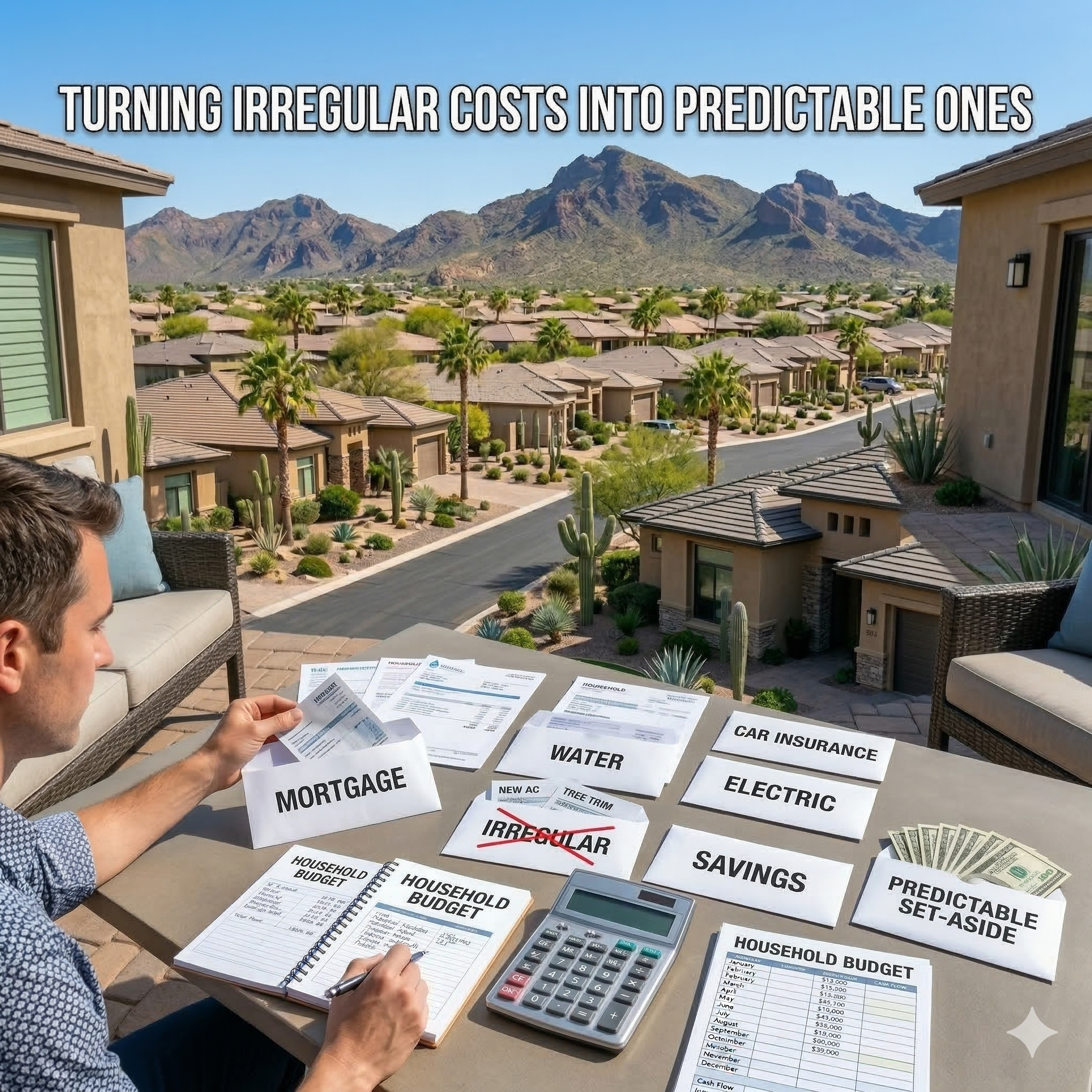
Turning Irregular Costs Into Predictable Ones
-

Budgeting for Ongoing Ownership
-

Repair vs Replace vs Defer Decisions
-

Planning Homeownership Like a Long-Term Asset
-

What Home Expenses You Can Safely Delay
-

Stopping Cost Creep Early
-

Cash Flow vs Net Worth Stress
-

Why “It’s Not That Much” Adds Up
-

Warning Signs Your Ownership Budget Is Tightening
-

The Cumulative Cost of Small Home Repairs
-

Designing Budgets Around Local Conditions
-
Utility Costs Over Time in Desert Climates
-

Insurance Increases Explained for Arizona Homeowners
-
How Inflation Impacts Phoenix Homeownership Costs
-

Avoiding Debt-Driven Homeownership Decisions
-

Replacing Systems on Your Timeline
-

Why Emergency Repairs Cost More
-

Timing Major Expenses Without Financial Shock
-
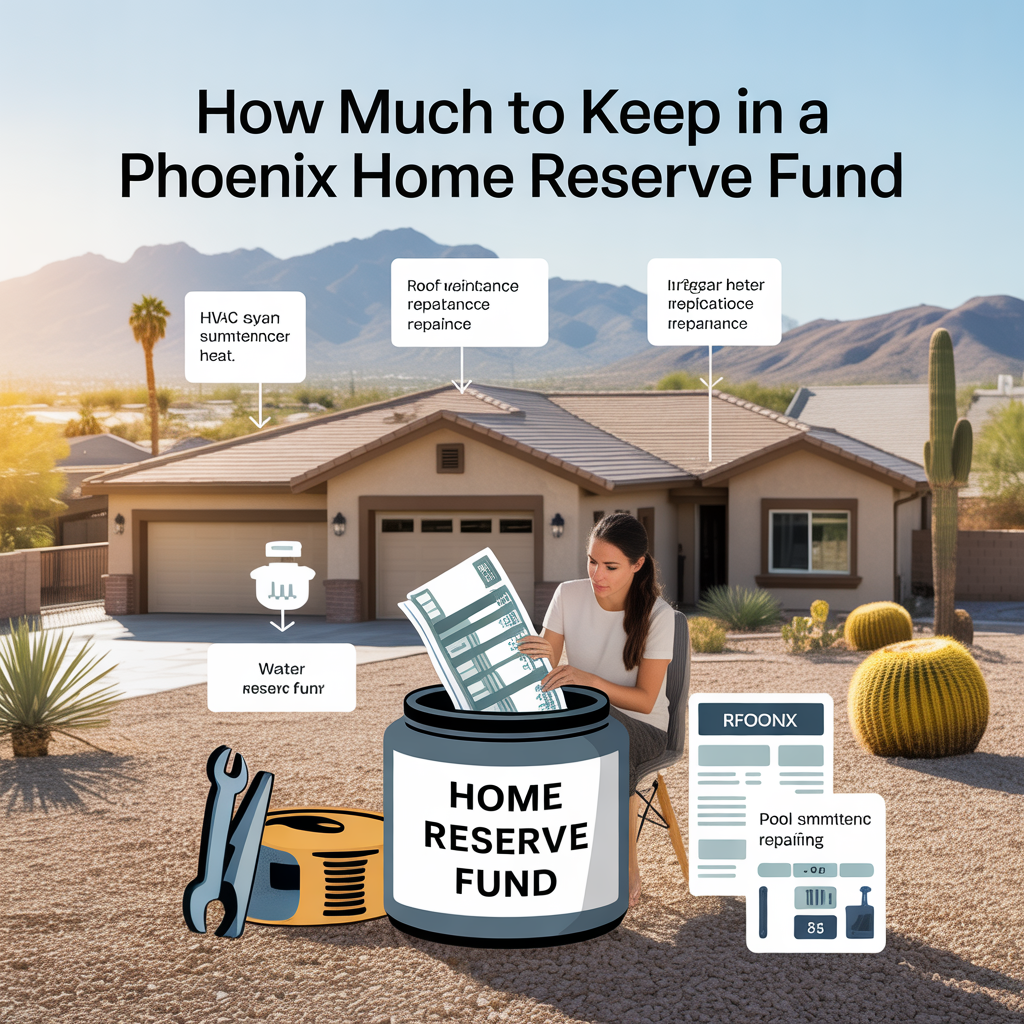
How Much to Keep in a Phoenix Home Reserve Fund