


Phoenix Lifestyle Guide → [Phoenix Lifestyle Guide] & For more info on Phoenix Real Estate → [Phoenix Real Estate Guide]
Written by: Renee Burke
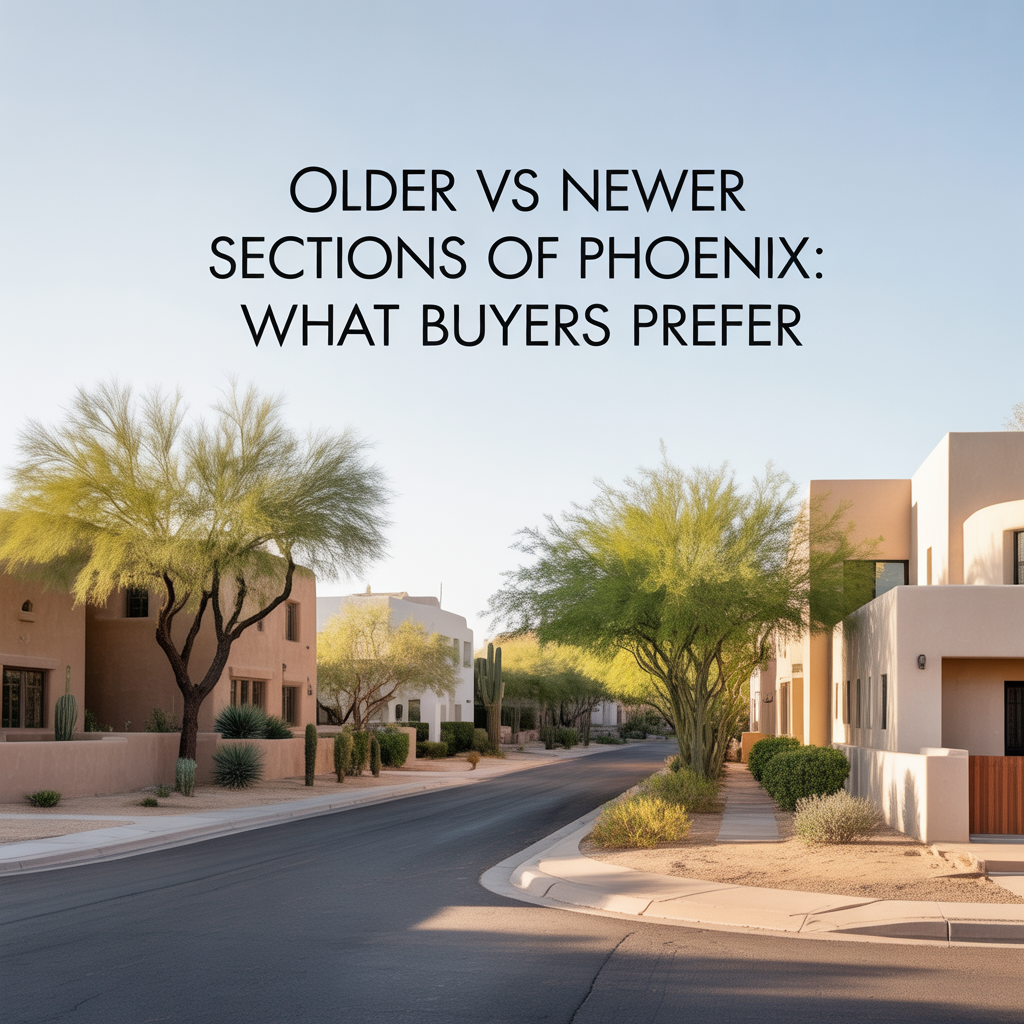
Navigating Phoenix’s older, established sections versus its newer developments often feels like choosing between a familiar desert trail with sweeping views and a freshly paved path lined with modern comforts. I’ve guided buyers through both across the Valley — from the tree-canopied charm of Arcadia to the amenity-packed streets of Verrado — and preferences shift with life stage, budget, and vision. In our 2026 market, buyers lean toward a mix: older sections for character and location, newer for turnkey ease and warranties. Neither dominates universally; it’s about what resonates with your rhythm. Let’s explore thoughtfully, so you can see where your heart — and dollars — align best.
The Pull of Older Sections: Character, Location, and Proven Value
Older Phoenix sections — think 1950s-1990s builds in Central areas like Arcadia, Ahwatukee, North Central, and parts of Mesa — draw buyers craving authenticity amid our desert sprawl. These neighborhoods boast mature landscaping with citrus groves shading wide streets, larger lots (8,000-12,000 sq ft), and architectural variety: ranchers with vigas, split-levels with vaulted beams, mid-century gems near Camelback Mountain.
Buyers love the established vibe — walkable pockets to coffee shops in Arcadia’s Pierson Place or Ahwatukee’s hiking trails right from your door. Proximity to freeways (I-10, SR-51) and jobs (Sky Harbor 15-20 min) saves time, while lower property taxes from older assessments keep costs down. Resale shines here: 3-5% appreciation in scarcity-driven enclaves, appealing to downsizers, professionals, and investors eyeing rental stability.
Trade-offs? Updates vary — some boast quartz refreshes, others need HVAC or roof work accelerated by our sun. Yet, sturdier block construction endures monsoons better than some newer foam-block tract homes.
The Appeal of Newer Sections: Modern Efficiency and Community Amenities
Newer developments (2010s-2020s) dominate outer rings like Queen Creek, Buckeye, Goodyear, and North Scottsdale’s Grayhawk — master-planned havens from builders like Toll Brothers or Shea Homes. Expect open great rooms flowing to covered patios, tankless water heaters, smart thermostats, and foam insulation slashing APS bills by 20%. Pools, playgrounds, and walking paths come standard, fostering instant community.
Families and young professionals flock here for warranties (1-10 years), energy efficiency, and low-maintenance xeriscaping. Larger floor plans (2,500+ sq ft) at competitive prices ($450K-$650K) stretch budgets, with HOA perks like community ramadas easing new-homeowner stress. Growth corridors near Intel, TSMC, or Banner Health promise future equity bumps.
Drawbacks whisper: smaller lots (5,000-7,000 sq ft), cookie-cutter aesthetics, and stricter HOAs ($100-250/month) limit personalization. Builder incentives tempt, but upgrades inflate costs quickly.
Buyer Preferences: Profiles and Trends
Buyers sort decisively by phase:
| Buyer Type | Older Sections Preference | Newer Sections Preference |
|---|---|---|
| Young Families | Ahwatukee (schools, yards) | Gilbert (pools, playgrounds) |
| Professionals | Central (commutes, walkability) | Peoria (jobs, modern offices) |
| Downsizers | Arcadia (single-story charm) | Verrado (low-maintenance luxury) |
| Investors | Mesa (rental yield, location) | Queen Creek (appreciation growth) |
Older wins for lifestyle density (60% of urban pros); newer captures families (70% in master-plans). Balanced market favors turnkey in both — dated older homes lag, pristine newer fly.
Value Comparison: Costs, Equity, Lifestyle
Older sections edge on per-sq-ft value ($250-350) with bigger footprints; newer stretch dollars via incentives. Appreciation tilts older (proven demand); newer rides job booms.
| Aspect | Older (1950s-1990s) | Newer (2010s+) |
|---|---|---|
| Price/Sq Ft | $250-$350 | $220-$300 |
| Lot Size | Larger (8K+ sq ft) | Smaller (5-7K sq ft) |
| Monthly Costs | Lower taxes, optional HOA | Higher HOA, efficient utilities |
| Appreciation | 3-5% (location-driven) | 2-4% (growth areas) |
| Maintenance | Predictable updates needed | Warrantied, low upfront |
Older suits permanence; newer, flexibility.
Desert Living Nuances
Our climate tips scales: older homes’ tile roofs and block walls handle heat superbly; newer’s spray foam and low-E glass cut cooling costs. Buyers weigh pools (older yards accommodate) versus community ones (newer perks). Test evenings — older neighborhoods hum with neighborly chats; newer buzz with planned events.
What Buyers Ultimately Choose
Preferences blend: 55% gravitate older for “Phoenix soul” — views, history, roots. Newer claims 45%, prized by relocators seeking shiny starts. Visit both at golden hour: Arcadia’s citrus-scented air versus Queen Creek’s playground laughter.
A Warm Invitation
If you’re torn between Phoenix’s older charm and newer polish, know this — you don’t have to figure it out alone. From Ahwatukee ranches to Goodyear moderns, I’d love to walk the sections with you, matching buyer favorites to your story.
Reach out anytime. Let’s find the neighborhood that feels timeless yet tailored — supported, steady, and simply right for you.
Get the full Phoenix Market Insights → [Market Insights]


-

What Are the Top 3 Reasons Someone Would Choose This Home Later?
-
Who Is the Likely Resale Buyer Pool?
-

The Five-Year Rule: When It Helps and When It Doesn’t
-
When Refinancing Is a Strategy vs. a Fantasy
-

How to Know If You Can Hold Through a Soft Patch
-

Why Volume Changes Before Price (and Why That’s Not Always Bad)
-

What a “Normal” Market Pullback Looks Like in Phoenix
-
New Build vs. Resale: Which Has More Predictable Long-Term Costs?
-

Insurance Trends and What They Change About “Affordability”
-
Roof Types, Sun Exposure, and Long-Term Maintenance Planning
-

Pools: Lifestyle Upgrade or Long-Term Cost Variable?
-

The True Cost of Phoenix Summers: HVAC and Energy Reality
-
Building a Reserve Plan That Makes Renting Out Possible
-
When a “Good Buy” Makes a Weak Rental
-
Tenant Demand by Home Type: What Phoenix Renters Choose
-
Why Gross Rent Estimates Don’t Translate to Net Safety
-

Rent Reality in Phoenix: What Homes Actually Lease For
-
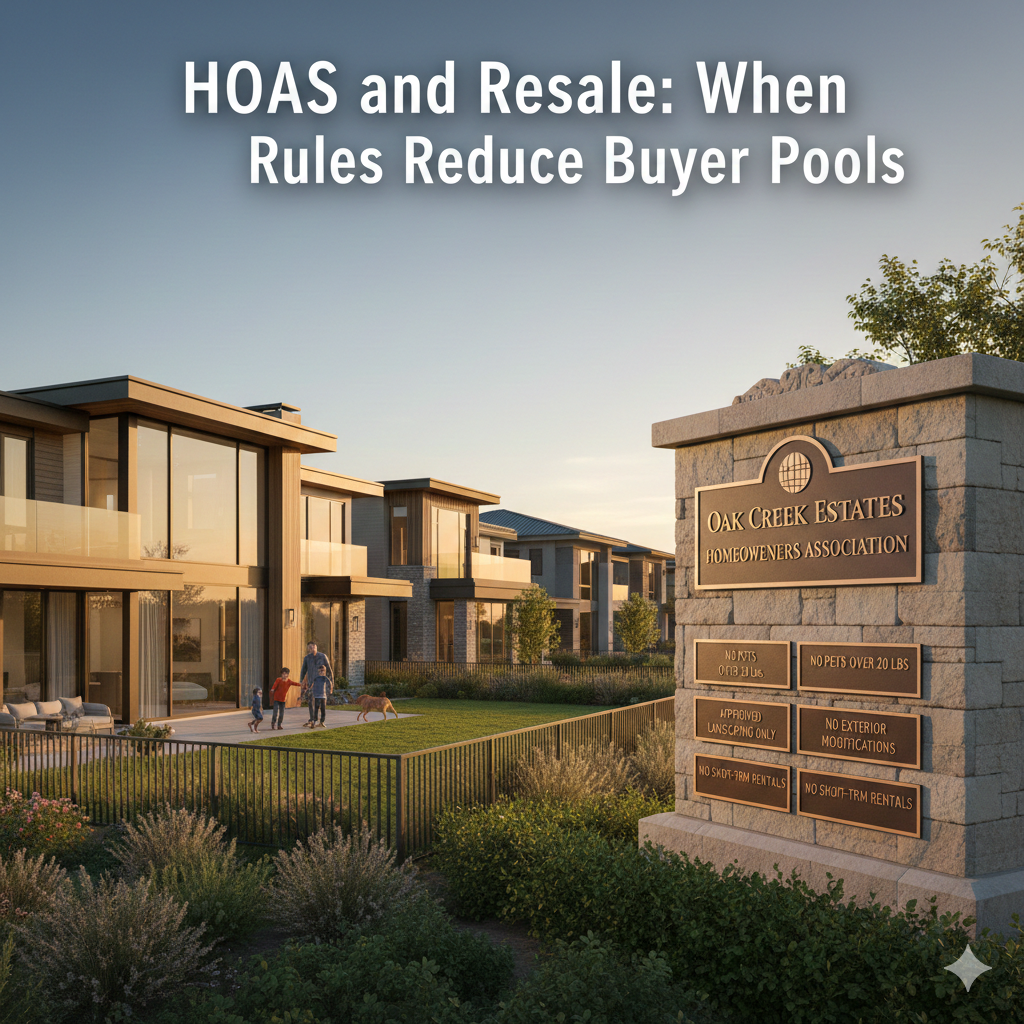
HOAs and Resale: When Rules Reduce Buyer Pools
-

What to Review in HOA Docs Before You Fall in Love
-

The “Enforcement Factor”: When HOAs Become a Daily Stressor
-
STR Rules vs. Long-Term Rental Rules in Phoenix Communities
-
HOA Rental Caps: What They Mean for Long-Term Options
-
What Days on Market Actually Signals at Different Price Levels
-

How “Over-Personalized” Homes Lose Liquidity
-
The Price Tier Where Buyer Depth Thins Out (and Why It Matters)