



Phoenix Lifestyle Guide → [Phoenix Lifestyle Guide] & For more info on Phoenix Real Estate → [Phoenix Real Estate Guide]
Written by: Renee Burke
There’s something quietly steady about Peoria these days — a sense that while the rest of the Valley ebbs and flows, this northwest pocket of Phoenix has found its own rhythm. It’s a rhythm built on community and quality of life — families settled near Lake Pleasant, professionals enjoying newer builds and clean conveniences along Happy Valley and 83rd, retirees appreciating the calm of Vistancia’s desert trails.
But under that calm surface, the real estate market here has been quietly evolving. If you’ve been watching from the sidelines — or wondering whether Peoria has already seen its “moment” — it’s worth taking a closer look at what’s happening right now, and what the next stretch of 2026 might bring.
A Market Finding Its Balance
After nearly three years of dramatic shifts across Metro Phoenix, Peoria’s market has begun to find a middle ground.
In 2021 and 2022, we saw frenzied bidding wars on listings under $600,000, with many homes closing tens of thousands above list price. That heat cooled rapidly by late 2023, when higher interest rates took some wind out of buyer demand.
Now, as we’ve moved into early 2026, Peoria feels different — calmer, more measured. Inventory has ticked up year over year, but it’s still well below pre-pandemic levels. According to recent MLS data, Peoria’s active listings in January hovered around 1.6 months of supply, keeping the area balanced on the edge between seller’s and neutral territory.
Homes that are priced right and well-presented are still moving, especially in desirable school districts like those served by Peoria Unified and Deer Valley Unified. But buyers have become thoughtful again — they’re comparing options, negotiating terms, and expecting value.
This isn’t a bad thing. It’s actually a healthier market, one where both sides can breathe.
Prices and Opportunity
Median home prices in Peoria have held steady, sitting near the mid-$540,000 range as of January 2026. That’s down slightly from last summer’s peak but still reflects significant equity gains compared to 2019 or even early 2021.
Luxury neighborhoods like Westwing Mountain and Northlands have seen resilient demand from move-up buyers looking for space and mountain views. Meanwhile, more affordable enclaves south of Bell Road are still drawing first-time homeowners seeking comfort and community within a manageable commute to Phoenix or Glendale.
The most noticeable change this year is in days on market — listings are taking longer to go under contract. While homes in 2022 sold within a week on average, many now stay active for 25–35 days. That slower pace gives buyers room to make thoughtful decisions, and it gives sellers time to properly prepare their homes and pricing strategies.
If you bought in the last five years, odds are you’ve built strong equity, even with price softening in some segments. And if you’re thinking of buying now, you’ve entered a market where patience and preparation are rewarded.
What’s Driving Buyer Interest in Peoria
Peoria continues to hit that sweet spot between affordability and lifestyle quality. The area’s appeal extends beyond square footage or price per foot — it’s about access, recreation, and community identity.
- Lake Pleasant remains a magnet for weekend recreation — a rare combination of boating, desert hiking, and star-filled evenings less than 40 minutes from downtown Phoenix.
- The P83 Entertainment District continues to evolve, offering everything from casual dining and spring training at Peoria Sports Complex to boutique fitness studios and upscale restaurants.
- Newer master-planned communities like Vistancia, Trailside Point, and Trilogy keep attracting a mix of younger families and empty nesters seeking well-designed neighborhoods with trail systems, fitness centers, and a genuine sense of belonging.
For many homebuyers relocating from central Phoenix or even out of state, Peoria delivers more home for the money — and a pace of life that feels suburban without feeling remote.
There’s also a growing appreciation for Peoria’s civic planning. The city has invested steadily in infrastructure, schools, and green spaces, reinforcing long-term stability that buyers instinctively trust. Those local investments tend to show up in home values over time.
The Interest Rate Reality
Interest rates have been the headline everyone watches, and they still carry weight. After climbing sharply in 2024, we saw a modest easing through mid-2025. As of February 2026, 30‑year fixed mortgage rates are hovering in the mid‑6s — a noticeable improvement from their peaks but still higher than the long-term average.
What’s changed is how buyers are adapting. More are exploring rate buydowns, adjustable-rate programs, or seller concessions to soften monthly payments. Lenders across the Valley — including those familiar with the intricacies of the Peoria market — are much more flexible again.
The bigger story, though, is emotional. After two years of “wait and see,” many buyers have realized that perfect timing rarely announces itself. They’re choosing to move forward when their lives, not the headlines, say it’s right. And Peoria’s mix of newer housing stock and community amenities makes that decision a little easier.
What Sellers Should Know
If you’re planning to sell in Peoria this spring or summer, strategy matters more than ever. Today’s buyers are informed and selective. They notice pricing patterns across neighborhoods and they’re comfortable walking away if something feels overpriced.
A few key factors are shaping successful sales:
- Turnkey presentation. Staging, light updates, and fresh paint are still making a measurable impact on time to contract.
- Accurate pricing. Homes listed 3–5% above recent comps tend to linger and invite price reductions later.
- Professional visibility. High-quality photography, open houses, and strong local agent networks continue to drive traffic in this tempered market.
The good news? When a home is priced and presented correctly, it still sells quickly — often within 20 days in prime locations like Fletcher Heights or Meadows. The energy in those micro‑markets remains surprisingly resilient.
Sellers who pair realistic pricing with expert marketing will continue to see healthy returns, especially given the limited supply of updated homes.
The Long View: Peoria’s Next Chapter
When you look at Peoria through a five-to-ten-year lens, its fundamentals remain strong. The city’s northern growth corridor near Lone Mountain Parkway and Vistancia continues to attract quality development, while the southern core preserves stability and proximity.
Jobs, infrastructure, and schools support steady population growth. That combination — more than any one quarter’s pricing trend — is what preserves Peoria’s real estate strength.
There’s also a mindset shift happening. The buyers coming into Peoria aren’t chasing quick flips or speculative gains; they’re looking to build a life. That kind of intention gives the market endurance through rate cycles and seasonal slowdowns.
And for longtime homeowners, the balance returning to the market actually helps long-term equity, reducing the risk of volatility and preserving value across property types.
A Few Myths Worth Clearing Up
Because I work with so many Phoenix‑area homeowners and buyers, I often hear a few repeated worries about Peoria:
- “Isn’t everything overpriced now?”
Prices may feel high compared to five years ago, but they’ve largely stabilized. Most homes are trading within a sustainable range tied to income growth and demand — not speculative inflation. - “Will rates keep falling?”
Possibly, but the likelihood of sub‑5% rates returning soon is slim. Rather than waiting for a number that may never reappear, focus on affordability today and refinance later if conditions improve. - “Have I missed the best time to buy or sell?”
The truth is, the best time depends more on your goals and stage of life than on the market clock. What’s shifted now is balance — and that opens opportunity on both sides of the table.
A Market That Rewards Intentional Moves
Peoria’s 2026 real estate market isn’t one of fast swings or big drama. It’s steady, intentional, quietly confident — much like the people who choose to call it home.
For buyers, that means space to compare, breathe, and find the right fit. For sellers, it means working with someone who understands the subtleties of pricing and presentation in this community-driven city.
The energy here feels sustainable — not overheated, not uncertain, but grounded in genuine livability.
A Warm Invitation
If you’re thinking about making a move in Peoria — or simply curious about how your home’s value aligns with today’s market — you don’t have to figure it out alone.
I’ve spent years helping families across the Valley make thoughtful, informed decisions in every kind of market. Whether you’re planning six months out or just starting to weigh your options, I’d be honored to walk through the details with you.
Let’s talk through what makes sense for you. Because home decisions in Peoria, as in life, deserve both data and heart — and someone you can trust to balance the two.
Get the full Phoenix Market Insights → [Market Insights]


-

How the Phoenix Desert Climate Shapes Everyday Life Inside the Home
-

How Phoenix Weather Patterns Shape Everyday Home Routines
-
Why Homes Often Feel More Comfortable After the First Year of Ownership
-
How Living in Phoenix Changes the Way Homeowners Use Their Homes
-
What New Phoenix Homeowners Learn During Their First Year of Ownership
-

How Daily Life Changes After the First Year of Living in a Phoenix Home
-
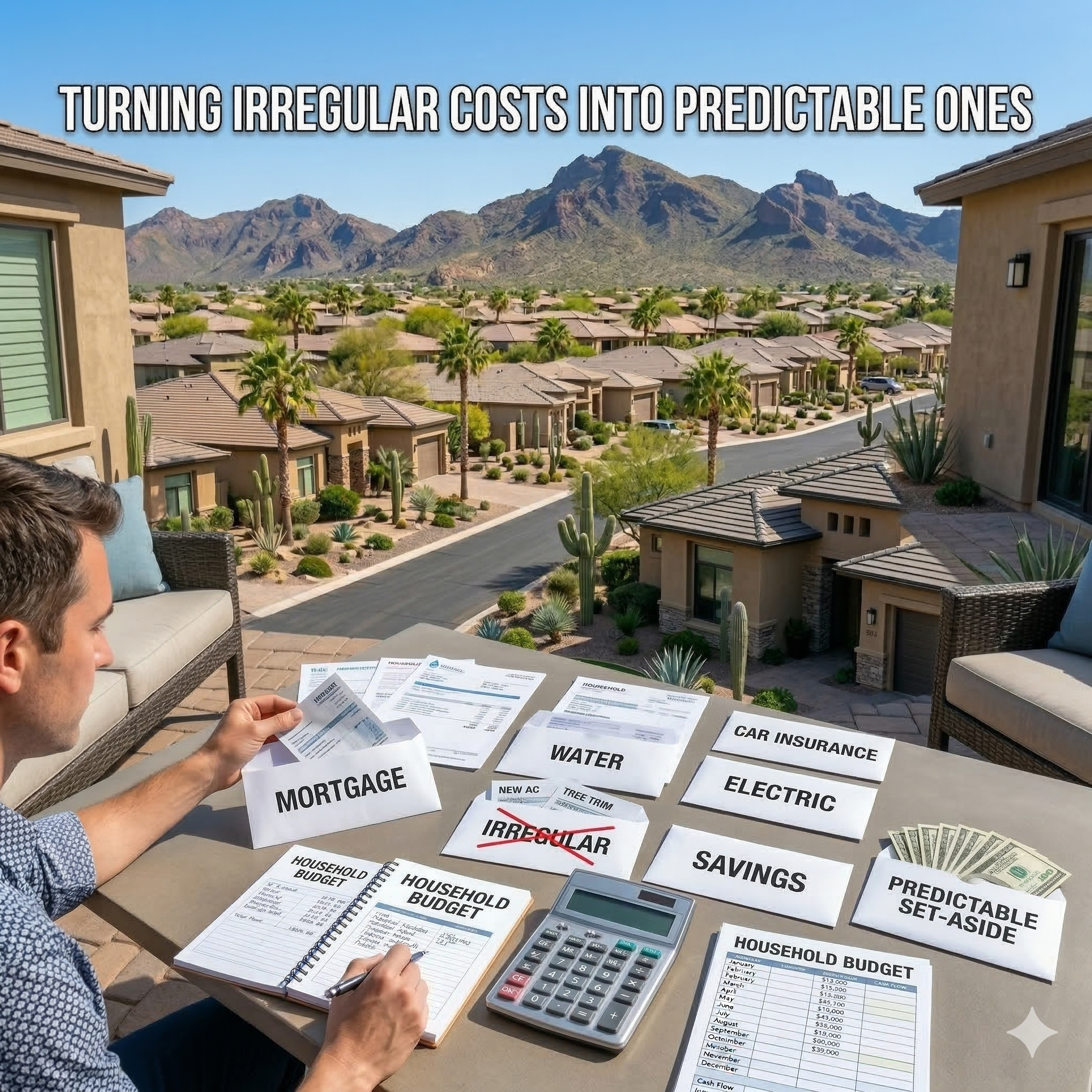
Turning Irregular Costs Into Predictable Ones
-

Budgeting for Ongoing Ownership
-
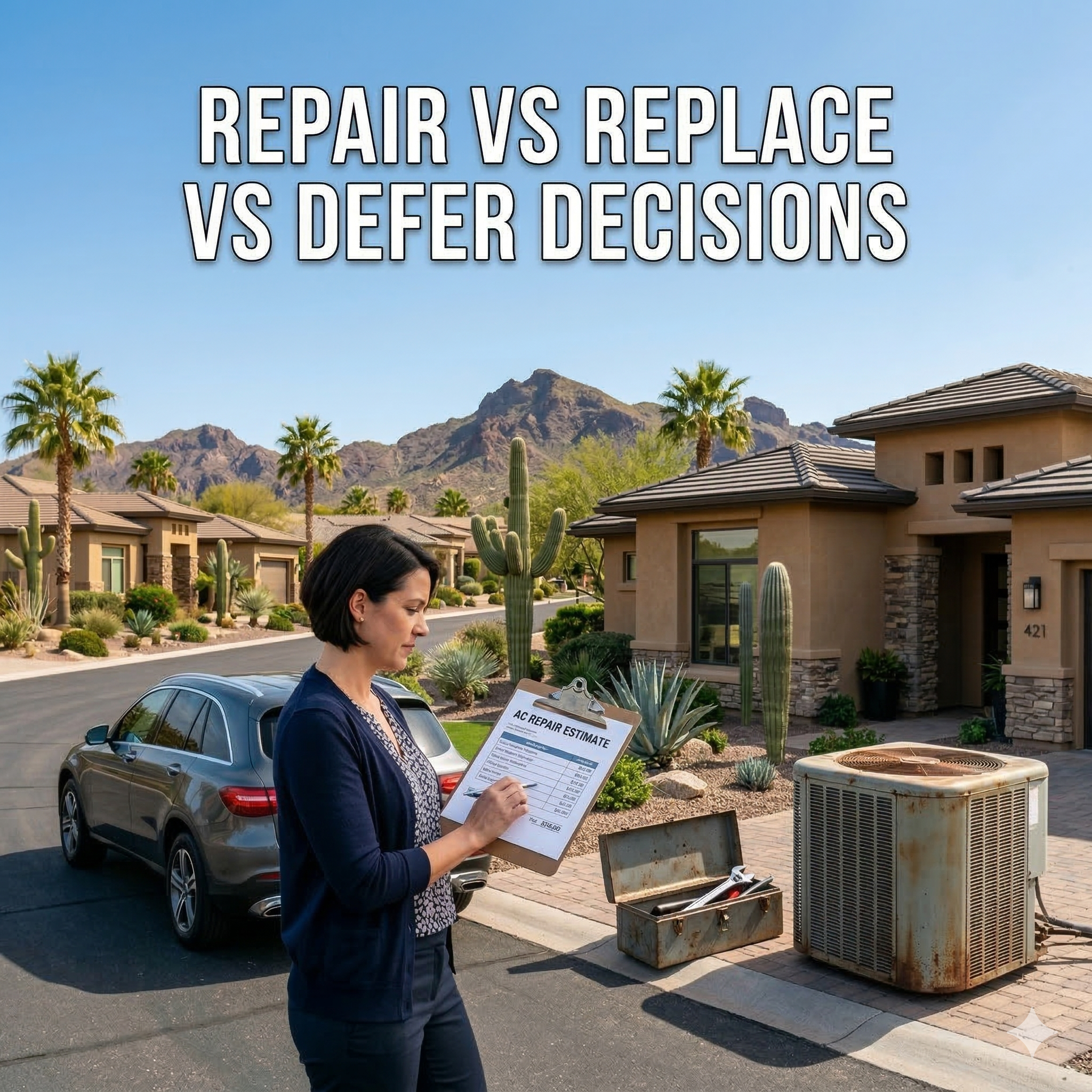
Repair vs Replace vs Defer Decisions
-

Planning Homeownership Like a Long-Term Asset
-

What Home Expenses You Can Safely Delay
-

Stopping Cost Creep Early
-

Cash Flow vs Net Worth Stress
-
Why “It’s Not That Much” Adds Up
-

Warning Signs Your Ownership Budget Is Tightening
-

The Cumulative Cost of Small Home Repairs
-

Designing Budgets Around Local Conditions
-
Utility Costs Over Time in Desert Climates
-

Insurance Increases Explained for Arizona Homeowners
-
How Inflation Impacts Phoenix Homeownership Costs
-

Avoiding Debt-Driven Homeownership Decisions
-

Replacing Systems on Your Timeline
-

Why Emergency Repairs Cost More
-

Timing Major Expenses Without Financial Shock
-
How Much to Keep in a Phoenix Home Reserve Fund