


Phoenix Lifestyle Guide → [Phoenix Lifestyle Guide] & For more info on Phoenix Real Estate → [Phoenix Real Estate Guide]
Written by: Renee Burke
Phoenix’s real estate market has settled into a more balanced rhythm as we move through early 2026, offering opportunities for both thoughtful buyers and strategic sellers. After the intensity of recent years, we’re seeing stabilizing inventory, steady demand from local workforce growth, and a return to negotiation power that feels refreshing after so long.
Current Market Snapshot
As of February 2026, the typical Phoenix home value sits around $402,000, reflecting a modest 4% dip from last year—mostly in mid-range segments under $1 million. Closed sales are up from 2023 lows, with pending contracts nearing seasonal norms, thanks to mortgage rates holding steady in the low 6% range. Inventory has grown (active listings higher year-over-year), but not dramatically—supply is rising more slowly now, keeping things from tipping into a buyer’s flood.
Sales success varies: larger central areas like Scottsdale and Arcadia hold strong, while outer-ring spots and condos soften further due to HOA costs and buyer preferences for single-family space. Luxury above $3 million remains resilient, buoyed by international buyers and stock market confidence rather than rates.
Key Drivers Shaping 2026
Phoenix’s economy provides a solid foundation—semiconductors, healthcare, and advanced manufacturing draw young professionals with competitive wages, fueling migration from California, the Midwest, and beyond. Population now tops 5.2 million, concentrated in Pinal County and the West Valley where development thrives.
The “lock-in effect” persists: 80% of homeowners enjoy sub-5% rates, limiting resale supply. New construction slows due to labor shortages and costs, but resale is gaining ground as prices soften and buyers weigh incentives. Concessions are back—over half of sub-$600k deals include them, from builder buydowns to closing credits.
Data-savvy buyers dominate, researching schools, HOAs, and rentals deeply; sellers succeed with sharp pricing and staging.
Buyer Opportunities
This is a patient’s market—more choices mean leverage on price (2-3% softening under $1M, up to 15% off peaks in some mid-tier neighborhoods) and terms. Stable rates rebuild confidence; focus on resale for value or new builds for incentives. West Valley and Pinal growth areas offer fresh inventory; central spots reward quick, informed moves.
Seller Strategies
Price realistically—overpriced homes linger as inventory builds. Highlight desert-ready features: shade, pools, energy efficiency. Luxury shines with excellence; investors need property management for absentee ownership. Spring (March-May) ramps up with snowbirds; prep now for peak visibility.
Neighborhood Spotlights
- Scottsdale/Paradise Valley: Luxury resilient, low inventory.
- Arcadia/Encanto: Established appeal, steady demand.
- West Valley (Peoria/Surprise): New builds, job-driven growth.
- Queen Creek/Gilbert: Family migration, balanced supply.
Looking Ahead
Short-term wildcards: rates, elections, consumer sentiment. Long-term: no 2008 repeat—job/wage growth prevents foreclosures, supply stays tight. Expect gradual recovery, not boom—perfect for aligned moves.
If you’re thinking about making a move in the Phoenix metro area, you don’t have to figure it out alone. I’m here with the latest data and local insight to guide you through this balanced market—whether buying, selling, or investing. Reach out with your questions; we’ll craft a plan that fits your timing and goals perfectly.
Get the full Phoenix Market Insights → [Market Insights]


-

Separating Lifestyle Spending From Homeownership Costs
-
How Usage Changes Monthly Ownership Costs
-
Planning Around Utility Cost Volatility
-
Why Variable Expenses Drive Most Budget Stress
-
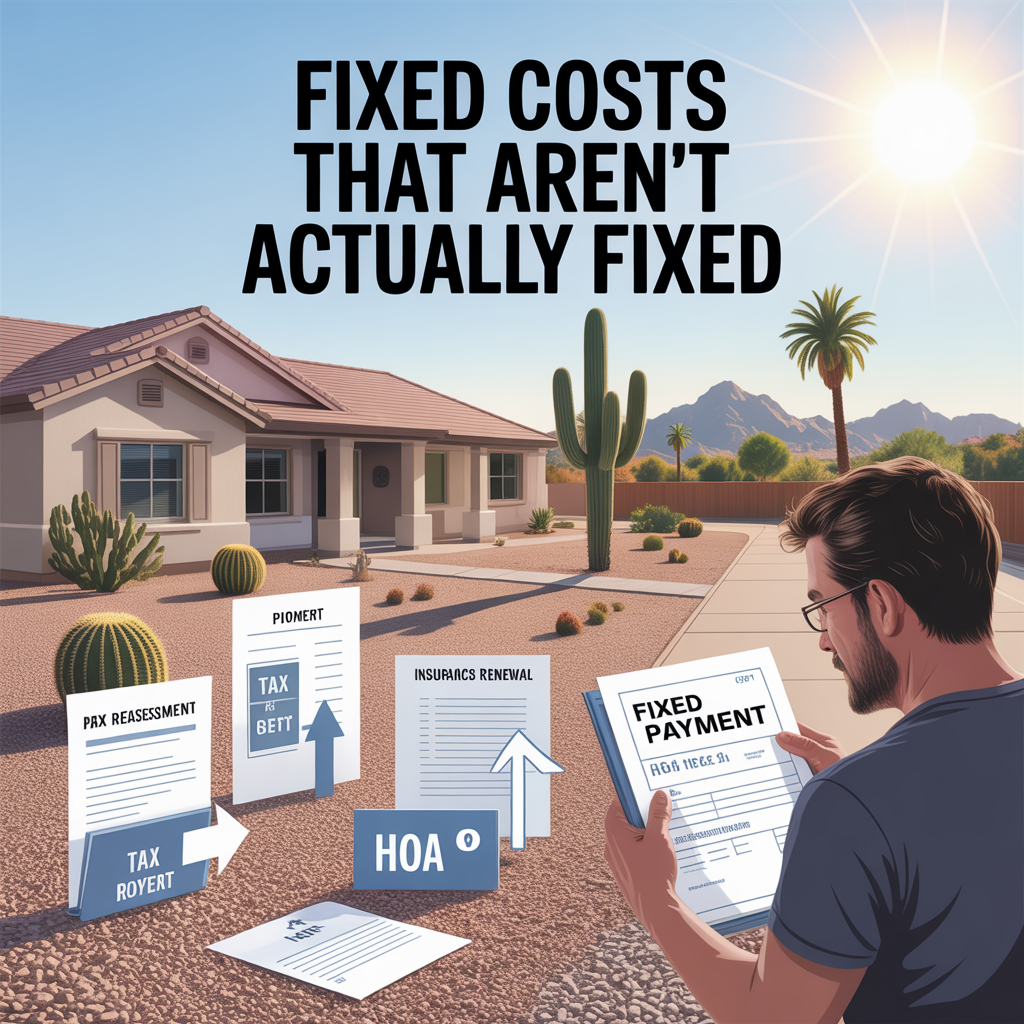
Fixed Costs That Aren’t Actually Fixed
-
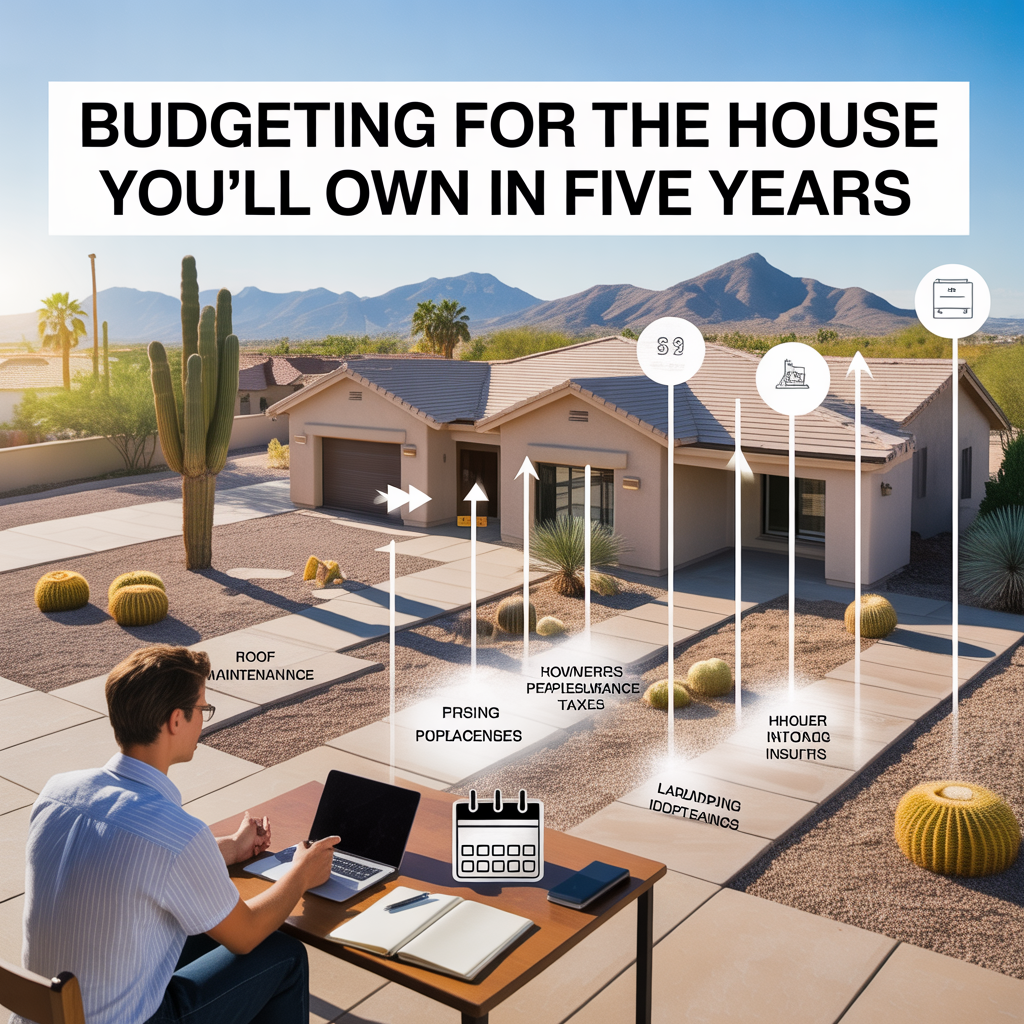
Budgeting for the House You’ll Own in Five Years
-

Why Ownership Cash Flow Feels Tighter Over Time
-
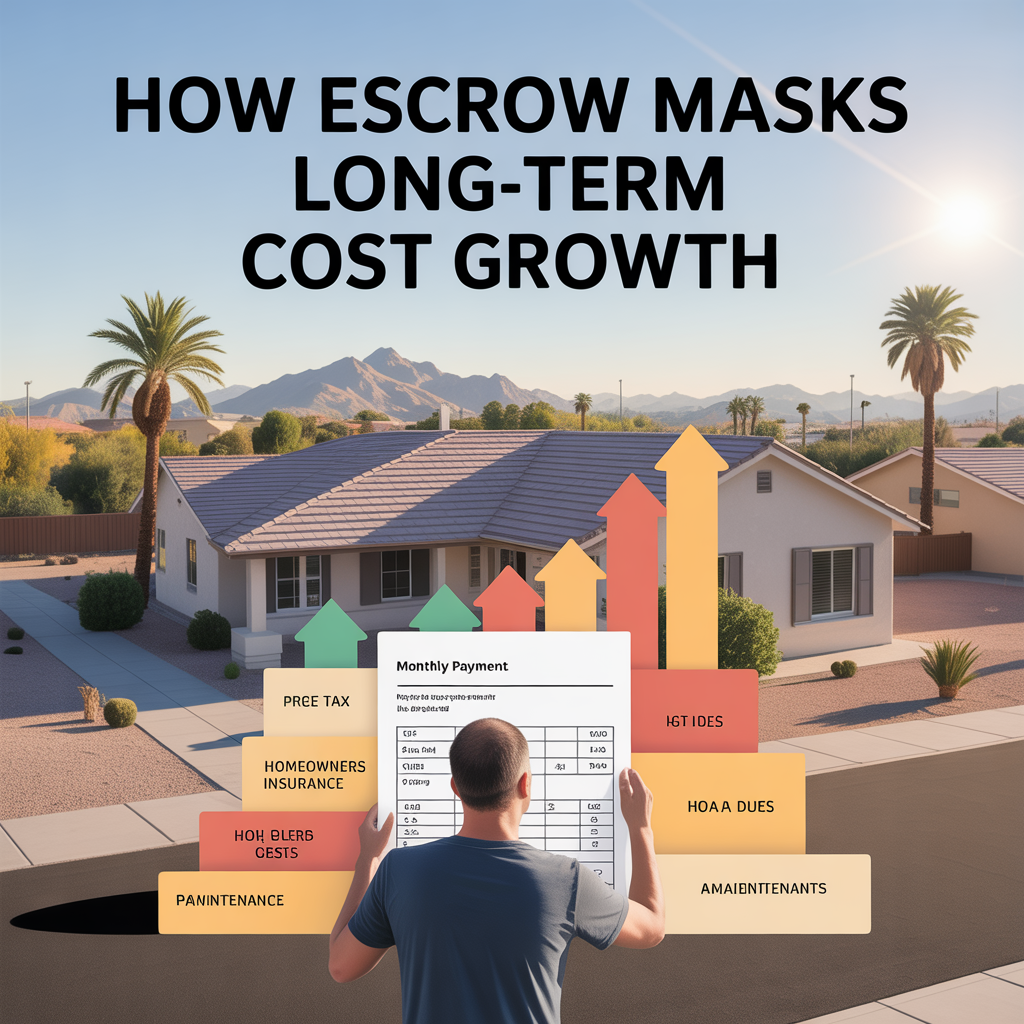
How Escrow Masks Long-Term Cost Growth
-

Why Your Mortgage Payment Isn’t Your True Housing Cost
-

Cross-Valley Trips: When They Feel Easy vs Heavy
-

Remote-Work Friendly Pockets in Glendale
-

School-Run Congestion Zones and Timing
-

Arterial Routing and “Daily Loop” Efficiency
-

State Farm Stadium and it’s Effect on Life and Property Value
-

Freeway Access as a Lifestyle Multiplier in Glendale
-

Event-Night Traffic Impacts and Avoidance Strategies
-

Weekday Commute Direction Tradeoffs From Glendale
-

Season Shifts in Outdoor Time in Glendale
-

Shade, Tree Cover, and Neighborhood Comfort
-

Dog and Kid Friendly Outdoor Routines
-

Trail Access That Feels Routine-Friendly
-

Sports Parks and Family Recreation Patterns
-
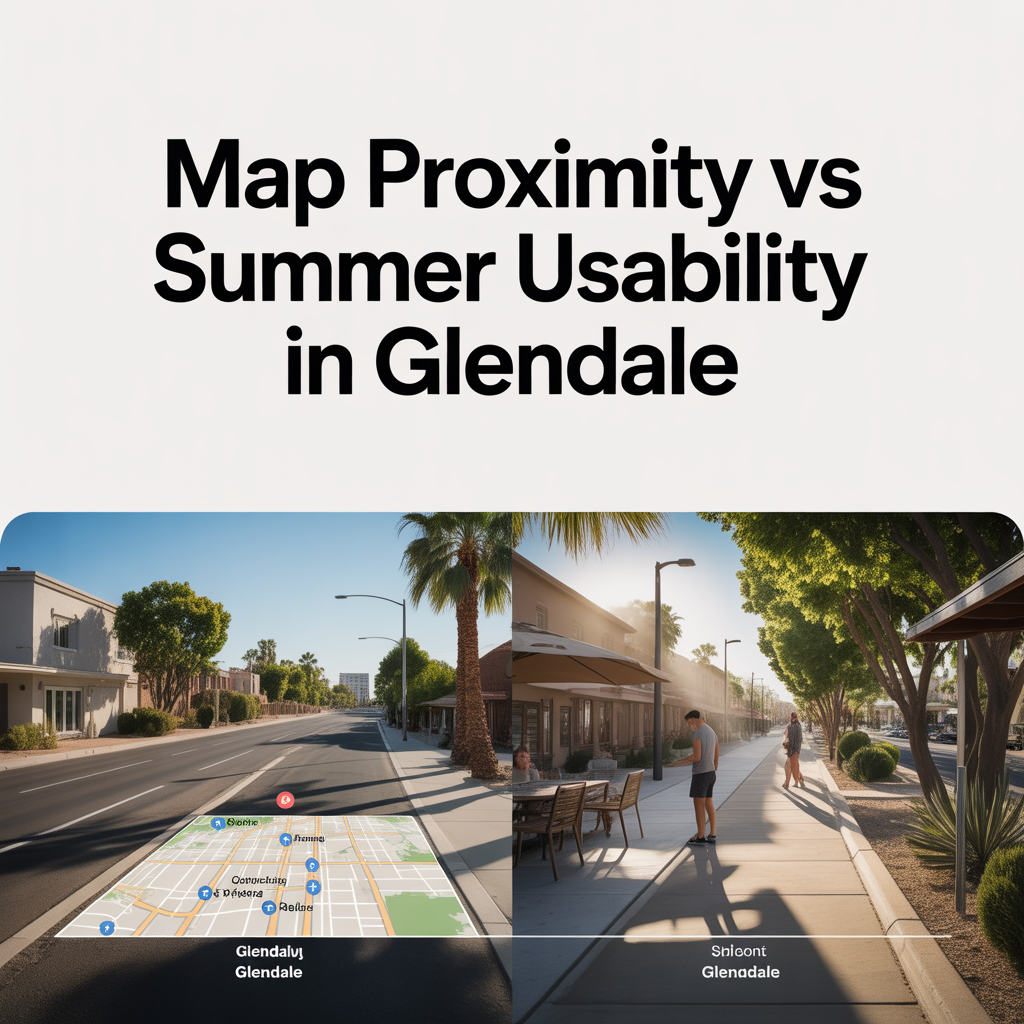
Map Proximity vs Summer Usability in Glendale
-

Daily-Use Parks vs Weekend Outdoor Trips
-

Top 10 “Date Night Out” Spots in Glendale