


Phoenix Lifestyle Guide → [Phoenix Lifestyle Guide] & For more info on Phoenix Real Estate → [Phoenix Real Estate Guide]
Written by: Renee Burke
Phoenix’s real estate market has settled into a more balanced rhythm as we move through early 2026, offering opportunities for both thoughtful buyers and strategic sellers. After the intensity of recent years, we’re seeing stabilizing inventory, steady demand from local workforce growth, and a return to negotiation power that feels refreshing after so long.
Current Market Snapshot
As of February 2026, the typical Phoenix home value sits around $402,000, reflecting a modest 4% dip from last year—mostly in mid-range segments under $1 million. Closed sales are up from 2023 lows, with pending contracts nearing seasonal norms, thanks to mortgage rates holding steady in the low 6% range. Inventory has grown (active listings higher year-over-year), but not dramatically—supply is rising more slowly now, keeping things from tipping into a buyer’s flood.
Sales success varies: larger central areas like Scottsdale and Arcadia hold strong, while outer-ring spots and condos soften further due to HOA costs and buyer preferences for single-family space. Luxury above $3 million remains resilient, buoyed by international buyers and stock market confidence rather than rates.
Key Drivers Shaping 2026
Phoenix’s economy provides a solid foundation—semiconductors, healthcare, and advanced manufacturing draw young professionals with competitive wages, fueling migration from California, the Midwest, and beyond. Population now tops 5.2 million, concentrated in Pinal County and the West Valley where development thrives.
The “lock-in effect” persists: 80% of homeowners enjoy sub-5% rates, limiting resale supply. New construction slows due to labor shortages and costs, but resale is gaining ground as prices soften and buyers weigh incentives. Concessions are back—over half of sub-$600k deals include them, from builder buydowns to closing credits.
Data-savvy buyers dominate, researching schools, HOAs, and rentals deeply; sellers succeed with sharp pricing and staging.
Buyer Opportunities
This is a patient’s market—more choices mean leverage on price (2-3% softening under $1M, up to 15% off peaks in some mid-tier neighborhoods) and terms. Stable rates rebuild confidence; focus on resale for value or new builds for incentives. West Valley and Pinal growth areas offer fresh inventory; central spots reward quick, informed moves.
Seller Strategies
Price realistically—overpriced homes linger as inventory builds. Highlight desert-ready features: shade, pools, energy efficiency. Luxury shines with excellence; investors need property management for absentee ownership. Spring (March-May) ramps up with snowbirds; prep now for peak visibility.
Neighborhood Spotlights
- Scottsdale/Paradise Valley: Luxury resilient, low inventory.
- Arcadia/Encanto: Established appeal, steady demand.
- West Valley (Peoria/Surprise): New builds, job-driven growth.
- Queen Creek/Gilbert: Family migration, balanced supply.
Looking Ahead
Short-term wildcards: rates, elections, consumer sentiment. Long-term: no 2008 repeat—job/wage growth prevents foreclosures, supply stays tight. Expect gradual recovery, not boom—perfect for aligned moves.
If you’re thinking about making a move in the Phoenix metro area, you don’t have to figure it out alone. I’m here with the latest data and local insight to guide you through this balanced market—whether buying, selling, or investing. Reach out with your questions; we’ll craft a plan that fits your timing and goals perfectly.
Get the full Phoenix Market Insights → [Market Insights]


-

Shade Coverage and Tree Canopy Differences by Corridor
-

Summer Walkability Reality Near ASU and Mill Avenue
-

Choosing Proximity Based on Personality and Routine
-

How Tempe Town Lake Changes Social Routines
-

Family-Friendly Lake Events vs Adult Nightlife Patterns
-

Parking Structures and Rideshare Realities on Peak Nights
-
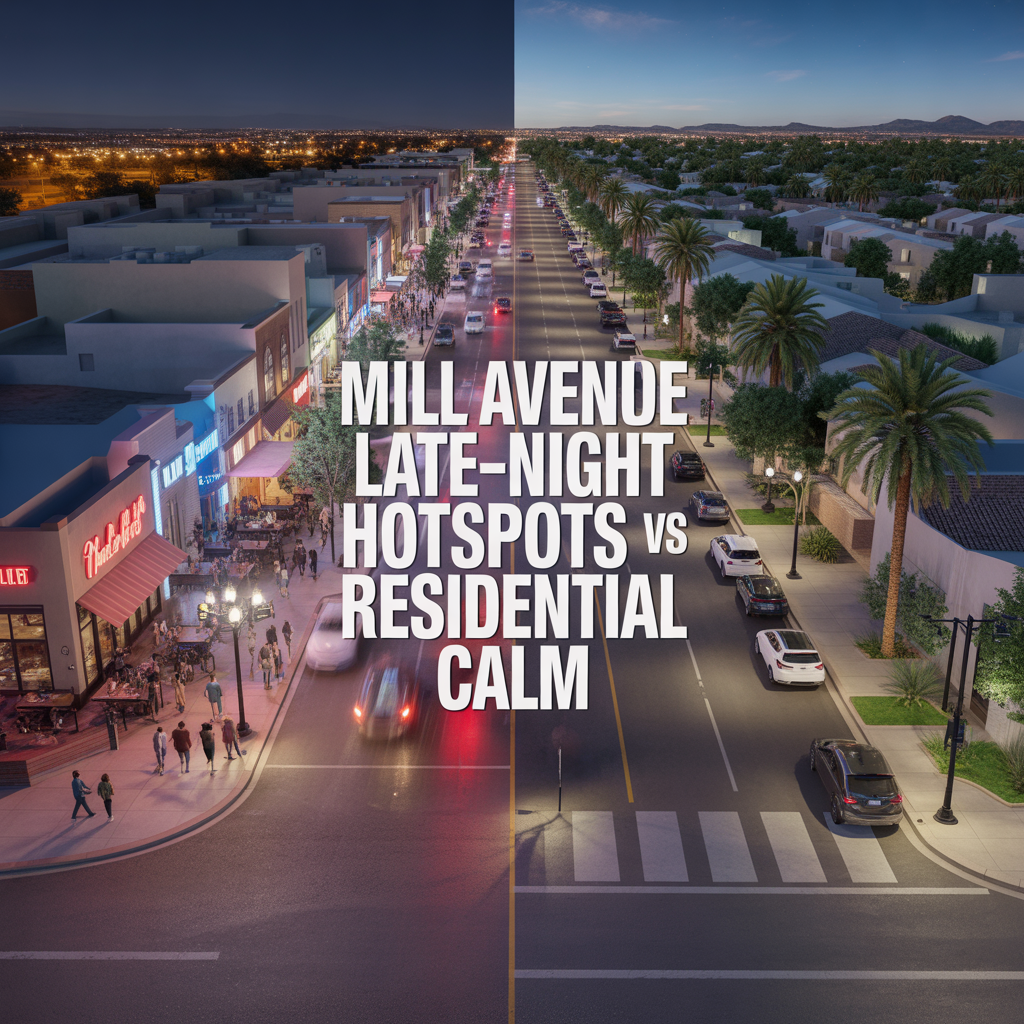
Mill Avenue Late-Night Hotspots vs Residential Calm
-

ASU Game Days and Event Calendar Impacts
-

Cross-Valley Trip Efficiency From Tempe
-

Micro-Mobility and Bike Utility by Corridor
-

Park-And-Ride, Game Day, and Event Access Patterns
-

Airport Timing Strategy Around ASU and Rush Hour Traffic
-

Light Rail Use Cases That Actually Improve Daily Life
-

Freeway vs Arterial Routing During Peak Windows
-

Real-World Drive Times to Sky Harbor From Different Tempe Pockets
-

How Traffic and Commute Direction Affect Daily Life in North vs South Tempe
-

Bike Paths, Walkability, and Short-Distance Transportation in Tempe
-

Driving Access From Tempe to Phoenix Sky Harbor Airport
-

Light Rail Access Between Tempe, Downtown Phoenix, and Mesa
-

Major Tempe Arterial Roads Including Rural Road, McClintock Drive, and Baseline Road
-

ASU Traffic Patterns and Peak Congestion Near Campus
-

Typical Commute Times From Tempe to Phoenix, Scottsdale, and Chandler
-

Tempe Freeway Access to US-60, Loop 101, and Loop 202
-

Shade, Tree Coverage, and Summer Outdoor Usability in Tempe
-

Outdoor Recreation Near Downtown Tempe and ASU