


Phoenix Lifestyle Guide → [Phoenix Lifestyle Guide] & For more info on Phoenix Real Estate → [Phoenix Real Estate Guide]
Written by: Renee Burke
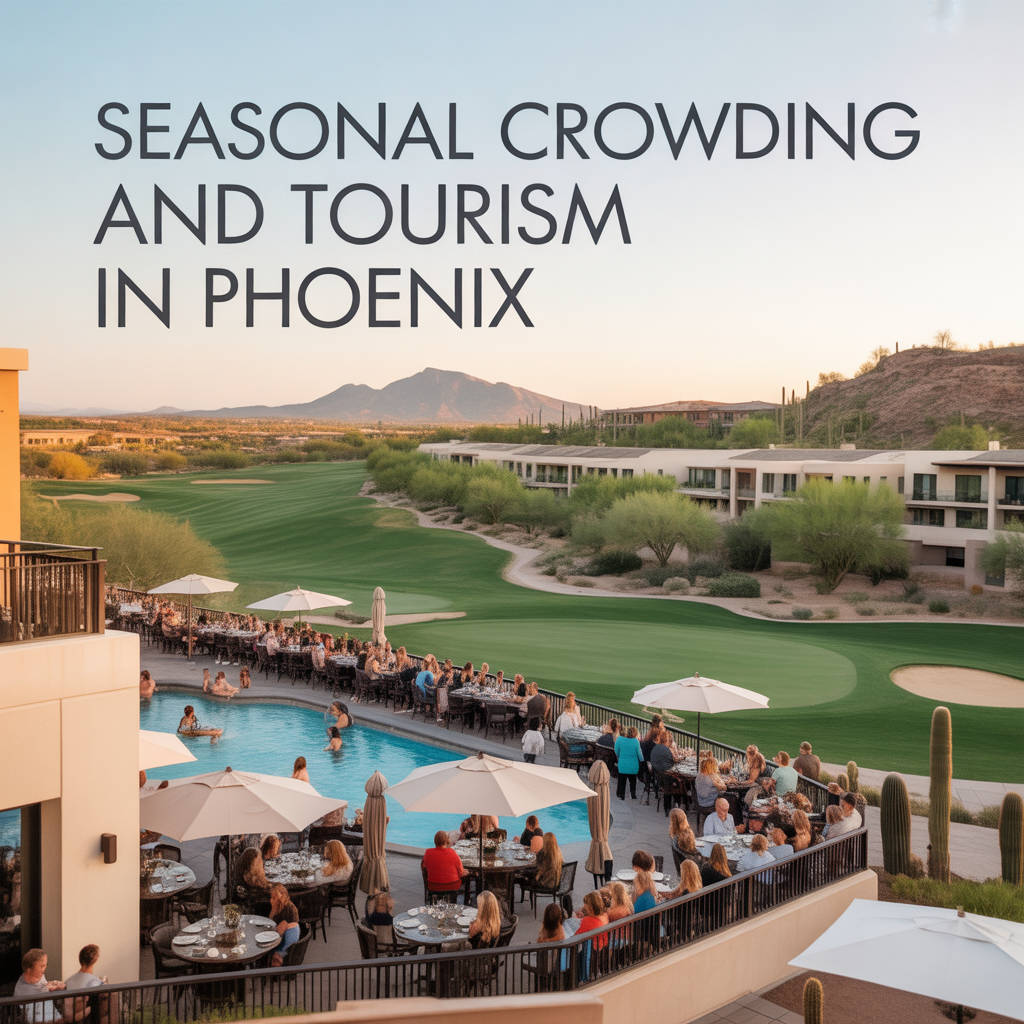
Life in Phoenix has its own rhythm, and you feel it most clearly in how our city fills up and quiets down with the seasons. Seasonal crowding and tourism aren’t just travel topics here—they affect traffic, restaurant waits, rental pricing, and even how certain neighborhoods feel at different times of year.
Phoenix’s True “High Season”
Our busiest stretch is late fall through early spring, when visitors and winter residents come to escape snow and icy roads back home. From roughly November through April, the Valley feels noticeably fuller—more out-of-state plates, more people on the trails, more activity everywhere from Old Town Scottsdale to downtown Phoenix.
A huge part of this surge comes from “snowbirds”—seasonal residents, often retirees, who stay several months at a time. Estimates suggest the Phoenix metro area welcomes around 300,000 to 400,000 snowbirds each winter, with that number climbing higher when winters are especially harsh in the Midwest and Canada. They usually arrive in late fall and head home by April, filling condos, RV parks, golf communities, and age-restricted neighborhoods across the Valley.
How Crowding Feels Day to Day
During our high season, you’ll notice:
- Busier roads, particularly near popular resort areas, major arterials, and freeways leading to Scottsdale, Mesa, and the West Valley.
- Longer waits at restaurants—especially patio dining—plus fuller golf courses and more booked-up hiking trail parking lots from about January through March.
- Stronger demand for short-term rentals and seasonal leases, which can drive up winter rental rates in areas popular with visitors.
Events layer onto this: Cactus League spring training, golf tournaments, car auctions, and festivals all add another wave of visitors who may come for just a few days but further intensify crowding in certain pockets of the metro.
If you live or own property here, this is the season when you feel Phoenix’s “big city” side most clearly—vibrant, busy, and fully awake.
Spring and Event Season
March and early April are often considered the sweet spot for both weather and activity—beautiful temperatures, blooming desert landscapes, and a full calendar of events. That combination makes these weeks some of the most heavily visited of the entire year.
You’ll see:
- Packed hotel corridors and resorts, especially near Scottsdale, Tempe, and the East Valley.
- Very strong competition for restaurant reservations and tee times.
- Trails and outdoor attractions at their busiest, particularly on weekends and during spring break windows.
For homeowners, this is a prime time for short-term rental income and strong listing activity, but it can also mean navigating heavier traffic and planning errands and outings with a bit more intention.
The Quiet Heat of Summer
Then, almost like a switch, summer comes—and with it, a very different feel. From June through August, tourism drops sharply as temperatures soar into triple digits and stay there. Some travelers still come, but many casual visitors choose beaches or mountains instead.
That shift brings:
- Noticeably fewer visitors at museums, attractions, and many in-town restaurants.
- Lower hotel occupancy and significantly discounted room rates—often 30–50% below peak-season pricing.
- A calmer feel overall, especially in neighborhoods that see a lot of winter-only residents.
For locals, summer can feel like the Valley exhales: parking is easier, restaurant reservations open up, and the areas that were bustling all winter feel more spacious again. Many year-round residents learn to shift activities to early mornings and evenings to work with the heat instead of fighting it.
Fall: The Slow Build Back Up
As temperatures ease in late September and October, the city slowly repopulates. Fall brings back festivals, the state fair, outdoor dining, and the early arrivals of winter visitors getting a head start on the season.
Crowding in fall is gentler—busier than summer but not yet at winter’s peak. It’s a popular time for:
- Homebuyers coming in for exploratory trips and long-weekend visits.
- Travelers who like warm but not hot weather and prefer to beat the snowbird rush.
This is often when people first start imagining, “Could we live here someday?” and begin paying closer attention to how the city moves through its seasonal patterns.
What This Means If You Live or Buy Here
If you’re thinking about Phoenix as a long-term home, seasonal tourism and crowding aren’t just curiosities—they’re part of your quality of life and your real estate strategy.
A few practical implications:
- Neighborhood feel can change by season. Communities with lots of winter visitors may be quieter in summer and much busier in winter, while more local-focused neighborhoods stay steady year-round.
- Rental and Airbnb dynamics are highly seasonal. Winter months often command top dollar, while summer can mean slower bookings but potential for long-term leases at more approachable rates.
- Daily routines shift with the calendar. In winter, you may plan around event traffic and visitor-heavy areas; in summer, you plan around heat and take advantage of lighter crowds.
Understanding these rhythms helps you choose not just the right home, but the right pocket of the Valley and the right timing for your move.
A Warm Invitation to Talk It Through
If you’re feeling excited about Phoenix but also a little unsure how these seasonal waves might affect your day-to-day life, you’re not alone. It’s a lot to take in from the outside, and so much of it only becomes clear when you talk to someone who lives it, year after year.
If you’re thinking about making a move in Phoenix, you don’t have to figure it out alone. I’m here to walk you through how crowding, tourism, and seasonality intersect with the neighborhoods and lifestyles you’re considering—calmly, honestly, and at your pace. When you’re ready, reach out with your questions, big or small, and we’ll start mapping out a plan that feels good not just on a spreadsheet, but in real life, season after season.
Get the full Phoenix Market Insights → [Market Insights]


-
Cost of Living in Rhode Island: Housing, Taxes, Utilities, and Everyday Expenses
-

What If My Commute Becomes Worse Than Expected?
-

How Aging Home Systems Affect Property Value
-

Energy Efficiency Upgrades for Phoenix Homes
-
How to Plan for Major Home System Replacements
-

When Phoenix Homeowners Should Replace Water Heaters
-

Repair vs Replace Decisions for Phoenix HVAC Systems
-
Creating a Long-Term Home Maintenance Plan
-

How Often Phoenix Homes Should Be Professionally Inspected
-
Early Warning Signs of Major Home System Failures
-

How Preventative Maintenance Protects Phoenix Property Value
-

The Best Annual Home Maintenance Plan for Phoenix Homes
-

Electrical Safety Inspections for Older Phoenix Homes
-

Why Whole-Home Surge Protection Matters in Arizona
-

Preparing a Phoenix Home for Electric Vehicle Charging
-

Signs Your Home’s Electrical System Is Overloaded
-

When Phoenix Homes Need Electrical Panel Upgrades
-

Water Pressure Problems in Phoenix Homes Explained
-

Preventing Irrigation Leaks That Waste Water in Desert Landscapes
-

Signs of Hidden Plumbing Leaks in Phoenix Houses
-

How Long Water Heaters Last in Arizona Homes
-

How Hard Water Affects Plumbing Systems in Phoenix Homes
-

Preventing Water Damage in Phoenix Homes During Storms
-

Roof Maintenance Tips Before Phoenix Monsoon Season
-

How Arizona Sun Damages Roofing Materials Over Time