



Phoenix Lifestyle Guide → [Phoenix Lifestyle Guide] & For more info on Phoenix Real Estate → [Phoenix Real Estate Guide]
Written by: Renee Burke
Arizona’s real estate rhythms follow the sun and the seasons in ways that feel as natural as our monsoon evenings or crisp winter mornings. Here in the Valley, winter snowbirds spark early listings, spring brings family moves before summer heat, and fall offers a second wave for those who prefer quieter showings. It’s less chaotic than years past, but these patterns still shape opportunities across Glendale, Peoria, and Scottsdale—if you know where to look.
I’ve guided families through every cycle, watching how timing aligns with school calendars, relocations, and our relentless sunshine. As we settle into 2026’s balanced market, understanding these ebbs and flows helps you move with confidence, not against the tide.
Winter: Snowbird Surge (November–February)
Winter wakes the Valley gently. Snowbirds from Canada and the Midwest flock back, eyeing second homes or permanent spots near Arrowhead’s shops or Lake Pleasant’s shores. New listings dip post-holidays but rebound by mid-January—sellers targeting this out-of-state demand price firmly, especially luxury in North Scottsdale or Paradise Valley.
Buyers find leverage on family homes in Peoria or Surprise: fewer locals compete, days on market stretch to 70-80, and concessions like rate buydowns flow freely. Demand picks up for turnkey properties—updated kitchens, pools ready for escapees. It’s prime for retirees or relos, less so for rushed school-year swaps.
Spring: Peak Momentum (March–May)
Spring hums with energy—our market’s sweet spot. Families time moves before June graduations; new listings flood Gilbert’s San Tan Ranch and Chandler’s Fulton Ranch, peaking supply around April. Showings spike, multiple offers return on well-priced under-$700K homes near top Peoria Unified schools.
Prices firm up 2-3% from winter, DOM drops to 40-50 days. East Valley holds hottest—proximity to 202 freeway draws bids. Buyers hustle here: inspections tighten, but equity-rich move-ups snag value. Sellers shine if staged for outdoor living—patios pop under blooming desert skies.
Summer: Heat-Driven Balance (June–August)
Summer slows the pace, but deals simmer. Heat chases locals indoors, new listings ease after spring frenzy, stretching inventory in West Valley like Glendale’s stadium districts or Buckeye’s new builds. DOM climbs to 75-90 days; buyers negotiate boldly—closing credits, repairs, even furniture packages.
Investors and job-relocating TSMC hires keep pendings steady, favoring affordability plays south of Bell Road. Luxury Scottsdale softens least—cash buyers ignore 110° temps for Silverleaf estates. It’s buyer-friendly for patient shoppers, a staging window for sellers prepping big updates.
Fall: Second-Harvest Opportunity (September–October)
Monsoons clear, kids settle into school—fall feels like renewal. Inventory rebounds modestly as summer holdouts list; demand builds from empty nesters eyeing Vistancia trails or Arcadia charmers. DOM hovers 55-65 days, prices stabilize post-spring peaks.
West Valley gains traction—Arrowhead’s cooler evenings lure stadium fans. Less competition than spring means smoother escrows, especially condos or townhomes near Loop 101. Sellers who missed summer capitalize; buyers snag pre-winter deals before snowbird rush.
Holiday Quiet (November–December)
Listings taper as families prioritize turkeys and tinsel—our slowest stretch. Actives hold low, but motivated sellers price aggressively for year-end closes. Cash-heavy relos or downsizers quietly scoop Glendale ranches or South Tempe updates.
DOM peaks at 80-100 days metro-wide. It’s negotiation gold for buyers, though showings drop. Luxury winter demand bucks the trend—Paradise Valley estates move on golf-course allure.
What Shifts the Seasons Now
2026’s balance amplifies patterns: 3-4 months inventory gives spring urgency without frenzy; mid-6% rates favor winter concessions. New construction in Queen Creek and Buckeye smooths summer lulls; job growth sustains fall momentum. Snowbirds still drive winter, but millennials and Gen Z chase year-round outdoor access—trails, parks, P83 vibes.
Timing Tips for Buyers
- Winter/spring: Act fast on family pockets; leverage out-of-towner slowdowns.
- Summer/fall: Negotiate hard—heat and school starts hand you terms.
- Prep financing early; refi later if rates ease.
Timing Tips for Sellers
- Spring peak: List January for max exposure.
- Summer/fall: Price sharp, stage cool—pool features shine.
- Avoid holidays unless priced to move.
Busting Seasonal Myths
“Spring always wins?” Personal timing trumps—summer suits relos. “Summer’s dead?” Steady deals flow for prepared players. “Winter only for luxury?” Family homes negotiate best then.
Arizona rewards alignment over chasing peaks.
Seasons as Your Guide
Arizona’s real estate flows with our light and heat—from winter’s warm welcome to spring’s buzz—creating windows for every life stage. In 2026’s steady rhythm, timing feels empowering, not overwhelming.
Glendale’s energy, Peoria’s calm, Scottsdale’s glow—each season highlights the Valley’s pull.
Let’s Time It Right Together
If you’re thinking about making a move in Arizona—or mapping seasons to your plans—you don’t have to figure it out alone.
I’ve timed countless Valley transitions around school starts, snowbird waves, and summer lulls, knowing how Phoenix truly moves. Whether plotting spring or pondering winter, I’m here as your thoughtful guide.
Reach out anytime. Arizona homes deserve perfect timing, trusted insight, and heart—let’s sync yours perfectly.
Get the full Phoenix Market Insights → [Market Insights]


-

Separating Lifestyle Spending From Homeownership Costs
-
How Usage Changes Monthly Ownership Costs
-
Planning Around Utility Cost Volatility
-
Why Variable Expenses Drive Most Budget Stress
-

Fixed Costs That Aren’t Actually Fixed
-
Budgeting for the House You’ll Own in Five Years
-

Why Ownership Cash Flow Feels Tighter Over Time
-
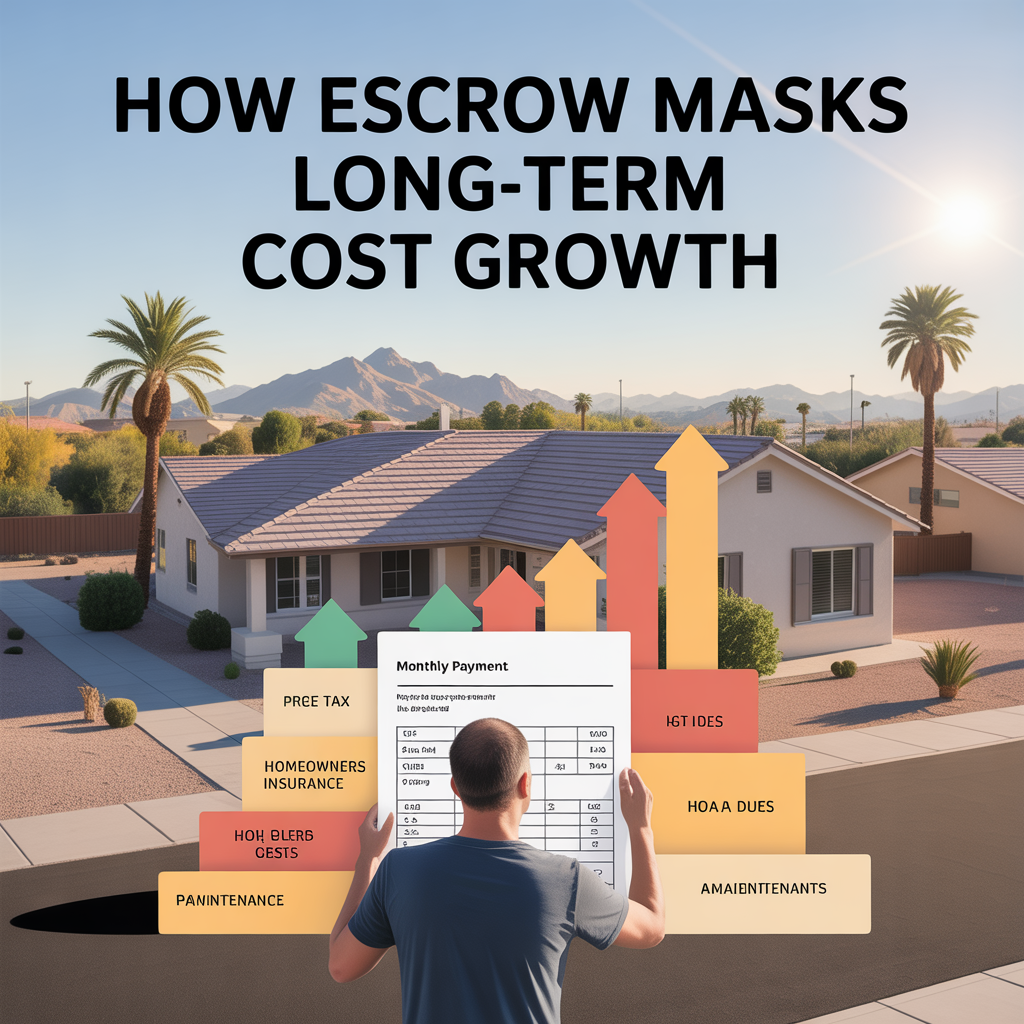
How Escrow Masks Long-Term Cost Growth
-

Why Your Mortgage Payment Isn’t Your True Housing Cost
-

Cross-Valley Trips: When They Feel Easy vs Heavy
-

Remote-Work Friendly Pockets in Glendale
-

School-Run Congestion Zones and Timing
-

Arterial Routing and “Daily Loop” Efficiency
-

State Farm Stadium and it’s Effect on Life and Property Value
-

Freeway Access as a Lifestyle Multiplier in Glendale
-

Event-Night Traffic Impacts and Avoidance Strategies
-

Weekday Commute Direction Tradeoffs From Glendale
-
Season Shifts in Outdoor Time in Glendale
-

Shade, Tree Cover, and Neighborhood Comfort
-

Dog and Kid Friendly Outdoor Routines
-

Trail Access That Feels Routine-Friendly
-
Sports Parks and Family Recreation Patterns
-
Map Proximity vs Summer Usability in Glendale
-

Daily-Use Parks vs Weekend Outdoor Trips
-

Top 10 “Date Night Out” Spots in Glendale