


Phoenix Lifestyle Guide → [Phoenix Lifestyle Guide] & For more info on Phoenix Real Estate → [Phoenix Real Estate Guide]
Written by: Renee Burke
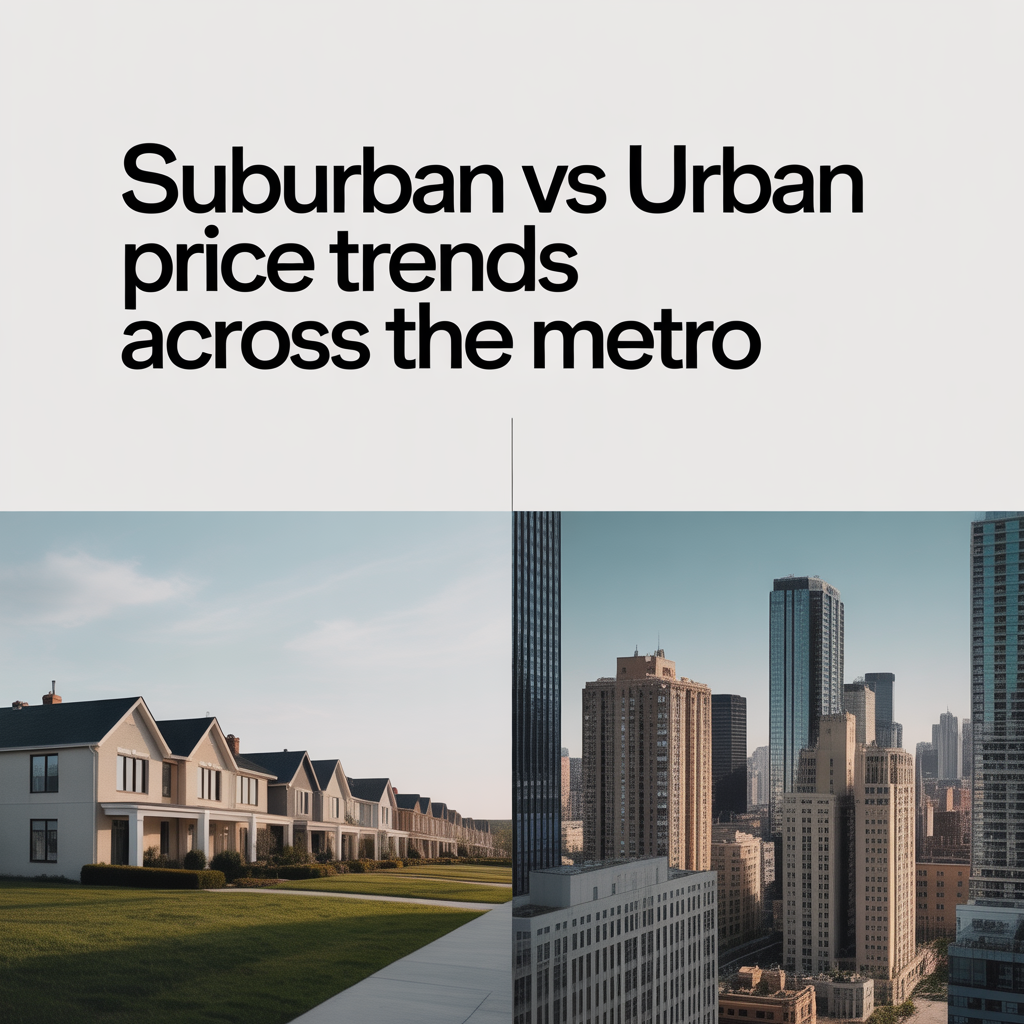
Phoenix real estate tells two distinct stories depending on whether you’re drawn to the hum of urban energy or the quiet rhythm of suburban streets. Over the past few years, urban core areas like central Phoenix and Tempe have seen more measured growth, while suburbs like Gilbert and Queen Creek have often outpaced them in price appreciation. It’s a reflection of how families prioritize space and schools, even as city dwellers chase walkability and revitalized neighborhoods.
Let’s break it down by trends, key areas, and what it means for your next move—drawing from the Valley’s own patterns.
Urban Core: Steady, With Urban Appeal
Central Phoenix and Tempe represent the metro’s urban heart—think downtown lofts, Mill Avenue vibrancy, and easy access to light rail, employers, and nightlife. Median prices here hover around $400,000-$450,000 in early 2026, down slightly from pandemic highs.
These areas softened more during the 2023-2025 cooldown—about 5-8% off peaks—because condos and townhomes faced stiffer competition from suburban single-family homes offering similar square footage for comparable dollars. Tempe’s cost of living edges above Phoenix proper at roughly $56,600 annually, driven by proximity to ASU and demand from young professionals and investors. Yet, urban spots rebound steadily; inventory is tighter for well-priced fixers or modernized historic homes near Roosevelt Row.
The appeal? Lifestyle without long commutes. Prices have grown about 60-70% over the last decade, but recent trends favor buyers negotiating in a market with 4-5 months of supply.
Suburban Powerhouses: Family-Driven Gains
Suburbs dominate Phoenix’s price growth narrative, especially in the East and Southeast Valleys where schools, parks, and master-planned communities pull families. Gilbert medians sit at $550,000-$600,000, with annual living costs around $63,000—higher than urban Phoenix but backed by $121,000 median incomes. Chandler and Queen Creek follow closely, at $500,000+ and $550,000 respectively, showing 2-4% yearly gains even amid corrections.
West Valley suburbs like Peoria and Glendale offer entry points around $350,000-$450,000, appealing to first-timers with more inventory (5+ months supply) and milder dips of 5-10% from peaks. Farther out, San Tan Valley ($417,000) and Maricopa ($358,000) blend affordability with booming job hubs like Lucid Motors, positioning them for 2026 surges.
Suburbs have appreciated 80-140% over 10 years in hot spots, outstripping urban cores by 20-30% cumulatively, thanks to new construction lags and migration from pricier states. [ from prior]
Head-to-Head Comparison
Here’s how urban vs. suburban trends stack up based on recent data:
Suburban prices climbed faster during the 2020-2022 boom (40-60% gains) but held firmer post-correction, while urban softened more due to condo oversupply.
Key Drivers Behind the Divide
Suburbs thrive on family fundamentals—top-rated schools in Gilbert, trails in Peoria, and jobs at Intel/Chandler. Urban areas draw singles and empty-nesters with culture and convenience, but higher density means more competition from rentals.
Rates at 6% keep “lock-in” strong everywhere, but suburbs benefit from new builds lagging demand. Outlying areas like Coolidge ($287K) signal future flips, potentially closing the affordability gap. Misconception: Suburbs always win. Truth: Urban revitalization (e.g., downtown Phoenix) offers lifestyle premiums that hold value long-term.
Navigating Trends as Buyer or Seller
Sellers in suburbs like Gilbert can price confidently for quick sales; urban listings need sharp staging to compete. Buyers, target West Valley for deals or East for appreciation. Expect 1-3% metro-wide growth in 2026 as inventory rises.
Phoenix’s urban-suburban dance reflects our sprawl-loving spirit—choose based on your daily joy, not just the numbers.
If you’re thinking about making a move in Phoenix, you don’t have to figure it out alone. Whether comparing urban buzz to suburban peace or plotting your best path forward, I’d be honored to guide you through the details. Let’s connect—your Valley home awaits.
Get the full Phoenix Market Insights → [Market Insights]


-

Designing Outdoor Living Spaces for Phoenix’s Unique Climate
-

How Pools and Shade Structures Change Backyard Living in Phoenix
-

Why Covered Patios Are One of the Most Valuable Features of Phoenix Homes
-

How Phoenix Homeowners Transform Their Outdoor Living Spaces Over Time
-

Ways Phoenix Homeowners Improve Indoor Comfort Over Time
-

How Long Cooling Seasons Influence Phoenix Home Design
-

How Phoenix Summer Heat Changes Daily Life Inside the Home
-

How Long-Term Homeowners Adjust Layouts to Fit Changing Needs
-

Converting Spare Bedrooms Into Home Offices in Phoenix Homes
-

How Life Stage Changes Affect the Way Phoenix Homes Are Used
-

When Homeowners Start Rethinking Space Inside Their Phoenix Home
-
How Phoenix Homes Adapt to Growing Families Over Time
-

How Local Parks, Restaurants, and Shops Shape Life in Phoenix Neighborhoods
-

Why Long-Term Residents Experience Neighborhoods Differently Than New Buyers
-

How Phoenix Communities Shape Everyday Life for Local Residents
-
Why Neighborhood Familiarity Improves Long-Term Home Satisfaction
-
How Living in a Phoenix Neighborhood Changes After Several Years
-
Why Desert Climate Living Changes Homeownership Expectations
-
Common Home Improvements That Make Phoenix Homes More Comfortable
-

How Extreme Summer Heat Changes the Way Phoenix Homes Are Used
-

Why Shade Structures and Covered Patios Matter for Phoenix Homes
-
Cost of Living in Phoenix: Housing, Utilities, and Everyday Expenses
-

The Best Neighborhoods in Phoenix for Lifestyle, Schools, and Value
-

Homes for Sale in Phoenix Under $650K: Where Buyers Are Still Finding Deals
-
Phoenix Housing Market Forecast: Will Home Prices Rise or Fall?