



Phoenix Lifestyle Guide → [Phoenix Lifestyle Guide] & For more info on Phoenix Real Estate → [Phoenix Real Estate Guide]
Written by: Renee Burke
Phoenix real estate stretches beautifully across budgets, offering everything from cozy starters to sprawling retreats — all shaped by our sunny valleys, mountain views, and easy living. I’ve guided buyers at every price point through this market, watching them find not just homes, but places that fit their lives like a well-worn pair of desert boots. Whether you’re saving for a foothold or ready for more space, let’s walk through what your dollars unlock right now in the Valley, neighborhood by neighborhood.
Around $400K: Entry Points with Solid Foundations
At $400,000, you’re stepping into single-family ownership in growing pockets where value meets practicality — think 1,500-1,800 sq ft, 3-bed, 2-bath homes built in the ‘90s or 2000s. West Valley shines here: Laveen offers block construction with backyard space for a pool or play area, often under 40 minutes to Sky Harbor. South Goodyear or El Mirage deliver newer builds with garages for toys and low HOAs around $75/month.
Expect fresh paint, updated flooring, and efficient AC units sized for our heat — no fixer-uppers unless you seek them. Maryvale or Westwood in West Phoenix provide charming ‘60s ranchers near parks and shopping, with citrus trees shading the driveways. These aren’t cookie-cutter; they’re established enough for roots but affordable for first-timers or investors eyeing rental potential near Luke Air Force Base.
Trade-offs? Smaller lots (5,000-7,000 sq ft) and commutes if you work central. But with median prices hovering near $450K Valley-wide, this tier offers equity-building gold — especially as inventory eases buyer competition.
Around $600K: Comfortable Family Havens
Bump to $600,000, and options bloom: 2,000-2,500 sq ft homes with 4 beds, office nooks, and room to breathe. East Valley favorites like West Chandler or San Tan Village in Gilbert feature 2010s builds — open kitchens flowing to covered patios, quartz counters, and community pools for hot afternoons. Peoria’s Vistancia or Glendale’s Arrowhead Ranch blend golf proximity with top-rated schools, often including solar panels slashing APS bills.
Central standouts include Ahwatukee’s ranch-style gems near South Mountain trails — vaulted ceilings, pebble Tec pools, and views that make monsoon season magical. These homes feel lived-in yet updated, with epoxy garage floors and smart home wiring. HOA fees? Minimal or optional, freeing budget for landscaping that thrives in our low-water climate.
You’re trading up for larger yards (8,000+ sq ft), better insulation against 110°F days, and neighborhoods buzzing with farmers markets and weekend hikes. Appreciation here tracks steady at 3-4% yearly in growth corridors.
Around $800K: Upgraded Lifestyles and Prime Locations
At $800,000, Phoenix rewards with polish and position — 2,500-3,200 sq ft, 4-5 beds, 3 baths, often with guest quarters or RV gates. North Central or Biltmore areas deliver ‘80s contemporaries with lush yards, remodeled great rooms overlooking Camelback Mountain, and proximity to AJ’s Fine Foods or light rail. Scottsdale’s North Gateway offers modern farmhouses with 8-ft doors, tankless hot water, and no-mow turf — walkable to Kierland Commons dining.
Fountain Hills or North Scottsdale entry-levels impress: tile roofs enduring our sun, 3-car garages, and spas bubbling under ramadas. Mesa’s Red Mountain Ranch provides golf course fringes without country club dues, blending value with views. These homes boast premium touches — gas ranges, foam insulation, epoxy counters — built for entertaining under string lights.
Commute ease and school districts elevate this range; think 20 minutes to TSMC’s new campus or Banner Health hubs. It’s where lifestyle upgrades like morning coffee on a balcony outweigh minor upkeep.
$1M+: Luxury, Legacy, and Exclusivity
Over $1 million opens the Valley’s crown jewels: 3,500+ sq ft estates on 1/4-acre+ lots, with 5 beds, casitas, and custom everything. Paradise Valley’s rustic-modern ranches feature stacked stone fireplaces, infinity-edge pools gazing at Piestewa Peak, and smart glass walls vanishing into desert landscapes. Arcadia’s historic pockets yield mid-century icons — flat roofs, clerestory windows, and orchards — renovated to today’s standards.
DC Ranch in North Scottsdale dazzles with guard-gated enclaves, sport courts, and theaters; custom builders like Salcito excel in seamless indoor-outdoor flow. South Tempe’s Warner Oaks or Foothills offer gated serenity near Papago Park, with wine cellars and EV-ready garages. Expect commercial-grade AC, owned solar arrays, and landscapes by Water Use It Wisely pros — zeroing electric costs.
These aren’t showpieces; they’re sanctuaries for multigenerational living or remote execs, with privacy fences and mountain insulation. Taxes rise, but so does prestige and 5%+ appreciation in scarcity-driven zones.
Price Tiers at a Glance
Here’s how budgets shape your Phoenix reality — square footage, features, and vibes:
Median trends show softening at entry levels (down 2-4% YoY) with luxury holding firm, giving leverage across tiers.
Beyond Price: What Really Shapes Value
Phoenix dollars stretch further when you prioritize wisely. West Valley growth (Buckeye surging) favors $400K/$600K plays; Central/East established areas anchor $800K stability. Factor heat-proofing — newer foam insulation saves 15-20% on bills — and lot size for future pools or ADUs. Schools (Chandler Unified shines), commute paths (Loop 202 access), and resale ease trump square footage every time.
Market nuance: 4.8 months’ supply means negotiation room, especially under $600K where concessions like rate buydowns are common. Older homes at these prices often yield renovation ROI via APS rebates.
Finding Your Sweet Spot
Your budget isn’t a limit — it’s a launchpad. A $400K Laveen charmer builds equity for that $800K upgrade in five years; a $1M Paradise Valley haven cements legacy now. Drive your favorites at golden hour; picture barbecues, kids biking, sunsets from the back door.
I’ve seen budgets flex into dreams when priorities align — starter with solar today, custom tomorrow.
A Warm Invitation
If you’re wondering what your budget truly unlocks in Phoenix, know this — you don’t have to figure it out alone. From $400K footholds to $1M retreats, I’d love to map options to your life, touring sunlit kitchens or view decks hand-in-hand.
Reach out anytime. Let’s turn numbers into a home that feels like yours from day one — steady, supported, and shining bright in the Valley.
Get the full Phoenix Market Insights → [Market Insights]


-

Pool Liability and Insurance in Phoenix
-

Protecting Outdoor Structures and Shade Systems
-

HVAC Failures and Insurance Coverage
-
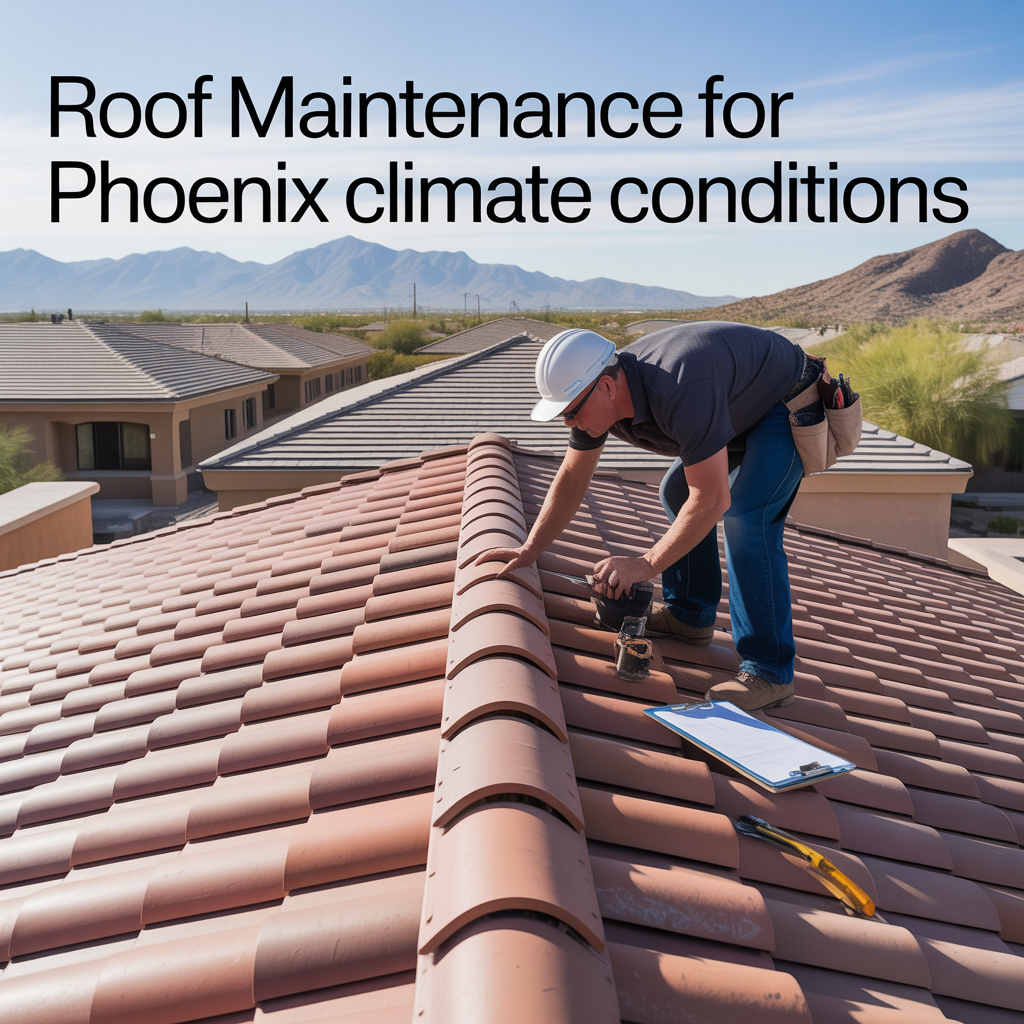
Roof Maintenance for Phoenix Climate Conditions
-

Preventing Water Damage in Desert Landscapes
-

How Monsoon Storms Affect Phoenix Homes
-

Why Policy Structure Matters More Than Premium
-

Understanding Coverage Limits and Exclusions
-

What Personal Property Coverage Actually Includes
-

How Liability Coverage Protects Homeowners
-
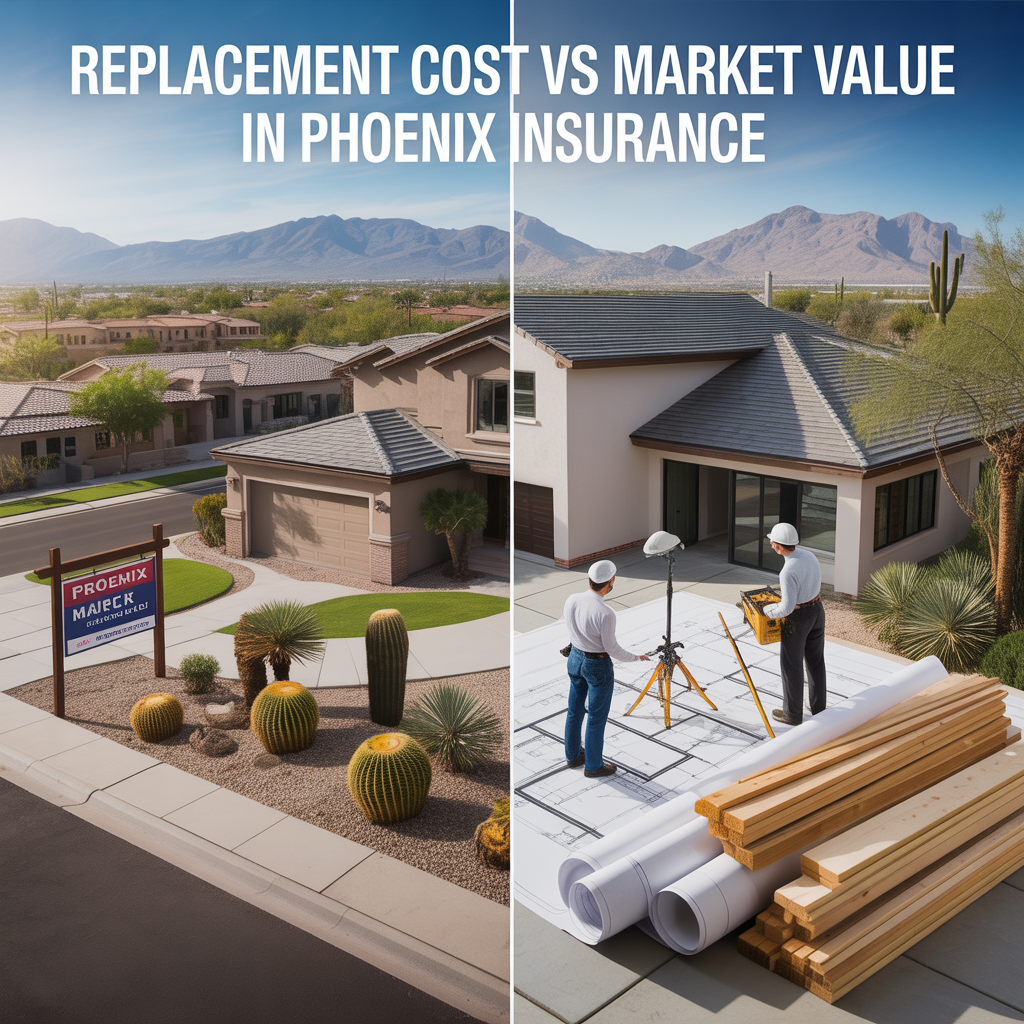
Replacement Cost vs Market Value in Phoenix Insurance
-

Understanding Deductibles Before You Need Them
-

How Renovations Affect Insurance Coverage
-

When to Review Your Home Insurance Policy
-

Why Replacement Cost Matters in Phoenix Insurance Policies
-

When a House Truly Starts to Feel Like Home
-
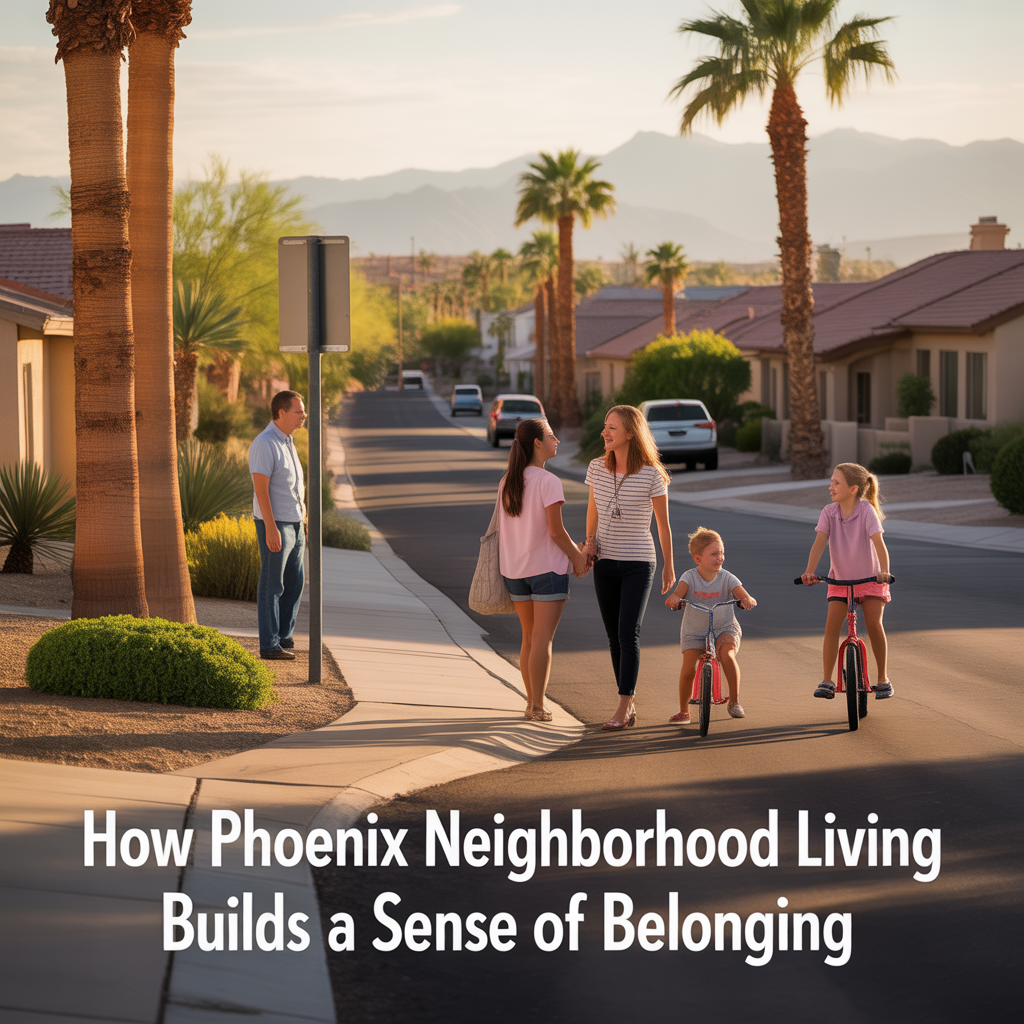
How Phoenix Neighborhood Living Builds a Sense of Belonging
-

Why Stability Plays a Major Role in Long-Term Home Satisfaction
-

How Familiarity Changes the Experience of Living in a Home
-
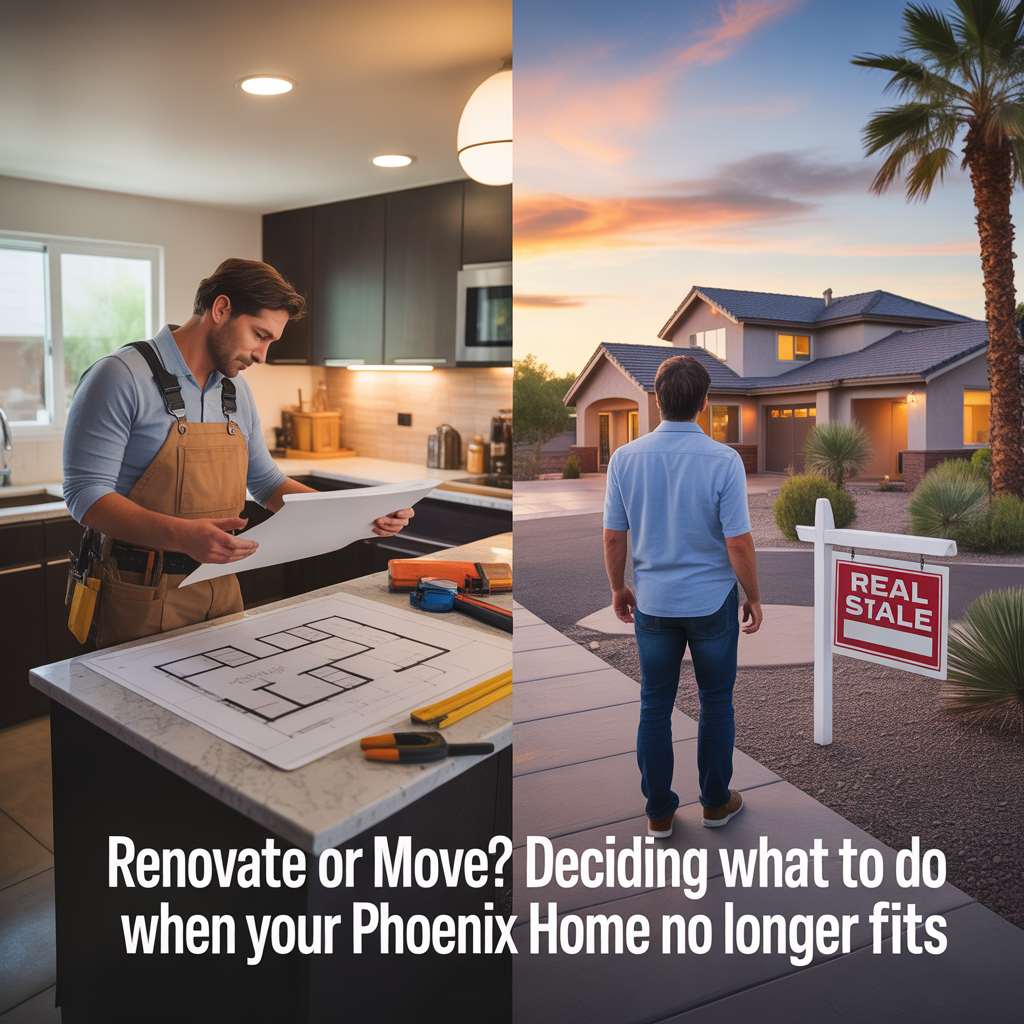
Renovate or Move? Deciding What to Do When Your Phoenix Home No Longer Fits
-
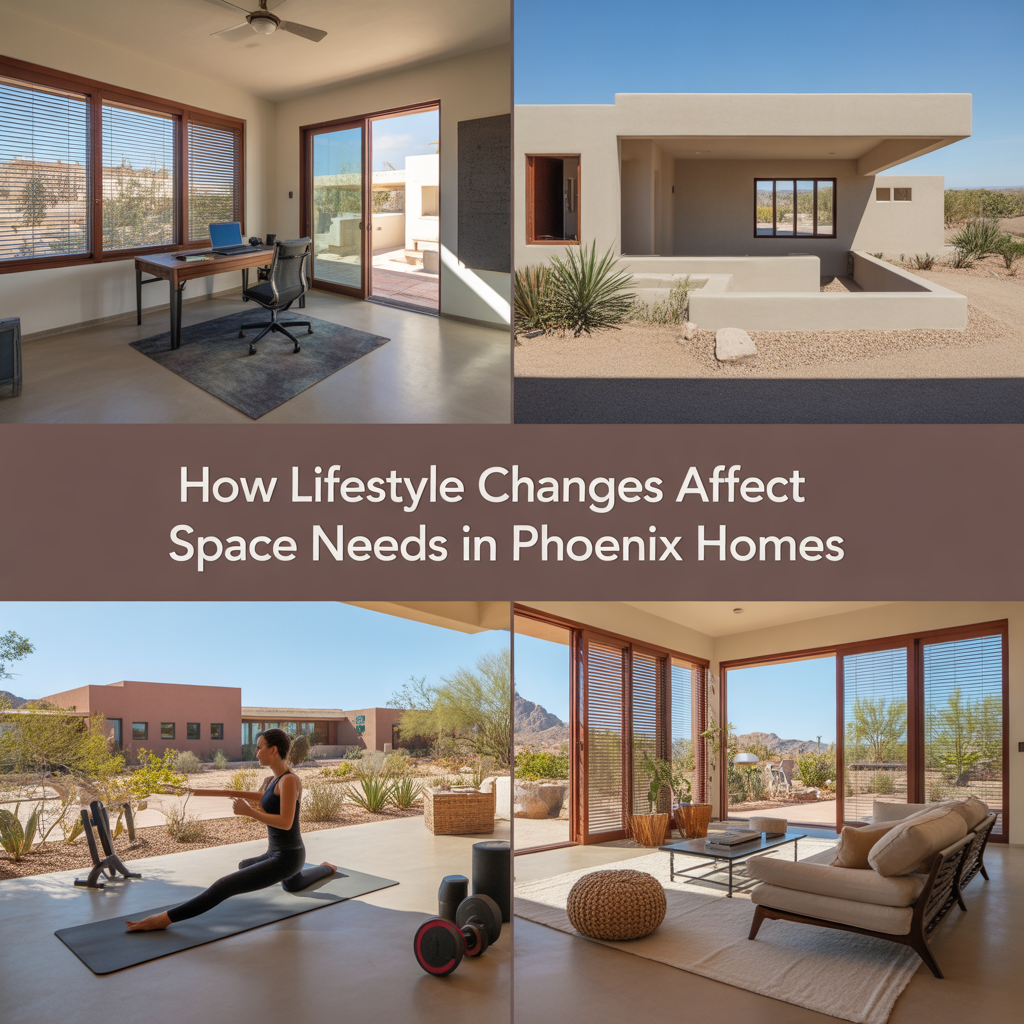
How Lifestyle Changes Affect Space Needs in Phoenix Homes
-
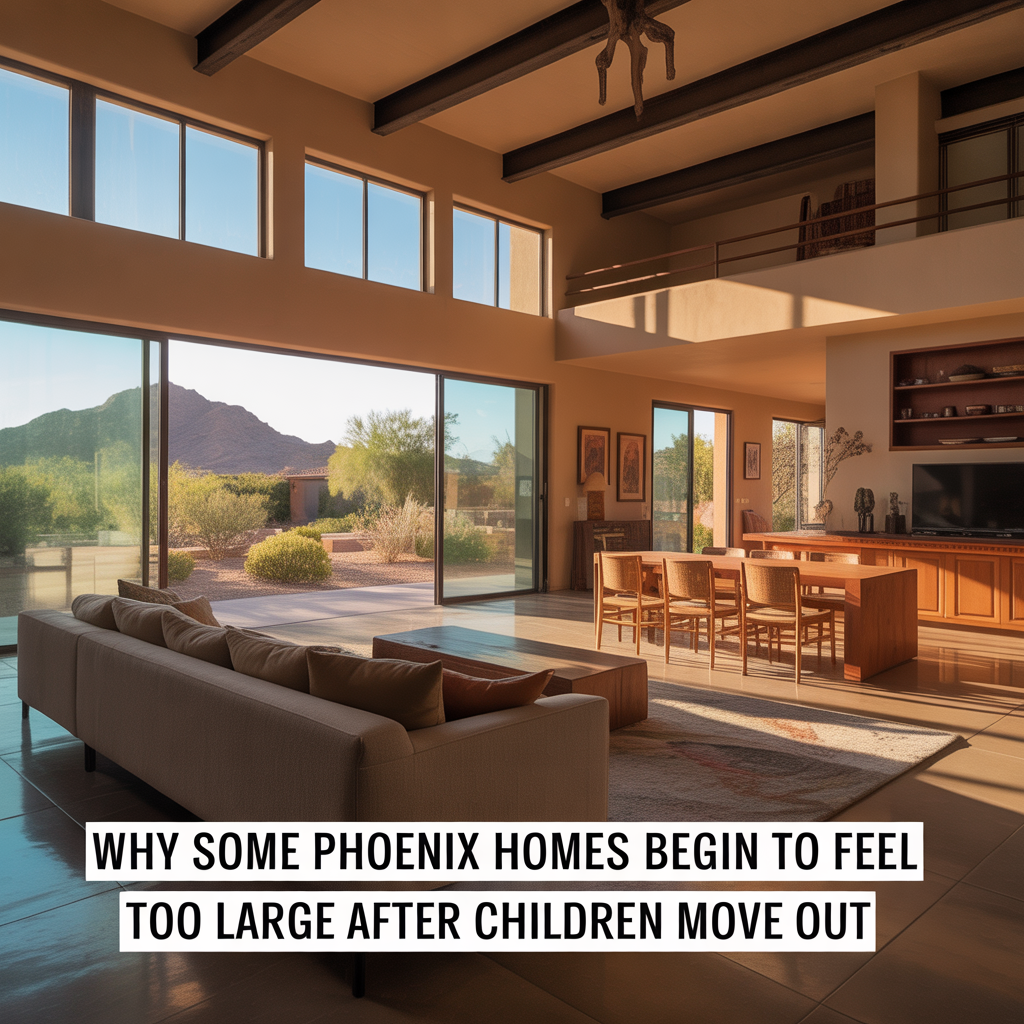
Why Some Phoenix Homes Begin to Feel Too Large After Children Move Out
-
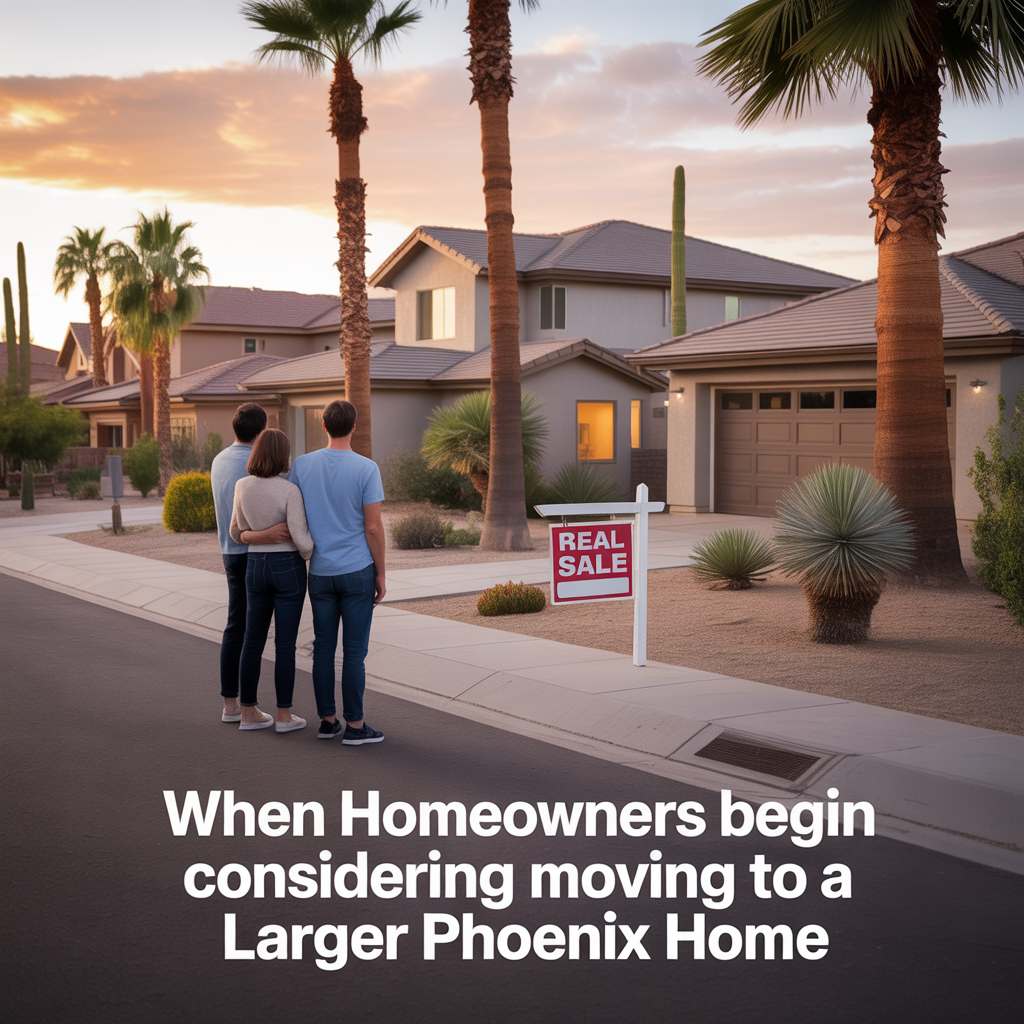
When Homeowners Begin Considering Moving to a Larger Phoenix Home
-

Signs Your Phoenix Home Is Starting to Feel Too Small for Your Family
-

How Desert Landscaping Evolves Over Years of Phoenix Homeownership