



Phoenix Lifestyle Guide → [Phoenix Lifestyle Guide] & For more info on Phoenix Real Estate → [Phoenix Real Estate Guide]
Written by: Renee Burke
I’ve welcomed so many families to the Valley over the years, helping them unpack not just boxes, but the surprises that come with trading coastal fog or Midwest snow for our sun-washed sprawl. Relocating buyers arrive excited about the promise of 300 sunny days and mountain views, but what catches them off guard are the subtle realities of desert life — the ones Google can’t fully capture. It’s like falling for a vacation snapshot without knowing the daily rhythm.
Phoenix rewards those who listen closely to its nuances. Here’s what I gently guide newcomers toward understanding, drawn from countless heartfelt conversations on front porches and over iced tea.
The Heat Isn’t Just Hot — It Rewires Your Days
Everyone knows Phoenix summers sizzle, but newcomers underestimate how it reshapes routines. Temps topping 110°F don’t just mean staying indoors; they shift errands to dawn or dusk, make pool ownership a must, and turn cars into ovens if you forget sunshades. AC bills spike $300–500 monthly from June through September — a line item that stuns those budgeting coastal rents.
Winter lures you in with golf every day, but by July, you learn to love early hikes up Piestewa Peak or evening sprinklers on drought-tolerant yards. It’s not unbearable; it’s rhythmic. Families who adapt thrive; those expecting beach vibes struggle until they sync with our seasons.
Commutes Look Short, Feel Endless
Phoenix’s map tempts with straight-shot freeways — “Oh, just 20 miles to work!” — but traffic on the 101 or I-10 turns that into 45–60 minutes during rush. The Valley’s sheer scale means East Valley jobs from West Valley homes create soul-crushing loops, especially with school zones and construction.
Newcomers from compact cities miss this until they’re stuck. Light rail helps downtown, but most rely on cars — factor $500–800 yearly in higher registration, gas, and insurance. I always map test drives at peak hours: a Chandler office from Peoria isn’t “close”; it’s a commitment.
Neighborhoods Aren’t Interchangeable
Buyers chase “Scottsdale vibes” without grasping the patchwork. Gilbert’s family havens with A-rated schools differ from Tempe’s vibrant, walkable energy or Glendale’s sports-centric pulse. Crime pockets exist everywhere — even “safe” suburbs have car break-ins — and HOAs rule outer rings, dictating everything from yard art to holiday lights.
Relocators Google prices and pick wrong: a “deal” in Maryvale overlooks top schools in nearby Laveen. Research layers — flood zones (monsoons swell washes), noise from nearby bases, or future freeways — or you’re fixing regrets later.
Costs Add Up Beyond the Mortgage
Phoenix seems affordable until utilities, water softening systems, and pool maintenance hit. Hard water stains fixtures fast; expect $1,000–2,000 upfront for softeners. Property taxes stay low (0.6%), but HOAs ($100–400/month) fund gates and landscaping you might not need. Groceries and dining match national averages, but car-centric life amps gas budgets.
Transplants from high-tax states celebrate no state income tax on first paychecks, then blink at electric bills doubling in summer. Budget 10–15% above initial estimates for desert premiums — it’s the gap between “bargain” and reality.
Schools and Lifestyle Aren’t Universal
Families assume “good schools everywhere,” missing Arizona’s A–F ratings and charter options. Scottsdale Unified shines; others lag with overcrowding. Private schools cluster centrally, and boundaries shift — verify before signing.
Socially, Phoenix feels spread out. No “quick coffee run” culture; plans mean 30-minute drives. But communities knit tight: farmers markets in Gilbert, First Fridays downtown, hiking groups at South Mountain. Newcomers who join thrive; isolates feel transient.
Water, Wildlife, and Monsoon Magic
Dust monsoons thrill then terrify — sudden floods wash out roads. Scorpions and javelinas roam suburbs; pest control isn’t optional. Water conservation looms: HOAs mandate low-water yards, and future bills will rise. Smart buyers prioritize drip systems and shade sails.
Yet these forge character. Monsoon sunsets paint Camelbacks pink; wildlife reminds you of nature’s edge.
Common Misjudgments at a Glance
| Misjudgment | Reality Check | Pro Tip |
|---|---|---|
| Heat as minor nuisance | Life-altering rhythm shift | Plan summer around AC |
| Short drives | 45+ min cross-Valley reality | Test commutes peak hour |
| Uniform neighborhoods | Vast differences in vibe/schools | Visit 3x, different times |
| Low ongoing costs | Utilities/HOA/desert extras | Add 15% to budget |
| Easy social scene | Drive-to everything | Join local groups early |
Phoenix reveals itself slowly, like a friendship deepening.
Settling In, Valley Style
What newcomers love most? That first winter patio brunch, kids’ soccer under holiday lights, the way mountains frame every drive. Phoenix isn’t perfect — it asks adaptation — but it repays with space to breathe, grow, belong.
If you’re thinking about making a move in Phoenix — scouting from afar, decoding neighborhoods, or ready to plant roots — you don’t have to figure it out alone.
I’ve eased hundreds of relocations, turning “what ifs” into “home sweet home.” Reach out; let’s map your Valley fit over coffee — your questions, your dreams, your timeline. Together, we’ll make Phoenix not just a move, but your next chapter.
Get the full Phoenix Market Insights → [Market Insights]


-

Airport Access, Weekend Getaways, and Drive-Time Lifestyle: The Hidden Map of Phoenix
-

School Drop-Off + Work Commute in Phoenix: How to Test the Morning Reality Before You Buy
-

Living Near Scottsdale vs Working in Phoenix: The Daily Tradeoffs (and Smarter Alternatives)
-

The Phoenix Freeway Guide: 101, 202, I-10, 51, 60 — How They Affect Where You Should Live
-

Phoenix Commute Reality: What Google Maps Doesn’t Tell You About Peak Traffic
-

Indoor-Outdoor Living in Phoenix: Why Some Backyards Get Used and Others Don’t
-

Pool vs No Pool in Phoenix: Lifestyle Value, Maintenance Reality, and Resale Impact
-

AC, Insulation, Windows, Shade: What Matters Most for Phoenix Comfort and Utility Bills
-

Phoenix Summer Survival for Relocation Buyers: Routines That Make It Easy
-

The “Saturday Test”: How to Tour Phoenix Like a Local Instead of a Tourist
-

How to Avoid Relocation Regret: The Fit Signals to Look For Before You Buy
-

Old Town Scottsdale, Arcadia, Downtown Phoenix: How the “Vibe” Changes Block by Block
-

Urban vs Suburban Phoenix: The Tradeoffs That Surprise Relocation Buyers
-

Phoenix Lifestyle Archetypes: Which Neighborhoods Match How You Actually Live
-

The Phoenix “Lifestyle Checklist”: Walkability, Gyms, Trails, Schools, Parks, and Daily Errands
-

Commute Corridors in Phoenix: The Routes That Quietly Decide Your Quality of Life
-

Phoenix Summer Reality: What Daily Life Feels Like May Through September
-

Phoenix Neighborhood Vibes: How to Spot Fit Fast (Without Getting Fooled by Listings)
-

Relocating to Phoenix: How to Evaluate Lifestyle Fit Before You Commit
-
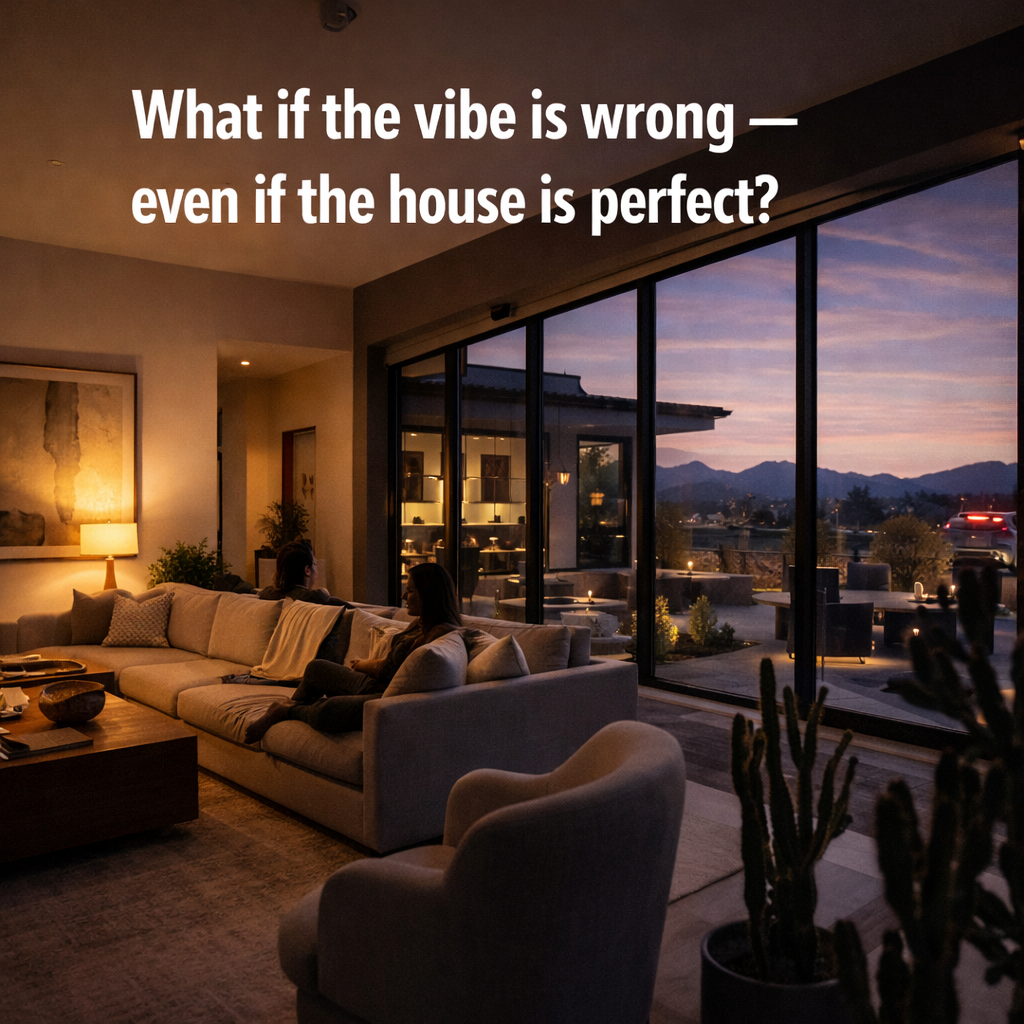
What if the vibe is wrong — even if the house is perfect?
-

What if I can’t walk anywhere and I feel trapped in my car?
-
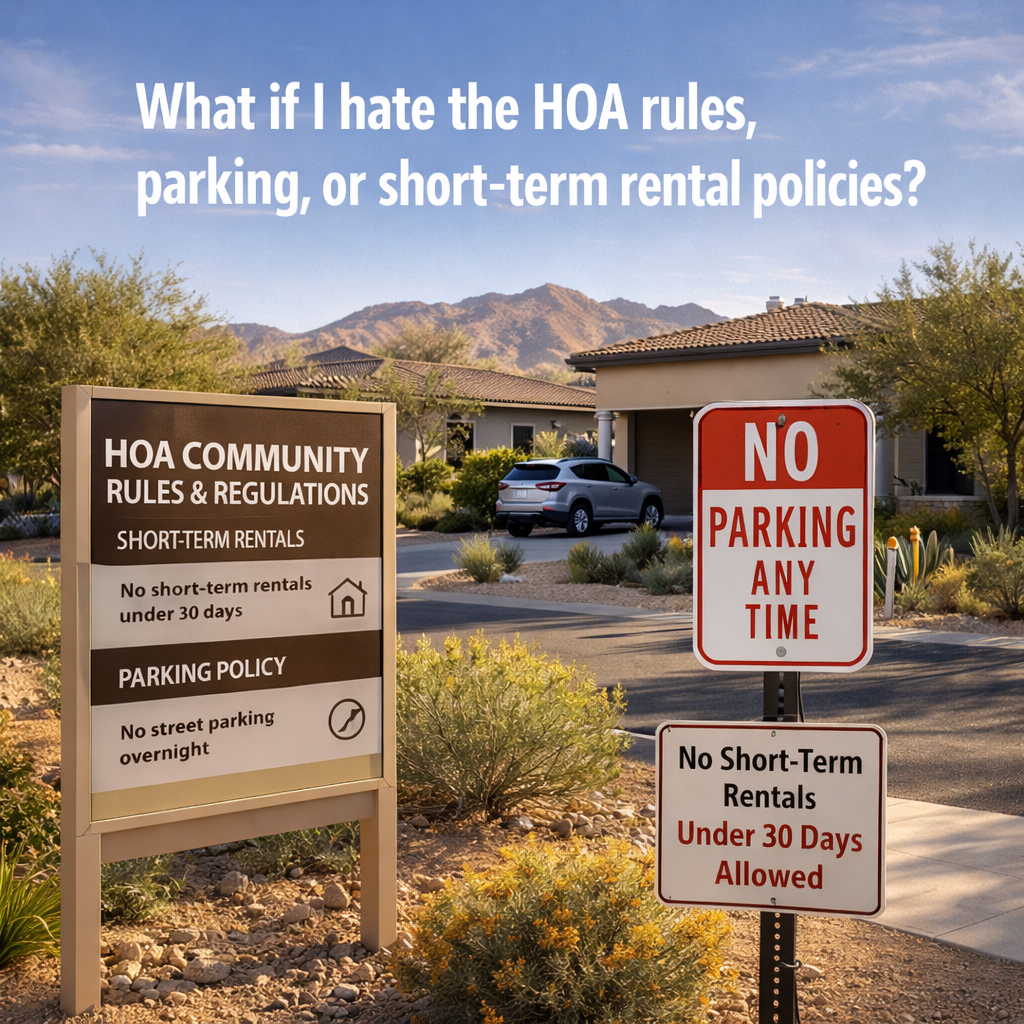
What if I hate the HOA rules, parking, or short-term rental policies?
-

What if the neighborhood feels isolated — or I can’t build community?
-
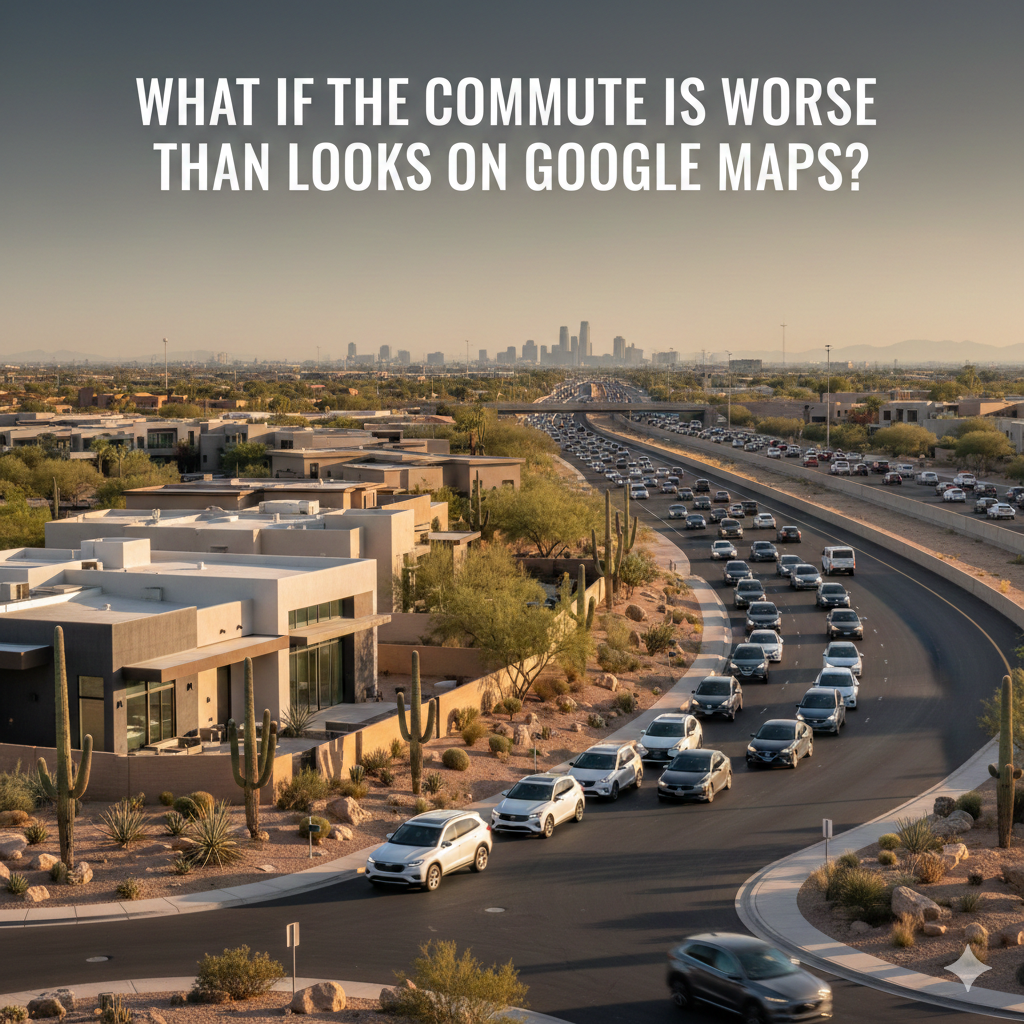
What if the commute is worse than it looks on Google Maps?
-

What If the Summer Heat Changes My Entire Routine?