



Phoenix Lifestyle Guide → [Phoenix Lifestyle Guide] & For more info on Phoenix Real Estate → [Phoenix Real Estate Guide]
Written by: Renee Burke
A few Phoenix suburbs stand out right now for their ability to weather market shifts while quietly building equity over time. These are the places where homes don’t just hold steady—they reward patient owners with consistent demand from families, professionals, and long-term residents who value the lifestyle as much as the investment.
It’s reassuring to see certain communities shine through economic ups and downs, proving that strong schools, jobs, and that unmistakable Valley charm create real resilience.
West Valley Standouts: Buckeye and Peoria Lead
Buckeye tops the list for value retention, blending massive master-planned growth with infrastructure like Loop 303 expansions that keep demand humming. Homes here have seen steady appreciation—often 5-7% annually even post-correction—thanks to communities like Verrado, where amenities draw families who stay put.
Peoria follows closely, its northern edges near Lake Pleasant holding firm with minimal dips from 2022 peaks. Proximity to tech jobs, solid schools, and trails supports resale strength; expect values to hold at $450,000-$550,000 medians with low volatility. These suburbs attract owner-occupants, not flippers, which protects prices during slowdowns.
East Valley Anchors: Gilbert and Chandler
Gilbert remains a gold standard, where top-rated schools and a vibrant downtown keep medians around $550,000-$600,000 rock-solid. Even as metro prices eased 3-4% last year, Gilbert dipped less than 1%, buoyed by limited land and community pride that buyers crave for the long haul.
Chandler mirrors this stability near Intel and other employers, with neighborhoods holding 2-3% above metro averages. Family-oriented spots like Fulton Ranch retain value through employment access and parks, making them low-risk for equity preservation.
Emerging Edges: Surprise and North Phoenix
Surprise offers underrated resilience, with Loop 303 connectivity and recreational draws like sports complexes keeping values steady at $400,000-$500,000. It outperforms flashier areas in resale demand, appealing to a mix of families and retirees.
North Phoenix excels through scarcity—mountain views and tight supply near preserves mean homes rarely lose ground, holding $500,000+ medians even in softer markets. Established retail and job corridors ensure consistent buyer interest.
Why These Suburbs Hold Strong
Master-planned designs, job proximity (TSMC in North Phoenix, logistics in Buckeye), and schools create moats against downturns. Families stay longer, reducing turnover and stabilizing prices—unlike investor-heavy outer edges. Infrastructure like SR-24 keeps commutes viable, while lifestyle perks seal the deal. Common fear: “Suburbs crash with rates.” Truth: These picks prove demand trumps headlines.
Goodyear and Queen Creek show promise too, but the leaders above balance growth with proven resilience.
Guidance for Your Equity Play
If holding value matters most, prioritize these for buying or staying put—price for the neighborhood comps, stage thoughtfully. Sellers here negotiate less; buyers gain peace knowing appreciation resumes quietly.
Phoenix’s best suburbs aren’t chasing headlines—they’re building legacies.
If you’re thinking about making a move in Phoenix, you don’t have to figure it out alone. Whether eyeing Buckeye’s upside or Gilbert’s steady hand, I’d love to share the neighborhood insights that fit your story. Reach out—let’s protect and grow your Valley investment together.
Get the full Phoenix Market Insights → [Market Insights]


-

Separating Lifestyle Spending From Homeownership Costs
-
How Usage Changes Monthly Ownership Costs
-

Planning Around Utility Cost Volatility
-
Why Variable Expenses Drive Most Budget Stress
-

Fixed Costs That Aren’t Actually Fixed
-

Budgeting for the House You’ll Own in Five Years
-

Why Ownership Cash Flow Feels Tighter Over Time
-
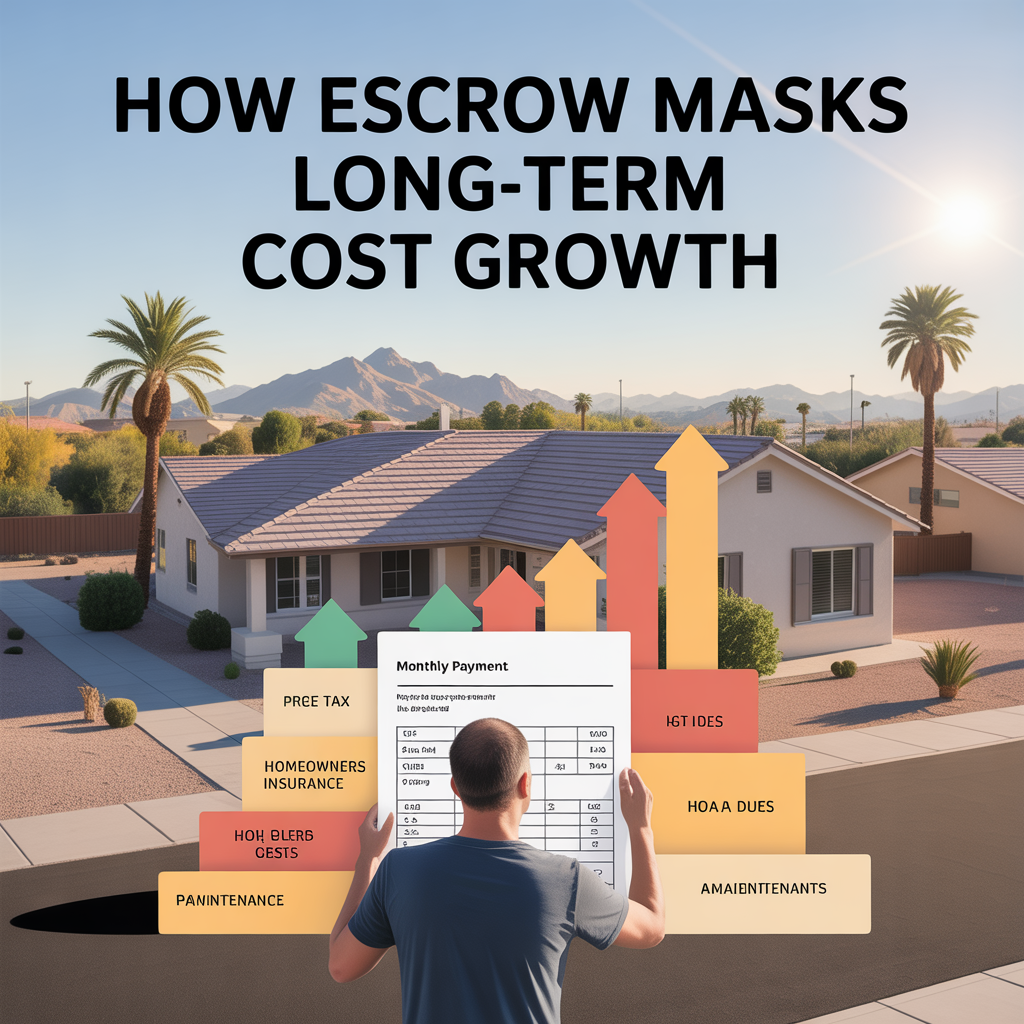
How Escrow Masks Long-Term Cost Growth
-

Why Your Mortgage Payment Isn’t Your True Housing Cost
-

Cross-Valley Trips: When They Feel Easy vs Heavy
-

Remote-Work Friendly Pockets in Glendale
-

School-Run Congestion Zones and Timing
-

Arterial Routing and “Daily Loop” Efficiency
-

State Farm Stadium and it’s Effect on Life and Property Value
-

Freeway Access as a Lifestyle Multiplier in Glendale
-

Event-Night Traffic Impacts and Avoidance Strategies
-

Weekday Commute Direction Tradeoffs From Glendale
-

Season Shifts in Outdoor Time in Glendale
-

Shade, Tree Cover, and Neighborhood Comfort
-

Dog and Kid Friendly Outdoor Routines
-

Trail Access That Feels Routine-Friendly
-

Sports Parks and Family Recreation Patterns
-

Map Proximity vs Summer Usability in Glendale
-

Daily-Use Parks vs Weekend Outdoor Trips
-

Top 10 “Date Night Out” Spots in Glendale