



Phoenix Lifestyle Guide → [Phoenix Lifestyle Guide] & For more info on Phoenix Real Estate → [Phoenix Real Estate Guide]
Written by: Renee Burke
In a balanced Phoenix market like the one we’re seeing in early 2026, pricing isn’t just a number—it’s the quiet signal that draws the right buyers to your door. With inventory easing to 3-4 months across the Valley and days on market settling around 60-70, gone are the days when any list price sparked a frenzy. Now, in neighborhoods from Glendale’s Arrowhead to Peoria’s Vistancia, getting it right from day one sets smooth closings apart from drawn-out adjustments.
I’ve helped so many families navigate this shift, watching how a thoughtful price turns browsers into buyers. Let’s explore why strategy here matters more than ever, and how it plays out across our metro.
The Shift to Precision Pricing
Back in the seller’s heat of 2021-2022, homes flew at or above list—pricing felt forgiving, almost secondary to curb appeal. Today’s balance changes that. Buyers, armed with Zillow comps and agent insights, skip listings 3-5% over recent sales in their zip code. Data shows those overpriced homes add 20-30 days on market, inviting reductions that signal weakness.
In contrast, spot-on pricing in Gilbert’s San Tan Ranch or Surprise’s Happy Valley triggers showings within 48 hours and often multiple offers. It’s not about undercutting; it’s aligning with true value—your square footage, updates, and proximity to Loop 101 or Lake Pleasant. This market rewards realism over hope.
Neighborhood Nuances Drive Strategy
Phoenix’s diversity means no one-size-fits-all price. East Valley family hubs like Chandler’s Fulton Ranch hold firmer—price to the median of last three comps, accounting for Peoria Unified schools, and expect quick traction. West Valley affordability plays, like Glendale’s West Glenn, demand sharper edges; overlist here, and buyers pivot to new Buckeye builds with incentives.
North Scottsdale’s DC Ranch luxury? Price to views and lot size—buyers concede premiums but ghost softness. South Tempe or Ahwatukee? Factor revitalization momentum—undercut slightly for urban buyers seeking South Mountain trails. Local strategy turns balanced markets into your advantage.
The Cost of Getting It Wrong
Overpricing lingers painfully in this tempo. A Peoria ranch listed $25,000 above comps might sit 90 days, losing spring momentum and holiday staging pop. Price cuts erode equity perception—buyers wonder “what’s hidden?”—and rack up holding costs like utilities or HOA fees.
Underpricing risks too, but rarely: it sparks bids that net above list, building buzz without stigma. Stats whisper 98-100% sale-to-list ratios for precise homes versus 95% for adjustments. In balanced times, first impressions price.
Tools for Smart Pricing Today
Crafting strategy starts with layers:
- Hyper-local comps. Last 90 days, same subdivision—adjust for pools, roofs, freeway noise.
- Value-add accounting. Fresh paint or quartz counters justify $10K bumps; dated carpet docks it.
- Market timing. January lists high, spring peaks—phase your price to seasonal flow.
- Concession buffers. Build in room for buydowns or repairs without dipping below floor.
Agents like me run CMA deep—street-level, not zip-wide—for Phoenix precision.
Why Buyers Respond to Strategy
Informed Valley shoppers prioritize value now. Mid-6% rates make payments sting, so they hunt efficiency: Glendale stadium proximity at $450K comps, not $475K asks. Strategic pricing respects that—draws serious traffic, cuts negotiation friction, speeds closings.
Sellers who overreach chase shadows; those who align capture commitment. It’s collaboration, not combat.
Seller Mindset in Balance
I see hesitation—“Should I wait for spring surge?” Stability favors acting thoughtfully over timing perfection. Builders ramp incentives, resales compete on charm—price right, and you lead. Prep matters too: staging amplifies strategy, turning good prices into great outcomes.
Busting Pricing Myths
“List high, cut later?” It fatigues buyers, kills momentum. “Comps don’t matter in hot pockets?” Even Scottsdale adjusts to reality. “Balanced means dropping prices?” No—demand holds for value.
Strategy clears the fog.
Pricing as Your Edge
In Phoenix’s 2026 balance, pricing strategy isn’t optional—it’s the compass guiding homes from listing to keys. From Arrowhead energy to Vistancia calm, it unlocks doors for the right fit.
This market lifts prepared sellers, empowers selective buyers—a win for thoughtful Valley life.
Let’s Price Your Path Forward
If you’re thinking about making a move in Phoenix—or refining strategy for your home—you don’t have to figure it out alone.
I’ve fine-tuned pricing for families across Glendale, Peoria, and beyond, turning data into dollars that fit real lives. Whether a casual comp review or full market plan, I’m here as your steady advisor.
Reach out anytime. Valley homes deserve pricing precision, trust, and heart—let’s get yours right.
Get the full Phoenix Market Insights → [Market Insights]


-

Shade Coverage and Tree Canopy Differences by Corridor
-

Summer Walkability Reality Near ASU and Mill Avenue
-

Choosing Proximity Based on Personality and Routine
-

How Tempe Town Lake Changes Social Routines
-

Family-Friendly Lake Events vs Adult Nightlife Patterns
-

Parking Structures and Rideshare Realities on Peak Nights
-
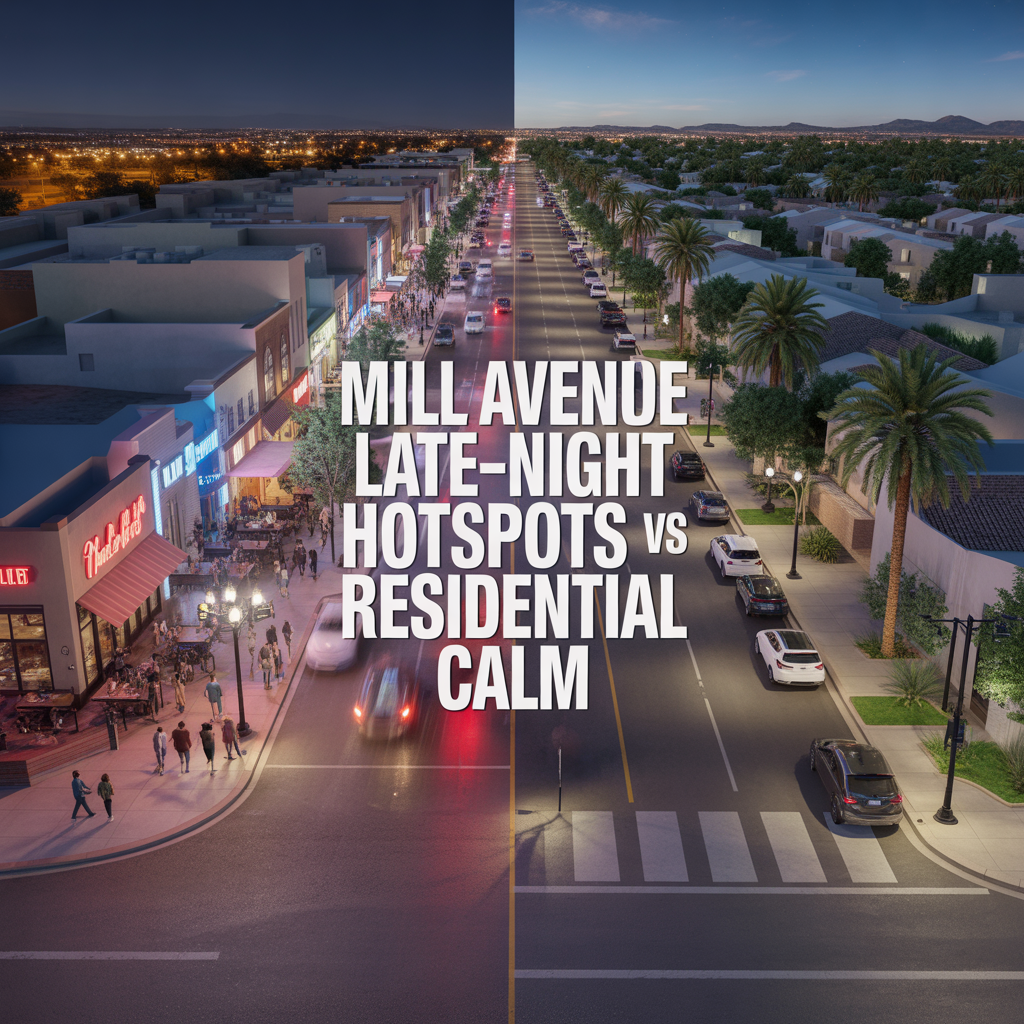
Mill Avenue Late-Night Hotspots vs Residential Calm
-

ASU Game Days and Event Calendar Impacts
-

Cross-Valley Trip Efficiency From Tempe
-

Micro-Mobility and Bike Utility by Corridor
-

Park-And-Ride, Game Day, and Event Access Patterns
-

Airport Timing Strategy Around ASU and Rush Hour Traffic
-

Light Rail Use Cases That Actually Improve Daily Life
-
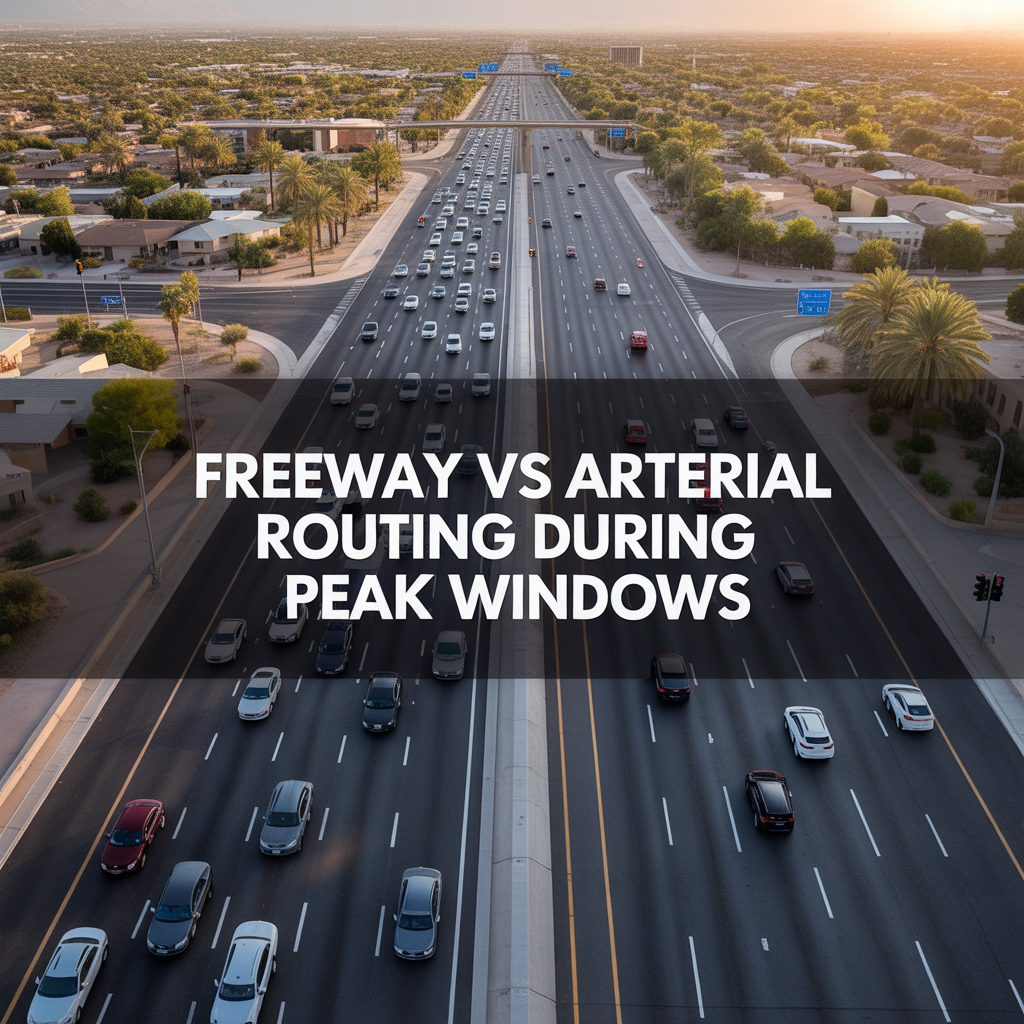
Freeway vs Arterial Routing During Peak Windows
-

Real-World Drive Times to Sky Harbor From Different Tempe Pockets
-

How Traffic and Commute Direction Affect Daily Life in North vs South Tempe
-

Bike Paths, Walkability, and Short-Distance Transportation in Tempe
-

Driving Access From Tempe to Phoenix Sky Harbor Airport
-

Light Rail Access Between Tempe, Downtown Phoenix, and Mesa
-

Major Tempe Arterial Roads Including Rural Road, McClintock Drive, and Baseline Road
-

ASU Traffic Patterns and Peak Congestion Near Campus
-

Typical Commute Times From Tempe to Phoenix, Scottsdale, and Chandler
-

Tempe Freeway Access to US-60, Loop 101, and Loop 202
-

Shade, Tree Coverage, and Summer Outdoor Usability in Tempe
-

Outdoor Recreation Near Downtown Tempe and ASU