


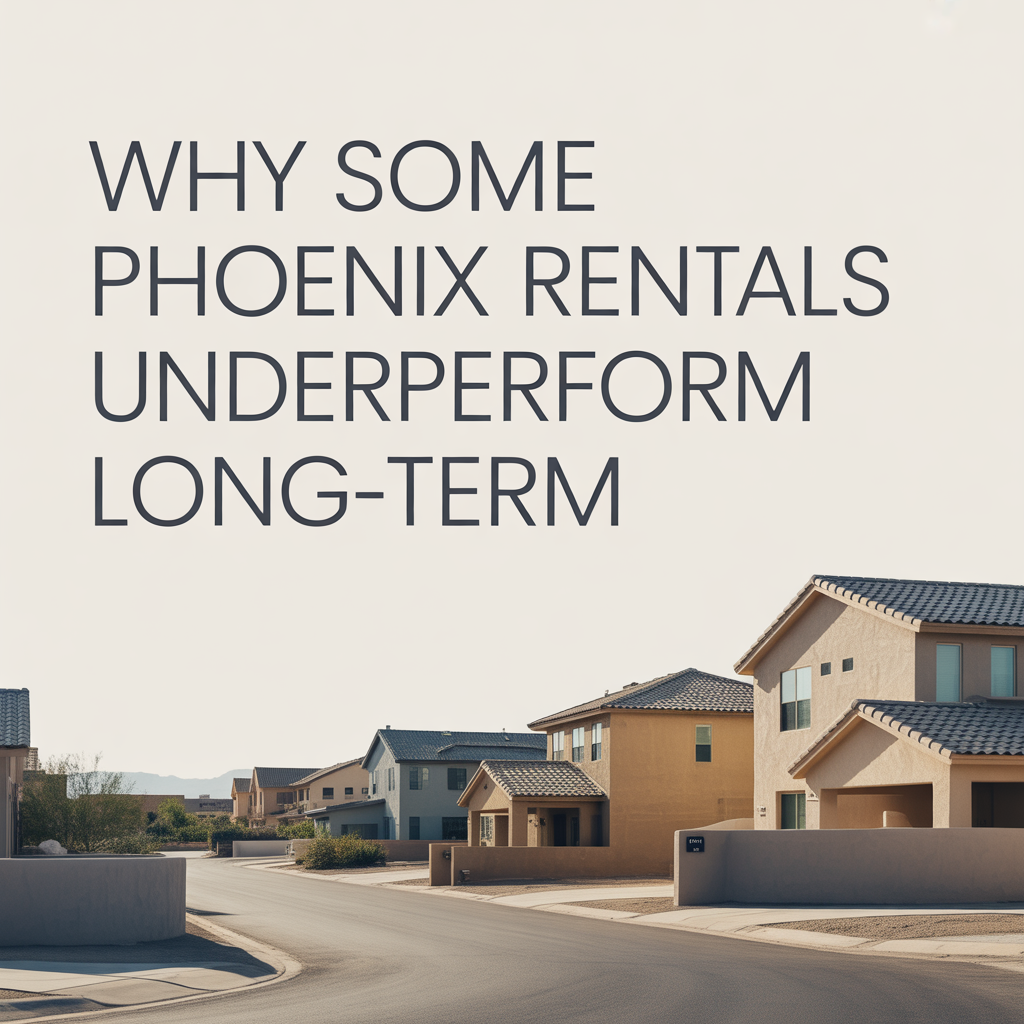
Phoenix Lifestyle Guide → [Phoenix Lifestyle Guide] & For more info on Phoenix Real Estate → [Phoenix Real Estate Guide]
Written by: Renee Burke
I’ve walked investors through so many property analyses over coffee in Scottsdale cafes, watching their optimism for steady cash flow meet the Valley’s unique realities. Not every rental shines here — some start strong but falter over 5–10 years, squeezed by our flat rents, rising upkeep, and shifting tenant tastes. It’s not bad luck; it’s often a mismatch with Phoenix’s maturing market, where rents stabilized after 2025 dips and growth turned modest at best.
Properties underperform when they fight the desert’s rhythm instead of flowing with it. Let me share the patterns I see most, so you can spot them early.
Location Lag in Oversupplied Zones
Downtown condos and Tempe apartments dazzled during pandemic booms, but new Class A towers flooded supply, capping rents at $1,800–$2,200 for two-bedrooms. Tenants now pick shiny builds with resort pools over dated resales, leaving older units vacant longer or at concessions. Median rents hover $1,458, flat year-over-year in central cores.
Fringe spots like parts of Chandler soften too — builder incentives undercut mom-and-pops. Strong performers? Family suburbs: Gilbert single-families pull $2,500+ steadily, tied to schools and yards. Pick wrong zip, and vacancy eats returns.
Maintenance Eating Cash Flow
Phoenix accelerates wear: AC units die yearly under 115°F loads ($8k–$12k replacements), stucco cracks from monsoons, pools green without $200/month service. Older rentals (pre-2010) rack $4k–$6k annual fixes — far outpacing 3–4% rent bumps. Insurance jumped 20–30% on heat risks, HOA fees climb for shared upkeep.
Tenants expect turnkey; deferred maintenance means turnovers drag, reviews tank on Zillow. Long-term, unupdated units lose to new builds with warranties, turning 5% yields negative.
Tenant Turnover in Transient Pockets
Tourist-adjacent rentals (near Sky Harbor or ASU) thrive short-term but bleed on flips. Corporate relos or students cycle yearly, costing $2k–$5k per vacancy in marketing, cleans, lost rent. Short-term rules tightened too, capping Airbnb upside.
Family demand stabilizes Gilbert or Peoria — leases renew 70–80% — but West Valley growth corridors see job-hoppers bolt, chasing TSMC or logistics shifts. High turnover kills compounding returns.
Flat Rents vs. Rising Expenses
Post-2025, rents plateaued after declines — no more 10% jumps. Multifamily deliveries eased 50% in 2026, but East Valley Class A still competes down. Property taxes tick up with values, wages lag rents in service jobs, capping what tenants pay.
Investors banking on appreciation bail early; holdouts watch margins shrink as inflation hits materials, labor. Cash flow? Often 3–4% net, not the 1% rule dream.
Underperformers at a Glance
| Property Type/Zone | Key Weakness | Long-Term Yield Drag |
|---|---|---|
| Downtown Condos | Oversupply, amenities race | Vacancy 8–12% |
| Older Tempe Apartments | Student churn, dated finishes | Turnover costs $3k/unit |
| West Valley Track Homes | Maintenance, job flux | Flat rents +15% expenses |
| Chandler Townhomes | New-build competition | Concessions eat 5% |
Suburban single-families in growth paths outperform; central oversupply drags.
Choosing Winners, Not Losers
Phoenix rentals reward strategy: buy undervalued in Buckeye family zones, add ADUs for nurses, future-proof with solar. East Valley holds for healthcare demand. Reassess yearly — sell if vacancy hits 7%+.
Long-term success mirrors our saguaros: deep roots in right soil weather any drought.
If you’re thinking about making a move in Phoenix — evaluating rentals, tweaking your portfolio, or eyeing cash flow — you don’t have to figure it out alone.
I’ve crunched numbers for investors through every cycle, turning data into decisions. Reach out when ready; let’s review your targets, comps, strategies. Together, we’ll build holdings that thrive here, steady as the Valley sun.
Get the full Phoenix Market Insights → [Market Insights]


-

Pool Liability and Insurance in Phoenix
-

Protecting Outdoor Structures and Shade Systems
-

HVAC Failures and Insurance Coverage
-
Roof Maintenance for Phoenix Climate Conditions
-

Preventing Water Damage in Desert Landscapes
-

How Monsoon Storms Affect Phoenix Homes
-

Why Policy Structure Matters More Than Premium
-

Understanding Coverage Limits and Exclusions
-

What Personal Property Coverage Actually Includes
-

How Liability Coverage Protects Homeowners
-
Replacement Cost vs Market Value in Phoenix Insurance
-

Understanding Deductibles Before You Need Them
-

How Renovations Affect Insurance Coverage
-

When to Review Your Home Insurance Policy
-
Why Replacement Cost Matters in Phoenix Insurance Policies
-

When a House Truly Starts to Feel Like Home
-

How Phoenix Neighborhood Living Builds a Sense of Belonging
-

Why Stability Plays a Major Role in Long-Term Home Satisfaction
-

How Familiarity Changes the Experience of Living in a Home
-
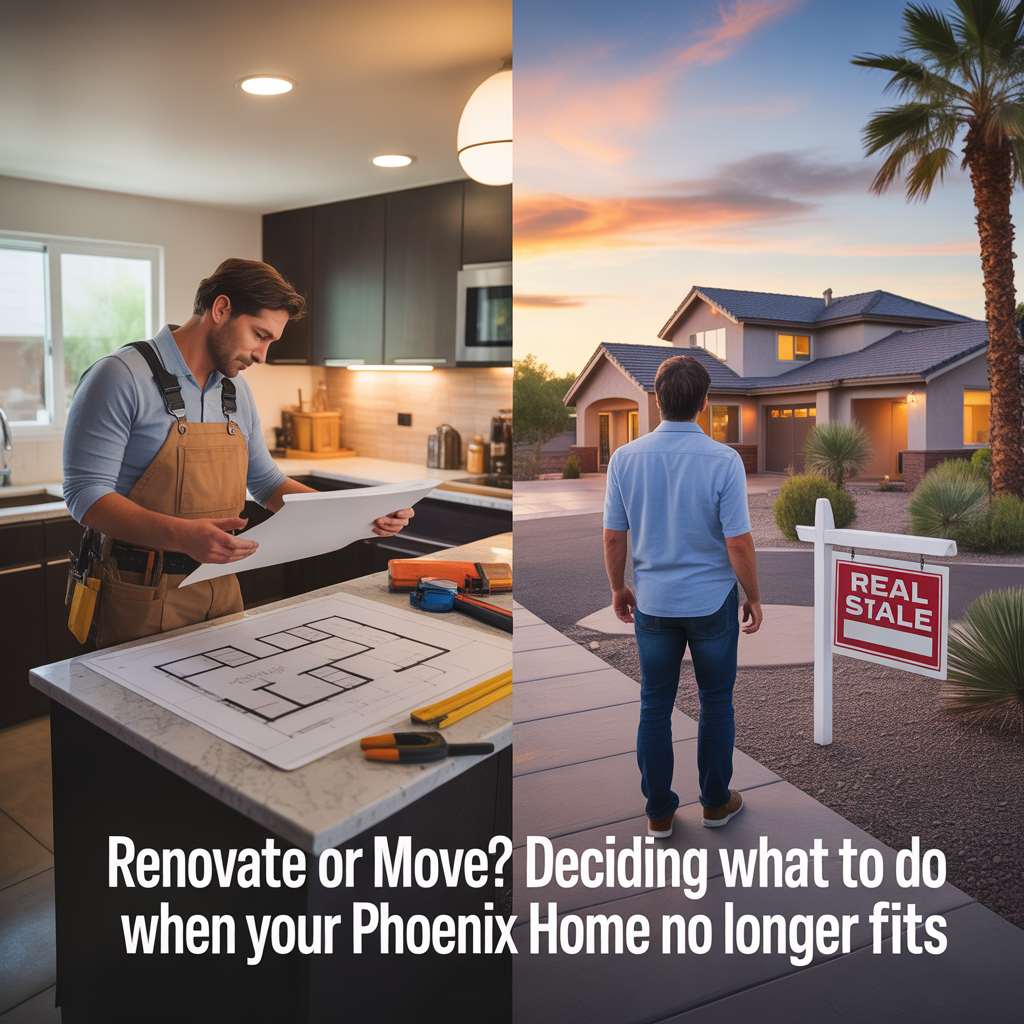
Renovate or Move? Deciding What to Do When Your Phoenix Home No Longer Fits
-
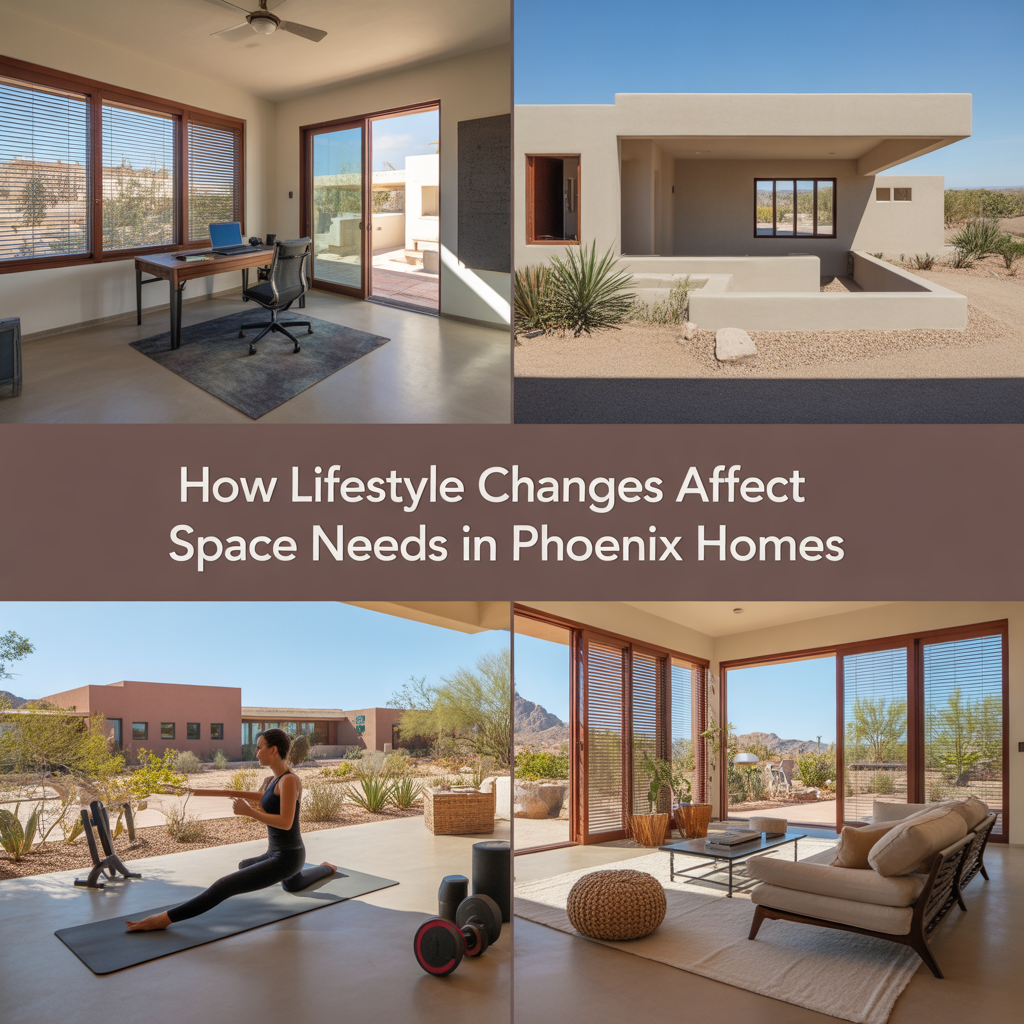
How Lifestyle Changes Affect Space Needs in Phoenix Homes
-
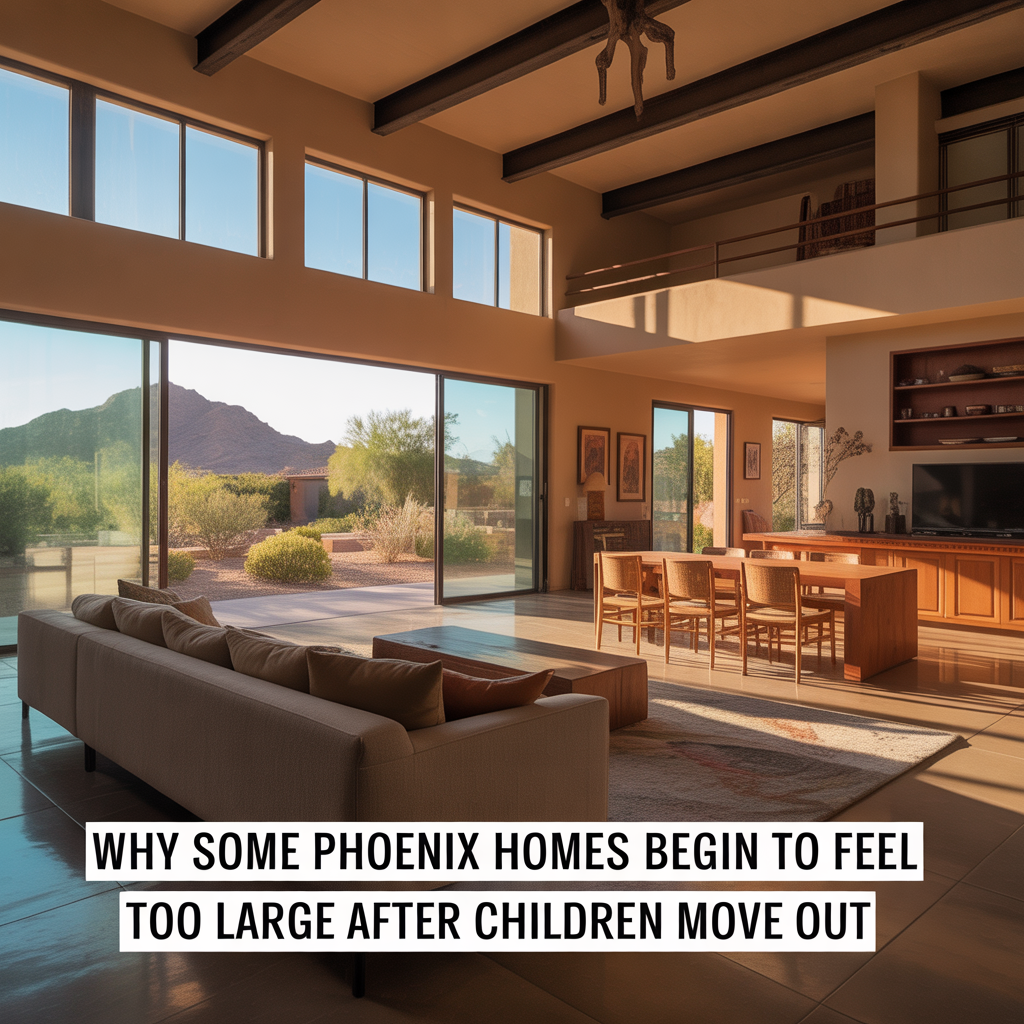
Why Some Phoenix Homes Begin to Feel Too Large After Children Move Out
-
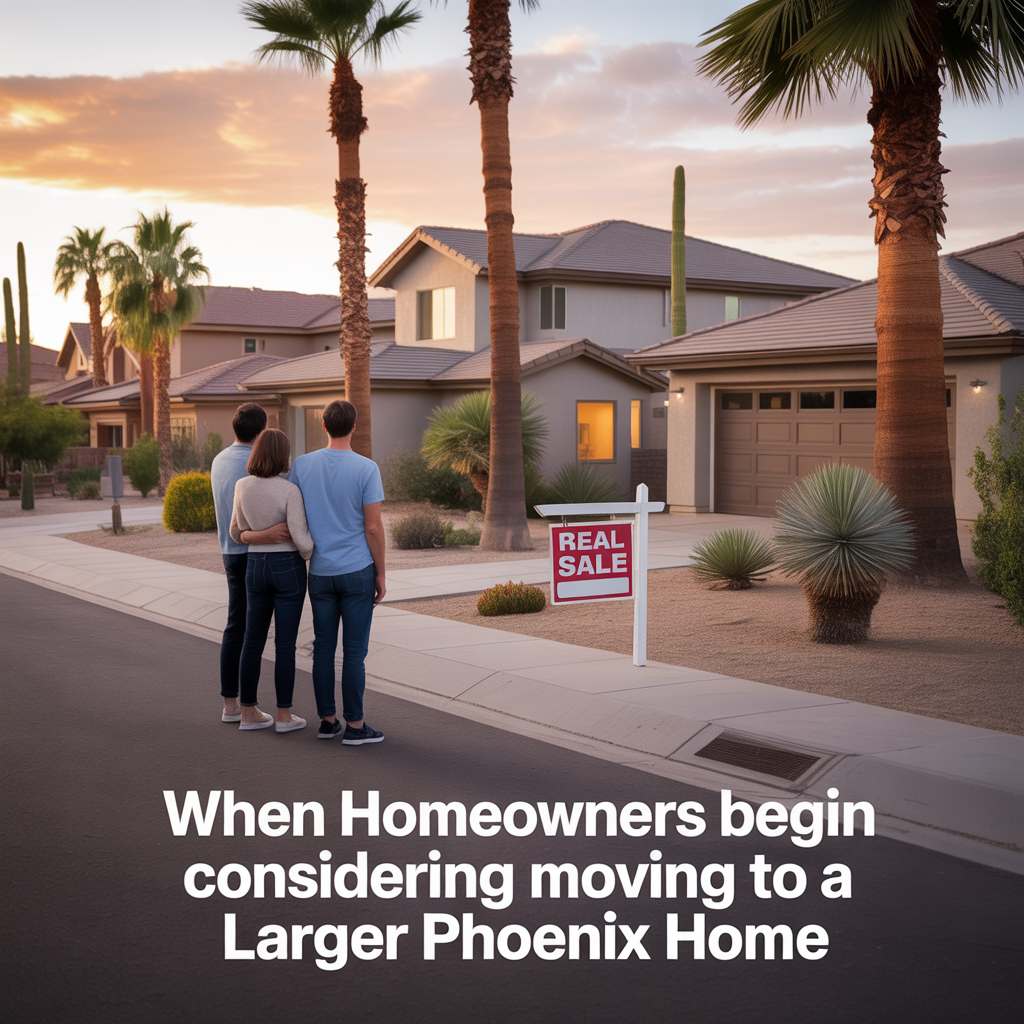
When Homeowners Begin Considering Moving to a Larger Phoenix Home
-

Signs Your Phoenix Home Is Starting to Feel Too Small for Your Family
-

How Desert Landscaping Evolves Over Years of Phoenix Homeownership