



Phoenix Lifestyle Guide → [Phoenix Lifestyle Guide] & For more info on Phoenix Real Estate → [Phoenix Real Estate Guide]
Written by: Renee Burke
Phoenix home prices have danced through peaks and valleys before, and right now, with values softening just a touch from pandemic highs, I hear the question often: “What if I buy today and prices tumble tomorrow — will I regret it?” It’s a fair worry, whispered over coffee in Biltmore cafes or during showings in Gilbert.
The truth is gentler than the fear. Regret doesn’t come from a 5-10% dip — that’s normal Phoenix breathing room. True regret hits only in rare, deep corrections tied to broader economic storms, not the steady cycles we know here. Let’s walk through it thoughtfully, so you can buy with quiet confidence.
What “Regret-Worthy” Really Means
Regret isn’t just about dollars — it’s about feeling stuck. If prices fall enough that your mortgage exceeds local comps by 20% or more, selling becomes tough without loss. Equity evaporates, moves get delayed, and that dream home feels like a burden.
In Phoenix, we’ve seen this only twice in 30 years: the early 1990s recession (25-30% drops in overbuilt tracts like Mesa) and the 2008 crash (40-50% plunges in speculative suburbs like El Mirage). Those were outliers, fueled by national credit freezes and oversupply. Today’s softening — think 2-3% year-over-year in Maricopa County — is a far cry from that drama.
Most buyers never hit regret because they stay 5-10 years, letting equity rebuild through rents avoided, improvements added, and our Valley’s long-term climb.
The 10-15% Threshold: Annoying, But Not Fatal
If prices fell 10-15% from here — say, median drops from $450,000 to $382,000-$405,000 — you’d feel it, but it wouldn’t ruin you.
This happened post-2022 peak: values eased 7% in some East Valley spots, yet homeowners who bought in 2023 are fine. Why? Negotiation power today means sellers offer credits (2-3% closing costs), rate buydowns (shaving 1% off your loan), and flex terms. Your effective cost lands closer to market bottom.
On the ground, a $450K Ahwatukee home might comp at $405K after such a dip. If you put 10% down and rates hold at 6.5%, monthly payments stay manageable. Refi when rates dip to 5.5%, and you’re ahead. Families stay put, enjoying poolside summers and foothill trails, not fretting spreadsheets.
Reality check: Phoenix recovers in 18-24 months from these dips, thanks to jobs at TSMC, Intel, and Sky Harbor. You’re not underwater; you’re positioned.
The 20-25% Drop: When Caution Turns to Concern
Here’s where discomfort grows: a 20-25% slide to $337,000-$360,000 medians. Selling might mean 5-10% loss after fees, especially if inventory balloons like 2009.
Think 2010-2012: Surprise homes shed 25%, lingering months. Buyers who jumped in late 2009 regretted if jobs faltered — but early movers built equity by 2015. Today, stricter lending and balanced supply make this less likely without recession.
Still, if you’re in a softer pocket — outer Buckeye or West Valley builders — payments could pinch alongside AC bills and HOA hikes. Relocators from California might second-guess, missing coastal liquidity.
How to shield yourself: Buy turnkey resales in resilient areas like Central Phoenix or North Scottsdale. Avoid max-budget stretches. Build cash reserves for tweaks — solar panels or drought landscaping — boosting value faster than market alone.
Beyond 30%: The True Regret Zone
A 30%+ crash — medians under $315,000 — is regret territory. Equity vanishes; PMIs spike; listings flood from panicked sellers. We saw 40% drops in 2008’s hardest hits: Laveen foreclosures, Avondale shorts. Families relocated mid-school year, dreams deferred.
Phoenix needs massive oversupply (double current levels), mass layoffs (tech/semiconductor bust), and rates spiking to 8%+ for this. Unlikely short-term, given migration stabilizing and inventory at healthy 4-5 months. Even forecasts whisper 1-5% easing through 2026, not freefall.
Silver lining: Crash buyers thrive long-term. Post-2012 purchases tripled in value by 2022. If you’re in for 7+ years, regret fades.
Phoenix-Specific Factors That Buffer Falls
Our market’s resilience softens blows. Lifestyle anchors demand: families won’t abandon BASIS schools in Higley or trails at South Mountain for a few percent off. Snowbirds and relos from high-cost states keep floors firm. Builders pause, not flood, new supply.
Commutes, schools, and amenities trump headlines. A Peoria home near Spring Training holds better than a remote lot. Mature neighborhoods like Encanto rebound quickest.
Compare scenarios:
| Price Drop | Median Impact (from $450K) | Likely Duration | Regret Risk for 5-Year Owner |
|---|---|---|---|
| 5-10% | $405K-$427K | 6-12 months | Low — Negotiate concessions |
| 15-20% | $360K-$382K | 12-18 months | Medium — Refi opportunity |
| 25-30% | $315K-$337K | 18-36 months | High — Job stability key |
| 30%+ | Under $315K | 3+ years | Very High — Rare event |
Building a Regret-Proof Mindset
True regret stems from misalignment: buying on hype, skipping inspections, ignoring lifestyle fit. Counter it by focusing forward — your backyard barbecues, shorter drives to Desert Ridge dining, kids’ soccer fields.
Phoenix rewards patient holders. Values sit 50%+ above 2019; even flat growth builds wealth versus rent.
Let’s Make Your Buy Worry-Free
Worried about that threshold? Let’s crunch your numbers together — budgets, neighborhoods, exit strategies tailored to Phoenix realities.
I’ve steadied countless buyers through dips, turning “what if” into “well done.” Reach out for a no-pressure chat, a market walk-through, or equity review.
You’re not gambling; you’re investing in Valley life. And I’m right here to guide you home.
Get the full Phoenix Market Insights → [Market Insights]


-
Cost of Living in Rhode Island: Housing, Taxes, Utilities, and Everyday Expenses
-

What If My Commute Becomes Worse Than Expected?
-

How Aging Home Systems Affect Property Value
-

Energy Efficiency Upgrades for Phoenix Homes
-
How to Plan for Major Home System Replacements
-

When Phoenix Homeowners Should Replace Water Heaters
-

Repair vs Replace Decisions for Phoenix HVAC Systems
-
Creating a Long-Term Home Maintenance Plan
-

How Often Phoenix Homes Should Be Professionally Inspected
-
Early Warning Signs of Major Home System Failures
-

How Preventative Maintenance Protects Phoenix Property Value
-

The Best Annual Home Maintenance Plan for Phoenix Homes
-

Electrical Safety Inspections for Older Phoenix Homes
-
Why Whole-Home Surge Protection Matters in Arizona
-

Preparing a Phoenix Home for Electric Vehicle Charging
-

Signs Your Home’s Electrical System Is Overloaded
-
When Phoenix Homes Need Electrical Panel Upgrades
-

Water Pressure Problems in Phoenix Homes Explained
-

Preventing Irrigation Leaks That Waste Water in Desert Landscapes
-

Signs of Hidden Plumbing Leaks in Phoenix Houses
-

How Long Water Heaters Last in Arizona Homes
-

How Hard Water Affects Plumbing Systems in Phoenix Homes
-

Preventing Water Damage in Phoenix Homes During Storms
-

Roof Maintenance Tips Before Phoenix Monsoon Season
-
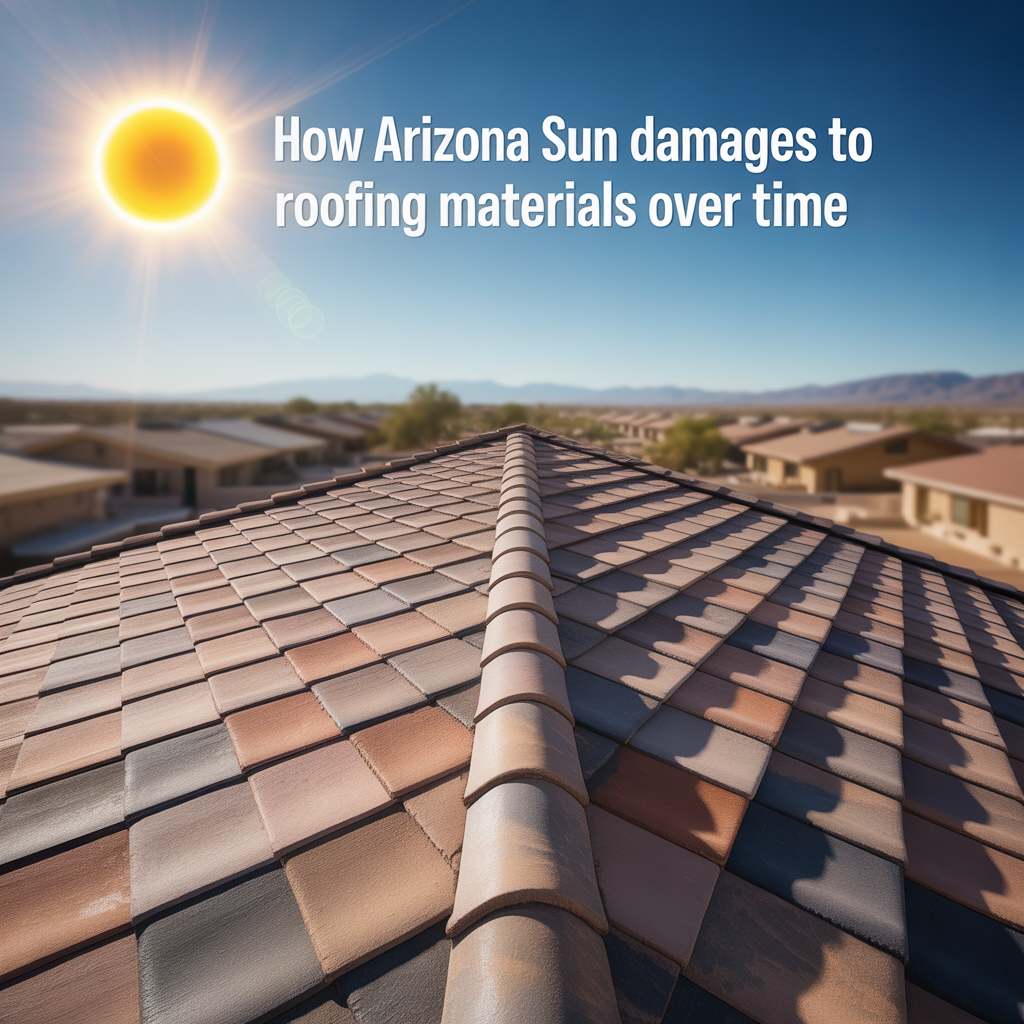
How Arizona Sun Damages Roofing Materials Over Time