



Phoenix Lifestyle Guide → [Phoenix Lifestyle Guide] & For more info on Phoenix Real Estate → [Phoenix Real Estate Guide]
Written by: Renee Burke
Phoenix real estate has a rhythm all its own — one that ebbs and flows with our desert seasons, our growth spurts, and the way people actually choose to build lives here. You’ve probably read the dramatic takes: explosive booms followed by sharp busts, with our Valley painted as the poster child for wild swings. But from where I sit, walking these neighborhoods day in and day out, the story feels far more predictable — and manageable — than the headlines suggest.
It’s like watching monsoon patterns year after year. You know the signs, you prepare thoughtfully, and you come out stronger on the other side. Let me walk you through how Phoenix truly behaves in these cycles, drawing from decades of watching families settle, investors recalibrate, and communities adapt.
The Boom Pattern We’ve Seen Before
When Phoenix booms, it’s fueled by equal parts sunshine, opportunity, and momentum. Jobs arrive — tech firms in Chandler, manufacturing in Mesa, finance along the Camelback Corridor — pulling in transplants who fall for our wide-open spaces and forever views. Inventory tightens fast, especially in family-friendly spots like Gilbert or established enclaves like Paradise Valley.
Prices climb steadily at first, then accelerate as word spreads. Builders ramp up in master-planned communities like Verrado or Eastmark, offering incentives that feel generous until demand outpaces supply. Buyers stretch a little, sellers list aggressively, and suddenly every open house has a line. We saw this in the mid-2000s, when easy credit and rapid population growth turned steady appreciation into a frenzy. North Scottsdale estates and South Tempe tract homes alike saw double-digit jumps year over year.
What feels different on the ground? It’s electric but not chaotic. Neighbors chat about upgrades over backyard fences. Coffee shops in Arcadia buzz with relocation stories. The air hums with possibility — young professionals eyeing lofts near Roosevelt Row, retirees discovering Sun City quiet. Booms here reward the prepared: those who time their move before the frenzy peaks.
Why Booms Magnify in Phoenix
Our geography plays a starring role. Vast land availability lets builders scale quickly — think Goodyear’s booming suburbs or Buckeye’s expansive lots — but zoning, water rights, and infrastructure lag just enough to create scarcity in the hot spots. Add seasonal snowbird influxes and our appeal as a second-home haven, and demand spikes harder than in denser markets.
Lifestyle pulls people in, too. It’s not just jobs; it’s the hike at Piestewa Peak after work, the farm-fresh markets in Old Town Scottsdale, or drive times that still feel human along the 101. During booms, these intangibles turn cautious shoppers into committed buyers. Families prioritize BASIS schools in North Phoenix; remote workers seek views from hilltop homes in Fountain Hills.
I’ve guided dozens through these peaks. They often say, “Renee, it feels urgent, but right.” That’s the tell: genuine excitement rooted in how Phoenix fits their life, not FOMO from national chatter.
The Cool-Down: Steady, Not Sudden
When the cycle cools — as it always does — Phoenix doesn’t crash; it exhales. Inventory builds as builders adjust and sellers test the waters. Prices plateau or soften 5-10% in overbuilt pockets like parts of Surprise or Avondale, while premium areas like DC Ranch hold firmer. Negotiations open up: closing cost credits, leasebacks, even small repairs without battle.
Take the post-2006 unwind or the early 2010s reset. Unemployment ticked up, foreclosures dotted neighborhoods from Laveen to El Mirage, but recovery came methodically. By 2012-2013, jobs rebounded via Intel’s expansions and TSMC’s commitments, stabilizing values faster than expected. Today’s cool-downs feel similar: higher rates pause the frenzy, but pent-up locals and newcomers keep things balanced.
On the ground, it’s calmer showings in Ahwatukee, fewer multiple offers in Peoria, but foot traffic holds in walkable gems like Downtown Gilbert. Buyers breathe easier, sellers price realistically, and we see more downsizers from Biltmore trading for lock-and-leave in McCormick Ranch. It’s a market inviting thoughtfulness, not retreat.
Cool-Down Behaviors You’ll Notice
Buyers shift to strategy: locking preferred rates via buydowns, targeting motivated sellers in summer lulls, or waiting out a single season for better selection. Sellers stage thoughtfully, highlight lifestyle perks like proximity to the Light Rail or shaded trails in Encanto. Builders in Queen Creek offer flex plans — smaller lots, solar standard — drawing first-timers wary of stretching.
Misconceptions fade, too. People realize renting in Phoenix isn’t forever cheap, and equity builds meaningfully here over time. Families talk less about “timing the bottom” and more about fit: Does this home near Chandler Fashion Center support soccer practices and date nights? Conversations turn patient, collaborative.
Phoenix cool-downs reward locals who know our pulse. Summers slow naturally — who moves in 115 degrees? — then fall reignites with school starts and cooler evenings. By winter, snowbirds test the market, bridging to spring surges.
Historical Echoes That Predict Today
Look back, and patterns repeat. Post-WWII, FHA loans and AC tech exploded growth from Maryvale to Mesa. The 1980s Savings & Loan hiccup cooled overzealous tracts. The 2000s bubble burst on loose lending and land auctions, halving values in hard-hit zones before rebounding by 2015. Each time, Phoenix leaned on diversified jobs — aerospace, semiconductors, healthcare — and our unyielding appeal.
Today’s cycle mirrors that: post-pandemic boom tapered by rates, but with semiconductors booming in north Chandler and tourism steady via Sky Harbor. We’re not overbuilt like 2006; inventory’s healthier, demand rooted in relocators from California and Texas. Cool-downs here last 12-24 months, booms build gradually.
Lifestyle: The Constant Thread
Through every cycle, Phoenix buyers prioritize living well. Booms amplify sun-soaked patios and mountain frames; cool-downs let you snag that Coronado cul-de-sac with a citrus grove. Retirees favor 55+ in Sun City Grand for golf and grandkids’ visits. Young families chase top-rated schools in Higley or community pools in San Tan Ranch.
Commutes matter — Loop 202 expansions help, but avoiding I-10 rush from Avondale remains gold. Dining scenes evolve: booms fill rooftop bars in Roosevelt Row; cool-downs highlight neighborhood gems like The Arrogant Butcher without crowds. This isn’t abstract; it’s Saturday mornings at South Mountain trails, evenings at Desert Botanical Garden lights. Cycles shift prices, but lifestyle endures.
Navigating Cycles with Quiet Confidence
Phoenix teaches resilience. Booms build wealth for the steady; cool-downs create entry points for the prepared. Right now, we’re in a healthy pause — values stable, choices expanding, opportunities for smart moves in Central Phoenix or East Valley.
Buyers feel hopeful caution; sellers, realistic optimism. It’s the sweet spot where decisions align with life, not headlines.
Let’s Map Your Path Forward
If these cycles have you pausing — wondering when to step in, list, or relocate within the Valley — you don’t have to navigate alone.
I’ve walked countless families through Phoenix’s ups and downs, from boom-time bids to cool-down steals. Let’s chat about your timeline, your must-haves, and how this market truly fits your story.
Reach out anytime — a call, a text, a quick coffee. I’m here as your steady guide, keeping things clear and calm.
You’ve got this, and I’ve got your back.
Get the full Phoenix Market Insights → [Market Insights]


-
Cost of Living in Rhode Island: Housing, Taxes, Utilities, and Everyday Expenses
-

What If My Commute Becomes Worse Than Expected?
-

How Aging Home Systems Affect Property Value
-

Energy Efficiency Upgrades for Phoenix Homes
-
How to Plan for Major Home System Replacements
-

When Phoenix Homeowners Should Replace Water Heaters
-

Repair vs Replace Decisions for Phoenix HVAC Systems
-
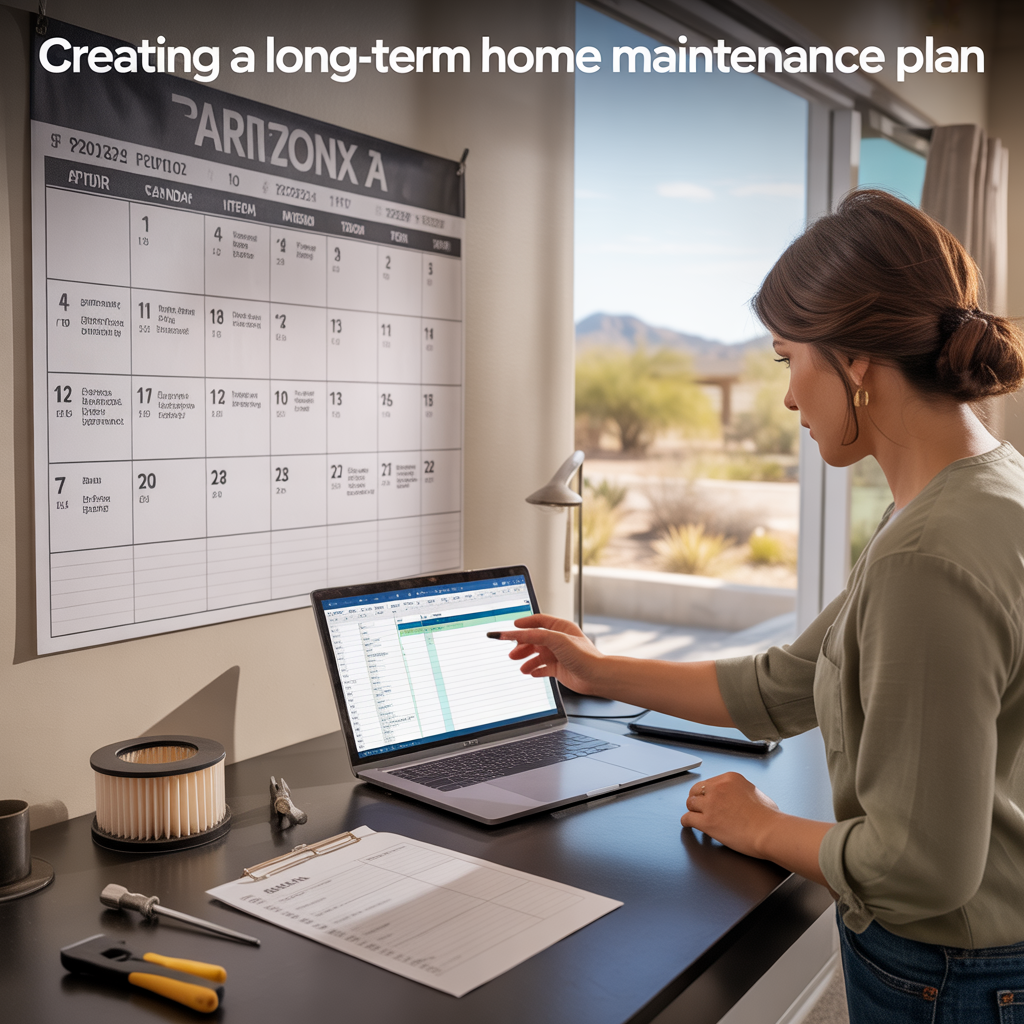
Creating a Long-Term Home Maintenance Plan
-

How Often Phoenix Homes Should Be Professionally Inspected
-
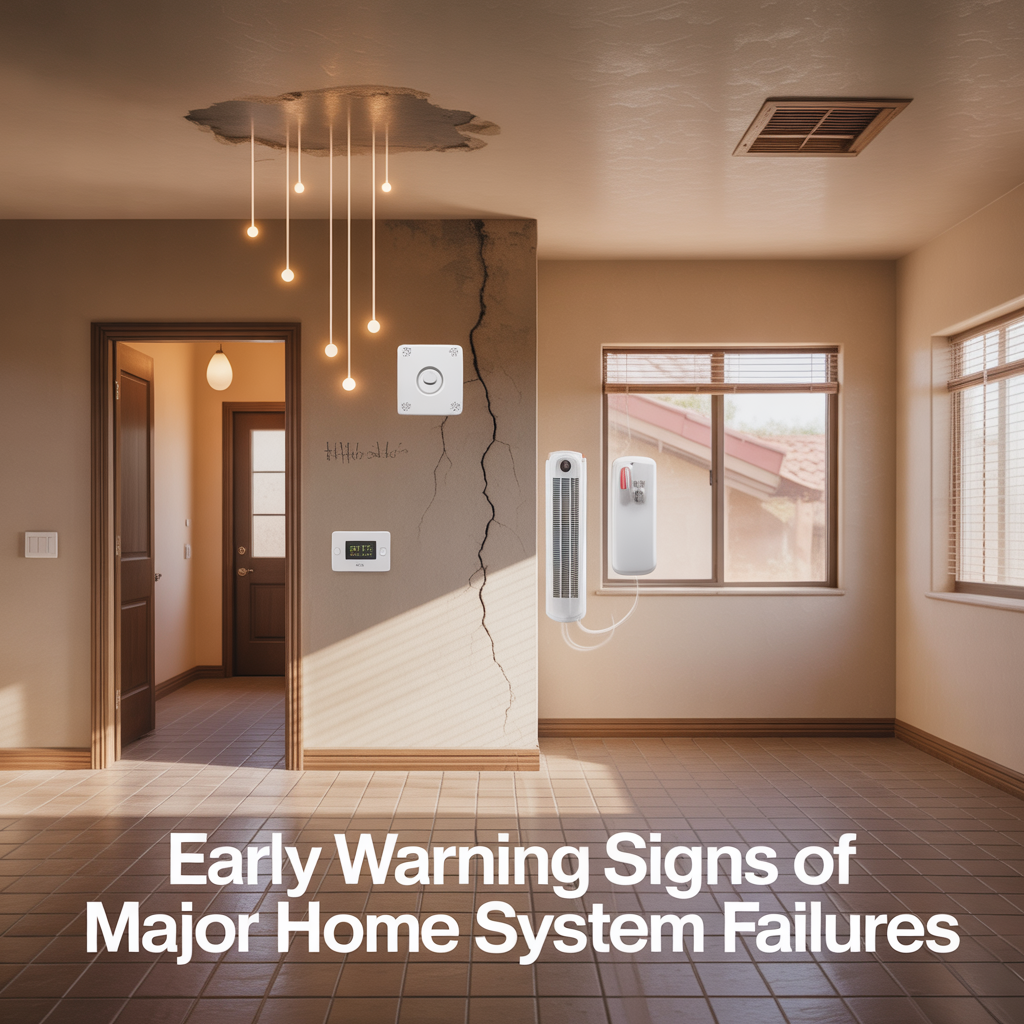
Early Warning Signs of Major Home System Failures
-

How Preventative Maintenance Protects Phoenix Property Value
-

The Best Annual Home Maintenance Plan for Phoenix Homes
-

Electrical Safety Inspections for Older Phoenix Homes
-

Why Whole-Home Surge Protection Matters in Arizona
-

Preparing a Phoenix Home for Electric Vehicle Charging
-

Signs Your Home’s Electrical System Is Overloaded
-
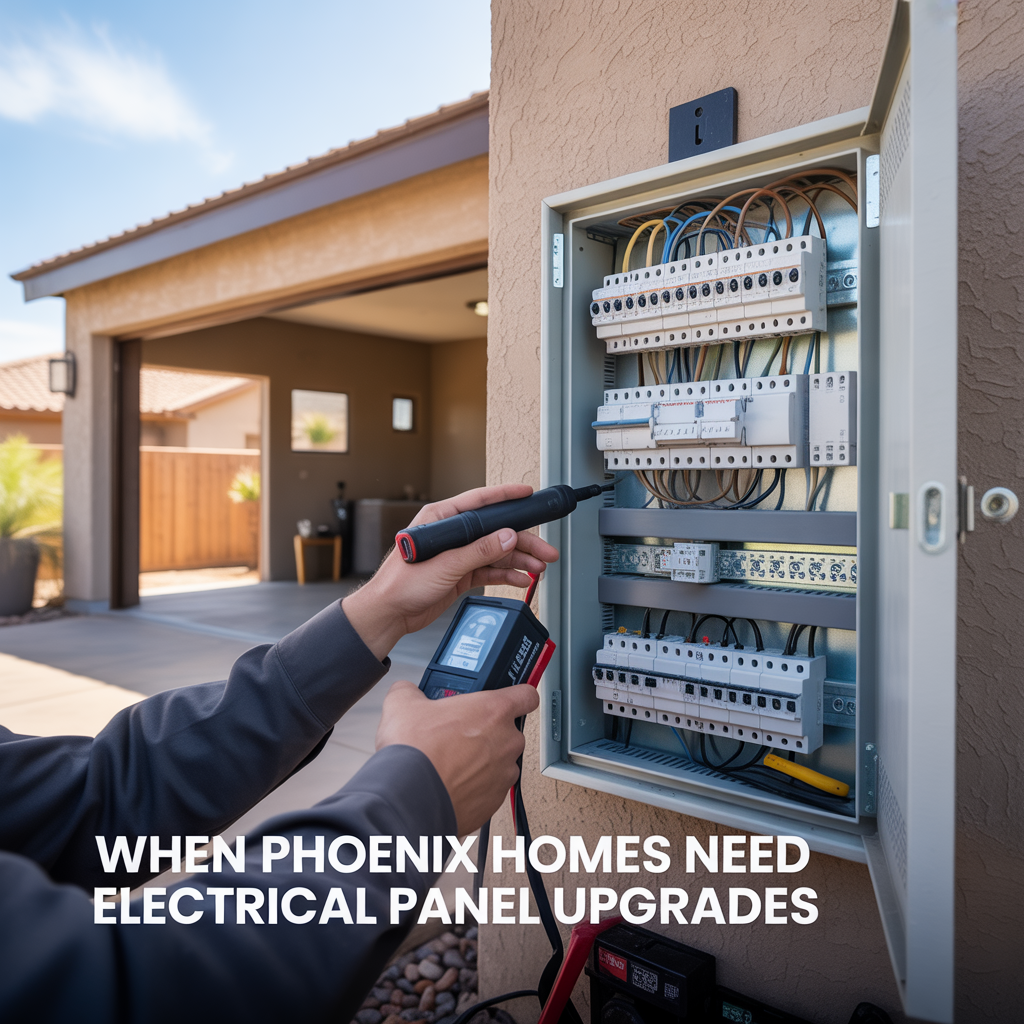
When Phoenix Homes Need Electrical Panel Upgrades
-

Water Pressure Problems in Phoenix Homes Explained
-

Preventing Irrigation Leaks That Waste Water in Desert Landscapes
-

Signs of Hidden Plumbing Leaks in Phoenix Houses
-

How Long Water Heaters Last in Arizona Homes
-

How Hard Water Affects Plumbing Systems in Phoenix Homes
-

Preventing Water Damage in Phoenix Homes During Storms
-

Roof Maintenance Tips Before Phoenix Monsoon Season
-

How Arizona Sun Damages Roofing Materials Over Time