



Phoenix Lifestyle Guide → [Phoenix Lifestyle Guide] & For more info on Phoenix Real Estate → [Phoenix Real Estate Guide]
Written by: Renee Burke
Now is not a “bad” time to buy in Phoenix, but it is very much a “choose wisely” time. The local market has shifted out of the extreme frenzy of the early‑2020s and into something more grounded — a slower‑moving, more selective environment where both opportunity and risk depend on why and how you buy, not on the calendar date.
Let me walk you through what “now” actually looks like in the Valley and where it can and cannot work in your favor.
What “now” looks like for Phoenix buyers
Phoenix has settled into a more stable pattern: prices have softened slightly from pandemic highs, interest rates have come down a notch from their 2023 peak and are holding in a more predictable band, and there are more homes on the market than we saw a few years ago.
That combination creates a window where:
- You have more choices to compare, especially under $500,000.
- Negotiations are possible again: sellers are more willing to consider offers, concessions, or small price reductions than they were in 2021–2022.
- The volatility of “must‑bid‑now‑or‑lose‑it” stress has largely passed, which gives you breathing room to think.
At the same time, Phoenix is still a growing region with strong job and population flows, so you’re not buying into a collapsing market. In that sense, “now” is less about timing the perfect bottom and more about making sure your own situation fits a slow‑building environment.
When “now” can feel like a good time
There are a few scenarios where 2026 can actually be a decent moment to buy in Phoenix:
- You’re a reality‑based buyer, not a “perfect‑bottom‑searcher.”
Phoenix is not on the edge of a crash; analysts repeatedly point out that supply is still constrained relative to demand. If you’re planning to live in the Valley for several years, buying in a stable range often beats waiting for a mythic rock‑bottom that may never come. - You’re flexible on location or type.
Certain price points and property types — especially condos and older, affordable stock in central cores — have softened more than others. If you’re willing to trade some square footage or age for location or price, there’s more negotiation power and gentler appreciation expectations than there was a couple of years ago. - You can qualify in today’s rate environment.
Rates are lower than their late‑2023 peak but still higher than the ultra‑low pandemic window. If a payment in this range feels comfortable, then waiting for a dramatic rate drop is probably planning for a hope that may not materialize. The experts note that “stable” rates are already enough to rebuild buyer confidence.
In those situations, “now” can work. It’s not a once‑in‑a‑lifetime event — it’s a reasonable moment to make a move for someone who plans to stay and grow roots here.
When “now” can feel like a risky ‑‑ or misleading ‑‑ time
There are also conditions where jumping in today could feel premature — not because the market is bad, but because your situation isn’t aligned:
- You’re buying for short‑term price spikes.
Growth is still likely, but it’s expected to be moderate rather than explosive, and conditions are uneven across segments. If you’re primarily chasing appreciation without a serious intention to live in the home for several years, then “now” runs more of the risk of getting stuck between high carrying costs and slower‑than‑hoped gains. - You’re stretching to the absolute max of your budget.
With rates still in the 6% band, even modest homes can push monthly costs higher than anticipated. The current environment favors buyers who can breathe — who have reserves for surprise repairs or HOA changes — not those counting on a miracle refi in 12 months. - You haven’t clarified why Phoenix.
The Valley is big and diverse; what may feel underwhelming in one submarket (e.g., a more far‑reaching outer suburb) can be a great fit five miles away in a different community. If you haven’t yet narrowed your priorities around commute, schools, budget bands, and lifestyle, then “now” can feel haphazard instead of intentional.
In those cases, “now” isn’t “bad” as much as it is poorly timed for you. It becomes easier to regret buying if your own foundation isn’t solidified first.
How Phoenix actually behaves right now
Right now the local market leans toward a more balanced relationship between buyers and sellers than in recent years: more listings, less panic bidding, and price appreciation that is subdued rather than non‑existent.
That means:
- You can actually compare multiple options in a submarket without everything vanishing overnight.
- There’s room to tweak terms beyond price — closing dates, inspections, earnest‑money terms, sometimes even HOA‑fee concessions — in ways that didn’t exist in 2021–2022.
- Waiting for a crash‑like correction is likely misplaced; experts emphasize limited supply and sustained migration, which make a 2008‑style plunge highly unlikely.
So “now” is less about “bad timing” and more about “more normal timing” — closer to what pre‑pandemic buyers may have been used to than to the spectacle of the last few years.
The question that matters more than the calendar
Instead of asking “Is now a bad time to buy in Phoenix?”, a more helpful question is:
Given where rates, my budget, and my lifestyle needs are right now, does buying today move me closer to the life I want to live in the Valley — and can I comfortably own this home for at least five years?
If the answer is yes, then it’s reasonable to move forward. If the answer is “I’m hoping prices will drop more” or “I’m not sure if Phoenix is really where we want to be,” then waiting — not for a perfect official green light, but for your own clarity — makes more sense.
Buying a home in Phoenix is rarely about hitting the absolute bottom; it’s about understanding the underlying stability of the region and ensuring your own finances are anchored enough to ride the inevitable dips and rises that will come.
What I’d suggest you do next
If you’re even mildly considering new‑market‑timing questions like this, the smartest next step is not to guess — it’s to connect your specific numbers, timeline, and lifestyle to the real‑world conditions here in the Valley.
If you’re thinking about making a move in Phoenix, you don’t have to figure it out alone. Whether you’re running numbers on a first‑time purchase, weighing an upgrade, or testing whether staying put still makes sense, it helps to talk through what “now” really means for your situation — not just for the market headlines.
When you’re ready to turn those doubts into a clear plan for your Phoenix home search, I’m here to walk through what you can realistically afford, where the market is actually soft versus truly stable, and how to pick a home that feels like an investment in your life, not a gamble on timing.
Get the full Phoenix Market Insights → [Market Insights]


-
Cost of Living in Rhode Island: Housing, Taxes, Utilities, and Everyday Expenses
-

What If My Commute Becomes Worse Than Expected?
-

How Aging Home Systems Affect Property Value
-

Energy Efficiency Upgrades for Phoenix Homes
-
How to Plan for Major Home System Replacements
-

When Phoenix Homeowners Should Replace Water Heaters
-

Repair vs Replace Decisions for Phoenix HVAC Systems
-
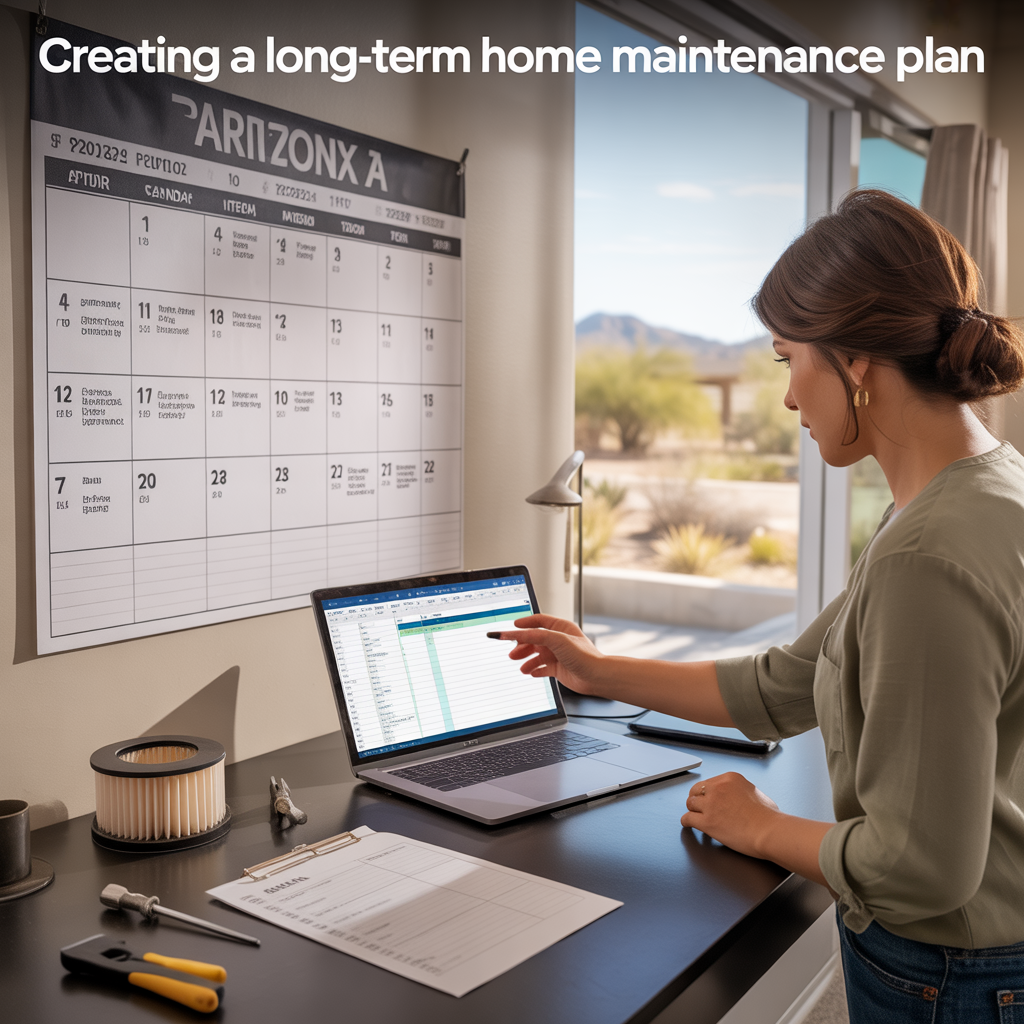
Creating a Long-Term Home Maintenance Plan
-

How Often Phoenix Homes Should Be Professionally Inspected
-
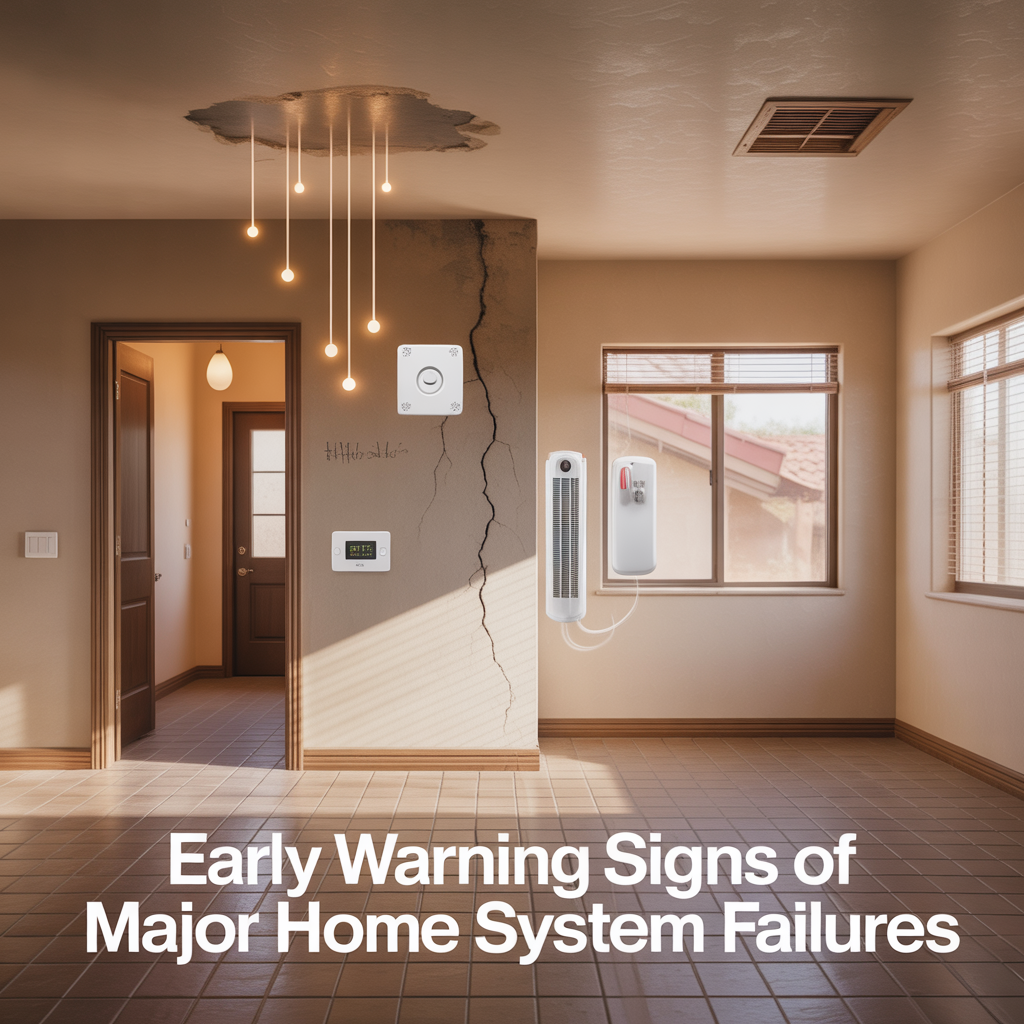
Early Warning Signs of Major Home System Failures
-

How Preventative Maintenance Protects Phoenix Property Value
-

The Best Annual Home Maintenance Plan for Phoenix Homes
-

Electrical Safety Inspections for Older Phoenix Homes
-
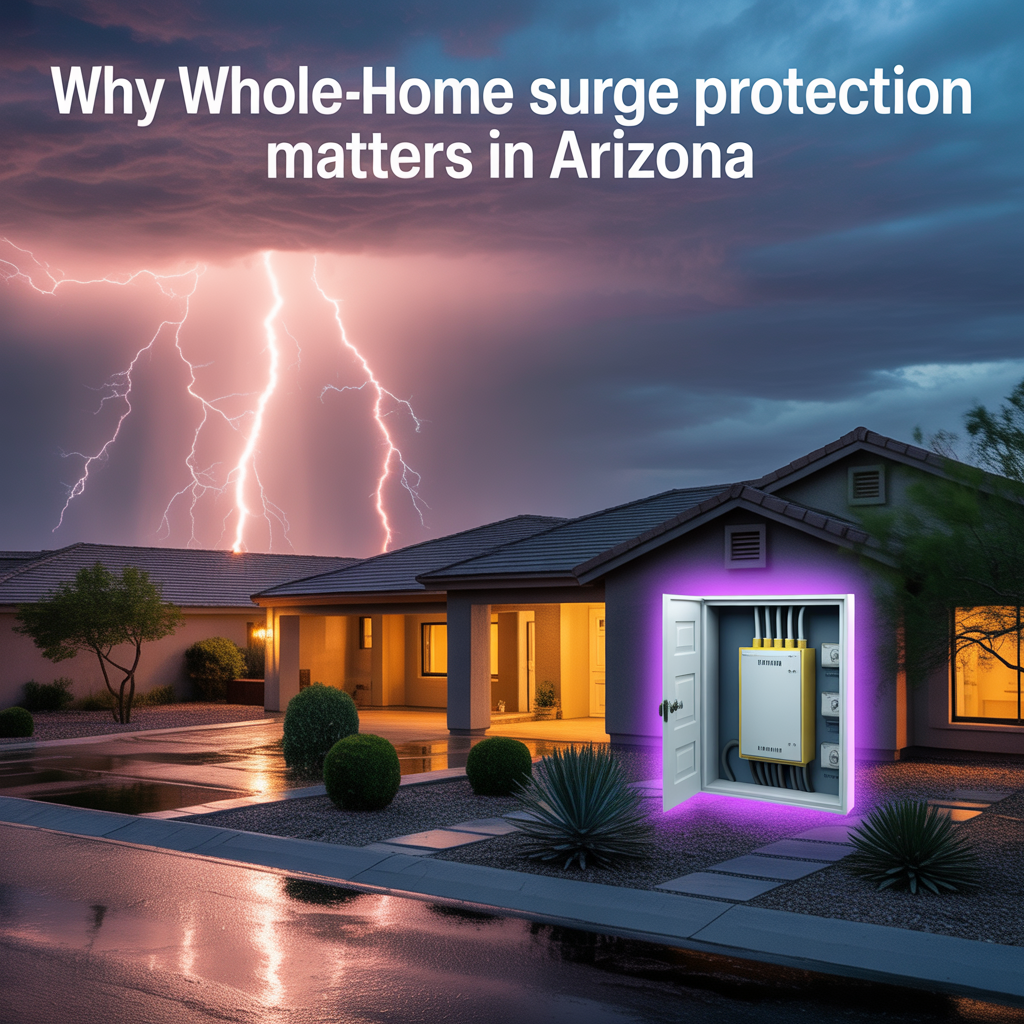
Why Whole-Home Surge Protection Matters in Arizona
-

Preparing a Phoenix Home for Electric Vehicle Charging
-

Signs Your Home’s Electrical System Is Overloaded
-
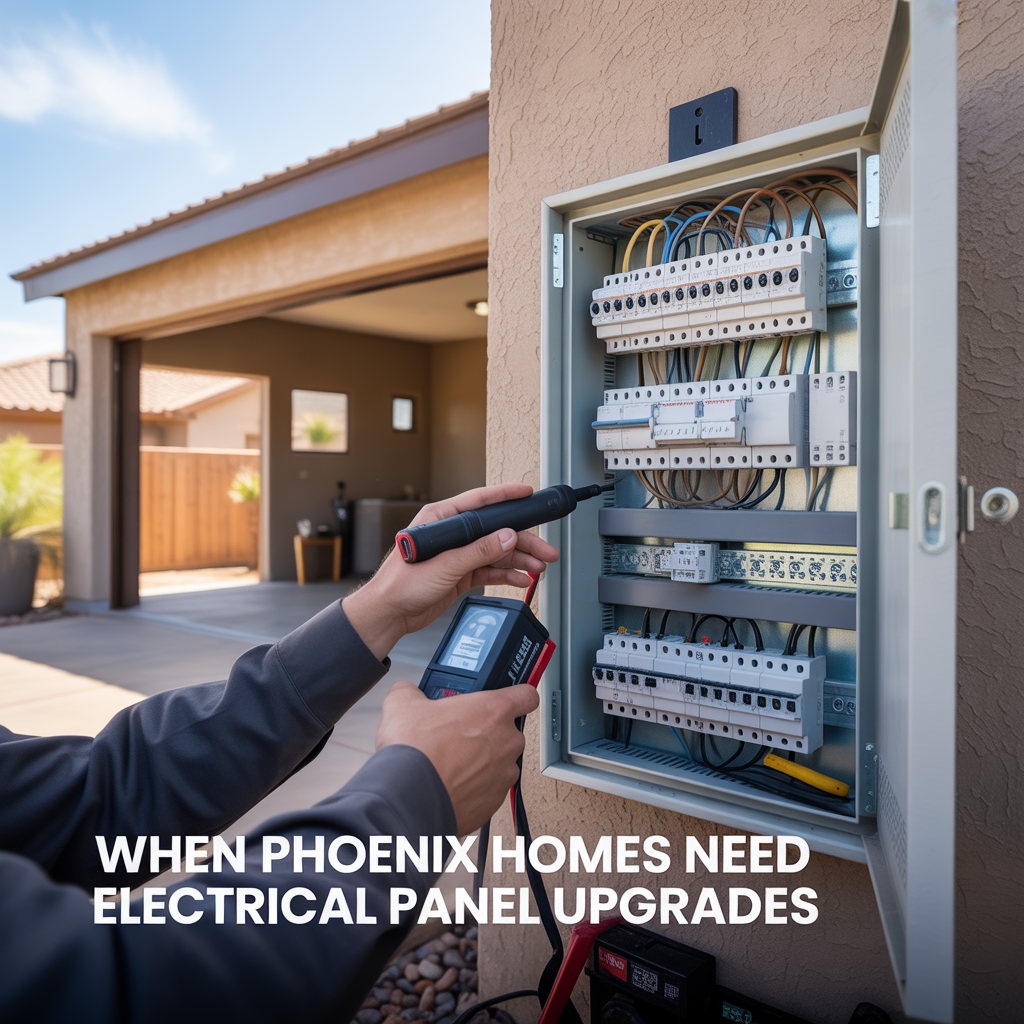
When Phoenix Homes Need Electrical Panel Upgrades
-

Water Pressure Problems in Phoenix Homes Explained
-
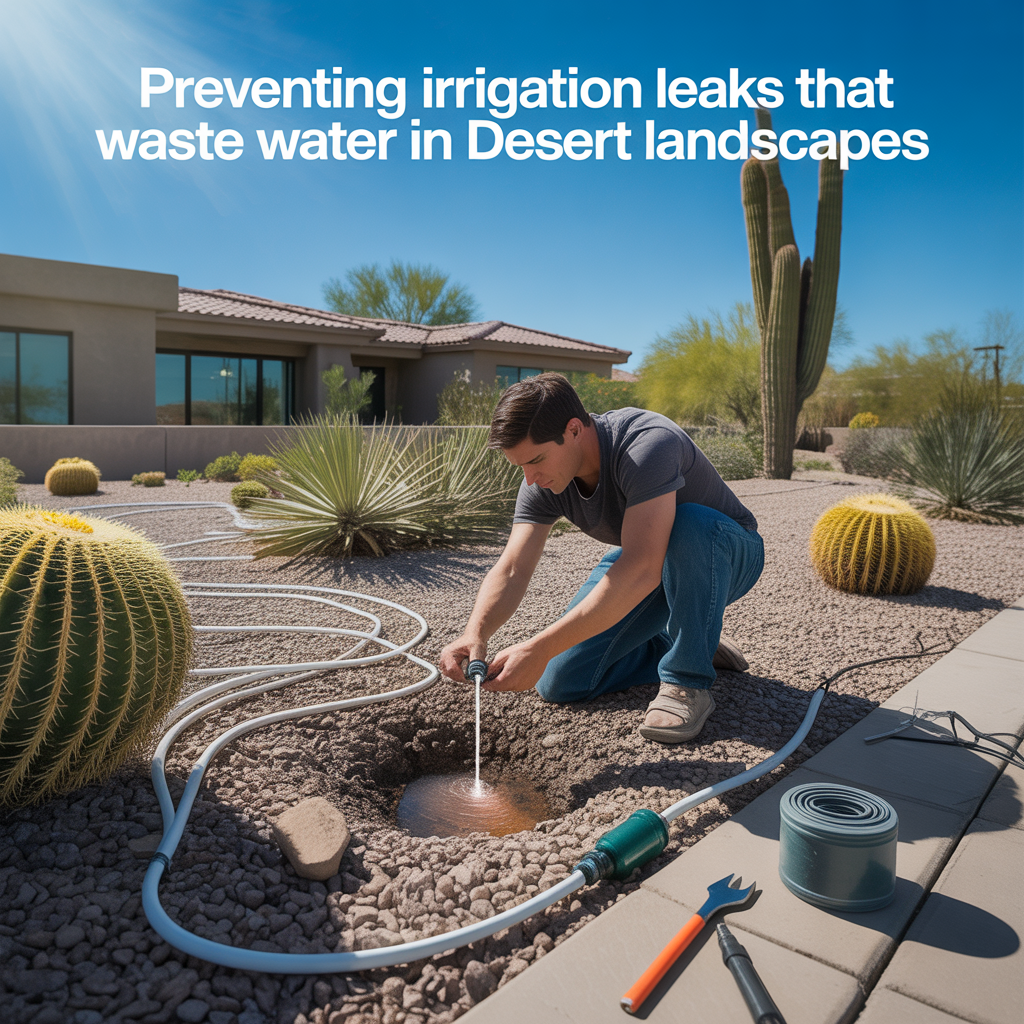
Preventing Irrigation Leaks That Waste Water in Desert Landscapes
-

Signs of Hidden Plumbing Leaks in Phoenix Houses
-
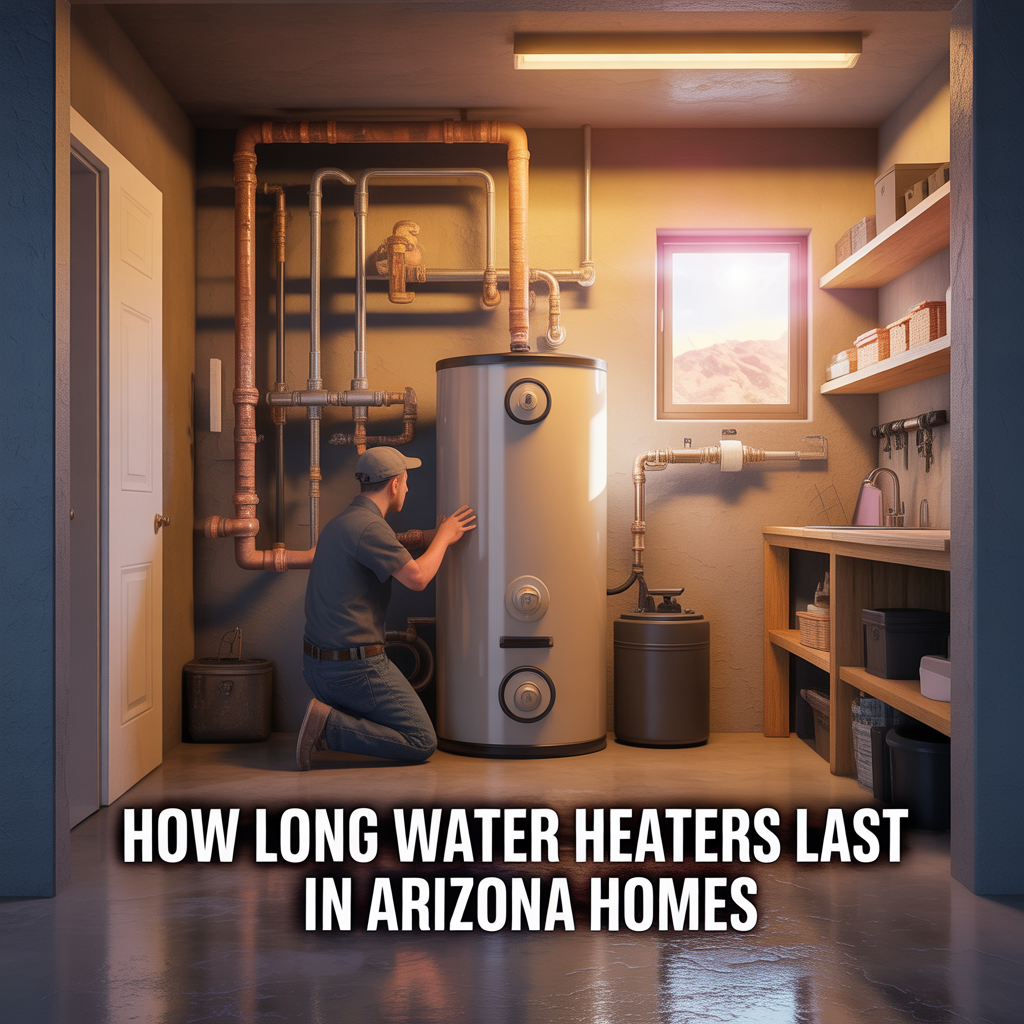
How Long Water Heaters Last in Arizona Homes
-

How Hard Water Affects Plumbing Systems in Phoenix Homes
-
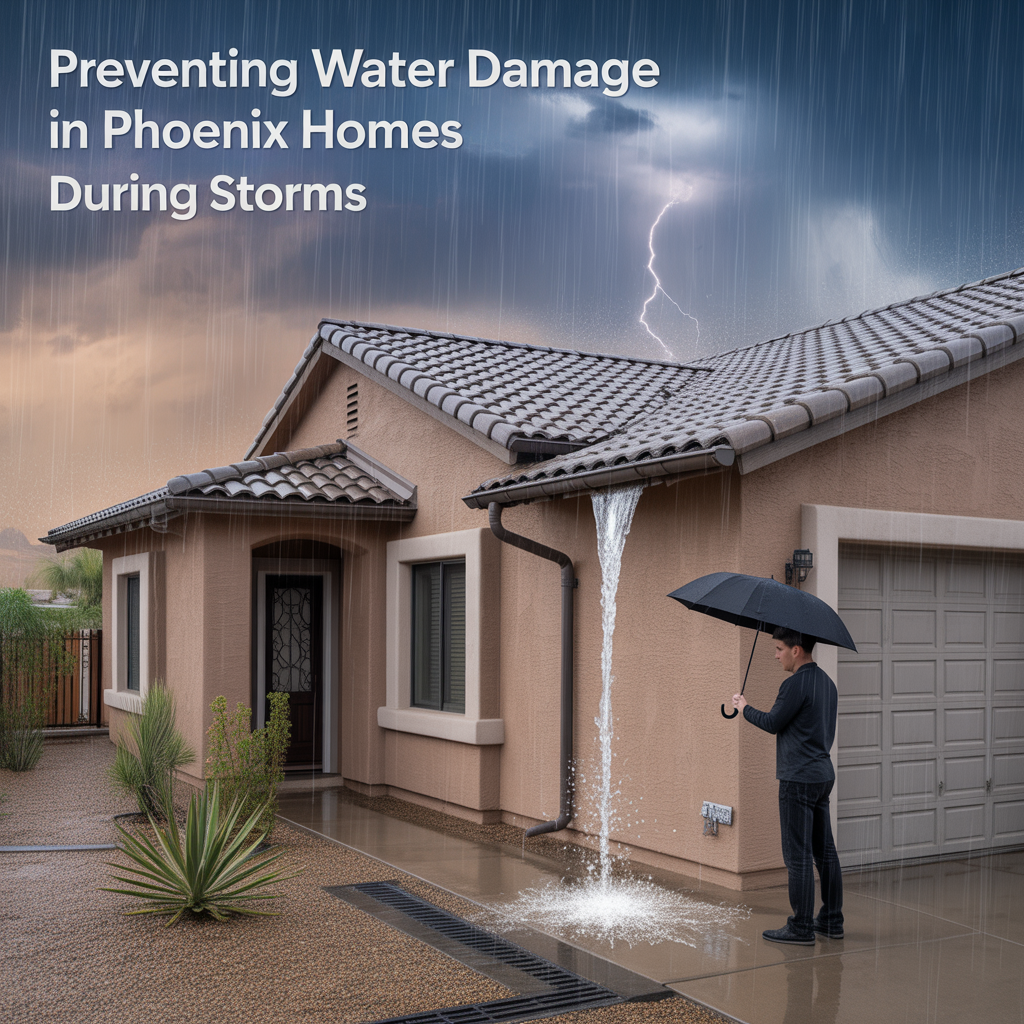
Preventing Water Damage in Phoenix Homes During Storms
-

Roof Maintenance Tips Before Phoenix Monsoon Season
-
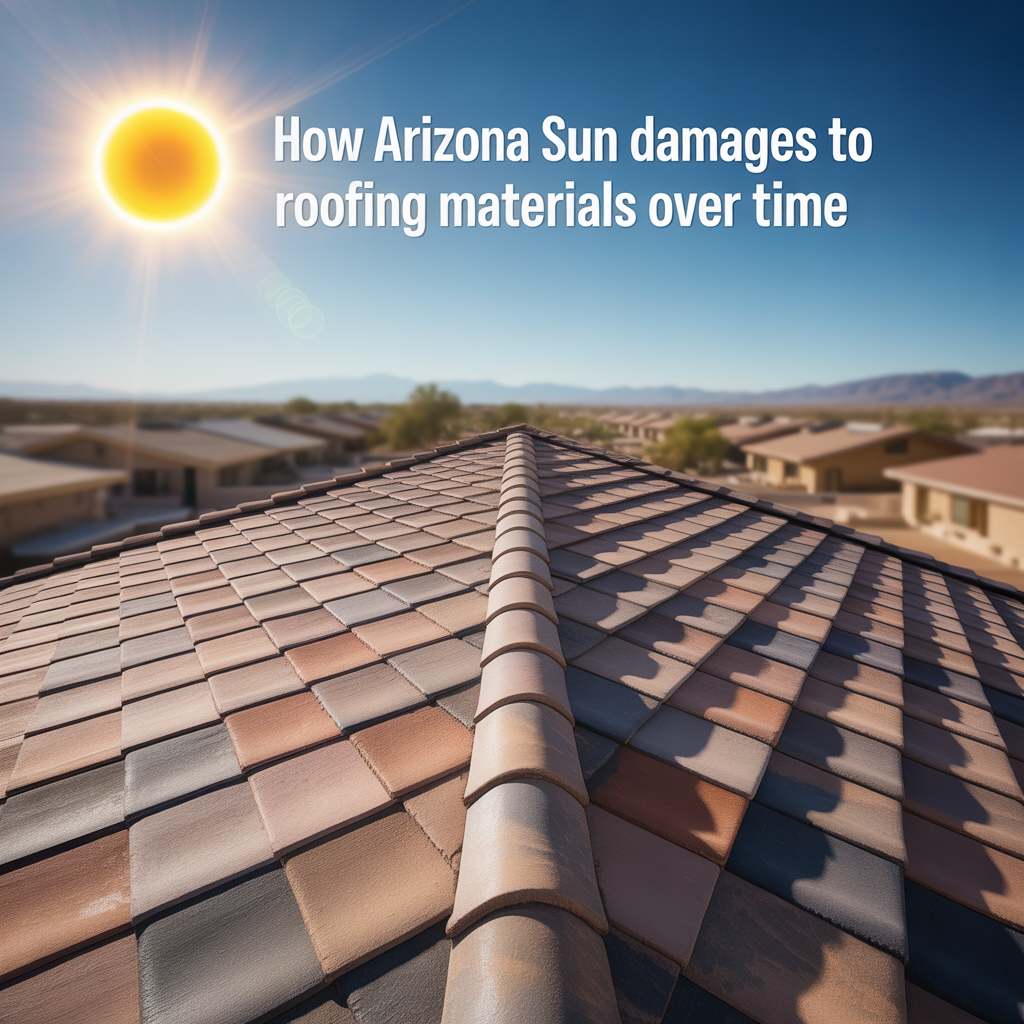
How Arizona Sun Damages Roofing Materials Over Time