


Buyer Fears→ [Buyer Fears] & For more info on other fears Phoenix Real Estate → [Phoenix Real Estate Fears Guide]
Written by: Renee Burke
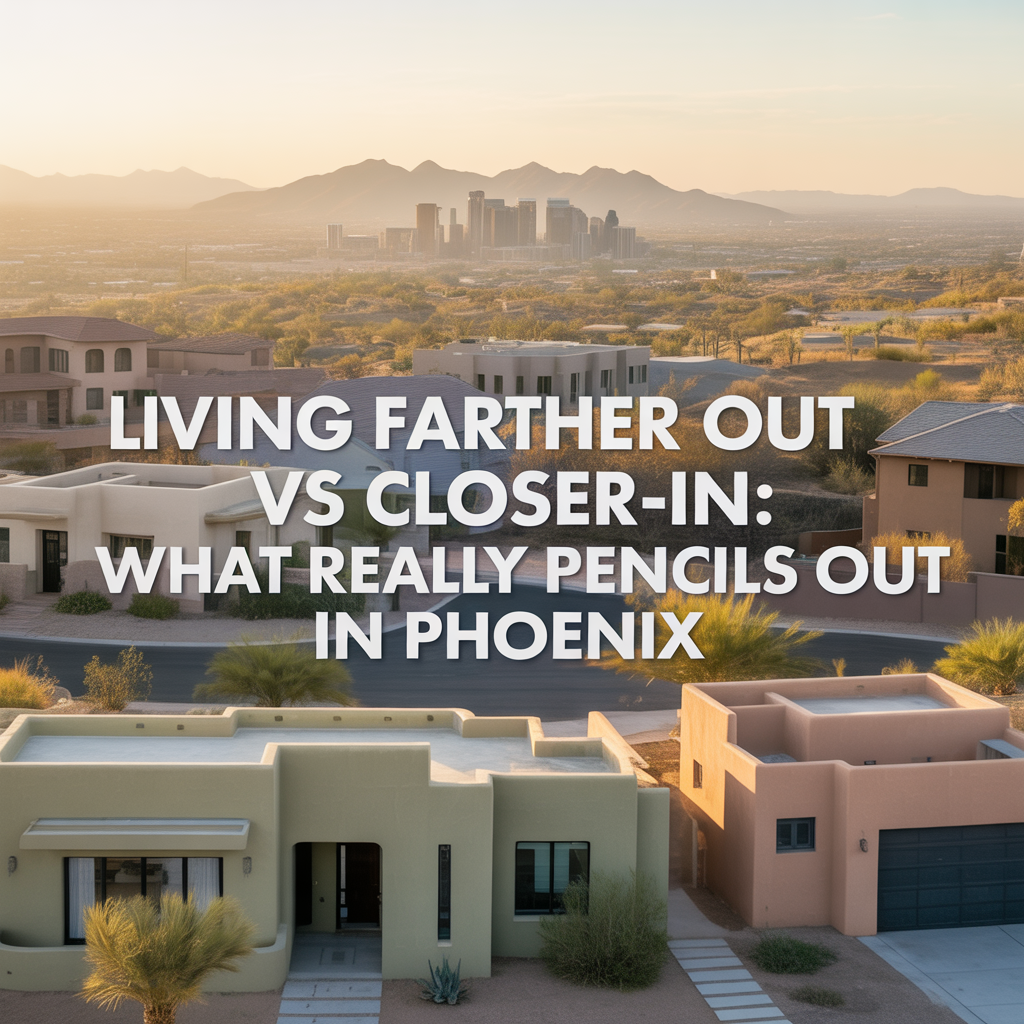
Phoenix’s metro sprawl offers a classic trade-off: vibrant urban cores like Downtown or Tempe versus spacious suburbs in Queen Creek or Buckeye. Farther-out living tempts with bigger homes and yards, while closer-in spots promise walkability and shorter drives. After years guiding families through these choices, I’ve crunched the numbers—it’s rarely just about price; lifestyle, hidden costs, and long-term appreciation tip the scales.
In our Valley market, where home prices softened slightly into 2026 after peaking in 2022, the math favors intentional picks. Let’s break it down calmly, so you see what fits your budget and dreams.
Upfront Housing Costs
Closer-in Phoenix (Downtown, Roosevelt Row, Central Corridor) carries premium tags—median homes hover $450K-$600K for condos or townhomes under 2,000 sq ft. Rents start at $1,800 for a one-bedroom, reflecting demand from young pros and ASU families.
Farther out (San Tan Valley, Goodyear, far East Gilbert), you snag 4-bedrooms with pools for $500K-$650K, often 3,000+ sq ft on larger lots. New builds in Verrado or Eastmark stretch to $700K but include upgrades.
Surprise: Core Phoenix proper ($52K annual living costs) undercuts suburbs like Scottsdale ($87K) or Gilbert ($63K). Suburbs win on space-per-dollar, but not always total affordability.
Monthly Ownership Breakdown
Mortgage, taxes, insurance, and HOA paint the full picture at 6.5% rates.
| Category | Closer-In (e.g., Downtown) | Farther-Out (e.g., Buckeye) |
|---|---|---|
| Median Home Price | $525K | $575K |
| Monthly P&I | $3,300 | $3,600 |
| Property Taxes | $300 (1.1% rate) | $350 (higher AV) |
| HOA (if appl.) | $250-$400 | $100-$200 |
| Utilities | $175 (smaller space) | $250 (AC, pool) |
| Total Monthly | $4,200 | $4,700 |
Farther-out edges higher on bills—summer electric for sprawling homes spikes 30-50%. But no-parking-fee urban condos save $150/month.
Commute and Transport Realities
The killer variable: time and gas. Closer-in to jobs (Sky Harbor, Intel Chandler)? 15-25 minutes, $100/month fuel. Light rail zips Downtown to Mesa for $64 passes.
Farther-out: 35-60 minutes to core hubs via I-10/Loop 303, $250+ gas amid $3.50/gallon. HOV shaves time, but monsoons add 20 minutes. Hybrids or remote work balance it.
Reality check: Suburbs like Queen Creek grew 10% yearly—new employers (TSMC North) shorten effective drives.
Lifestyle and Hidden Expenses
Urban perks: Walk to breweries, festivals, light rail—no car needed half the time. Dining, culture thrive; schools vary (Roosevelt excels).
Suburban draws: Top-rated districts (Gilbert Unified), trails, space for kids/pets. Grocery runs cheaper at Fry’s vs. urban Sprouts premiums. But car-dependent: two vehicles standard, insurance $200/month each.
Healthcare access: Core near Banner; outer needs 20-minute drives. Appreciation favors suburbs—East Valley up 4% yearly vs. urban flats.
| Lifestyle Factor | Closer-In Wins | Farther-Out Wins |
|---|---|---|
| Walkability | Coffee shops, events | Parks, but drive-focused |
| Schools | Improving charters | A+ districts |
| Weekend Vibes | Concerts, nightlife | Hiking, community pools |
| Family Fit | Singles/couples | Growing families |
Long-Term Math: 5-10 Years Out
Appreciation pencils urban steady (2-3% annual) from density; suburbs boom (4-6%) on expansion. Equity builds faster outward if you trade up.
Taxes rise slower core-side (rebates for historic). Resale: Urban quick to transplants; suburbs to families chasing yards.
Net: $100K saved upfront farther out compounds, but add $15K/year transport/lifestyle if car-heavy.
When Farther Out Wins
Growing families, remote/hybrid workers, or equity-builders. Buckeye’s $325K starters + strong schools pencil best under $120K household income.
When Closer-In Wins
Empty-nesters, urban lovers, or transit users. Downtown’s $899 starter rents convert to ownership savings, freeing cash for travel.
A Personal Note from Renee
Phoenix living pencils out beautifully when aligned with your phase—space for toddlers or buzz for adventures. No one-size-fits-all; it’s your story unfolding under our endless skies.
If you’re tallying Queen Creek vs. Quirky Central, you don’t have to figure it out alone. I’m here as your thoughtful guide, running personalized numbers and touring truths across the Valley. Reach out—let’s make the math work for your tomorrow.
Get the full Phoenix Market Insights → [Market Insights]


-

Pool Liability and Insurance in Phoenix
-

Protecting Outdoor Structures and Shade Systems
-

HVAC Failures and Insurance Coverage
-

Roof Maintenance for Phoenix Climate Conditions
-

Preventing Water Damage in Desert Landscapes
-

How Monsoon Storms Affect Phoenix Homes
-

Why Policy Structure Matters More Than Premium
-

Understanding Coverage Limits and Exclusions
-

What Personal Property Coverage Actually Includes
-

How Liability Coverage Protects Homeowners
-

Replacement Cost vs Market Value in Phoenix Insurance
-

Understanding Deductibles Before You Need Them
-

How Renovations Affect Insurance Coverage
-

When to Review Your Home Insurance Policy
-

Why Replacement Cost Matters in Phoenix Insurance Policies
-

When a House Truly Starts to Feel Like Home
-
How Phoenix Neighborhood Living Builds a Sense of Belonging
-

Why Stability Plays a Major Role in Long-Term Home Satisfaction
-

How Familiarity Changes the Experience of Living in a Home
-
Renovate or Move? Deciding What to Do When Your Phoenix Home No Longer Fits
-
How Lifestyle Changes Affect Space Needs in Phoenix Homes
-
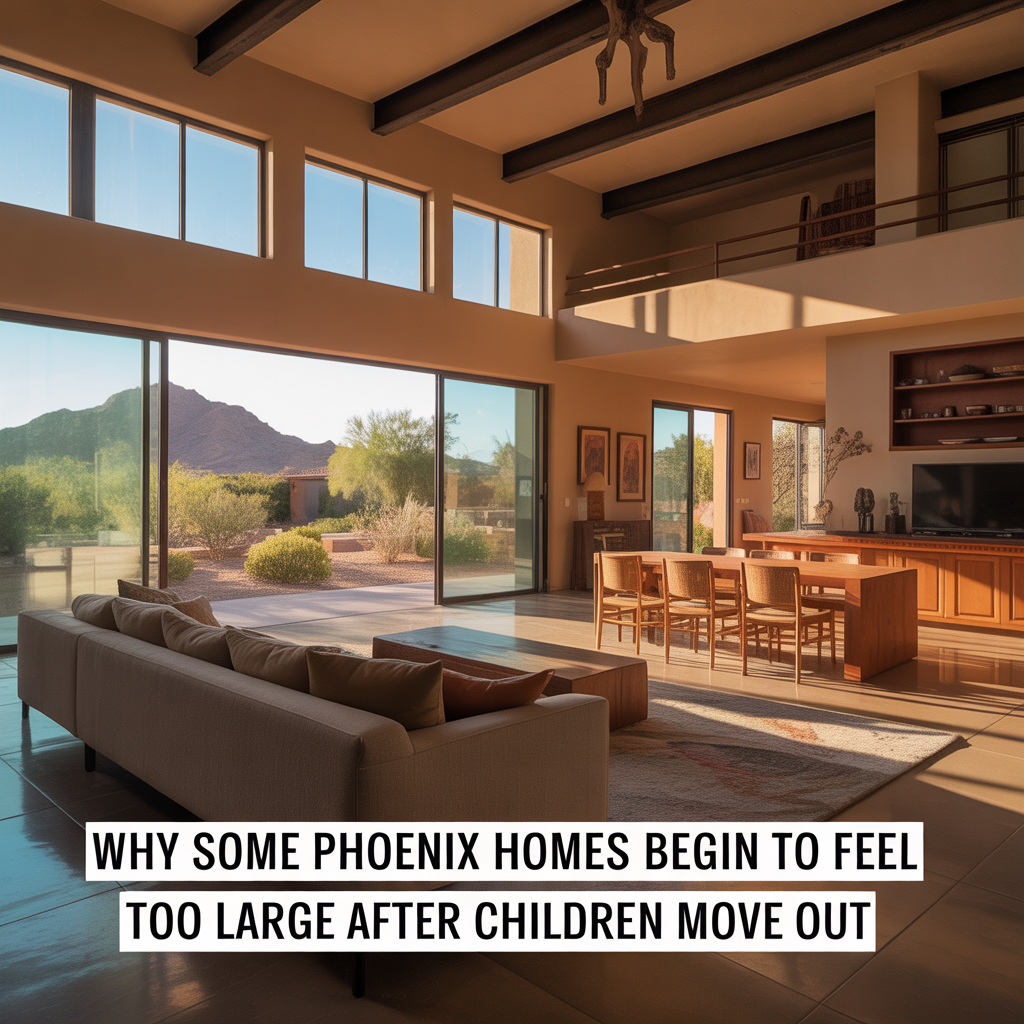
Why Some Phoenix Homes Begin to Feel Too Large After Children Move Out
-
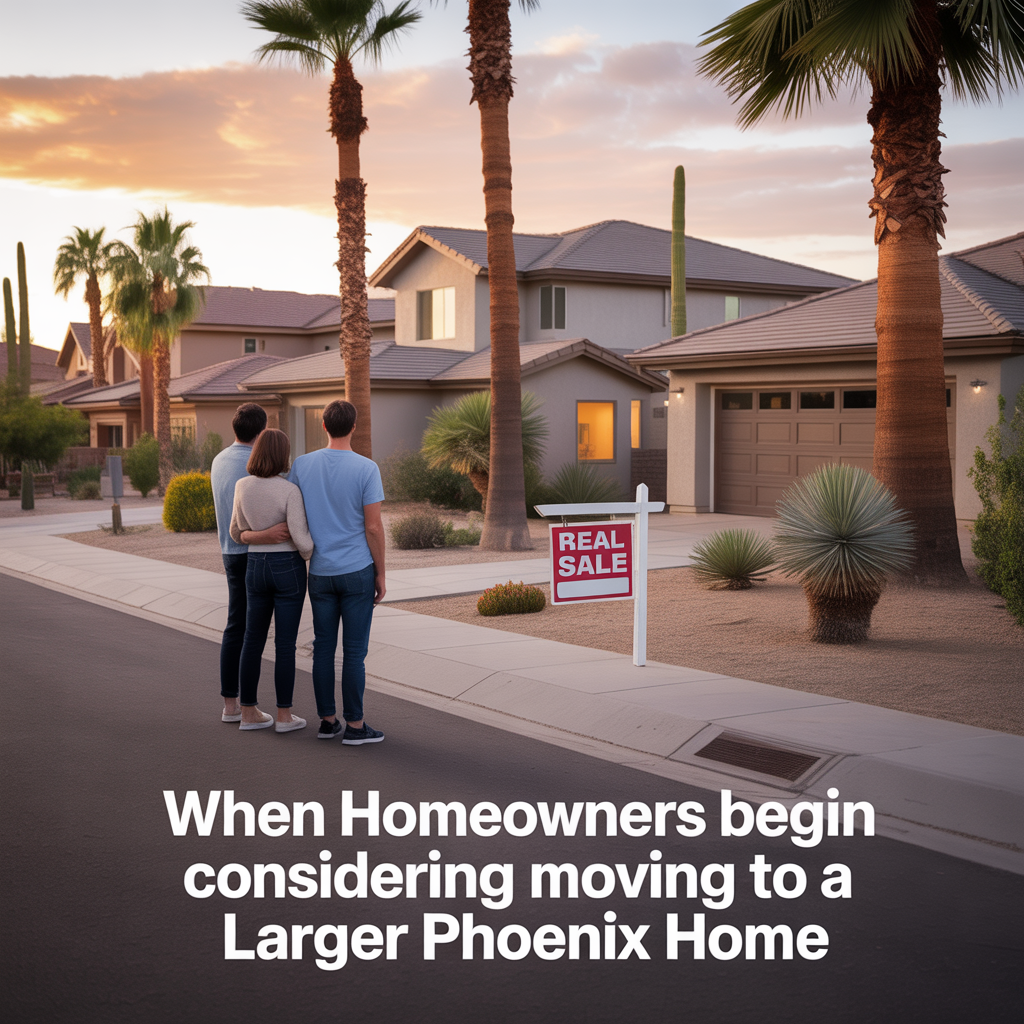
When Homeowners Begin Considering Moving to a Larger Phoenix Home
-

Signs Your Phoenix Home Is Starting to Feel Too Small for Your Family
-

How Desert Landscaping Evolves Over Years of Phoenix Homeownership