



Phoenix Lifestyle Guide → [Phoenix Lifestyle Guide] & For more info on Phoenix Real Estate → [Phoenix Real Estate Guide]
Written by: Renee Burke
I’ve held my breath alongside countless buyers waiting for inspection reports on Valley homes—from newish builds in Buckeye to mid-century ranches in Arcadia. These reports often flag a laundry list of issues, but not all carry the same weight. In Phoenix, our desert extremes—scorching heat, hard water, and shifting soils—highlight what truly demands attention versus what’s just cosmetic noise.
Let’s sort the critical from the manageable, so you know what to negotiate hard on and what to let slide with a maintenance plan.
HVAC and Cooling Systems: Always a Top Priority
No surprise here—our AC units battle 8–10 months of heat yearly, and inspectors flag them first. Dirty coils, low refrigerant, or units over 10–12 years old top the list, especially in older Gilbert or Mesa homes.
Why it matters: A failing system means $10k–$15k replacements mid-summer. Inconsistent cooling or rusted compressors signal end-of-life.
When to push: Near 15 years or major faults—request credits or escrow holds. Minor dirt? Seller cleans pre-closing. Newer variable-speed units in Peoria builds often pass easily.
Roofing Wear from UV and Monsoons
Phoenix roofs endure relentless sun and seasonal storms. Inspectors note granule loss on asphalt shingles, cracked tiles, or worn flat-roof coatings—common in 15–25-year-old Surprise or Chandler homes.
Why it matters: Leaks lead to mold and structural rot; full replacements hit $15k–$30k.
When to push: Active leaks, missing underlayment, or 20+ years old. Cosmetic cracks on tile? Often $2k–$5k repairs suffice—prioritize if hail history shows.
Electrical Panels and Safety Gaps
Outdated panels (Zinsco or Federal Pacific from pre-1980s), double-tapped breakers, or missing GFCIs near sinks/pools flag frequently in Central Phoenix infills.
Why it matters: Fire risks and insurance denials—upgrades run $3k–$6k but prevent disasters.
When to push: Non-compliant panels or no GFCIs in wet areas. Loose outlets? Minor, but bundle with panel work.
Plumbing and Water Heater Age
Hard water scales pipes and heaters fast. Corrosion at fittings, slow drains, or 8+ year-old tanks appear often, especially in block homes with galvanized lines.
Why it matters: Leaks flood slabs ($5k+ fixes); repiping older systems costs $7k–$12k.
When to push: Rust, leaks, or pre-2010 polybutylene pipes (recall-prone). Aging tanks? Negotiate if under 5 years left—tankless upgrades shine long-term.
Foundation and Drainage Red Flags
Bulging block walls, stair-step cracks, or soil grading toward the house scream soil expansion issues post-monsoon—rampant in West Valley clay-heavy lots.
Why it matters: Major shifts mean $10k–$50k piers; ignored, they worsen.
When to push: Hairline cracks under 1/8-inch are monitorable; wider gaps or doors sticking demand engineers.
Issues That Rarely Break Deals
Pools often flag aging pumps or plaster ($3k–$6k)—matter if you swim, less if not. Mold or pests in flips warrant specialists.
Valley-Specific Watchpoints
Our climate amplifies: dust-clogged HVAC, UV-brittled roofs, mineral buildup everywhere. Inspectors prioritize habitability—cooling, waterproofing, safety—over aesthetics. SRP rebates offset efficient fixes; HOAs may mandate exteriors.
Flipped homes hide hasty patches—request original permits. New builds flag builder oversights like unsealed ducts, covered under warranties.
Turning Reports into Wins
Every issue isn’t a killer—focus on safety, systems, and structures (the “big three”). I help clients prioritize: $20k HVAC/roof credits on a $450k home? Walk if refused. $2k stucco? Live with it.
Arm yourself: attend inspections, video findings, get specialist quotes. Sellers fix 70–80% when reasonable.
Let’s Make Your Inspection Worry-Free
Inspections illuminate, not intimidate—spotting true risks keeps you safe in our heat. I’ve coached buyers through hundreds, turning flags into fair deals.
Share your report; we’ll sort priorities together.
If you’re thinking about a home in Phoenix, you don’t have to figure it out alone. Reach out—I’m here to guide you through every line, ensuring your Valley home is solid where it counts.
Get the full Phoenix Market Insights → [Market Insights]


-

How the Phoenix Desert Climate Shapes Everyday Life Inside the Home
-

How Phoenix Weather Patterns Shape Everyday Home Routines
-

Why Homes Often Feel More Comfortable After the First Year of Ownership
-

How Living in Phoenix Changes the Way Homeowners Use Their Homes
-

What New Phoenix Homeowners Learn During Their First Year of Ownership
-

How Daily Life Changes After the First Year of Living in a Phoenix Home
-
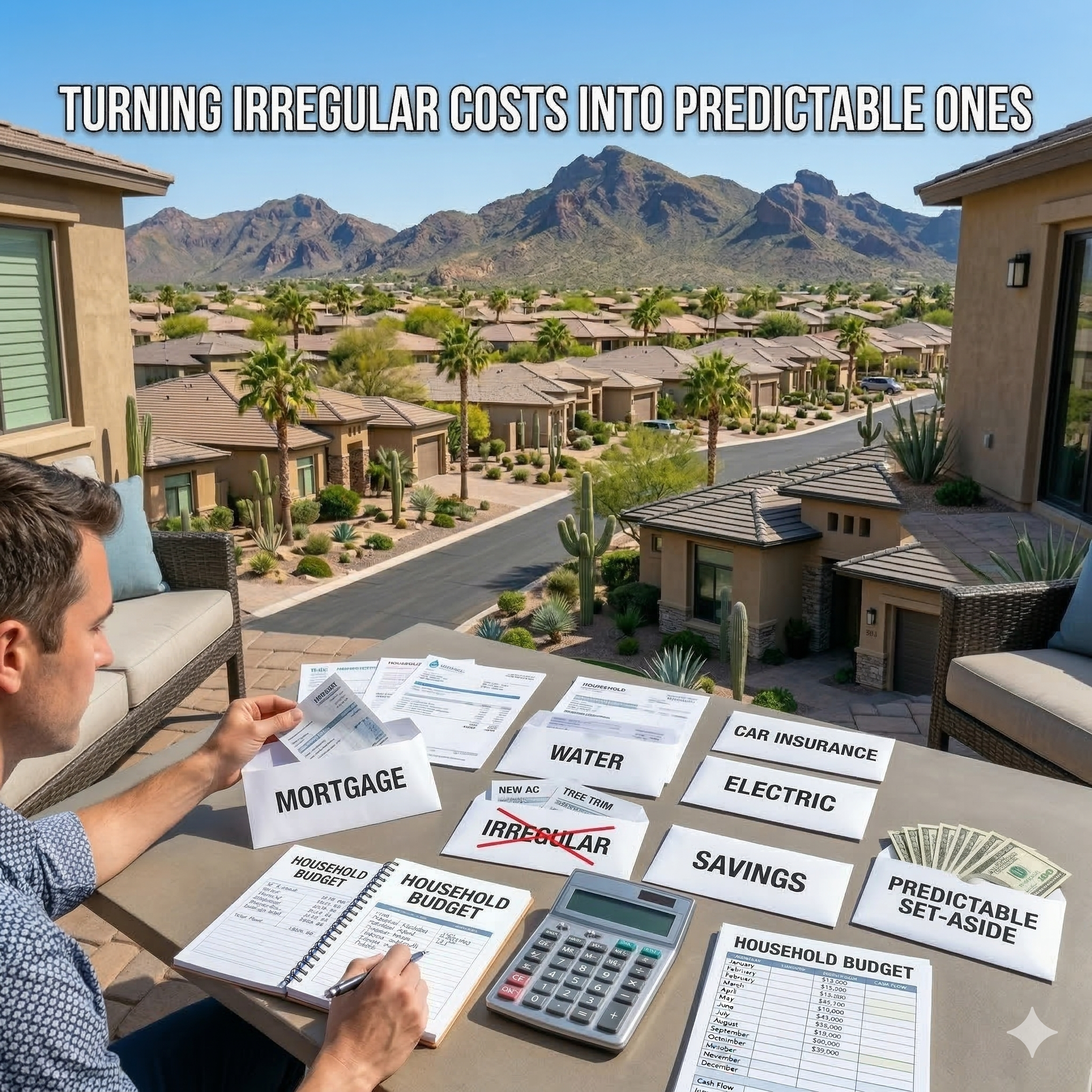
Turning Irregular Costs Into Predictable Ones
-

Budgeting for Ongoing Ownership
-
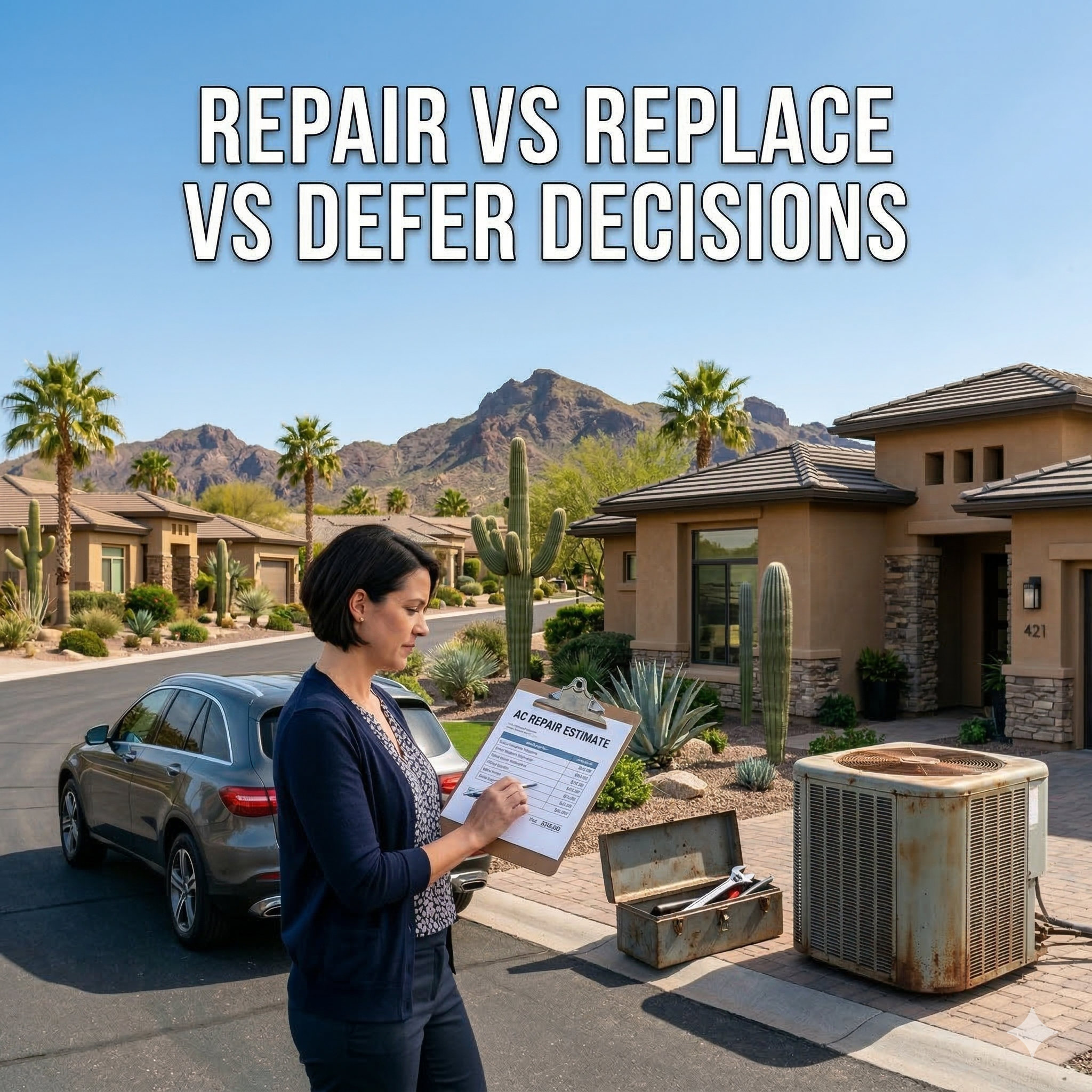
Repair vs Replace vs Defer Decisions
-

Planning Homeownership Like a Long-Term Asset
-

What Home Expenses You Can Safely Delay
-

Stopping Cost Creep Early
-

Cash Flow vs Net Worth Stress
-

Why “It’s Not That Much” Adds Up
-

Warning Signs Your Ownership Budget Is Tightening
-

The Cumulative Cost of Small Home Repairs
-

Designing Budgets Around Local Conditions
-
Utility Costs Over Time in Desert Climates
-

Insurance Increases Explained for Arizona Homeowners
-

How Inflation Impacts Phoenix Homeownership Costs
-

Avoiding Debt-Driven Homeownership Decisions
-

Replacing Systems on Your Timeline
-

Why Emergency Repairs Cost More
-

Timing Major Expenses Without Financial Shock
-

How Much to Keep in a Phoenix Home Reserve Fund