


Phoenix Lifestyle Guide → [Phoenix Lifestyle Guide] & For more info on Phoenix Real Estate → [Phoenix Real Estate Guide]
Written by: Renee Burke
Sometimes the headlines make it sound like Phoenix housing is either in a boom or on the brink. One week it’s bidding wars and all-cash investors. The next, it’s high rates, affordability cliffs, and “buyers on the sidelines.” But if you’ve lived or searched here recently, you know that the truth feels quieter — more complicated — than the headlines let on.
On paper, numbers move markets; in reality, it’s people who do. And what I’m seeing, day by day, across open houses, coffee chats, and late-night buyer consultations, is a community that’s adjusting thoughtfully rather than reacting in panic. Phoenix buyers aren’t frozen. They’re cautious, curious, and very aware of how their lives actually fit within this market — not just the statistics that make the evening news.
Reading the Headlines — and the Fine Print
Most Phoenix housing headlines are written from 30,000 feet. They look at median prices, average days on market, and mortgage rates — and then tell a sweeping story. Right now, many national outlets summarize Phoenix as a “cooling market,” citing flattened price appreciation and reduced bidding wars.
But what those headlines rarely capture is where in the Valley those shifts are real, and where they’re not.
For example, north Scottsdale and the Biltmore area have held firm on pricing because inventory remains tight, while younger suburbs like Goodyear, Estrella, and Queen Creek have seen more price softening as builders compete for attention. Grid living versus master-planned communities make a massive difference — yet it’s hard to express that nuance in a national article built on averages.
The nuance matters because real buyers don’t purchase averages. They purchase streets, schools, and lifestyles. They care about sunlight angles, noise from new traffic lights, and proximity to a weekend hike at South Mountain. Those details make or break a decision — and they don’t show up in a headline.
What Buyers Are Actually Saying
The conversations I’m having on the ground tell a very different story from the housing graphs.
Buyers today talk about timing and value, not fear. They’ve accepted that 3% mortgage rates are behind us, and while nobody loves paying more for money, most understand that waiting indefinitely for rates to “come back down” could mean missing the home that actually fits their life.
I hear buyers say things like:
- “I just need to make a smart choice — not a rushed one.”
- “If I can keep my monthly payment where I’m comfortable, I’m fine locking something now.”
- “Renting for another year is expensive, too, and doesn’t get me closer.”
That’s not panic. That’s maturity.
And right alongside them, sellers are adjusting as well. They’re more flexible, more open to concessions, and for the first time in a few years, willing to have real conversations. It’s made negotiations feel refreshingly balanced — something Phoenix hasn’t seen for quite a while.
The Real Feel of the Market
When you walk through open houses around Arcadia Lite, Ahwatukee, or Peoria, you don’t feel a “bubble” or a “crash.” You feel a city slowly finding its rhythm again after years of record-breaking activity.
Inventory is still limited, yes — especially under the $600,000 range — but buyers aren’t being outbid ten times anymore. Sellers have returned to offering serious credits, and new builders are more willing to cover a portion of closing costs or rate buydowns.
For families relocating from pricier coastal markets, Phoenix still feels surprisingly affordable. For local first-time buyers, affordability remains challenging, but improvement is coming through creative financing solutions and a bit more room to negotiate.
When you actually stand in the neighborhoods, not just read about them, the market feels less like an economic headline and more like real life adjusting itself — neighbors moving closer to family, homeowners downsizing after years of equity gains, young professionals wanting shorter commutes and smaller footprints. That humanity is what you can’t capture in data.
What’s Behind the Numbers
Phoenix real estate has always been cyclical, and our climate — both literally and economically — shapes how people buy here.
Our summers aren’t for the faint-hearted, but they drive seasonality in housing that reporters often overlook. Late May through August tends to skew quieter as people avoid moving in triple digits. Then, every September, activity rises again as cooler mornings return. Those “slowdowns” aren’t always economic; they’re local rhythm.
So when you read a headline calling summer “a slump,” know that many seasoned Phoenix agents simply call it July.
Beyond seasonality, our rapid growth still creates long-term upward pressure on demand. Companies continue expanding here. Population growth hasn’t stalled — it’s just stabilizing after years of record-breaking migration. And while affordability challenges remain, Phoenix continues to attract professionals who could easily work elsewhere but prefer what our Valley actually feels like — space, light, and possibility.
Lifestyle Still Drives Every Decision
One constant that never shifts is lifestyle. And in Phoenix, lifestyle choices shape housing more than any single economic metric.
Whether it’s retirees choosing Carefree or Anthem for community feel, or families hunting near strong charter schools in Gilbert, each pocket of the Valley has its own DNA. Even within the same ZIP code, small neighborhood differences — like access to the Loop 101 or a shaded walking trail — can change how quickly homes sell.
If you go out on a Saturday morning and talk to buyers at open houses across central Phoenix, you’ll rarely hear anyone quoting the latest Case-Shiller Index. You’ll hear them talk about backyard sunlight, tree coverage, and drive times to their kids’ schools.
That’s the heartbeat: Phoenix is still a lifestyle market first.
Why Buyers Feel Cautiously Hopeful
Despite what the national media suggests, most buyers here aren’t feeling panic — they’re feeling patience.
Yes, the path to buying has become more strategic. Yes, budgets need recalibration. But there’s also a quiet confidence in the air. People know Phoenix is not a short-term play. When rates eventually ease — and they will — a surge of pent-up demand could return. Those who’ve already secured their homes before that wave may be in an excellent long-term position.
Buyers today are also better informed. They research financing, understand inspection timelines, and come to showings with genuine questions about utilities, construction quality, and floorplan flow. In many ways, the current market has created smarter homeowners — those who know both the short-term realities and long-term rewards of life in the Valley.
Sellers Are Listening, Too
Sellers have adapted gracefully. Gone are the days of setting outrageous prices and expecting ten offers by sunset. Today’s sellers prepare their homes thoughtfully, stage strategically, and acknowledge that realistic pricing is the true competitive edge.
Interestingly, I’m seeing more emotional clarity among sellers now. They’re ready for their next chapter — downsizing, simplifying, or swapping suburbs — but they also understand buyers want homes that feel cared for. Maintenance conversations are more open. Inspection negotiations are more collaborative. That mutual respect is the hidden strength of today’s Phoenix market.
The Bigger Picture
If you look past the headlines and listen to what Phoenix homeowners are saying, a different story emerges: one of balance returning.
We’re landing in that middle zone where neither side holds all the power — and that’s healthy. It allows real relationships to form again between buyers, sellers, and agents. It slows the process just enough for people to make decisions aligned with their lives, not just their spreadsheets.
Phoenix doesn’t need another boom to thrive. It just needs steady, healthy movement — families finding space, locals putting down deeper roots, and newcomers discovering the everyday joy of an early morning hike or evening drive framed by desert colors that still take your breath away.
That’s the Phoenix I see — the one living quietly beneath the headlines.
A Gentle Word of Guidance
If you’re reading all the mixed messages about Phoenix housing and feeling uncertain, that’s completely normal. This market asks for patience, perspective, and steady guidance. But you don’t have to figure it out alone.
If you’re starting to think about making a move — whether that’s buying your first home, upsizing, or exploring what your equity can do next — let’s talk through it together.
I’ll walk you through what’s truly happening here in Phoenix, help you understand how the numbers meet real life, and make sure your decisions feel grounded, not rushed.
Call, text, or send a note anytime — I’m always happy to share what I’m seeing.
You deserve calm, professional guidance that keeps your goals at the center.
And that’s exactly what I’m here for.
Get the full Phoenix Market Insights → [Market Insights]


-

Signs Your Phoenix Roof Needs Inspection or Repair
-

How Long Tile Roofs and Roof Underlayment Last in Phoenix
-

How Smart Thermostats Improve Cooling Efficiency in Arizona Homes
-

Why AC Systems Struggle During Extreme Phoenix Heat Waves
-
How Long Air Conditioning Units Last in Phoenix Homes
-

Warning Signs Your Air Conditioner Is About to Fail
-

How Often Phoenix AC Systems Need Maintenance
-
How Irrigation System Leaks Damage Foundations and Landscaping
-

Preventing Roof Damage Before Arizona Monsoon Storms
-
Why AC Tune-Ups Are Critical for Phoenix Homes
-

What Homeowners Should Inspect Before Phoenix Summer Heat Arrives
-

Seasonal Home Maintenance Checklist for Phoenix Homeowners
-
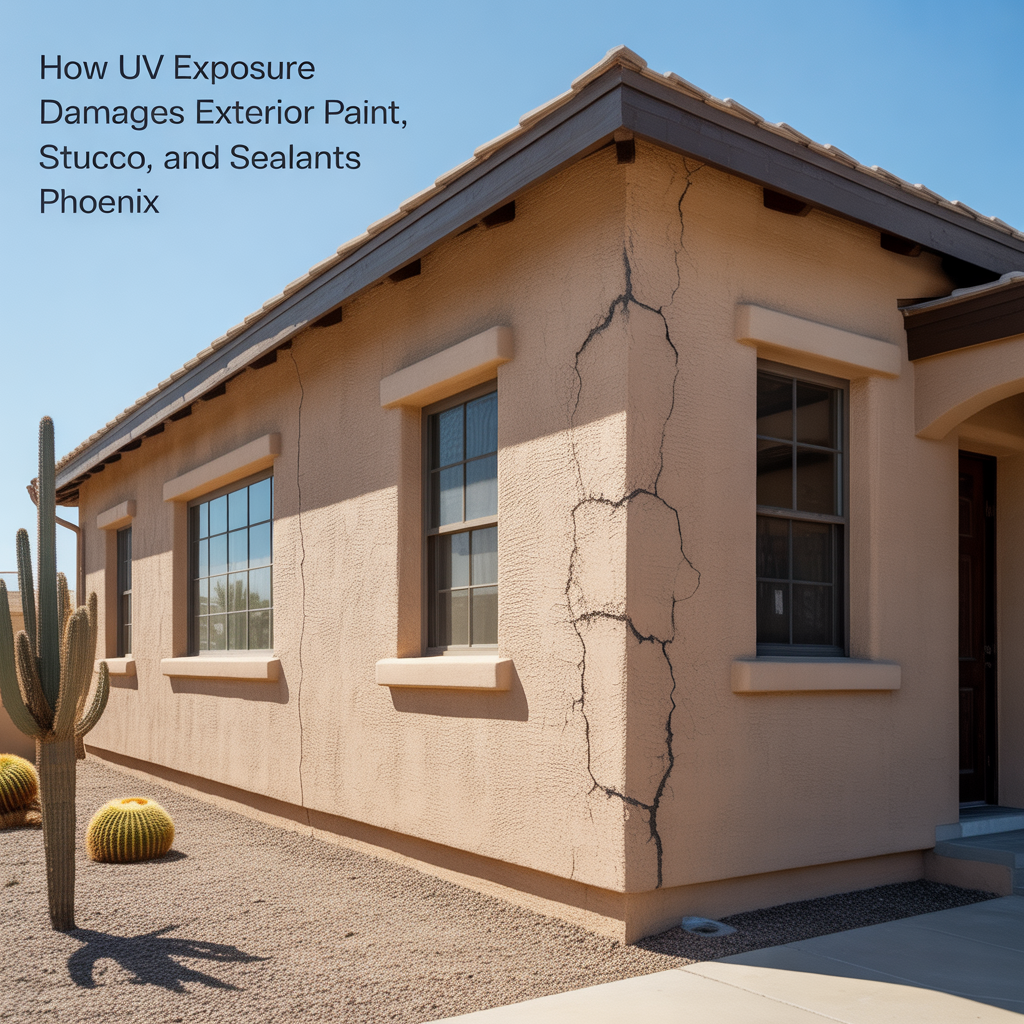
How UV Exposure Damages Exterior Paint, Stucco, and Sealants
-

How Extreme Heat Shortens the Lifespan of Home Systems
-

Why Phoenix Roofs Wear Out Faster Than Many Other Cities
-
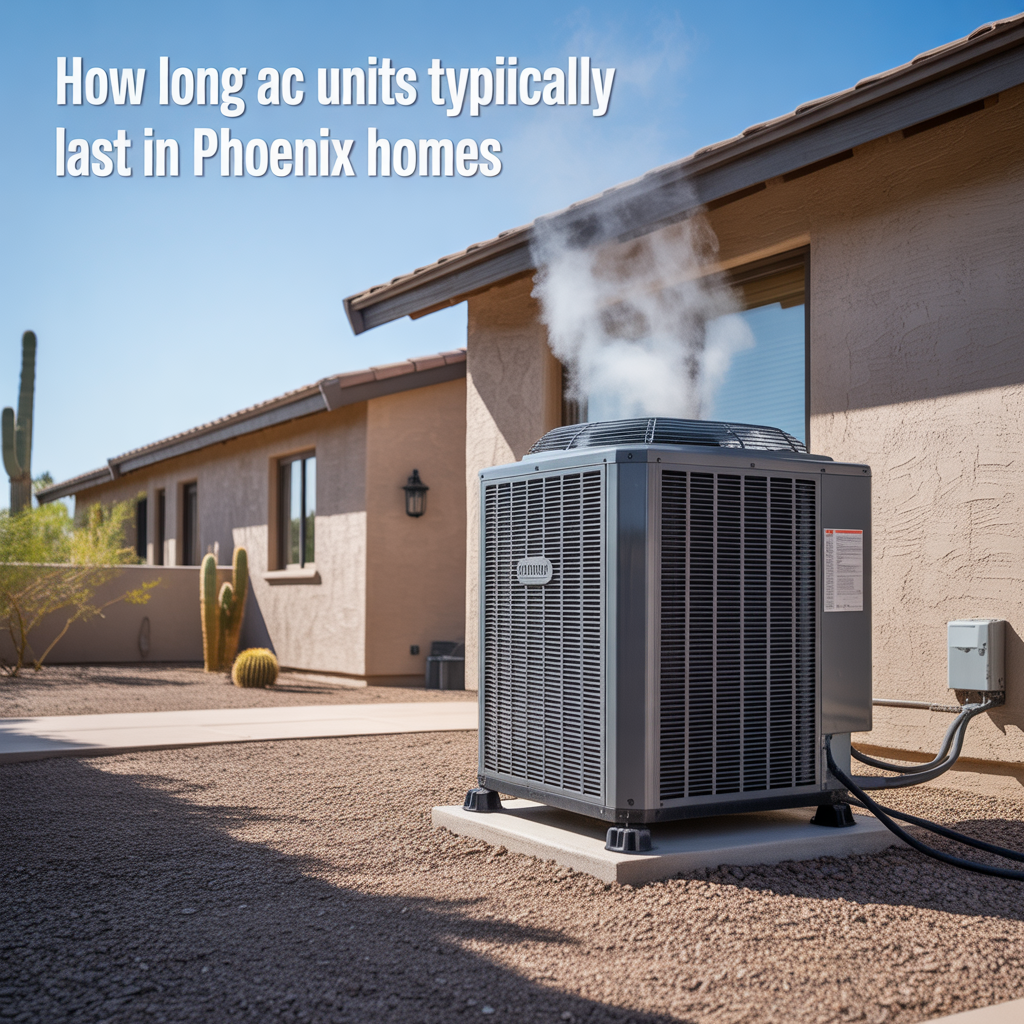
How Long AC Units Typically Last in Phoenix Homes
-

Building a Long-Term Protection Strategy
-
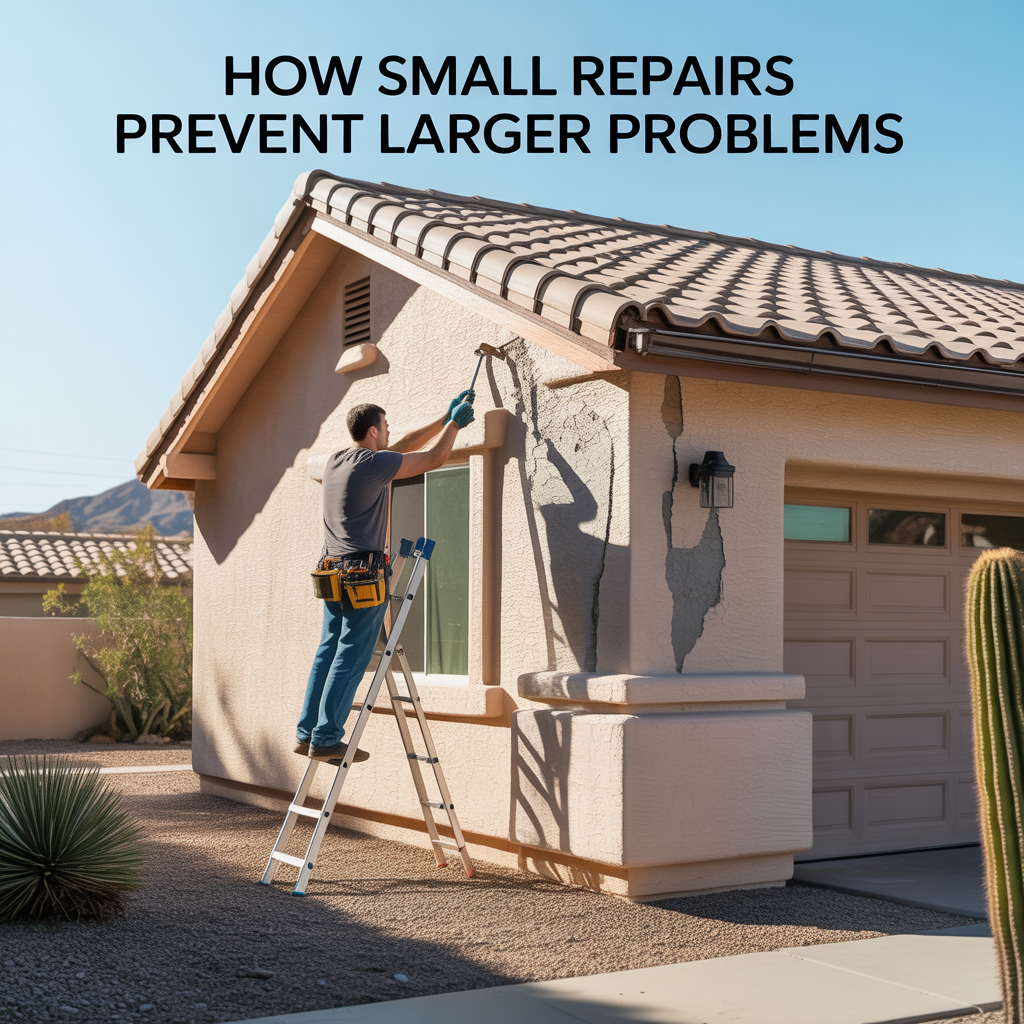
How Small Repairs Prevent Larger Problems
-

Protecting Older Phoenix Homes
-
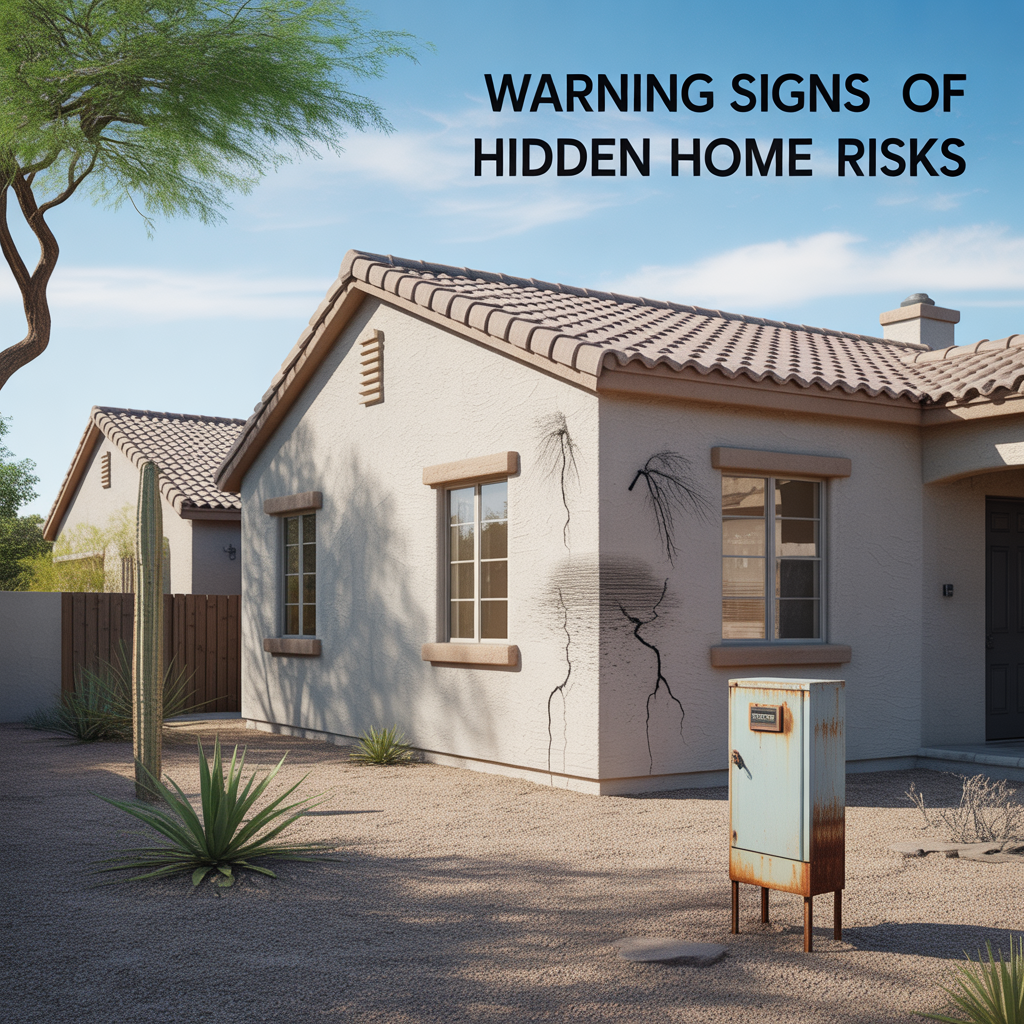
Warning Signs of Hidden Home Risks
-

Preventative Maintenance That Reduces Insurance Claims
-

Reducing Liability Exposure Around Your Property
-

Liability Coverage Limits Explained
-

When Umbrella Insurance Makes Sense
-

Protecting Yourself From Guest Injury Claims