


Phoenix Lifestyle Guide → [Phoenix Lifestyle Guide] & For more info on Phoenix Real Estate → [Phoenix Real Estate Guide]
Written by: Renee Burke
When people ask me whether it’s smarter to rent or buy in the Phoenix area right now, I always tell them the same thing: it depends on your life, not just the market. But here’s the truth many don’t hear often enough—understanding the real numbers behind renting and buying in Phoenix can clear away a lot of confusion, fear, and even hesitation.
Let’s take a thoughtful, local look at what’s really happening around the Valley and what those numbers actually mean for you, whether you’re just getting settled or trying to decide if it’s time to plant deeper roots.
Where Phoenix Housing Stands Now
The Phoenix metro area is no stranger to change. In just the past decade, our market has swung from rapid appreciation to cooling prices and back again. As of early 2026, the median home price across Greater Phoenix hovers around $445,000, with neighborhoods like Gilbert, Peoria, and North Phoenix often sitting a bit higher.
Rents, meanwhile, have climbed dramatically over the past five years but are showing early signs of leveling off. The average monthly rent for a two-bedroom apartment in the Valley sits near $1,850—a figure that might feel more digestible than a $400,000 mortgage at first glance. But as anyone who’s called Phoenix home for a few years knows, the surface numbers rarely tell the whole story.
What Renting Really Costs Here
Let’s start with the rental side, since so many people feel it’s the “safer” choice. Renting in Phoenix does offer flexibility. If you’re testing out a new neighborhood—say, deciding between Chandler’s family-friendly vibe and downtown Tempe’s energy—that freedom to move easily has value.
However, that flexibility comes at a cost that isn’t always visible.
- Renters in Phoenix saw average increases of 25–30% between 2020 and 2024, depending on the area. While 2025 brought some stabilization, most landlords are still raising rents modestly each renewal.
- The average annual increase today ranges from 3–5%, meaning that $1,850 rent could easily become $2,125 in just three years.
- Much of the Valley’s rental market now requires first and last month’s rent plus a security deposit, tying up nearly $5,000 upfront before moving in.
For some renters, that price is worth the convenience. But for many others, especially those planning to stay in the Valley for several years, the numbers reveal something important—you may already be paying what amounts to a mortgage on someone else’s home.
Breaking Down the Cost of Buying
Now let’s look at what buying actually looks like, by the numbers, today in Phoenix.
For a $445,000 home:
- A 10% down payment would be $44,500.
- With a 6.5% mortgage rate (typical for well-qualified buyers right now) and property taxes around 0.6%, your monthly payment—including taxes, insurance, and PMI—comes to roughly $2,800–$3,000.
That figure is higher than the Valley’s average rent, yes—but the key difference lies in what that monthly payment does for you. Instead of disappearing into a landlord’s account, a portion builds equity—real ownership in a tangible, appreciating asset.
One of my clients recently bought a modest three-bedroom in Deer Valley for $410,000 in 2022. She’s seen her home value stabilize after some bumps, and even with some dips in the wider market, she’s sitting on about $60,000 in equity today, largely by simply living in her home and making her regular payments.
Appreciation and Equity: Phoenix’s Long Game
If you’ve lived here a while, you already know Phoenix doesn’t move in small cycles—it shifts in waves. While values have cooled from the frenzy of 2022, long-term growth remains steady, with the Valley averaging around 4–5% annual appreciation over the past decade.
Combine that with our population growth—nearly 100,000 new residents moving to Maricopa County each year—and it paints a clear picture: housing demand isn’t vanishing anytime soon.
This is where buying tends to outpace renting, even when the monthly payment is higher. Those years of stable payments, paired with gradual appreciation, often lead to wealth-building that renting simply doesn’t match.
Let’s illustrate it.
- Over five years of renting at $1,850 per month (with 4% annual rent increases), you’ll spend roughly $122,000 with no return.
- Over five years of homeownership, even at $3,000 per month, you’ll build equity exceeding $70,000–$80,000, not counting appreciation.
It’s not just about math—it’s about direction. Rent money leaves your account for good, while a mortgage payment gradually reshapes your financial foundation.
Lifestyle Considerations: Stability vs. Flexibility
Still, I never tell anyone that buying is always better. Phoenix is diverse, and so are the lives we build here. Renting fits beautifully for certain seasons of life.
If you’re still exploring where you feel most at home, loving the idea of bouncing between Arcadia and Downtown Scottsdale to get a feel for each lifestyle, renting might be perfect. It keeps options open and responsibilities light.
Buying, on the other hand, invites stability—and with it, certain commitments. You’ll shoulder maintenance, property taxes, home insurance, and those occasional Arizona surprises (like replacing a worn-out AC coil in July). But you also gain control. No sudden rent hikes. No landlord deciding to sell the property you’ve grown attached to. And perhaps most importantly, you begin to shape a home rather than just live in one.
The Hidden Phoenix Advantage
There’s something else unique about buying here that out-of-market statistics rarely show: cost balance through energy and space.
Phoenix homes, especially newer builds in places like Queen Creek, Surprise, or Buckeye, often feature higher energy efficiency—think modern insulation, solar-ready wiring, and low-water landscaping. Combined with our traditionally lower property taxes than many comparable metros, homeowners often find their long-term costs balance out more gently than expected.
Another local reality: homeownership allows more flexibility to adapt. Many Valley buyers turn an extra bedroom into a short-term rental, a home office, or later, an in-law suite—options that simply don’t exist in a lease agreement.
What About Interest Rates?
Yes, rates around 6–6.5% can feel intimidating—but here’s what I remind my clients: those numbers aren’t forever. Phoenix buyers who secure the right home today can refinance later as rates ease. Renters, by contrast, rarely see their payments go down.
Even a modest rate drop of 1% could cut a $3,000 monthly payment by almost $200, adding even more value down the road. Timing the market perfectly is hard, but positioning yourself within it—especially in a growing city like ours—can be a powerful long-term move.
Should You Rent or Buy in Phoenix Right Now?
If you plan to stay in Phoenix for less than two years, renting probably makes more sense. The flexibility alone often outweighs the transaction costs of buying and selling quickly.
But if your plans stretch three years or longer, buying increasingly tips the scale—especially in our local economy. Employment remains strong, major employers continue expanding in Mesa, Tempe, and the West Valley, and infrastructure improvements (like extensions of Loop 202 and the light rail) keep widening desirable living zones.
Phoenix’s long-term fundamentals—a growing population, steady job creation, and limited available land in key areas—suggest housing remains a solid anchor for those who plan to stay.
Putting It All Together
Renting gives freedom and simplicity. Buying builds equity and stability. For Phoenix residents, the deciding factor isn’t just the upfront numbers—it’s how you feel about commitment, roots, and what you want life here to look like in five years.
I’ve walked this journey with countless Valley residents—young professionals saving for their first condo in Tempe, families moving from rentals to homes in Peoria, and retirees finding low-upkeep options in Chandler. The common thread? Once they see their monthly expenses as investments in a future here, not just costs, the decision usually becomes clear.
A Warm Invitation
If you’re wondering where you fit in that picture—whether renting still serves you best or if it’s time to consider planting roots in Phoenix—I’d love to walk through it with you. There’s no pressure, no rush, just an honest conversation about your goals, numbers, and lifestyle.
Phoenix is a city of possibilities, and knowing how homeownership fits into your own story takes guidance from someone who knows not just the market, but the neighborhoods, rhythms, and heart of this place.
If you’re thinking about making a move in Phoenix, you don’t have to figure it out alone. Let’s talk through what makes sense for you—today, and for the long run.
Get the full Phoenix Market Insights → [Market Insights]


-
Cost of Living in Rhode Island: Housing, Taxes, Utilities, and Everyday Expenses
-

What If My Commute Becomes Worse Than Expected?
-
How Aging Home Systems Affect Property Value
-

Energy Efficiency Upgrades for Phoenix Homes
-
How to Plan for Major Home System Replacements
-

When Phoenix Homeowners Should Replace Water Heaters
-

Repair vs Replace Decisions for Phoenix HVAC Systems
-
Creating a Long-Term Home Maintenance Plan
-

How Often Phoenix Homes Should Be Professionally Inspected
-
Early Warning Signs of Major Home System Failures
-

How Preventative Maintenance Protects Phoenix Property Value
-

The Best Annual Home Maintenance Plan for Phoenix Homes
-

Electrical Safety Inspections for Older Phoenix Homes
-
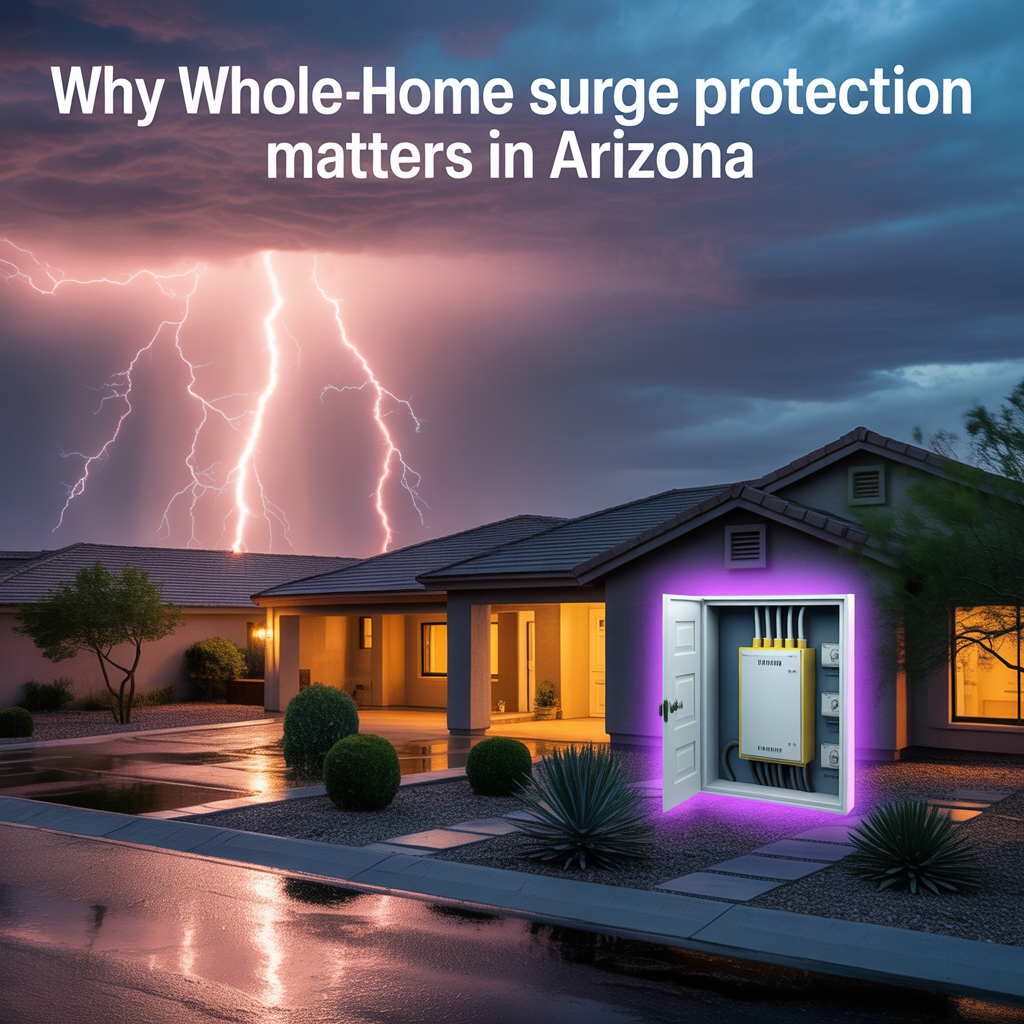
Why Whole-Home Surge Protection Matters in Arizona
-

Preparing a Phoenix Home for Electric Vehicle Charging
-

Signs Your Home’s Electrical System Is Overloaded
-
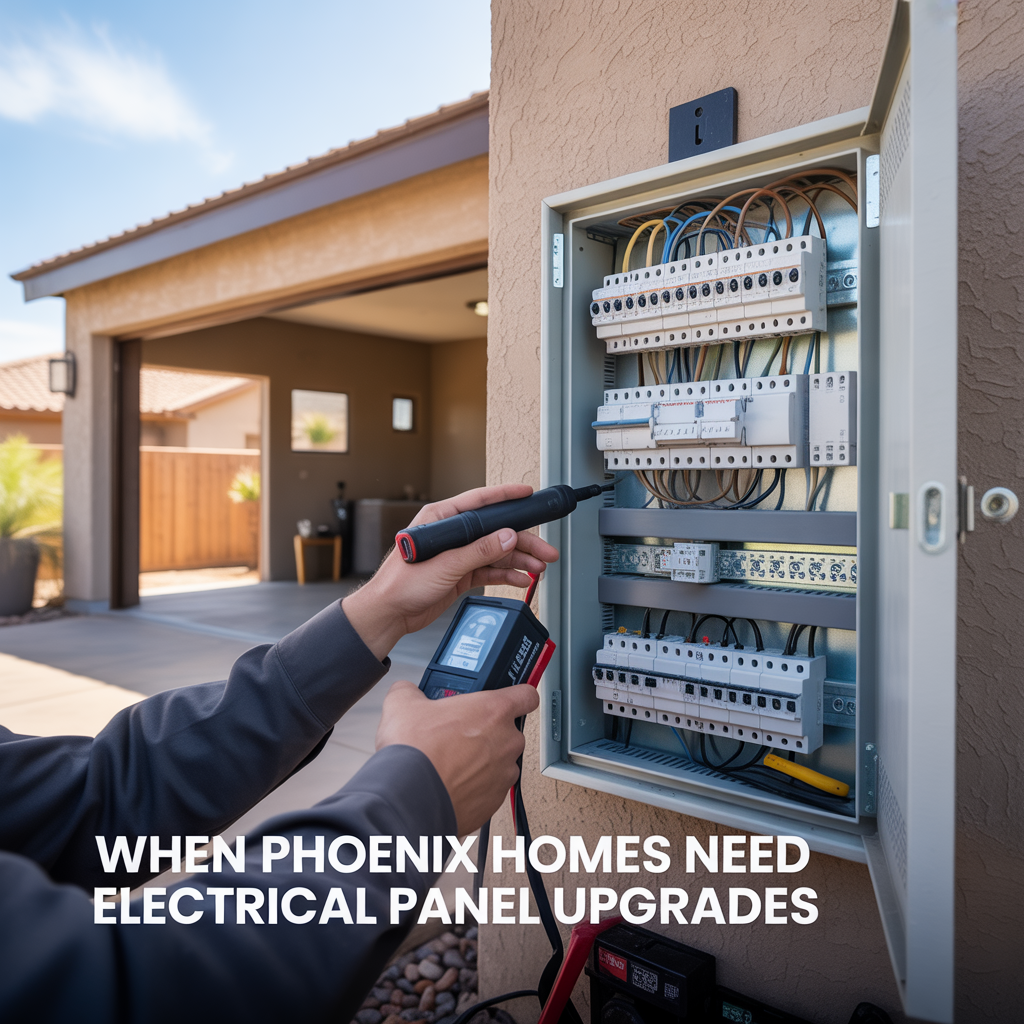
When Phoenix Homes Need Electrical Panel Upgrades
-

Water Pressure Problems in Phoenix Homes Explained
-
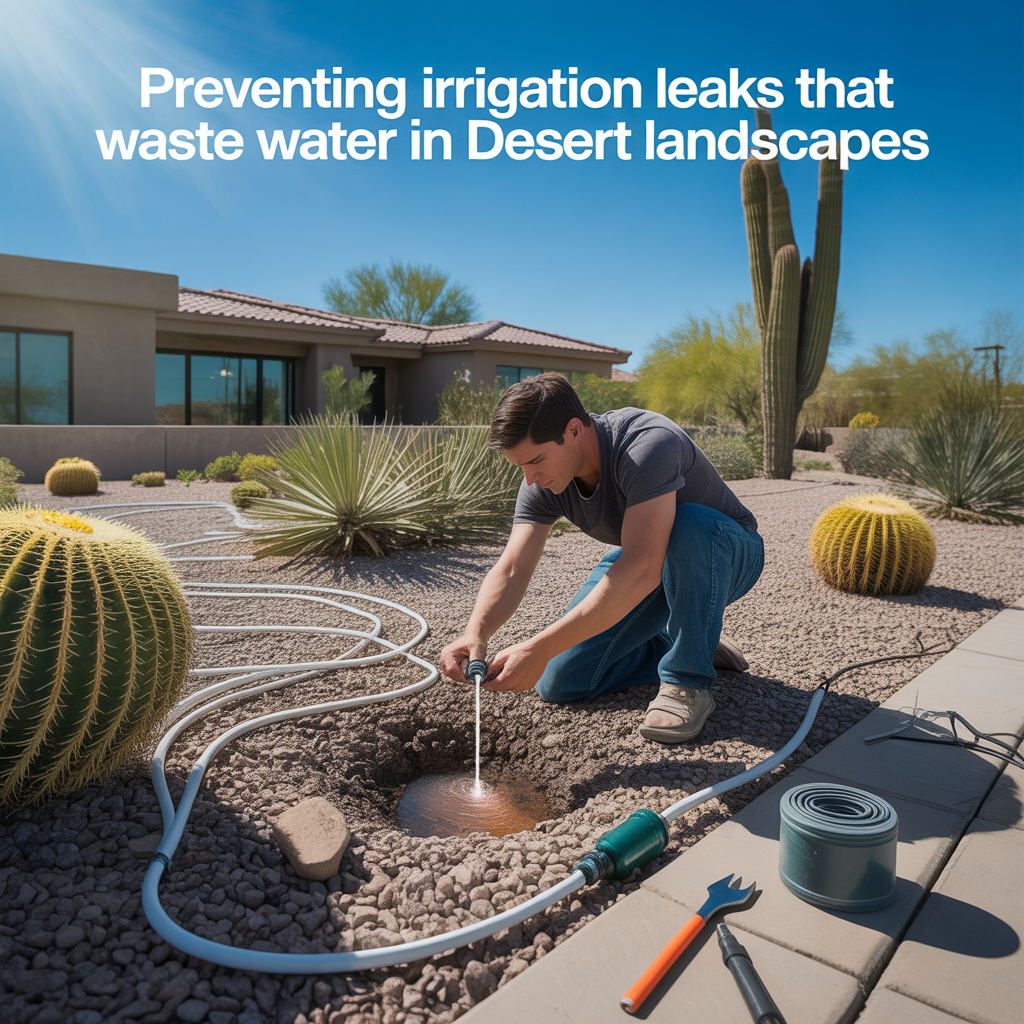
Preventing Irrigation Leaks That Waste Water in Desert Landscapes
-

Signs of Hidden Plumbing Leaks in Phoenix Houses
-

How Long Water Heaters Last in Arizona Homes
-

How Hard Water Affects Plumbing Systems in Phoenix Homes
-

Preventing Water Damage in Phoenix Homes During Storms
-

Roof Maintenance Tips Before Phoenix Monsoon Season
-
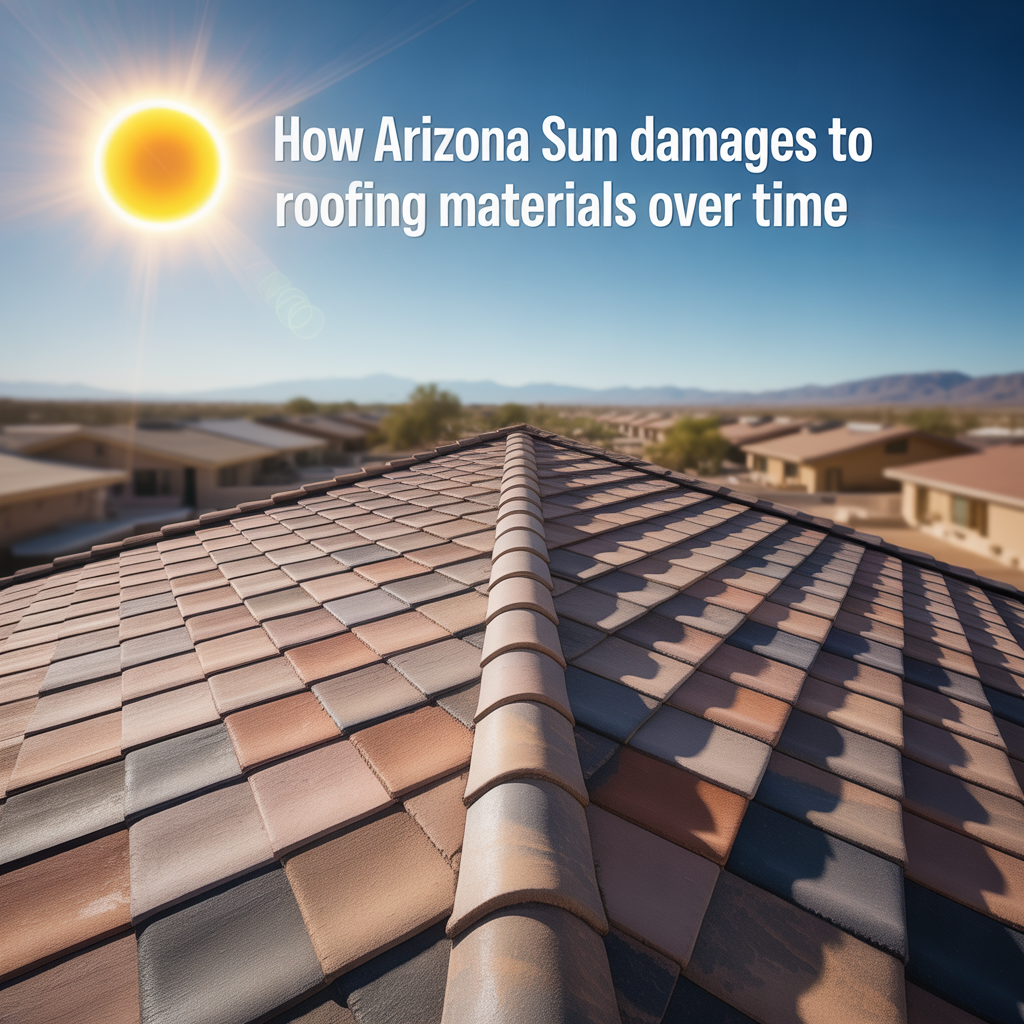
How Arizona Sun Damages Roofing Materials Over Time