



Buyer Fears→ [Buyer Fears] & For more info on other fears Phoenix Real Estate → [Phoenix Real Estate Fears Guide]
Written by: Renee Burke
In the vast Phoenix metro, where jobs pull in opposite directions—downtown offices versus East Valley tech hubs or West Valley warehouses—reverse commutes promise lighter traffic. Heading from city core to suburbs (or vice versa) against the main flow sounds ideal, but myths persist amid our sprawling freeways. As a local who’s mapped countless routes for relocating families, I’ve seen the truth: reverse commutes shine in spots like Gilbert to Phoenix, but they’re no panacea.
Arizona’s growth scatters employment, making these paths viable for many. Dispelling myths helps you pick a home where work enhances life, not eclipses it.
Myth 1: Reverse Commutes Are Always a Breeze
Reality: Often yes, but not universally. Morning drives from Downtown Phoenix to Chandler or Gilbert flow smoothly outbound on I-10 and Loop 202, dodging inbound snarls. Expect 20-30 minutes versus 45-60 the other way.
Yet cross-commutes—like North Phoenix to Tempe—hit pockets of friction at Stack or Broadway Curve. Monsoon backups ignore direction. Test it: my clients from Avondale to Downtown love morning Loop 303 ease, but events like Cardinals games flip the script.
Myth 2: No One Does Reverse Commutes Here
Reality: Thousands do, fueling East and West Valley booms. Intel in Chandler, Banner Health hubs, and Amazon warehouses draw from core Phoenix. Reddit threads buzz with DT residents commuting to suburbs, praising lighter loads.
Data backs it: East Valley reverse flows to Phoenix are reliable, per local guides. West Valley to Sky Harbor? Golden, especially pre-dawn flights. It’s common for hybrid workers splitting urban vibrancy with suburban space.
The Reverse Lane Controversy
Phoenix’s iconic “reverse lanes” on 7th Street and 7th Avenue embody the debate. Since 1979-1982, the middle lane flips: southbound mornings (6-9 a.m.), northbound evenings (4-6 p.m.), aiding reverse flows toward/from Downtown.
Myth: They’re a safety nightmare everywhere.
Reality: Critics call them “suicide lanes” for confusion, crashes (twice the rate of peers), and business-killing access. Petitions push removal, citing poor signage and U-turn chaos.
But studies counter: 2021 analysis shows ditching them spikes times 40%, worsens intersections. Council voted more study in 2025—retaining for now with ITS upgrades. They cut neighborhood cut-throughs, boosting reverse efficiency despite flaws.
| Aspect | Myth (Critics’ View) | Reality (Studies/Data) |
|---|---|---|
| Traffic Flow | Outdated, underused (6% peaks) | Cuts delays 40%; adds capacity cheaply |
| Safety | Head-ons, aggressive driving rampant | Safer intersections (no lefts); crash links to congestion overall |
| Business Impact | Hurts access, visibility | Enables commuter throughput to district |
| Future | Remove for walkability/bikes | Upgrades eyed: dynamic signs, restriping |
Top Reverse Commute Routes and Tips
East Valley steals the show: Gilbert/Chandler to Downtown via Loop 202/I-10—smooth AM outbound. West Valley (Goodyear to PHX) leverages Loop 303.
| Route Example | Direction (Peak) | Time (vs. Opposite) | HOV/Alternative |
|---|---|---|---|
| Gilbert to Downtown | AM Outbound | 25-35 min | Loop 202, light rail |
| Avondale to Sky Harbor | AM East | 30 min | I-10 HOV, park-and-ride |
| Scottsdale to Chandler | PM East | 20-30 min | SR-101, surface via Elliot |
| Mesa to North Phoenix | AM North | 35 min | US-60, Loop 101 |
Tips: HOV lanes anywhere (2+ people); Waze for flips; Valley Metro express buses reverse-cheap. Live near access: Power Ranch edges shave minutes.
Broader Realities: Growth and Alternatives
Growth myth: Reverse will vanish. Reality: Job decentralization (TSMC in North Phoenix) sustains it. But hybrids reduce peaks.
Alternatives amplify: Light rail East-West; Waymo in core. Reverse pairs perfectly—live urban, work suburban without full slog.
Red flags: Event traffic (Suns games inbound chaos); construction eternal.
A Personal Note from Renee
Reverse commutes unlock Phoenix’s best—suburban yards with city buzz—when myths meet maps. They’re real assets in our metro mosaic, smoothing paths to hikes, festivals, and family.
If you’re chasing that edge from Eastmark to EV hubs or Downtown to West warehouses, you don’t have to figure it out alone. I’m your Valley navigator, mapping tests and truths for seamless moves. Reach out—let’s align your home with effortless tomorrows.
Get the full Phoenix Market Insights → [Market Insights]


-

Pool Liability and Insurance in Phoenix
-

Protecting Outdoor Structures and Shade Systems
-

HVAC Failures and Insurance Coverage
-

Roof Maintenance for Phoenix Climate Conditions
-

Preventing Water Damage in Desert Landscapes
-

How Monsoon Storms Affect Phoenix Homes
-

Why Policy Structure Matters More Than Premium
-

Understanding Coverage Limits and Exclusions
-

What Personal Property Coverage Actually Includes
-

How Liability Coverage Protects Homeowners
-

Replacement Cost vs Market Value in Phoenix Insurance
-

Understanding Deductibles Before You Need Them
-

How Renovations Affect Insurance Coverage
-

When to Review Your Home Insurance Policy
-

Why Replacement Cost Matters in Phoenix Insurance Policies
-

When a House Truly Starts to Feel Like Home
-

How Phoenix Neighborhood Living Builds a Sense of Belonging
-

Why Stability Plays a Major Role in Long-Term Home Satisfaction
-

How Familiarity Changes the Experience of Living in a Home
-

Renovate or Move? Deciding What to Do When Your Phoenix Home No Longer Fits
-

How Lifestyle Changes Affect Space Needs in Phoenix Homes
-
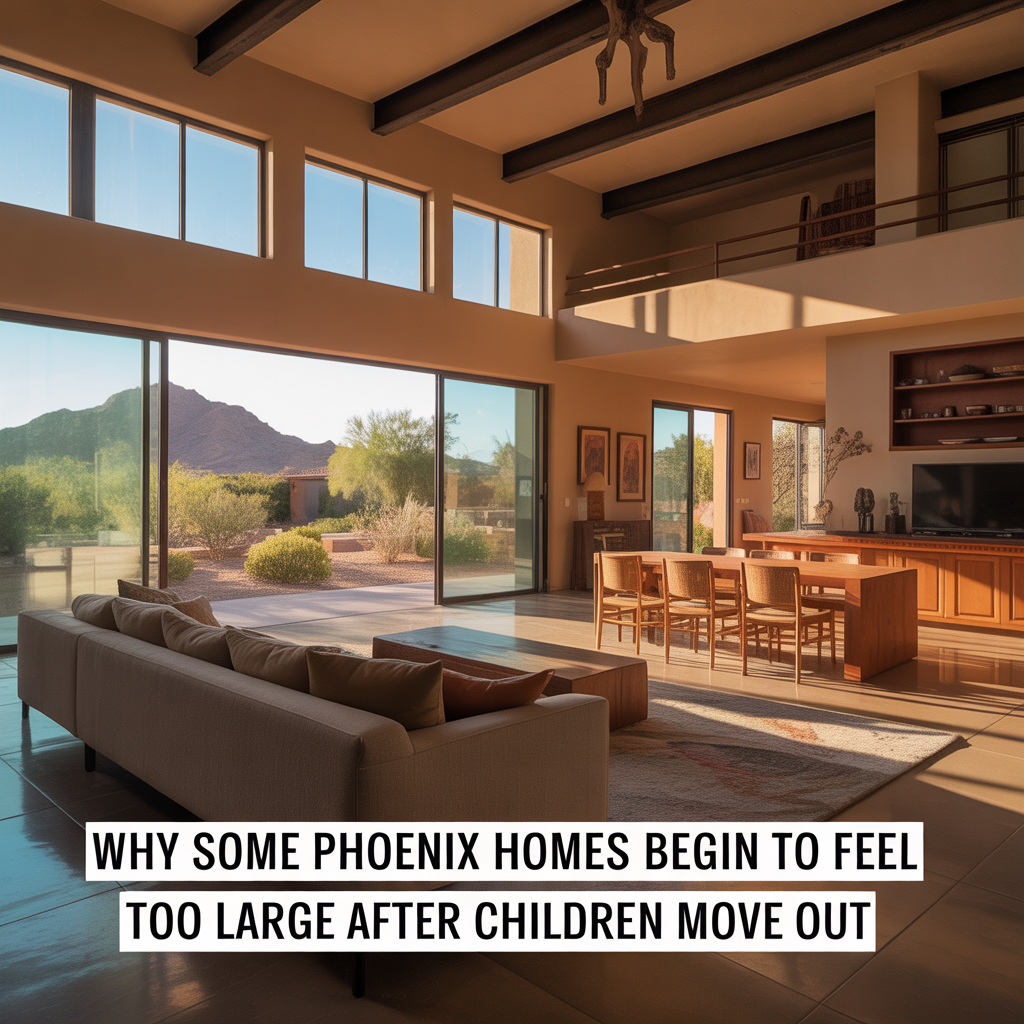
Why Some Phoenix Homes Begin to Feel Too Large After Children Move Out
-

When Homeowners Begin Considering Moving to a Larger Phoenix Home
-

Signs Your Phoenix Home Is Starting to Feel Too Small for Your Family
-

How Desert Landscaping Evolves Over Years of Phoenix Homeownership