



Buyer Fears→ [Buyer Fears] & For more info on other fears Phoenix Real Estate → [Phoenix Real Estate Fears Guide]
Written by: Renee Burke
I’ve sat across kitchen tables from Phoenix homeowners who’ve lived in their Valley places for 10, 15, even 25 years, listening as they reflect on what they wish someone had told them before signing the papers. Their wisdom isn’t about regrets — it’s practical, hard-won insight that turns a good home into one that serves you through decades of desert life. These lessons, drawn from families who’ve raised kids here and watched neighborhoods mature, can help you choose with eyes wide open.
Water and Utility Realities Hit Harder Than Expected
Long-timers universally wish they’d budgeted higher for SRP tiers and water-wise living from day one. Phoenix yards drink deeply — even modest lawns can push summer bills to $400 monthly, and pool owners double that easily.
What catches people? The jump from California’s flat rates to our tiered structure, where heavy summer use spikes costs fast. Many also underestimate AC strain: older swamp coolers fade against 115-degree peaks, and even efficient systems guzzle power without ceiling fans or shade.
Their advice: Calculate peak-season utilities during escrow. Prioritize north-south orientations, covered patios, and low-water xeriscape over lush fantasies. A $50K pool saves nothing if electric bills eat your equity.
Neighborhoods Evolve — Sometimes Unevenly
Homes in established pockets like Ahwatukee or North Central hold steady charm, but outer growth areas transform dramatically. Long-term owners in Queen Creek marvel at grocery anchors arriving 8 years post-buy; West Valley families note schools finally stabilizing after temporary campuses.
The surprise? Traffic patterns shift as Intel expansions or TSMC campuses pull commuters. Quiet arterials become bottlenecks; new lights ease old chokepoints.
Their advice: Drive future corridors at rush hour today. Layer city plans — light rail extensions, hospital builds — onto your shortlist. Mature trees and block walls buffer change better than raw stucco.
HOAs Mature, Rules Tighten
Phoenix’s master-planned communities start flexible but boards evolve. Early owners in Gilbert’s Power Ranch recall lax fence rules giving way to strict palettes; Chandler’s Fulton Ranch now enforces landscaping minimums more rigorously.
Special assessments surprise too — $2K-5K for clubhouse refreshes or street repaves hit hardest when reserves underperform.
Their advice: Review five years of HOA financials and meeting minutes. Ask about upcoming projects. Chat with residents about board turnover — steady leadership predicts stability.
School Zones Shift Subtly
Arizona’s A-F ratings dazzle newcomers, but long-timers know boundaries redraw quietly to balance enrollment. Chandler Unified cores stay golden, but edges feed different high schools than maps suggest.
Charters demand foresight — lotteries fill years ahead, and transportation varies.
Their advice: Map full K-12 feeders, not single schools. Attend zoning meetings. Budget for private if boundaries wobble.
Maintenance Isn’t Optional — It’s Annual
Phoenix sun fades stucco in 7 years; pool plaster cracks without resurfacing every decade. Roof recoats every 5 years extend tile life; HVAC replacements hit at year 12.
Many wish they’d planned “Valley upkeep fund” from escrow — $3K-5K yearly covers predictable hits.
Their advice: Get 10-year maintenance calendars during inspections. Choose hardie-plank accents over all-stucco. Foam insulation pays back in 3 summers.
Lifestyle Fit Trumps Trends
Granite counters date; yards endure. Long-owners cherish garages converted to gyms, patios extended for shade, casitas added for grandparents.
They regret chasing “hot” finishes over flexible bones — open kitchens with islands, 3-car garages, RV gates.
Their advice: Picture your life in 2035. Room to adapt beats turnkey shine.
Commute Math Compounds Daily
A “quick 25 minutes” to Sky Harbor balloons to 90 during spring training. East-West I-10 crawls surprise North-South families.
Their advice: Test peak drives thrice. Favor Loop 101 over surface streets long-term.
Quick Hits from Two-Decade Owners
| What They Wish | Early Blind Spot | Proactive Fix |
|---|---|---|
| Utility spikes | Tiered water ignorance | SRP calculator runs |
| HOA evolution | Loose early rules | Reserve studies |
| School shifts | Boundary flux | Feeder patterns |
| Roof cycles | Tile life myths | Inspection ladders |
| Commute creep | Off-peak tests | Rush-hour loops |
| Yard thirst | Lawn allure | Xeriscape tours |
These patterns repeat across ZIP codes.
The Deeper Truth: Roots Grow Slowly
Long-term Phoenix living rewards planting deep — neighbors who become family, yards that mature with your kids, quiet confidence that your choice holds through monsoons and market swings. The homes that last aren’t the “perfect buy”; they’re the right fit for your unfolding story.
Your Decade-Proof Choice Awaits
If you’re thinking about making a move in Phoenix — uncovering these long-view lessons before they become your own — you don’t have to figure it out alone. Share your family stage, must-have layout, and neighborhood curiosities, and I’ll weave in the wisdom that turns houses into homes for keeps.
We’ll choose with tomorrow in mind, building a Valley chapter that deepens beautifully over time. Reach out when you’re ready — steady guidance makes all the difference.
Get the full Phoenix Market Insights → [Market Insights]


-
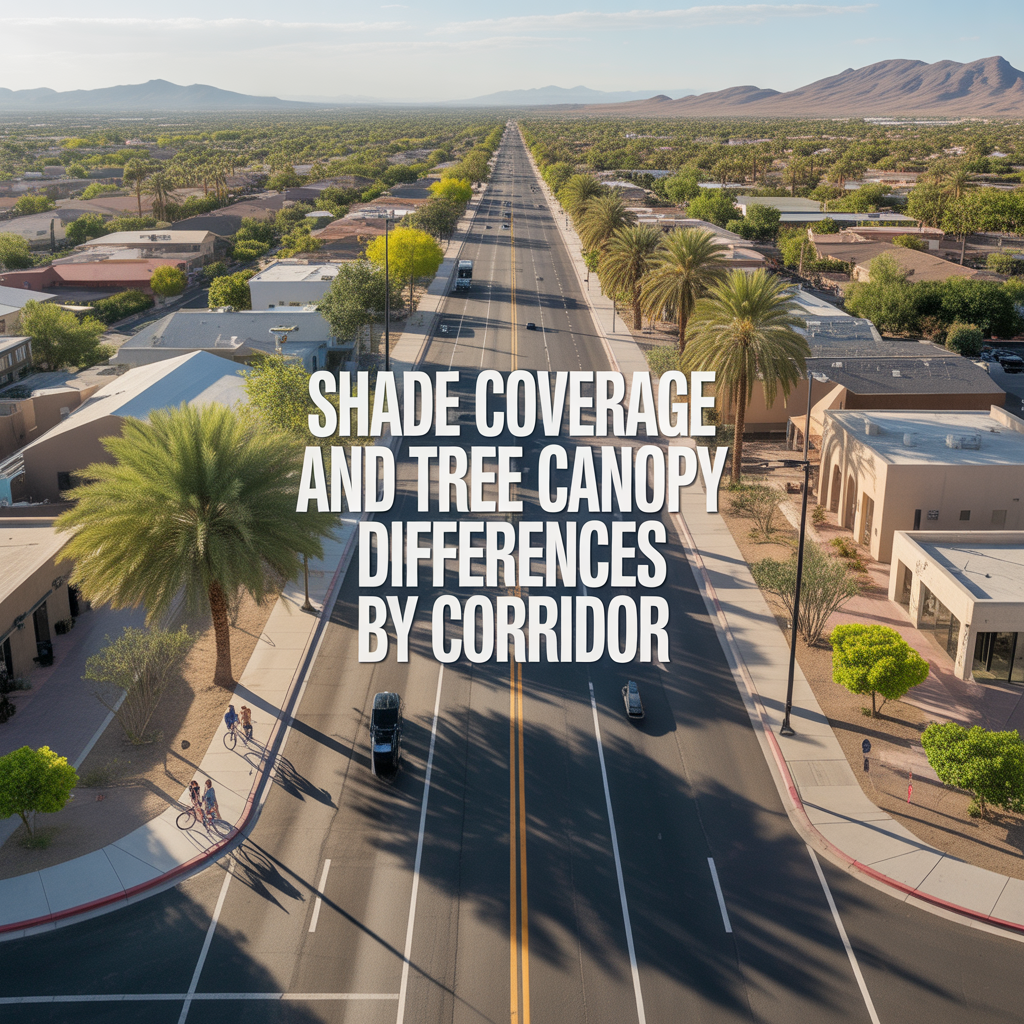
Shade Coverage and Tree Canopy Differences by Corridor
-

Summer Walkability Reality Near ASU and Mill Avenue
-

Choosing Proximity Based on Personality and Routine
-

How Tempe Town Lake Changes Social Routines
-

Family-Friendly Lake Events vs Adult Nightlife Patterns
-

Parking Structures and Rideshare Realities on Peak Nights
-
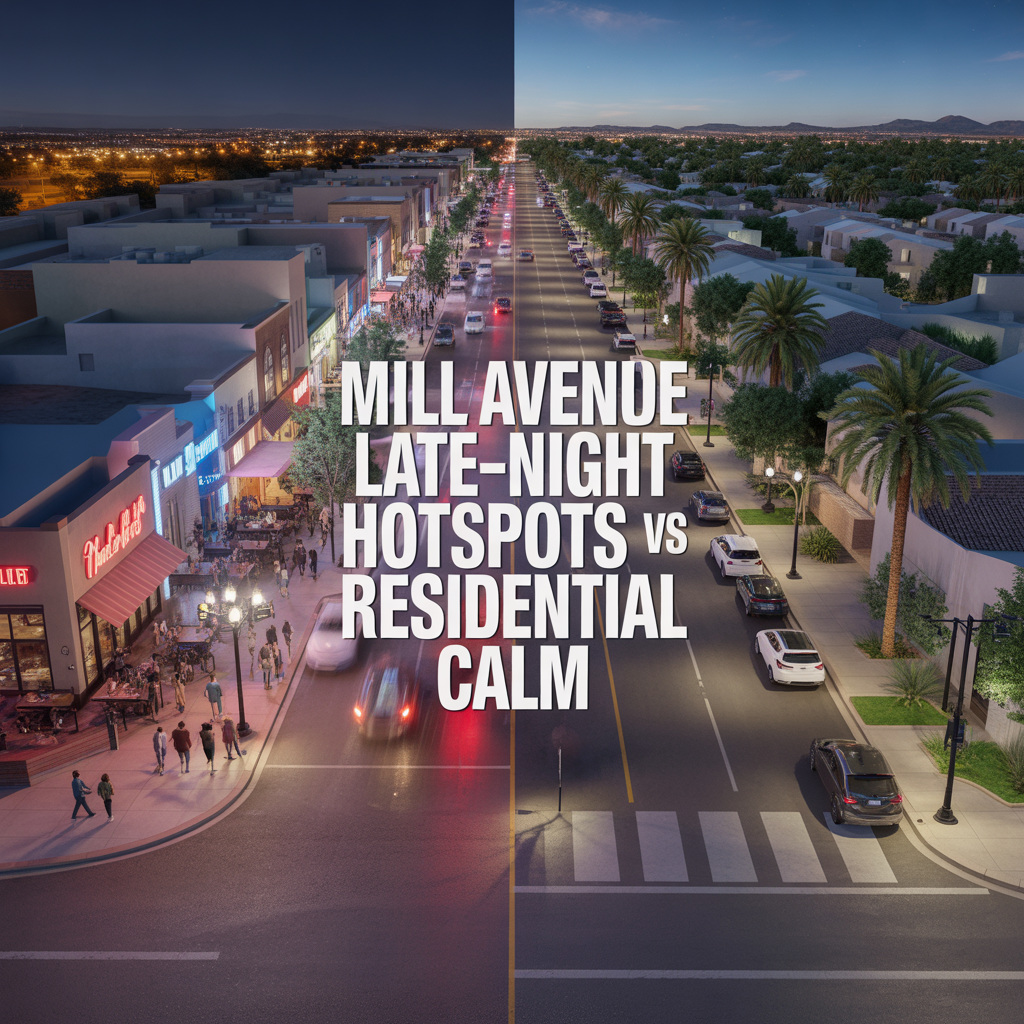
Mill Avenue Late-Night Hotspots vs Residential Calm
-

ASU Game Days and Event Calendar Impacts
-

Cross-Valley Trip Efficiency From Tempe
-

Micro-Mobility and Bike Utility by Corridor
-

Park-And-Ride, Game Day, and Event Access Patterns
-

Airport Timing Strategy Around ASU and Rush Hour Traffic
-

Light Rail Use Cases That Actually Improve Daily Life
-

Freeway vs Arterial Routing During Peak Windows
-

Real-World Drive Times to Sky Harbor From Different Tempe Pockets
-

How Traffic and Commute Direction Affect Daily Life in North vs South Tempe
-

Bike Paths, Walkability, and Short-Distance Transportation in Tempe
-

Driving Access From Tempe to Phoenix Sky Harbor Airport
-

Light Rail Access Between Tempe, Downtown Phoenix, and Mesa
-

Major Tempe Arterial Roads Including Rural Road, McClintock Drive, and Baseline Road
-

ASU Traffic Patterns and Peak Congestion Near Campus
-

Typical Commute Times From Tempe to Phoenix, Scottsdale, and Chandler
-

Tempe Freeway Access to US-60, Loop 101, and Loop 202
-

Shade, Tree Coverage, and Summer Outdoor Usability in Tempe
-

Outdoor Recreation Near Downtown Tempe and ASU