


Seller Fears→ [Seller Fears] & For more info on other fears Phoenix Real Estate → [Phoenix Real Estate Fears Guide]
Written by: Renee Burke
That’s a meaningful and locally relevant angle, especially for families and move-up buyers in the Phoenix metro area — where timing around schools, leases, and seasonal market swings can dramatically affect selling success. Here’s a full, in-depth article written in Renee Burke’s trusted Phoenix voice, blending calm authority with local insight.
Aligning School Calendars, Lease End Dates, and Market Rhythms for a Cleaner Sale
If you’ve ever watched a Phoenix neighborhood shift almost overnight — “For Sale” signs blooming in March, the rush of buyers in April, and everything quiet again by July — you’ve seen our housing rhythm in action. Underneath it all lies a powerful but often overlooked truth: timing your sale around life’s natural transitions can make the process smoother, less stressful, and often more profitable.
I see this every year, especially among families balancing school calendars, renters reaching the end of a lease, or homeowners planning a move alongside a job change. Aligning those milestones — kids, contracts, and calendar shifts — with Phoenix’s seasonal housing flow can transform what feels like chaos into a graceful step forward.
Why Timing Feels Personal — But Isn’t Random
Selling your home isn’t just a market decision; it’s also a lifestyle coordination act. Many sellers feel pressure to rush when life hands them a timeline. Maybe your lease is ending in June, your child finishes 5th grade in May, or you’re staring at a new job start date in late summer.
But here’s where Phoenix behaves differently from many metros: our market movement follows temperature and transition, not just time. As we roll from mild winter into spring warmth, buyer energy builds rapidly, peaks between February and May, then cools — quite literally — during the hottest months.
Understanding that rhythm helps you see how your personal schedule can fit into a broader pattern instead of fighting against it.
School Calendars and the Family Buyer Wave
For families, the school calendar is one of the strongest forces shaping Phoenix’s listing cycles. Buyers with children often plan with a “move and settle before the first day of school” mindset. That means their serious home shopping usually ramps up between mid-February and early June.
If you’re selling a single-family home or anything near desirable districts — like Chandler Unified, Gilbert Public, or Scottsdale Unified — syncing your listing date with that momentum can create real advantages:
- More active family buyers mean more competition and stronger offers.
- Shorter days on market make it easier to plan your own move before summer heat sets in.
- Emotional appeal increases, especially if your listing photos highlight family-friendly features like a shaded yard, open floor plan, or proximity to top schools.
If you list in late January or February, you’re catching families who are preparing — not scrambling — and who want to close before May. That timing often leads to cleaner, less rushed transactions.
Lease End Dates and the Transitional Seller
Not every homeowner is deeply rooted. Many of today’s Phoenix sellers are young professionals who bought their first home a few years ago and are ready to upgrade — but with a lease or corporate relocation deadline looming.
If that’s your situation, the key is to work backward from your non-negotiable date. Let’s say your lease ends June 30th, and your landlord isn’t offering renewal flexibility. In Phoenix, a typical home sale from listing to closing runs about 30–45 days, depending on financing type.
That means you’ll ideally want your home on the market by early to mid-May — right as buyer energy is still flowing but before summer slowdowns.
A few strategies can keep this transition smooth:
- Coordinate an early release clause with your landlord if you expect a faster sale.
- Request a post-possession agreement if your buyer’s move-in doesn’t align with your preferred exit date.
- Leverage staging storage solutions to clear space early and avoid a rushed pack-up.
These small logistics moves help transform what could be a stressful overlap into a calm, predictable handoff.
Understanding Phoenix’s Seasonal Rhythm
Phoenix’s housing rhythm is inseparable from our climate and culture. We don’t follow the same “spring/summer/fall” patterns as other large metros.
Here’s what local sellers should know:
- January–May: Our most active selling window. Mild weather, tax refunds, and post-holiday motivation drive listings and buyers alike.
- June–August: Slower months. Families prioritize travel and comfort over house shopping. Desert heat reduces casual showings, and buyer urgency cools.
- September–November: A brief but strong rebound. Transplants arriving for jobs or retirees returning for the winter months re-energize the market.
- December: Predictably quiet — except for strategic sellers who capitalize on relocated job transfers or low inventory.
If your life transitions — school changes, lease end, or relocation — line up with one of these active windows, it’s like catching a tailwind. You move further, faster, and with less turbulence.
Balancing Real Life with Market Reality
Sometimes, life simply doesn’t cooperate with ideal market timing. You may need to list over the summer or close in December. And that’s okay — the key is in how you position the listing to fit reality, instead of waiting for an impossible window.
If your sale must happen during a slower stretch, focus on presentation and pricing precision. Professional photos, impeccable landscape upkeep, and realistic value alignment help counteract the reduced buyer pool.
For families listing midyear, emphasize air-conditioned comfort — cool interiors, mature shade, inviting pools — and feature shots that remind buyers why Phoenix is an all-year lifestyle city, not just a seasonal stop.
And if a lease dictates your timeline, clear communication with both landlord and buyer’s agent ensures the transition stays smooth. Phoenix buyers are used to juggling timelines; what they value most is clarity.
A Real Example from Here in the Valley
Not long ago, I worked with a family in North Peoria who wanted to move closer to their child’s new middle school in Anthem. Their lease on the new home began July 1st, but they needed to sell their existing property to fund that move.
Rather than rushing to list in June — a common mistake — we targeted an early-April listing. That timing lined up perfectly with family buyers aiming for a summer move. We closed in mid-May, with a short post-possession period to bridge between homes.
By aligning school timing with Phoenix’s peak demand window, their sale went smoothly, with multiple offers and less stress than they’d expected. That’s the difference thoughtful timing can make.
The Emotional Upside of Aligned Timing
Selling a home touches every part of daily life — children’s routines, work hours, personal transitions. When timing aligns cleanly, the ripple effects go beyond the transaction itself:
- Less disruption to family stability during school terms
- Smoother move-out and move-in flow, especially if leases and closing dates sync
- Reduced financial overlap, with fewer months of paying dual housing costs
- A calmer emotional experience, because decisions feel coordinated instead of chaotic
That peace of mind is invaluable — and absolutely achievable here in the Valley when strategy is paired with local insight.
When in Doubt, Start the Conversation Early
Even if you’re not ready to list yet, having a quiet conversation a few months in advance can give you options instead of deadlines. I often meet with sellers as early as six months before their intended move to assess timing around work, family, and seasonal flow.
The truth is, aligning your life calendar with Phoenix’s housing rhythm isn’t about perfection — it’s about positioning. When school schedules, lease terms, and listing windows fall into balance, your sale feels effortless because the timing supports your goals instead of competing with them.
Ready to Find Your Best Timing?
If you’re thinking about selling in 2026 — whether that means coordinating around the next school year, a job relocation, or your lease calendar — you don’t have to navigate it alone. Every family’s rhythm is different, and my role is to help you find the timing that fits your story, not just the market’s.
Reach out when you’re ready, and we can look at what your calendar — and the Phoenix rhythm — suggest for a clean, confident sale.
Get the full Phoenix Market Insights → [Market Insights]


-

Separating Lifestyle Spending From Homeownership Costs
-
How Usage Changes Monthly Ownership Costs
-

Planning Around Utility Cost Volatility
-
Why Variable Expenses Drive Most Budget Stress
-

Fixed Costs That Aren’t Actually Fixed
-

Budgeting for the House You’ll Own in Five Years
-

Why Ownership Cash Flow Feels Tighter Over Time
-
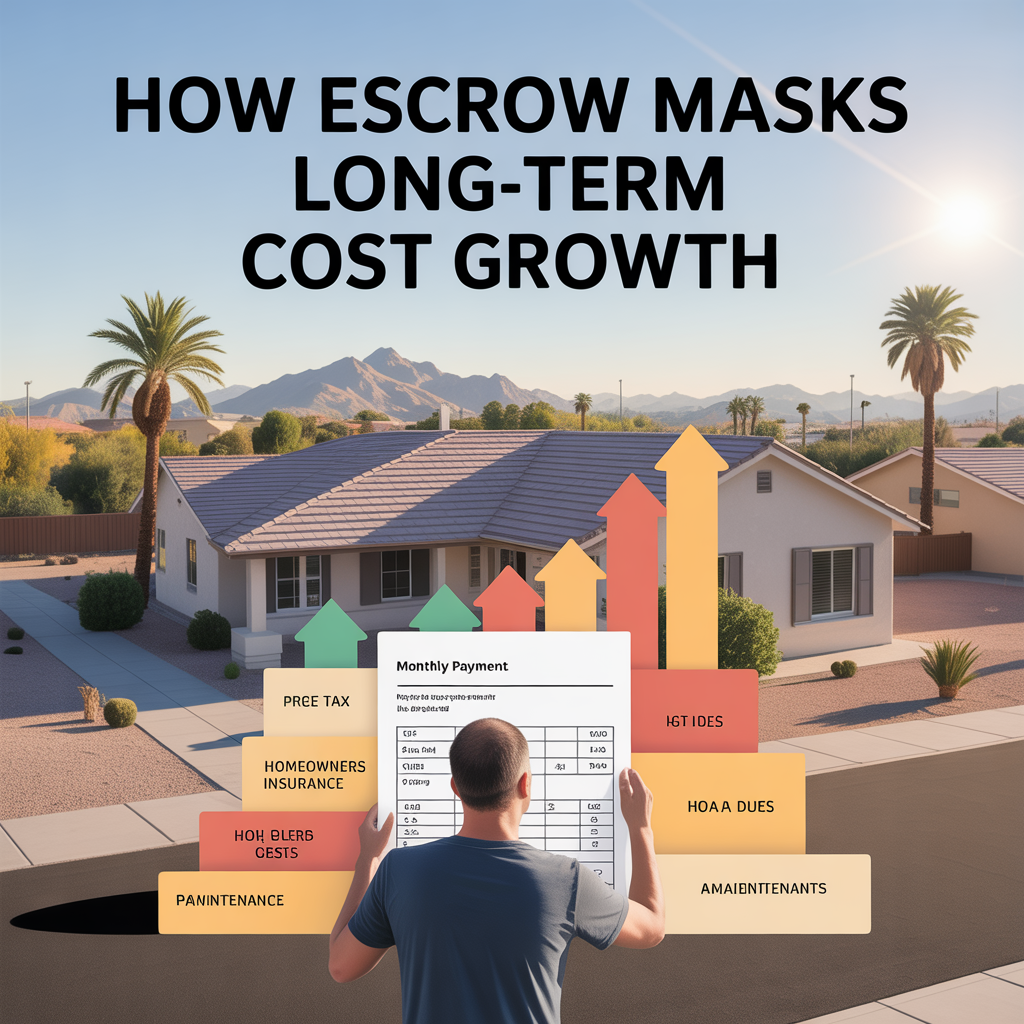
How Escrow Masks Long-Term Cost Growth
-

Why Your Mortgage Payment Isn’t Your True Housing Cost
-

Cross-Valley Trips: When They Feel Easy vs Heavy
-

Remote-Work Friendly Pockets in Glendale
-

School-Run Congestion Zones and Timing
-

Arterial Routing and “Daily Loop” Efficiency
-

State Farm Stadium and it’s Effect on Life and Property Value
-

Freeway Access as a Lifestyle Multiplier in Glendale
-

Event-Night Traffic Impacts and Avoidance Strategies
-

Weekday Commute Direction Tradeoffs From Glendale
-

Season Shifts in Outdoor Time in Glendale
-

Shade, Tree Cover, and Neighborhood Comfort
-

Dog and Kid Friendly Outdoor Routines
-

Trail Access That Feels Routine-Friendly
-

Sports Parks and Family Recreation Patterns
-

Map Proximity vs Summer Usability in Glendale
-

Daily-Use Parks vs Weekend Outdoor Trips
-

Top 10 “Date Night Out” Spots in Glendale