


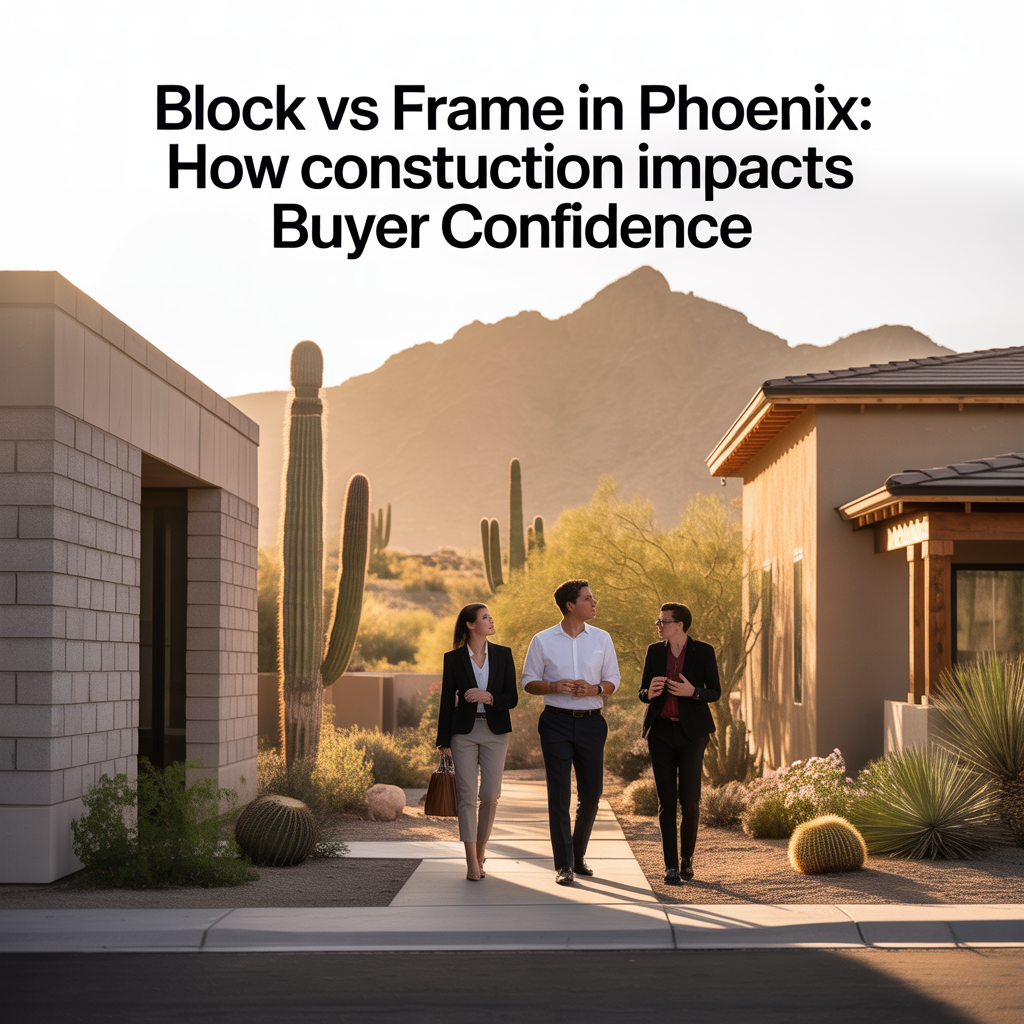
Buyer Fears→ [Buyer Fears] & For more info on other fears Phoenix Real Estate → [Phoenix Real Estate Fears Guide]
Written by: Renee Burke
Here in the Phoenix metro, when a buyer pulls up to a listing, one of their first quiet assessments isn’t the curb appeal or the pool — it’s the walls themselves. Block or frame? That single detail shapes their sense of security, longevity, and how the home will hold up under our blazing sun and occasional monsoons.
I’ve seen it time and again: construction type isn’t just technical — it’s emotional reassurance for Valley buyers who know our climate doesn’t forgive weakness.
Block Construction: The Desert’s Original Workhorse
Phoenix homes built with concrete block — especially those mid-century icons from the 1950s and 60s using Superlite materials — were made for this place. Thick 8-inch blocks provide thermal mass, soaking up daytime heat and releasing it slowly at night, which keeps interiors cooler before AC kicks in.
Buyers love block for its bulletproof durability: fire-resistant, termite-proof, and far less prone to cracking from our expansive soils or settling. In neighborhoods like Central Phoenix or Ahwatukee, a well-maintained block ranch exudes quiet strength — walls you can tap and feel solid, windows flush-set into the stucco without protruding fins. That solidity translates to confidence: fewer surprises in inspections, lower long-term maintenance, and that “built-to-last” vibe families crave near Legacy Golf Resort or South Mountain trails.
Block also muffles sound beautifully, a boon in denser areas like Arcadia Lite where neighbors are close. Sellers who highlight original Superlite patterns or reinforced corners often see buyers linger longer, envisioning decades of worry-free living.
Frame Construction: Modern Speed Meets Trade-Offs
Wood-frame homes — prevalent in newer East Valley builds like Queen Creek or North Scottsdale post-2000s — go up fast with 2×4 or 2×6 studs, allowing open spans, vaulted ceilings, and those sprawling great rooms popular with relocators. They’re lighter on the build cost, which keeps prices accessible amid our growth spurts.
But Phoenix buyers approach frame cautiously. Our 110° summers test wood’s mettle: potential for warping, higher termite risk (despite treatments), and less inherent insulation without upgrades like foam sheathing. Windows often show protruding nail fins, a telltale sign from the street. In a place where dust storms rage and scorpions roam, frame feels less fortress-like — more “needs vigilant care.”
That said, well-engineered frame shines with spray-foam insulation and modern trusses, holding value in master-planned spots like Fulton Ranch where lifestyle trumps legacy.
Head-to-Head: What Boosts Buyer Trust?
Buyers don’t buy specs; they buy peace of mind. Here’s how construction stacks up in Phoenix reality:
Block commands 5-10% premiums in established zones; frame dominates volume sales in outer growth corridors.
Neighborhood Nuances Shape Preferences
Phoenix’s terrain flips the script by pocket:
- Central/East Older Areas (Arcadia, Papago Buttes): Block reigns. Buyers pay up for 1960s ranches with slump-block accents — that textured, low-maintenance exterior screams “Phoenix authentic.” Frame feels imported here.
- North Scottsdale/Luxury: Hybrid wins. Frame allows soaring designs near Troon North; block bases add heft for golf estates.
- West Valley New Builds (Buckeye, Verrado): Frame everywhere — speed-built communities prioritize affordability over mass. Buyers weigh HOA perks against upkeep.
- Gilbert/Chandler Families: Split. Block for privacy near Freestone Park; frame for open kitchens suiting playdates.
Monsoon memories linger: block homes shrug off flash floods better, boosting trust post-storm season.
Updates Close the Confidence Gap
Frame can mimic block’s assurance with smart retrofits — closed-cell foam, radiant barriers, pest tubes. Block benefits from fresh stucco or exposed patterns, reviving mid-mod charm. Either way, disclosures matter: original Superlite? Documented treatments? Buyers reward transparency with stronger offers.
Inspections reveal truth — block rarely flags structural red flags; frame demands proof of elevation bolts or shear walls for our rare shakes.
Lifestyle: Confidence Fuels the Dream
Young families lean block for kid-proof walls near Chandler schools. Remote pros pick frame for flexible offices with mountain views. Retirees? Block’s quiet mass near Sun City Grand feels like a hug from the desert itself.
In our market, where homes pend in 40-60 days, construction tips the scale. Block whispers “reliable neighbor”; frame says “fresh canvas.”
The Bottom Line for Sellers
Spot your type from the windows: flush for block, finned for frame. Stage to its strength — lush citrus against block, sleek tech in frame. Price for the trust it builds, not the year built.
Block or frame, Phoenix buyers seek homes that stand with our saguaros — resilient, rooted, ready for tomorrow’s heat.
If you’re thinking about making a move in Phoenix, you don’t have to figure it out alone. Let’s decode your home’s construction story and showcase what builds real buyer confidence — block-solid or frame-fresh. Together, we’ll position it to shine, steady and sure.
Get the full Phoenix Market Insights → [Market Insights]


-
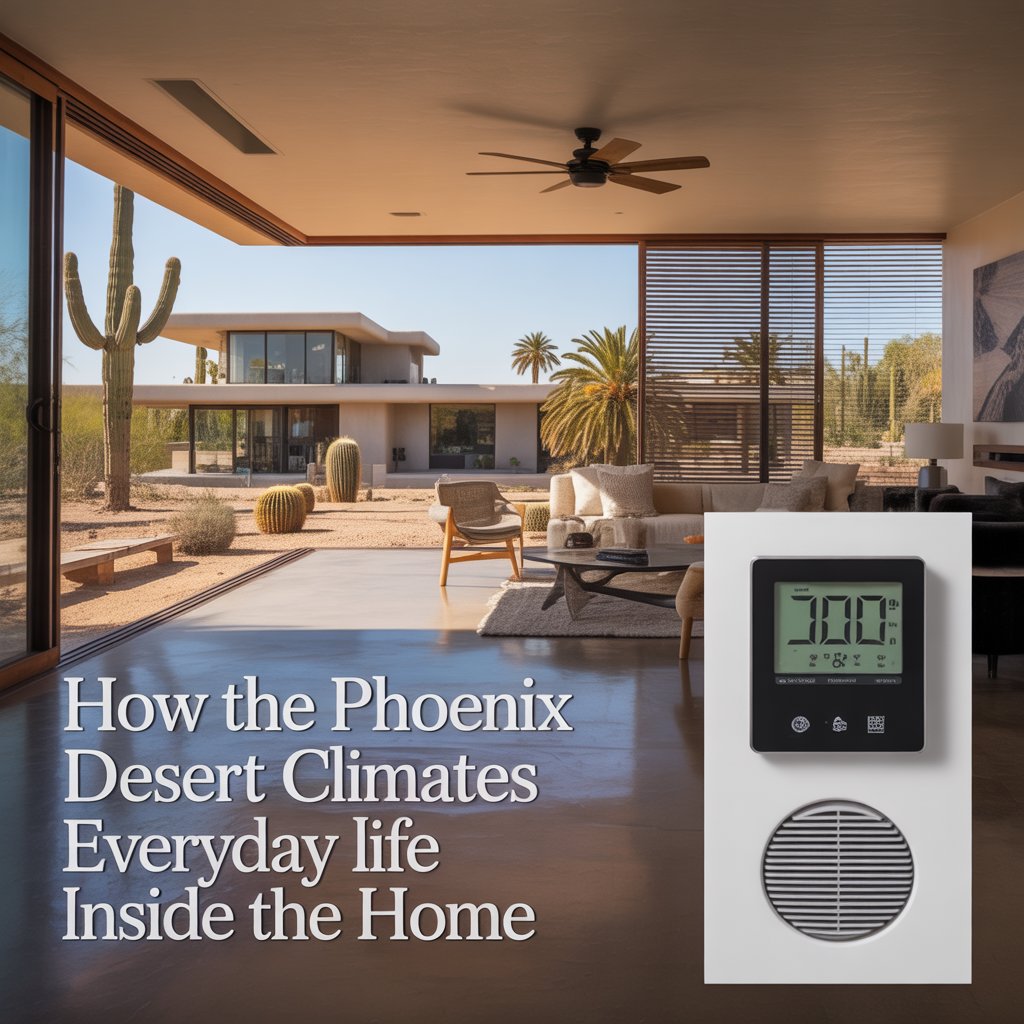
How the Phoenix Desert Climate Shapes Everyday Life Inside the Home
-

How Phoenix Weather Patterns Shape Everyday Home Routines
-
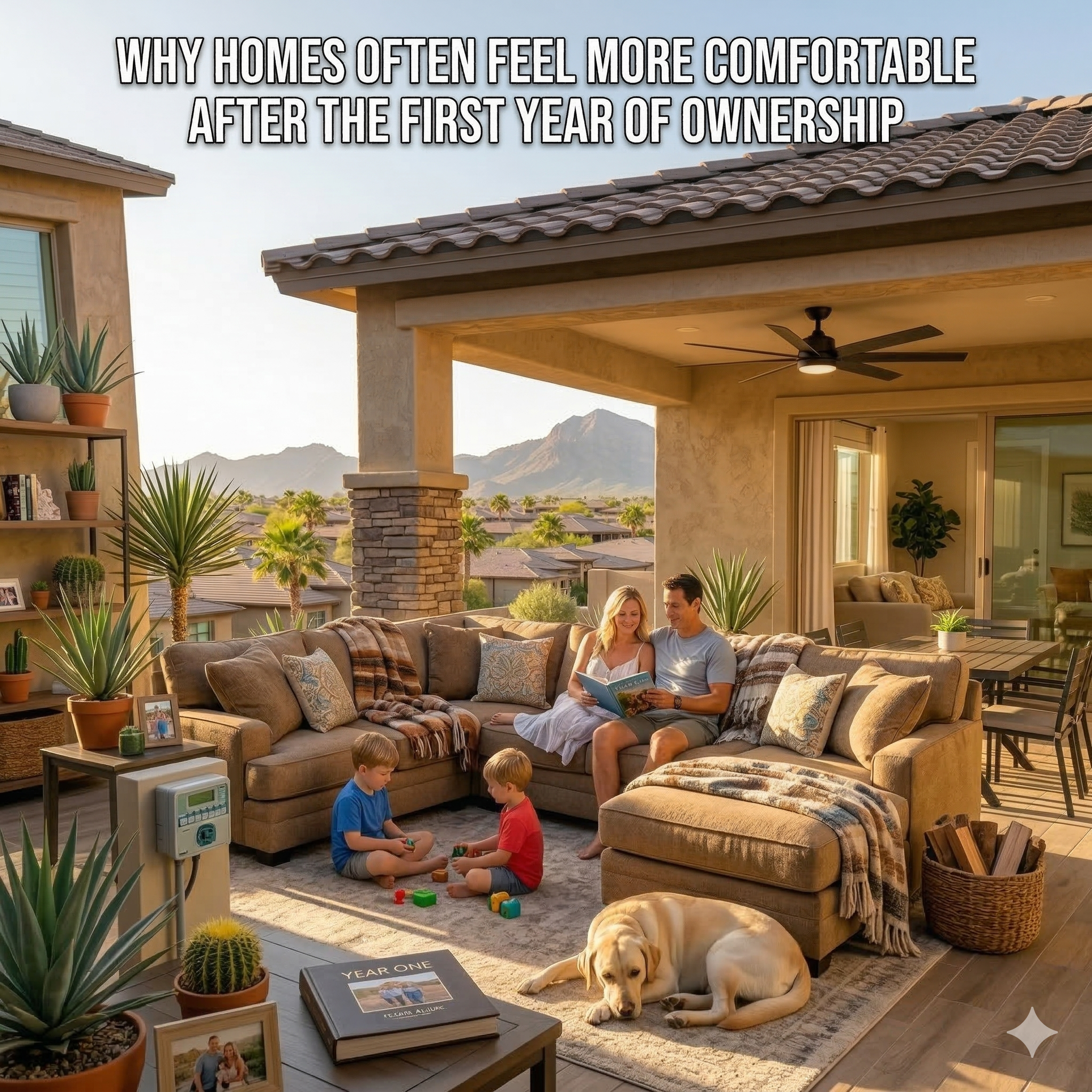
Why Homes Often Feel More Comfortable After the First Year of Ownership
-
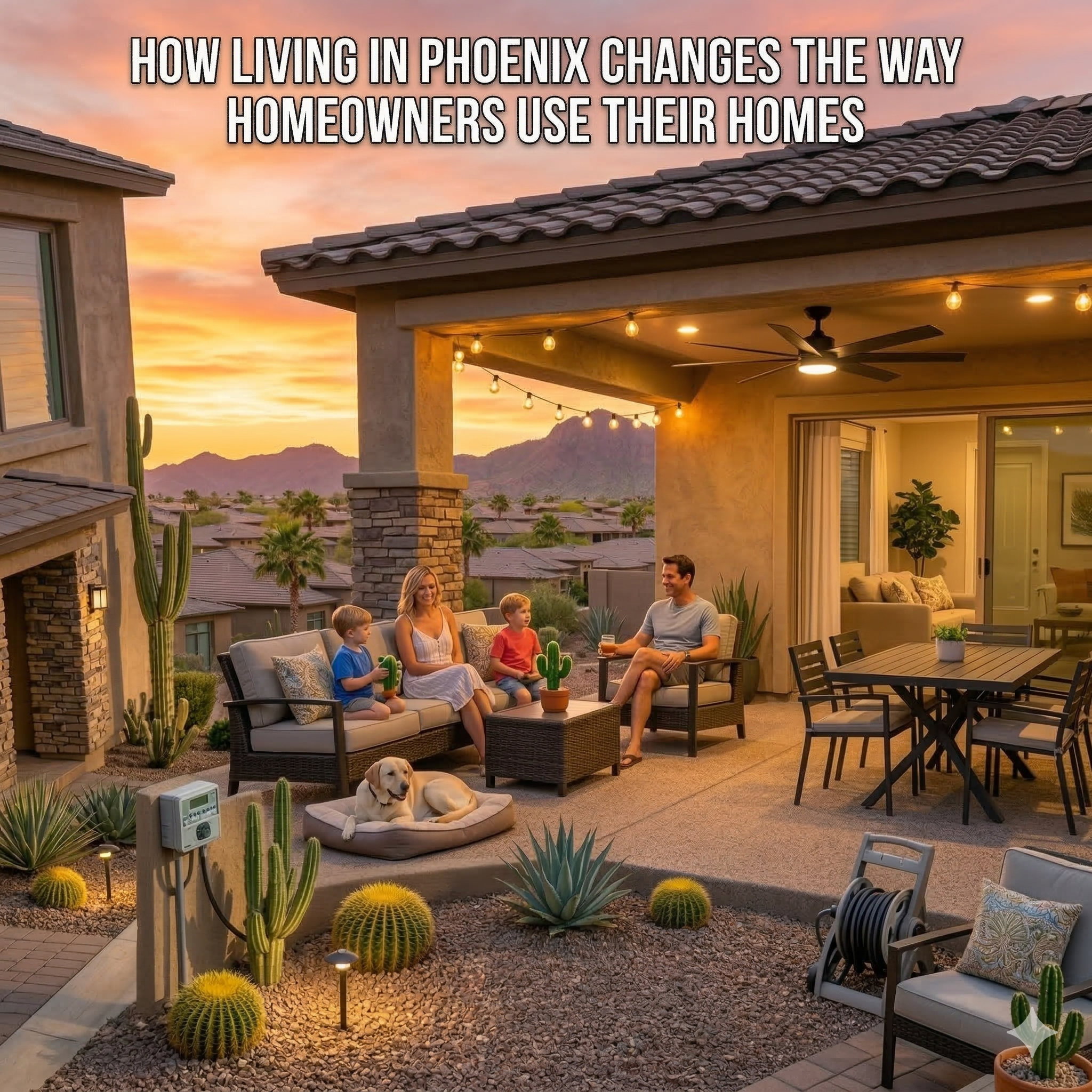
How Living in Phoenix Changes the Way Homeowners Use Their Homes
-
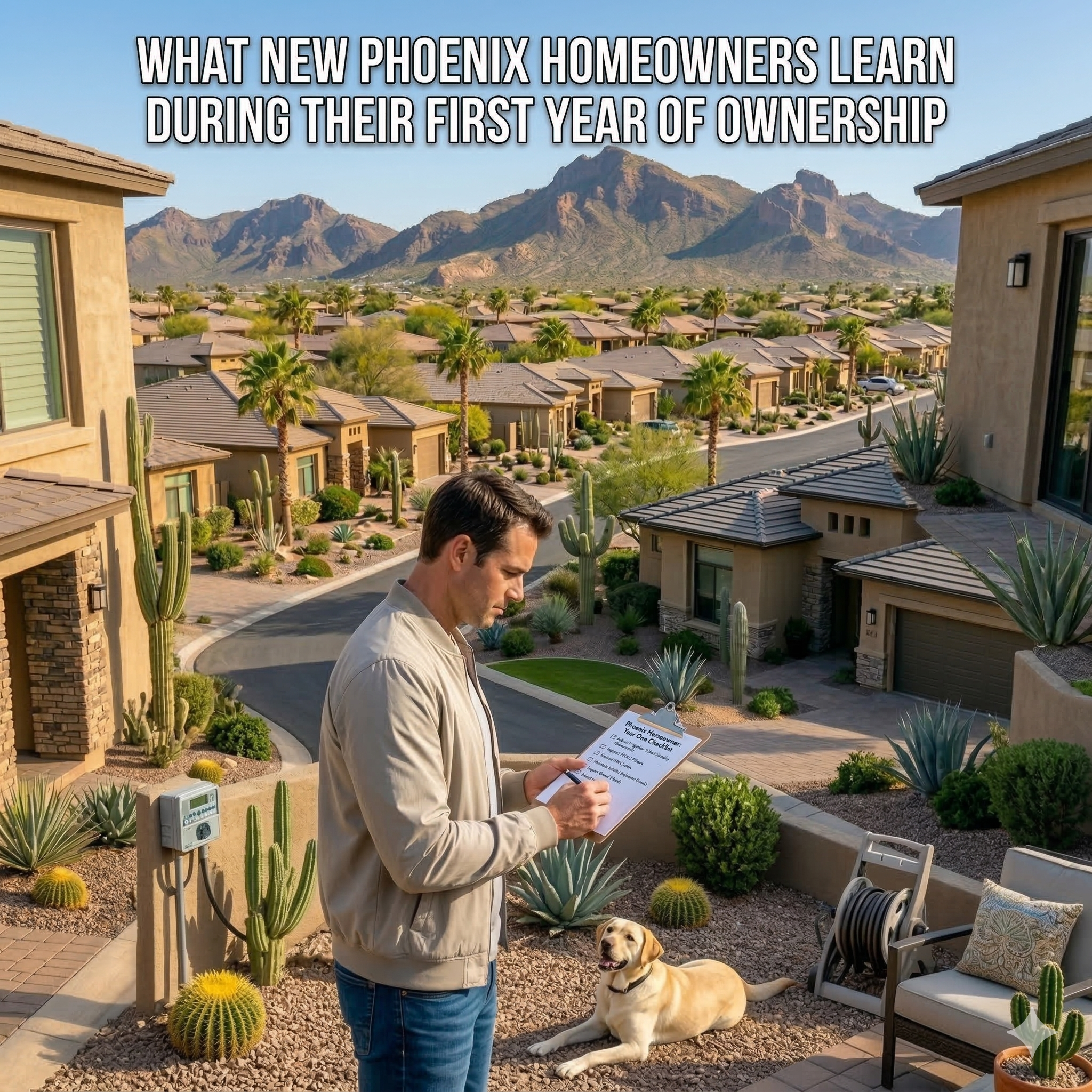
What New Phoenix Homeowners Learn During Their First Year of Ownership
-

How Daily Life Changes After the First Year of Living in a Phoenix Home
-
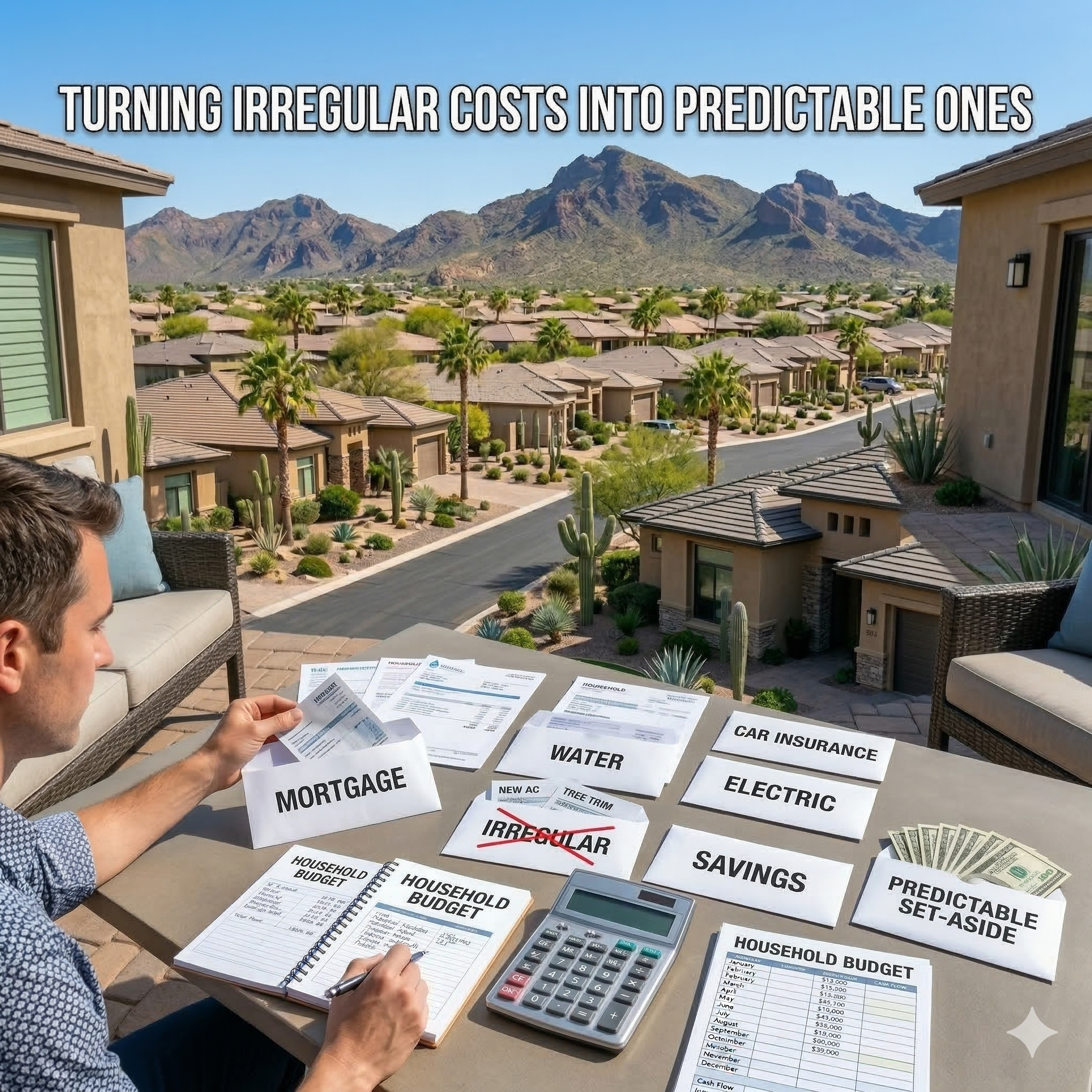
Turning Irregular Costs Into Predictable Ones
-

Budgeting for Ongoing Ownership
-
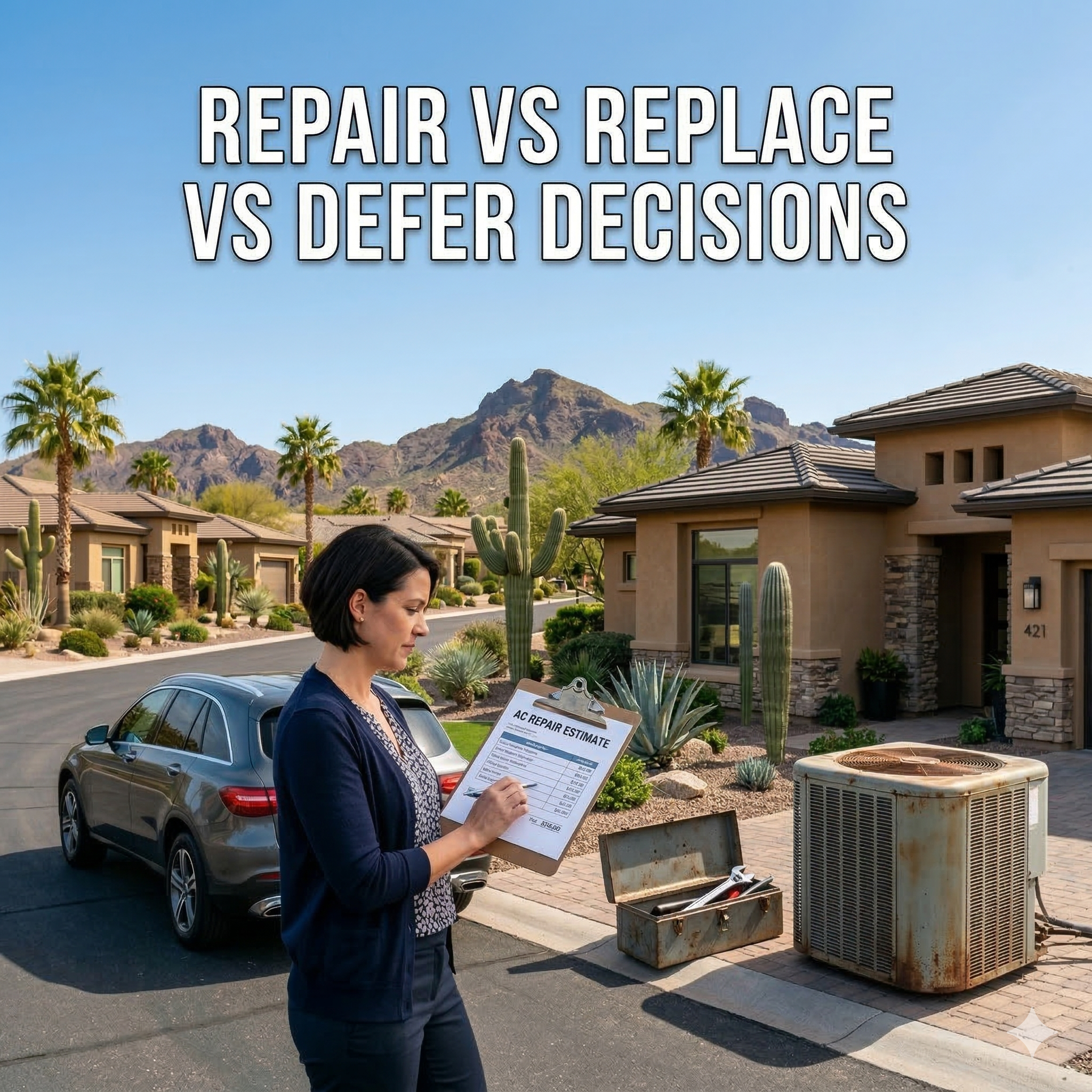
Repair vs Replace vs Defer Decisions
-

Planning Homeownership Like a Long-Term Asset
-
What Home Expenses You Can Safely Delay
-
Stopping Cost Creep Early
-

Cash Flow vs Net Worth Stress
-
Why “It’s Not That Much” Adds Up
-
Warning Signs Your Ownership Budget Is Tightening
-
The Cumulative Cost of Small Home Repairs
-
Designing Budgets Around Local Conditions
-
Utility Costs Over Time in Desert Climates
-

Insurance Increases Explained for Arizona Homeowners
-
How Inflation Impacts Phoenix Homeownership Costs
-

Avoiding Debt-Driven Homeownership Decisions
-

Replacing Systems on Your Timeline
-

Why Emergency Repairs Cost More
-

Timing Major Expenses Without Financial Shock
-
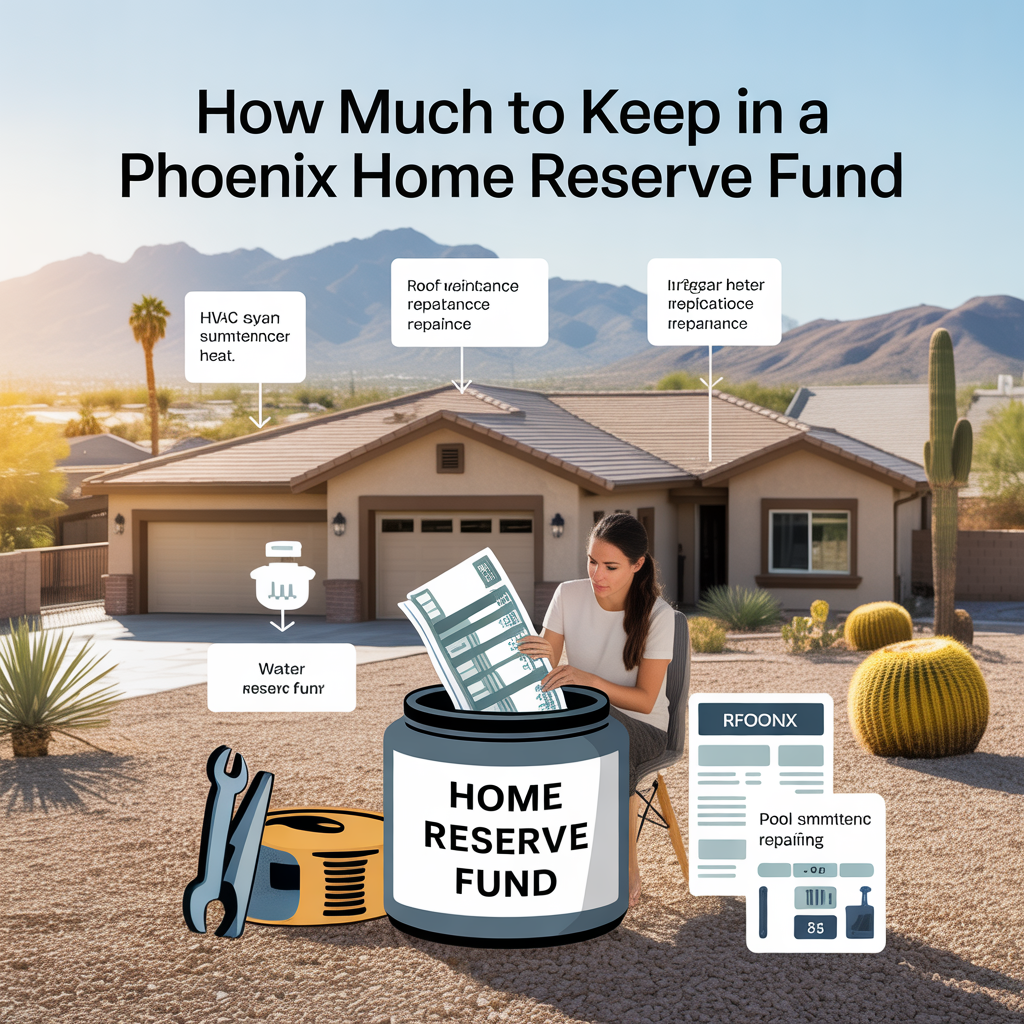
How Much to Keep in a Phoenix Home Reserve Fund