



Buyer Fears→ [Buyer Fears] & For more info on other fears Phoenix Real Estate → [Phoenix Real Estate Fears Guide]
Written by: Renee Burke
I know that when you’re getting ready to sell your home here in the Phoenix metro, the HOA conversation can feel like walking a tightrope. Buyers glance at those monthly fees, peek at the reserve numbers, and suddenly wonder if they’re signing up for more than they bargained for. It’s a valid concern — especially in our Valley communities where HOAs range from light-touch neighborhood watches to full-service resort-style operations.
The good news? You can guide that narrative thoughtfully, turning potential worries into quiet reassurances. Let’s walk through how to frame HOA fees, reserves, and those dreaded special assessments so buyers see the stability — and value — they truly represent.
Start with Transparency as Your Foundation
The very first step is never hiding from the numbers. Phoenix buyers are savvy; they’ll pull the resale disclosure packet anyway, so lead with it. Have your HOA’s latest financials, budget summary, and reserve study summary printed and ready during showings.
Frame it simply: “Here’s exactly what you’re getting for your dues — and why it protects your investment long-term.” This isn’t about spin; it’s about context. In Gilbert’s family enclaves or Chandler’s amenity-packed subdivisions, buyers expect HOAs to handle the desert-specific upkeep that keeps values steady — think irrigation systems, stucco touch-ups, and common-area pool maintenance that would cost them thousands if they managed it solo.
By owning the story early, you shift the focus from “extra fees” to “shared wisdom in a 110-degree summer.”
Positioning HOA Fees: Value Over Sticker Shock
HOA fees in Phoenix aren’t one-size-fits-all, and that’s okay. What matters is helping buyers connect the monthly line item to their daily life and future equity.
Break it down like this:
- Low-fee HOAs ($50–$150/month): Common in East Valley single-family spots like Power Ranch or San Tan Ranch. Position these as “smart efficiency” — covering basic landscaping, street sweeping, and minimal reserves without overkill. “It’s like chipping in for the neighborhood’s front yard so you don’t have to mow a xeriscape median yourself.”
- Mid-range ($200–$400/month): Think Scottsdale’s gainey-area communities or Mesa’s Red Mountain Ranch. Highlight amenities that enhance lifestyle: “Your dues keep the walking trails lit for evening strolls, the fitness center dusted, and the playground fresh — all while building reserves for roof cycles our sun demands.”
- Higher-end ($500+): Luxury pockets in Paradise Valley or DC Ranch master-plans. Emphasize exclusivity: “This covers gated security, clubhouse programming, and master insurance that shields you from multimillion-dollar liability risks.”
The key phrase? “Dues aren’t a cost — they’re prepaid services.” Show a one-page cheat sheet: what dues cover (e.g., 40% maintenance, 30% reserves/insurance, 20% amenities, 10% admin). Buyers relax when they see purpose behind the price.
Reserves: The Quiet Hero of Resale Confidence
Reserves are where you can really shine as a seller. In Arizona, state law requires HOAs to maintain them, but Phoenix associations vary wildly — from fully funded (100%+) to worryingly thin (under 30%).
Here’s how to position yours effectively:
If reserves are strong (70%+ funded): “This community thinks ahead. With healthy reserves, you’re covered for the big-ticket items — repaving those Valley streets every 10–15 years, refreshing pool plaster against our hard water, or upgrading aging AC units on shared clubhouses. No surprises means steady values.”
If reserves are adequate but building: “The board’s proactive — they’ve increased contributions 10% annually, targeting full funding by 2028. Compare that to underfunded neighbors where special assessments pop up every few years.”
Avoid jargon; use relatable math. “At 80% funded, that’s $500,000 set aside for future needs — the equivalent of every homeowner skipping just one major repair bill down the road.”
Buyers love this because it screams stability. In our market, where monsoon damage or roof wear hits hard, robust reserves can justify 5–10% higher pricing compared to skimpy ones.
Special Assessments: Turning Fear into Foresight
Ah, special assessments — the phrase that makes stomachs drop. These one-time hits for unplanned expenses (think sudden wall repairs post-monsoon or elevator overhauls in condos near Tempe Town Lake) are every seller’s nemesis.
But you can reframe them thoughtfully:
- If none recent (past 3–5 years): “This HOA plans well — no specials because reserves handle the curveballs. That’s peace of mind in a region where flash floods test infrastructure yearly.”
- If one occurred: “Two years ago, we had a $2,500 per home assessment for new irrigation lines after a drought spike. It was a smart invest — water bills dropped 15%, and common areas look pristine now. Values rose 8% since.”
- If pending: Disclose fully, then pivot: “The board’s transparent about a potential $1,000 assessment for parking lot resurfacing next spring — fully budgeted with payment plans. I’ve seen these boost curb appeal and sell homes faster.”
Always pair with upside: “Post-assessment communities here often see quicker sales and firmer prices because everything’s refreshed.” Provide comps if possible — “Similar homes in [neighboring HOA] with fresh paving sold for $25K over ask last quarter.”
The maternal nudge: “I get the hesitation — I felt it too when I bought here. But handled right, these are investments in your home’s longevity.”
Common Seller Pitfalls — and How to Avoid Them
I’ve walked dozens of Phoenix sellers through this, and a few traps trip folks up:
- Downplaying fees: Don’t say “it’s not bad.” Say “here’s what it buys you.”
- Ignoring buyer math: They’ll factor dues into affordability. Offer a PITI calculator snippet: principal, interest, taxes, insurance + HOA.
- Skipping visuals: Walk the common areas during showings. “See how fresh that greenbelt is? That’s your dues working.”
- Forgetting lifestyle tie-in: In family-heavy areas like Queen Creek, note playgrounds drawing young buyers. In retiree-friendly Sun City, highlight low-maintenance perks.
Pro tip: Partner with your agent to include an HOA “Value Snapshot” flyer in the MLS — one page with fees breakdown, reserve %, recent projects, and a buyer testimonial quote.
The Numbers Buyers Really Run
Phoenix buyers aren’t just eyeballing totals; they’re stress-testing scenarios. Help them:
“This table shows why dues correlate with demand here — amenities draw the right buyers, reserves protect the price.”
Building Lasting Buyer Trust
Ultimately, positioning your HOA story isn’t about perfection — it’s about realism. Phoenix’s sun, dust, and growth make HOAs a practical partner for most. Share your own experience: “We’ve loved how the HOA handles the heat — freeing us to enjoy hikes in the McDowells instead of trim painting.”
When buyers feel guided, not sold, they bid confidently.
If you’re thinking about making a move in Phoenix, you don’t have to figure it out alone. Let’s talk through your HOA details, crunch the numbers, and craft the story that highlights your home’s true strengths — so you can move forward feeling informed, supported, and confident in every decision.
Get the full Phoenix Market Insights → [Market Insights]


-
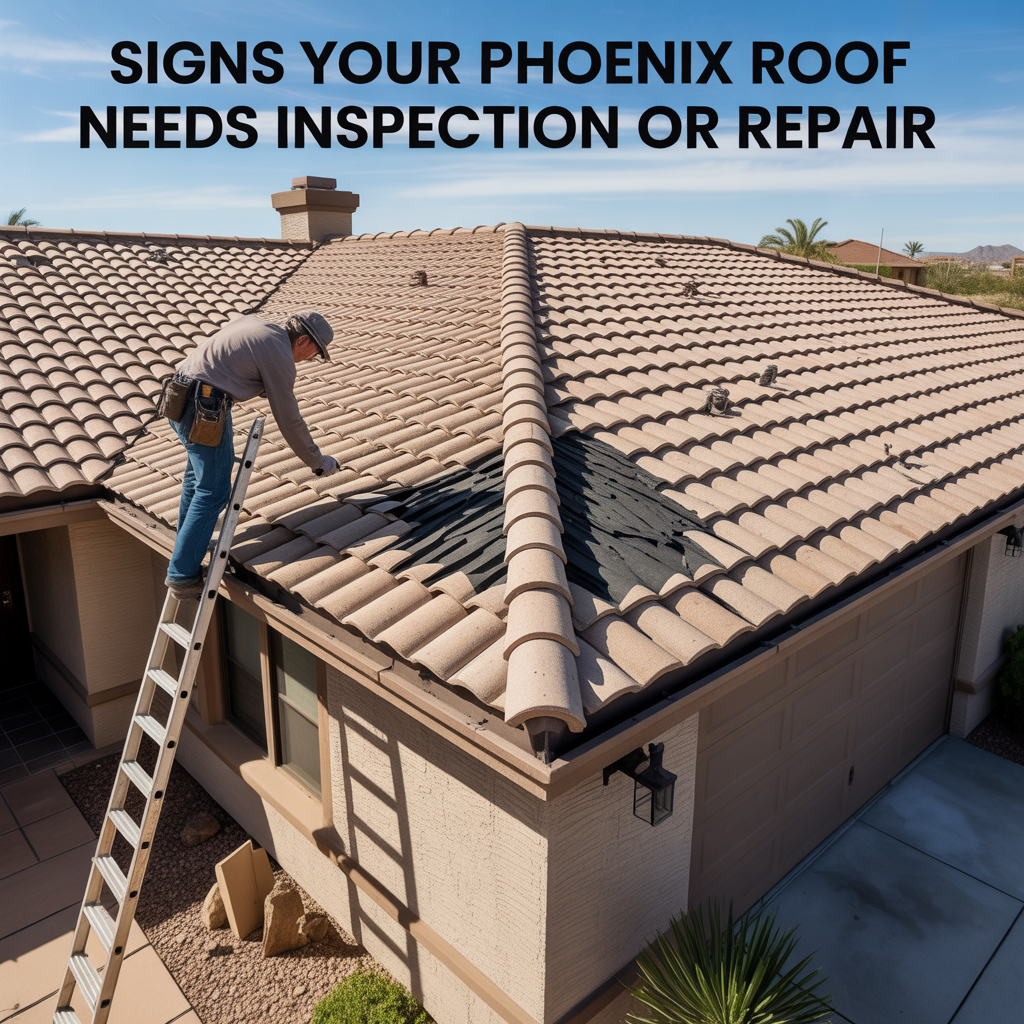
Signs Your Phoenix Roof Needs Inspection or Repair
-
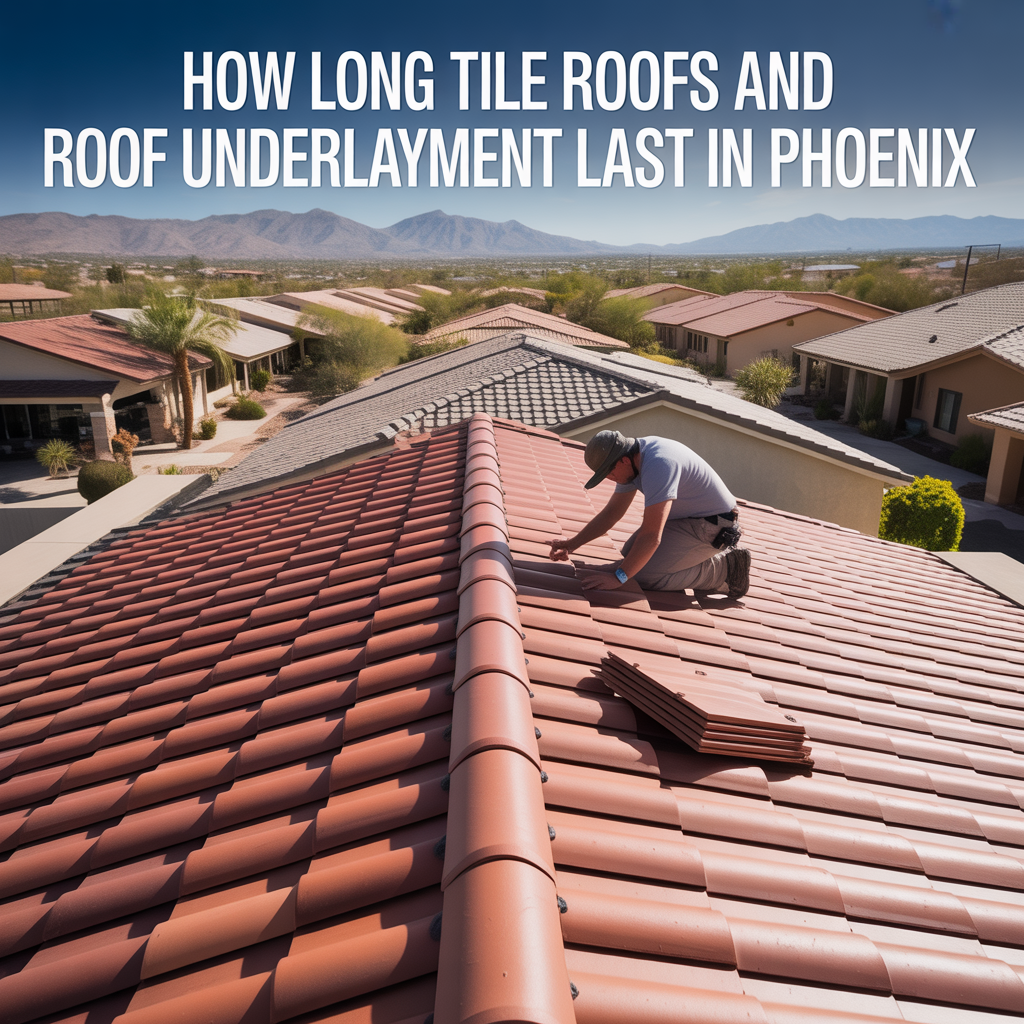
How Long Tile Roofs and Roof Underlayment Last in Phoenix
-

How Smart Thermostats Improve Cooling Efficiency in Arizona Homes
-

Why AC Systems Struggle During Extreme Phoenix Heat Waves
-
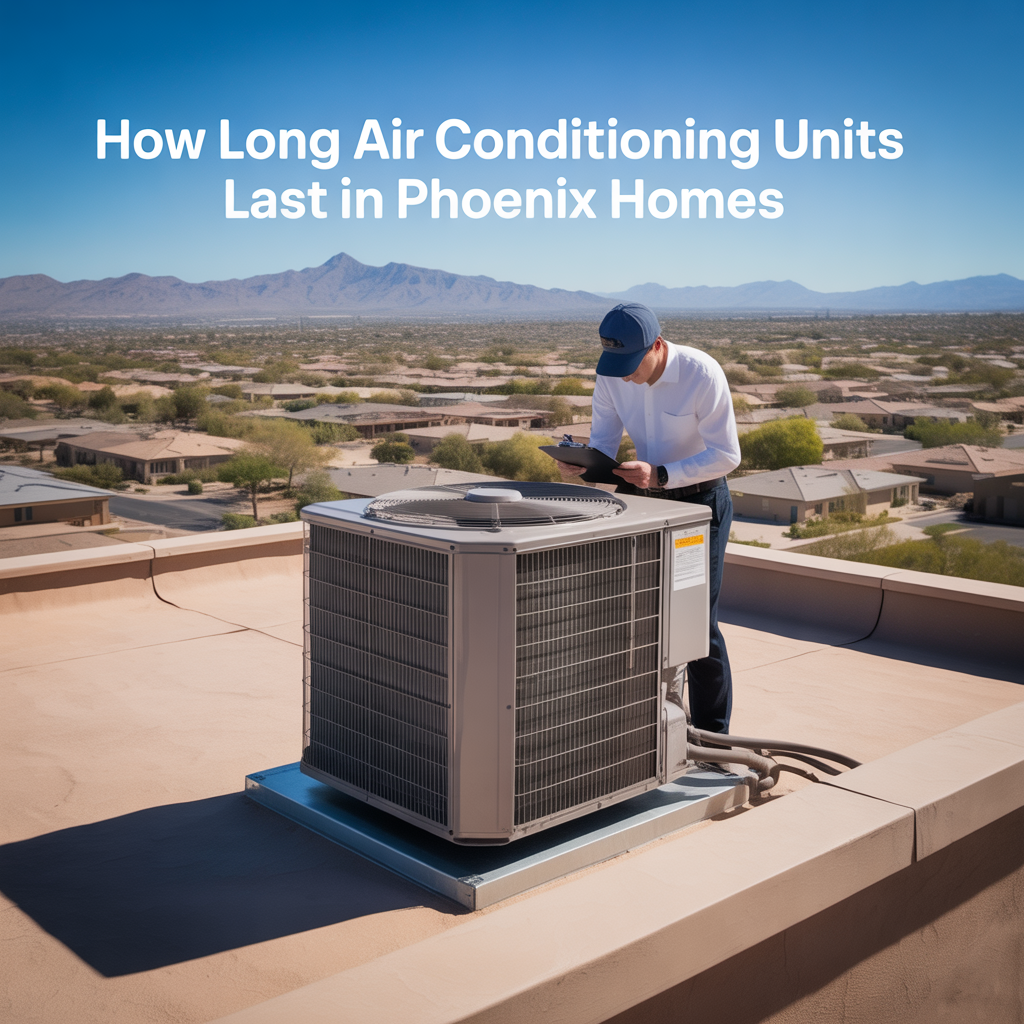
How Long Air Conditioning Units Last in Phoenix Homes
-

Warning Signs Your Air Conditioner Is About to Fail
-

How Often Phoenix AC Systems Need Maintenance
-
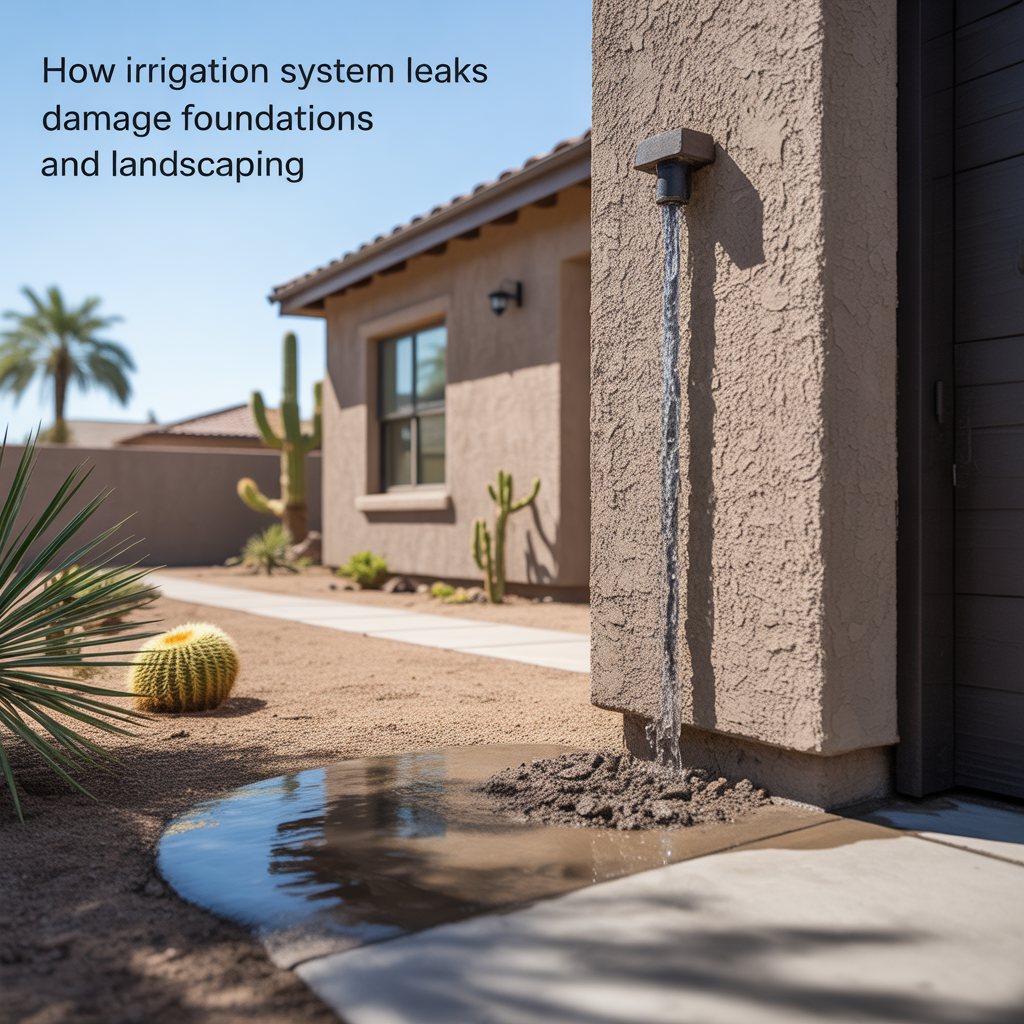
How Irrigation System Leaks Damage Foundations and Landscaping
-

Preventing Roof Damage Before Arizona Monsoon Storms
-
Why AC Tune-Ups Are Critical for Phoenix Homes
-

What Homeowners Should Inspect Before Phoenix Summer Heat Arrives
-
Seasonal Home Maintenance Checklist for Phoenix Homeowners
-
How UV Exposure Damages Exterior Paint, Stucco, and Sealants
-

How Extreme Heat Shortens the Lifespan of Home Systems
-

Why Phoenix Roofs Wear Out Faster Than Many Other Cities
-
How Long AC Units Typically Last in Phoenix Homes
-

Building a Long-Term Protection Strategy
-
How Small Repairs Prevent Larger Problems
-

Protecting Older Phoenix Homes
-
Warning Signs of Hidden Home Risks
-

Preventative Maintenance That Reduces Insurance Claims
-

Reducing Liability Exposure Around Your Property
-

Liability Coverage Limits Explained
-

When Umbrella Insurance Makes Sense
-

Protecting Yourself From Guest Injury Claims