



Buyer Fears→ [Buyer Fears] & For more info on other fears Phoenix Real Estate → [Phoenix Real Estate Fears Guide]
Written by: Renee Burke
If you’ve lived in the Valley for any length of time, you already know that homeowners associations (HOAs) are nearly as common here as palm trees. And while the term “HOA” can spark everything from confidence to hesitation, the truth is much more nuanced. In the Phoenix metro, whether or not your home sits within an HOA community can shape nearly every aspect of your listing strategy—from pricing and presentation to buyer expectations and closing timelines.
This isn’t about one being better than the other. It’s about understanding how they function differently in our market so you can position your home the right way. Because in a region as vast and varied as ours—from master-planned suburbs like Chandler to established pockets of north Phoenix—every detail of how you market and list matters.
The Two Worlds of Phoenix Real Estate
In broad strokes, HOA-governed homes dominate the Phoenix metro’s newer developments. These are the neatly manicured subdivisions in Gilbert, Queen Creek, or the north Peoria corridor—where every home has a cohesive look, and community amenities are often built right in.
By contrast, non-HOA neighborhoods are scattered throughout Scottsdale’s older areas, midtown Phoenix, parts of Tempe, and pockets of the West Valley. Here you’ll find charming older homes, deeper lots, and the freedom that comes with fewer community restrictions.
Each landscape attracts a distinct buyer personality. And that’s where listing strategy begins.
Understanding the HOA Seller’s Landscape
HOA communities often sell the idea of simplicity—well-maintained streets, consistent property values, and a predictable sense of order. But that same predictability comes with a specific marketing angle.
1. Highlight consistency and convenience.
When selling in an HOA, you’re not just selling the home—you’re selling the lifestyle that comes with it. Buyers here tend to appreciate amenities like community pools, walking trails, planned neighborhood events, or even just knowing the paint colors will stay consistent. Make sure your listing copy and photos subtly emphasize that sense of community care and maintenance.
2. Be HOA-document ready.
HOA-managed sales can slow down if paperwork isn’t ready up front. Having your disclosure packet, resale documents, and fee schedules handy signals to buyers—and their agents—that yours will be a smooth, transparent transaction. A surprising number of deals get delayed simply because a seller waits until escrow to request these documents.
3. Leverage “turnkey” appeal.
Buyers moving from other markets, especially those relocating from states with harsh winters, are often drawn to Phoenix’s HOA neighborhoods for their clean presentation and minimal upkeep. Lean into that in your marketing visuals: tidy curb appeal, fresh exterior paint, and a well-kept yard all reinforce the “move-in ready” story.
4. Price with precision.
Because HOA communities are built in tighter time frames, neighboring homes often share similar floor plans. This gives you more concrete comparable sales data—but also demands accuracy. A difference of just a few upgrades or views can move the needle. Work with an agent who understands how to interpret micro-location nuances like lot orientation, proximity to main roadways, and interior improvements.
The Non-HOA Seller’s Equation
Listing a non-HOA home is a different experience entirely. These properties appeal less to conformity and more to individuality. Buyers here tend to be more independent-minded, valuing space, freedom, and the absence of monthly obligations or appearance rules.
1. Play up character and potential.
Older Phoenix homes—with block construction, mature trees, or even the rare irrigation system in parts of the historic districts—speak to buyers wanting personality. Here, cleanliness and presentation still matter deeply, but so does highlighting uniqueness. A well-styled desert landscape or a courtyard with shade trees can make an emotional impact that newer communities can’t replicate.
2. Prepare for a wider pricing spread.
Without the uniformity of HOA design guidelines, market comps can be less predictable. Two houses on the same street might differ dramatically in condition or layout. This is where pricing strategy becomes both art and analysis—balancing upgrades, lot size, and overall appeal rather than just square footage comparisons.
3. Manage buyer concerns upfront.
Some buyers hesitate when they hear “non-HOA,” associating it with uncertainty or potential neighbor issues. You can counter that by making your property’s boundaries, improvements, and upkeep obvious. A clean inspection report and clearly defined fencing or landscaping show that freedom doesn’t mean disarray.
4. Showcase flexibility.
Parking an RV, adding a workshop, or building an auxiliary unit—these options resonate with buyers who crave options. Your listing description should include any functional perks that an HOA neighborhood would typically restrict.
How Buyer Psychology Shifts Between the Two
A family seeking a neighborhood with smooth paths, playgrounds, and community oversight often wants assurance that everything will stay neat and quiet. Their focus is on predictability and security of investment.
Meanwhile, a non-HOA buyer tends to value autonomy and individuality. They may envision unique renovations or simply dislike being told what color their garage door should be. Recognizing these core motivations helps fine-tune both your marketing tone and your showing strategy.
When an HOA home should feel safe and easy, a non-HOA home should feel open and full of possibility.
Marketing Nuances the Phoenix Market Rewards
Photography and staging:
In HOA communities, polish and order win the day. Crisp photos showing symmetry, clean lines, and maintained spaces attract that detail-oriented buyer profile.
For non-HOA homes, a bit of warmth and authenticity in the photography works wonders. Natural desert light through broad windows, backyard gardens, or textured surfaces create emotional resonance without over-scripting the scene.
Listing verbiage:
For HOA homes, use phrases like low-maintenance living, community amenities, or professional upkeep.
For non-HOA, lean on language such as flexibility, space to make your own, or no restrictions. Those subtle cues help buyers immediately see whether your home fits their personal values.
Open houses:
HOA listings tend to attract shorter, purposeful visits—often from families who’ve done their research online first. Keep printed HOA financials or amenity lists handy to reinforce transparency.
In non-HOA showings, conversations often last longer because buyers are imagining modifications. Have supporting materials ready about zoning, storage options, or nearby business access for possible home-based work.
Pricing Patterns Across the Metro
It’s tempting to think HOA equals higher price, but that’s not always true. While amenities and newer infrastructure can boost appeal, HOA fees can offset perceived value. Buyers calculate those monthly dues into their affordability.
In non-HOA regions, price premiums often come from land—larger lots, detached garages, horse privileges, or mature greenery. Especially in parts of Gilbert, Cave Creek, or Laveen, such features carry their own strong appeal.
A good listing strategy balances both perception and math. In other words, you price to highlight your home’s strengths—not to chase its differences. A clean, consistent message about what makes your location better for this type of buyer keeps your days-on-market lower.
Navigating the Legal and Logistical Layers
With HOA properties, sellers must account for disclosure deadlines and association approval steps. Even small oversights, like missing community rules or updated fee reports, can slow escrow. Preparing these ahead of time sends a silent signal of professionalism.
For non-HOA properties, the focus turns to municipal regulations—things like septic inspections, irrigation rights, or older easements. These aren’t hurdles, just details that reinforce to buyers that they’re purchasing from someone who has truly cared for the property.
The Long Game: How Location Shapes Lifecycle Value
Phoenix’s growth pattern continues to expand outward, and HOA communities often anchor those newer outer areas. As roads and shopping centers mature around them, these neighborhoods typically gain value through convenience.
Non-HOA areas—closer to the urban core—hold their worth by scarcity. You can’t replicate an established neighborhood feel with decades-old trees or custom designs built before uniform codes. Both paths have merit; each relies on different timing, lifestyle, and stewardship.
A Seasoned Local Perspective
After so many years watching the Valley evolve, I’ve learned that what truly affects a home’s success isn’t whether it has an HOA—it’s how well the seller’s story fits the buyer’s mindset. A tidy, HOA-kept home with a strong sense of community speaks to security. A well-loved, non-HOA property speaks to freedom. Both can command strong offers when framed authentically.
The right strategy appreciates what makes Phoenix itself so dynamic—our balance of order and individuality, growth and tradition. Knowing how to highlight that balance is what transforms a simple listing into a successful sale.
A Warm Invitation Forward
If you’re thinking about listing—or just wondering how your current neighborhood fits into Phoenix’s evolving market—you don’t have to figure it out alone. I’ve guided homeowners across every corner of the Valley through the subtle differences between HOA and non-HOA markets, and I’d be honored to help you shape the next chapter of your home journey.
Whether you’re ready to move soon or simply gathering insight, let’s have a conversation. It starts with understanding your goals and the story your home is meant to tell.
Get the full Phoenix Market Insights → [Market Insights]


-

Signs Your Phoenix Roof Needs Inspection or Repair
-
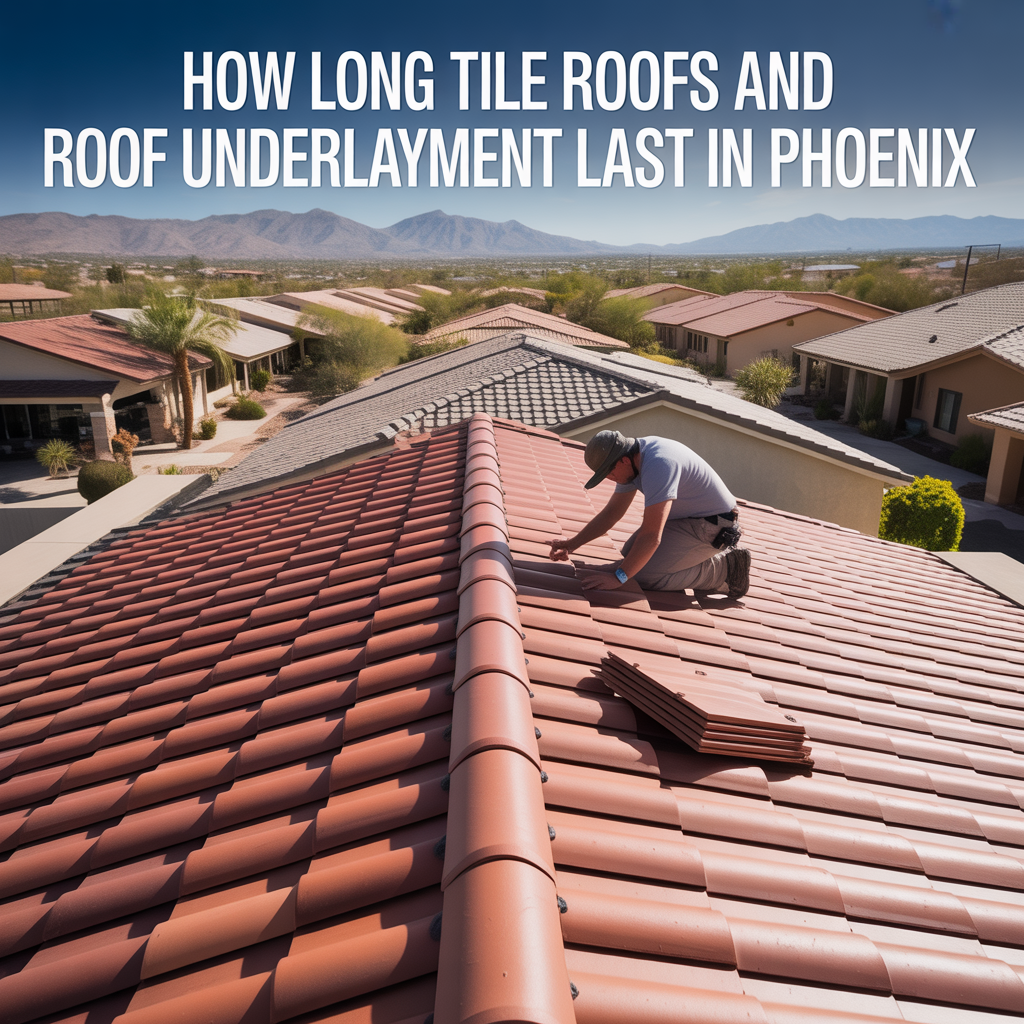
How Long Tile Roofs and Roof Underlayment Last in Phoenix
-

How Smart Thermostats Improve Cooling Efficiency in Arizona Homes
-

Why AC Systems Struggle During Extreme Phoenix Heat Waves
-

How Long Air Conditioning Units Last in Phoenix Homes
-

Warning Signs Your Air Conditioner Is About to Fail
-

How Often Phoenix AC Systems Need Maintenance
-

How Irrigation System Leaks Damage Foundations and Landscaping
-

Preventing Roof Damage Before Arizona Monsoon Storms
-

Why AC Tune-Ups Are Critical for Phoenix Homes
-

What Homeowners Should Inspect Before Phoenix Summer Heat Arrives
-
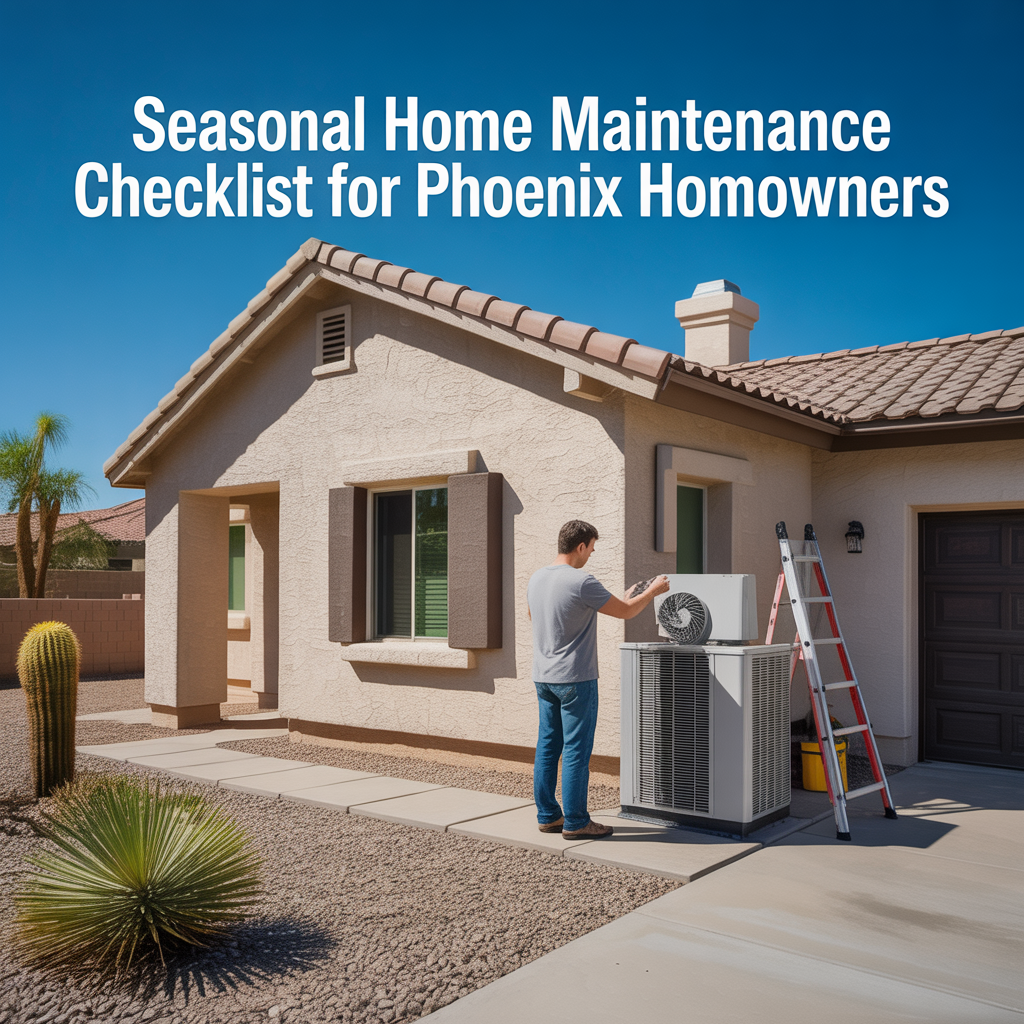
Seasonal Home Maintenance Checklist for Phoenix Homeowners
-
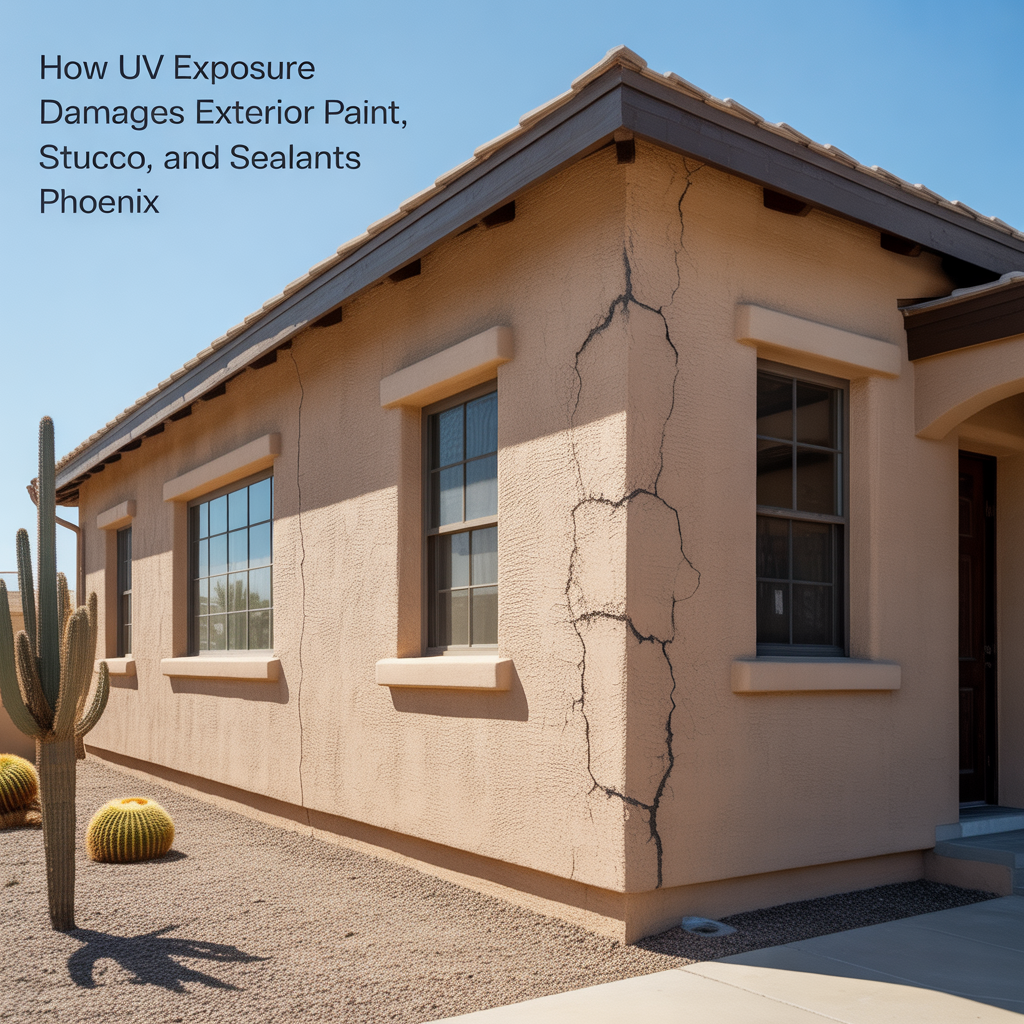
How UV Exposure Damages Exterior Paint, Stucco, and Sealants
-

How Extreme Heat Shortens the Lifespan of Home Systems
-

Why Phoenix Roofs Wear Out Faster Than Many Other Cities
-
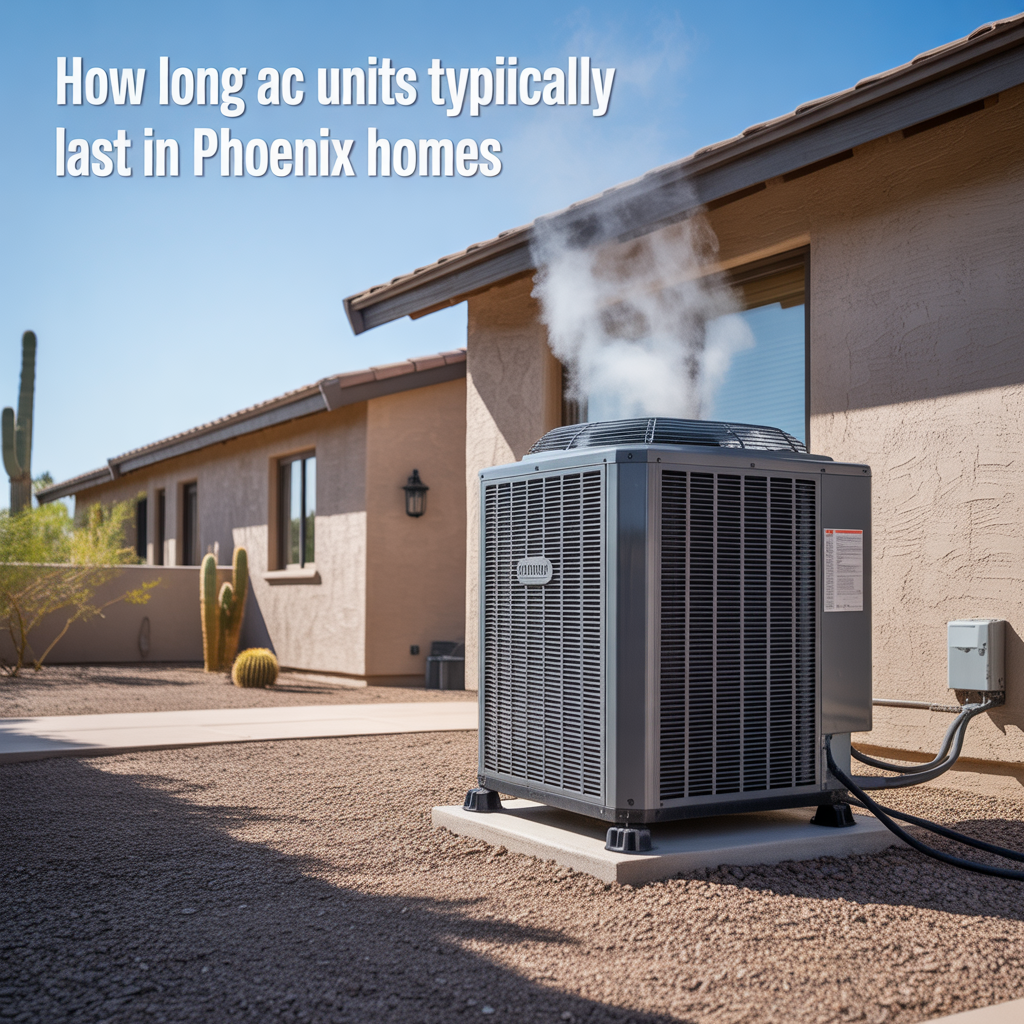
How Long AC Units Typically Last in Phoenix Homes
-

Building a Long-Term Protection Strategy
-
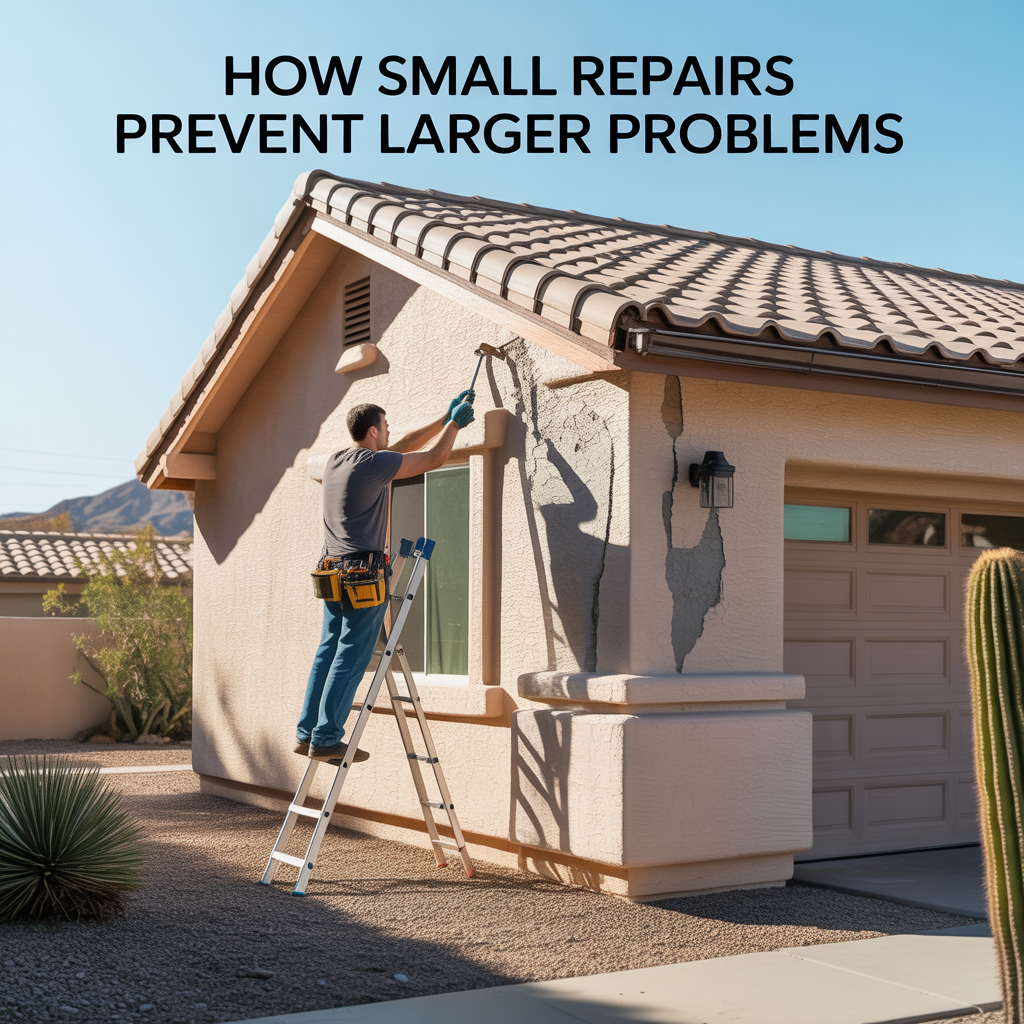
How Small Repairs Prevent Larger Problems
-

Protecting Older Phoenix Homes
-
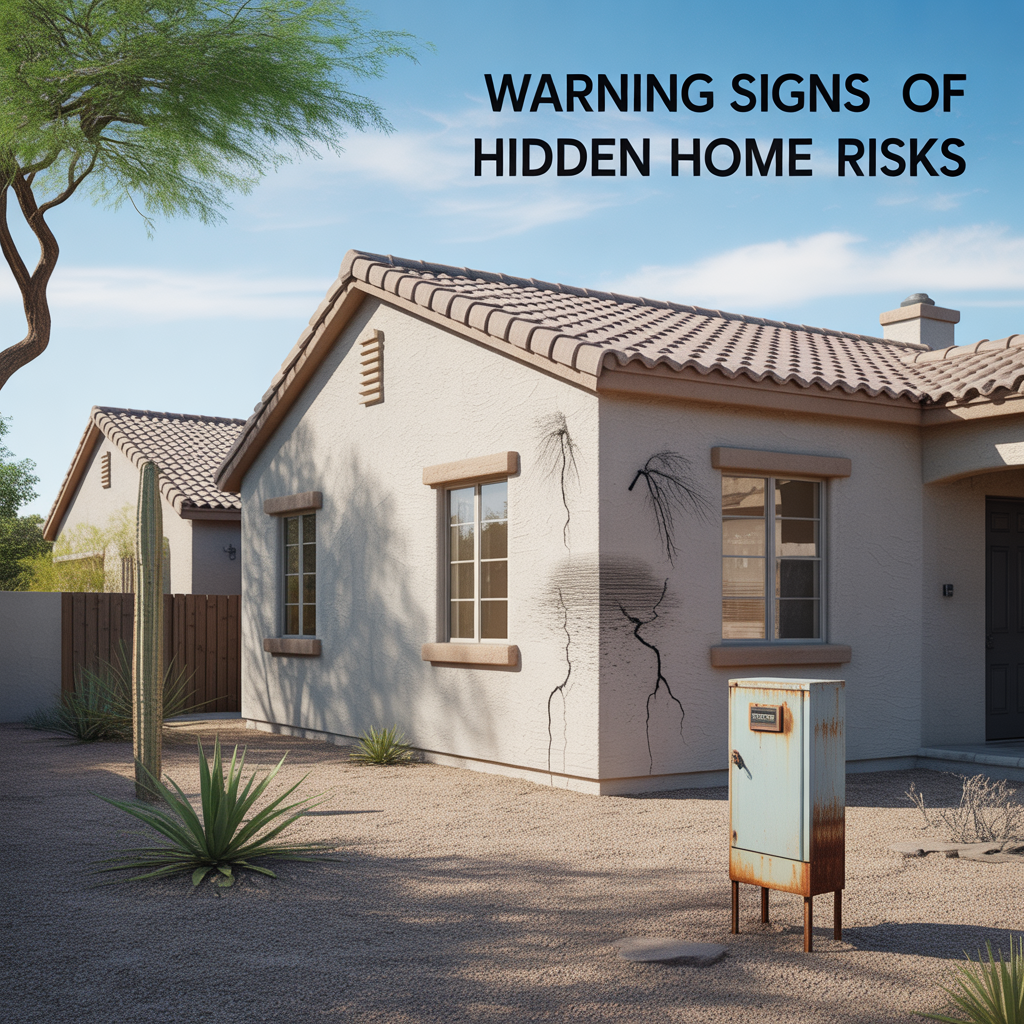
Warning Signs of Hidden Home Risks
-

Preventative Maintenance That Reduces Insurance Claims
-

Reducing Liability Exposure Around Your Property
-

Liability Coverage Limits Explained
-

When Umbrella Insurance Makes Sense
-

Protecting Yourself From Guest Injury Claims