



Buyer Fears→ [Buyer Fears] & For more info on other fears Phoenix Real Estate → [Phoenix Real Estate Fears Guide]
Written by: Renee Burke
Phoenix has a rhythm all its own, and if you’ve lived here a while, you’ve probably felt it in your bones even before you saw it on a chart. In boom years and cool‑downs, the headlines change, but what it feels like to be a seller in Phoenix follows some familiar patterns.
I don’t have live data in front of me right now, so I’ll speak from the on‑the‑ground perspective I’ve seen play out again and again in real seller situations across the Valley.
What a Boom Actually Feels Like to a Seller
When Phoenix is humming along in a boom, you can feel it before you list.
Neighbors mention getting multiple offers, agents’ signs flip to “Pending” in a blink, and you start to hear “We had 20 showings in the first weekend” at every backyard barbecue. It creates this quiet pressure: “If we’re ever going to sell, this might be our shot.”
From a seller’s view, a boom usually looks like:
- Fast feedback. You know very quickly if you’re priced even close to right—your phone is buzzing with showings and your agent is juggling questions within the first few days.
- Emotionally intense weekends. The first open house or showing weekend can feel like a sprint: lots of shoes at the door, overlapping appointments, and talk of “offer deadlines.”
- Surprising leverage. You can sometimes negotiate not just price, but terms—shorter inspection periods, fewer repair requests, or stronger earnest money.
- A tug‑of‑war in your mind. On one hand, you’re thrilled. On the other, you’re thinking, “If it went this fast, did we underprice? Should we have pushed more?”
The tricky part is that in a boom, it’s very easy to confuse market momentum with personal invincibility. Sellers start to feel like any house at any price will fly off the shelf. That’s where Phoenix can be quietly unforgiving.
Even in the strongest cycles, there are always:
- Homes that sit because they overshoot the market.
- Properties that get passed over because they feel tired next to fresher competition.
- Sellers who get caught off guard when the “easy” sale suddenly requires repairs, concessions, or a backup plan.
Booms are wonderful for confidence and equity, but they can also tempt you into skipping strategy.
The First Signs Phoenix Is Cooling
Phoenix rarely turns on a dime. Instead, the market softens in little ways that most sellers only notice after the fact.
Here’s how that usually shows up through a seller lens:
- Showings slow from a rush to a trickle. Instead of six showings on Saturday, you see one or two spread across the week.
- Feedback shifts from “We love it” to “We’re going to keep looking.” Buyers know they have more choices, and you hear more “ifs” and “buts.”
- Price reductions start popping up nearby. You notice neighbors adjusting by ten or twenty thousand and quietly wonder if you’ll need to do the same.
- Agents start saying “we need to be realistic” more often. The tone moves from, “We’ll have no problem” to “Let’s watch this closely.”
Emotionally, this is when sellers feel the most unsettled. You still remember stories from the boom and naturally compare your experience to those. If your home doesn’t sell in three days, it can feel like something is “wrong,” even when you’re actually in a perfectly normal, balanced market.
The truth is that Phoenix cool‑downs often look less like a collapse and more like a re‑centering: more negotiation, more patience, and more emphasis on doing things right instead of fast.
How Sellers React in Each Phase
The same external conditions can create very different experiences depending on how you respond.
In a Boom
Sellers who tend to do well in a boom:
- Price near the top of reality, not above it. They respect the comparables but allow the market to reward them rather than gambling way beyond the range.
- Prepare the home anyway. Even when “everything is selling,” they clean, declutter, handle obvious repairs, and make the home easy to love.
- Stay grounded in their goals. They remember why they’re moving and don’t let bidding wars or neighbor comparisons push them into decisions that don’t fit their long‑term plans.
Sellers who struggle in a boom often:
- Assume their home will perform like the very best case they’ve heard, not the realistic middle.
- Skip preparation because “someone will buy it anyway.”
- Get so fixated on squeezing every dollar that they lose sight of time, stress, or the logistics of their next move.
In a Cool‑Down
In cool‑down cycles, the sellers who tend to come out ahead:
- Accept the new reality early. They adjust to slightly longer timelines and more negotiation instead of fighting it.
- Lean into condition and presentation. With more inventory, they understand their home has to earn a buyer’s “yes.”
- Think in terms of net and life, not just list price. They weigh the cost of waiting or carrying the home longer against being more flexible now.
Sellers who struggle in cool‑downs often:
- Anchor emotionally to their neighbor’s price from a hotter month or year.
- Delay necessary price or condition adjustments until the listing feels “stale.”
- Feel personally rejected by slower activity, even when it’s just the broader market shifting.
Phoenix’s “Real Personality” Through These Cycles
What I love about Phoenix is that it’s resilient. People still move here for jobs, sunshine, family, health, and lifestyle. That underlying demand doesn’t disappear just because the cycle tilts a little more toward buyers or a little more toward balance.
Through both booms and cool‑downs, Phoenix tends to reward the same seller behaviors:
- Honesty about where your home fits. Not every house is the neighborhood unicorn, and that’s okay. Knowing where you realistically sit helps everything else fall into place.
- Respect for the buyer’s experience. In every cycle, buyers want a home that feels well cared‑for and fairly priced. When you meet them there, the tone of the entire process softens.
- Clarity on your “why.” When you’re clear about why you’re selling—downsizing, relocating, getting closer to grandkids, simplifying—it’s easier to make calm decisions, even when the market feels noisy.
Phoenix doesn’t “punish” people for timing things imperfectly. It simply requires you to adjust your expectations to the season you’re in.
Using the Cycle Instead of Fearing It
Rather than asking, “Is it a boom or a cool‑down?” a more helpful question is: “Given where the cycle is, how do we make smart choices for our situation?”
That might mean:
- Selling in a boom with a realistic list price and a backup plan for where you’ll live next if your home goes under contract quickly.
- Selling in a cool‑down with a sharper price, standout presentation, and a willingness to negotiate terms that truly matter to buyers.
- Waiting to sell because, after talking it through, you realize staying put a bit longer serves your life better right now.
There is no universal “right” answer—only the right answer for your household, in this season of the Phoenix market.
A Warm Next Step
If all of this feels like a lot to hold in your head, that’s completely normal. You’re not expected to read the cycle, decode the headlines, and design a strategy all on your own.
If you’re thinking about making a move in Phoenix—whether you’re trying to catch a boom, navigate a cool‑down, or simply get clarity—I’m here to walk through it with you. We can sit down, look honestly at your home, your timeline, and the current mood of the market, and map out a plan that feels calm and doable, not rushed or pressured.
You don’t have to figure this out alone. When you’re ready, reach out, and let’s talk through what the Phoenix market cycle means for you—not just in theory, but in your actual life, on your actual street.
Get the full Phoenix Market Insights → [Market Insights]


-

Pool Liability and Insurance in Phoenix
-

Protecting Outdoor Structures and Shade Systems
-

HVAC Failures and Insurance Coverage
-

Roof Maintenance for Phoenix Climate Conditions
-

Preventing Water Damage in Desert Landscapes
-

How Monsoon Storms Affect Phoenix Homes
-

Why Policy Structure Matters More Than Premium
-

Understanding Coverage Limits and Exclusions
-

What Personal Property Coverage Actually Includes
-

How Liability Coverage Protects Homeowners
-

Replacement Cost vs Market Value in Phoenix Insurance
-

Understanding Deductibles Before You Need Them
-

How Renovations Affect Insurance Coverage
-

When to Review Your Home Insurance Policy
-

Why Replacement Cost Matters in Phoenix Insurance Policies
-

When a House Truly Starts to Feel Like Home
-

How Phoenix Neighborhood Living Builds a Sense of Belonging
-

Why Stability Plays a Major Role in Long-Term Home Satisfaction
-

How Familiarity Changes the Experience of Living in a Home
-

Renovate or Move? Deciding What to Do When Your Phoenix Home No Longer Fits
-

How Lifestyle Changes Affect Space Needs in Phoenix Homes
-
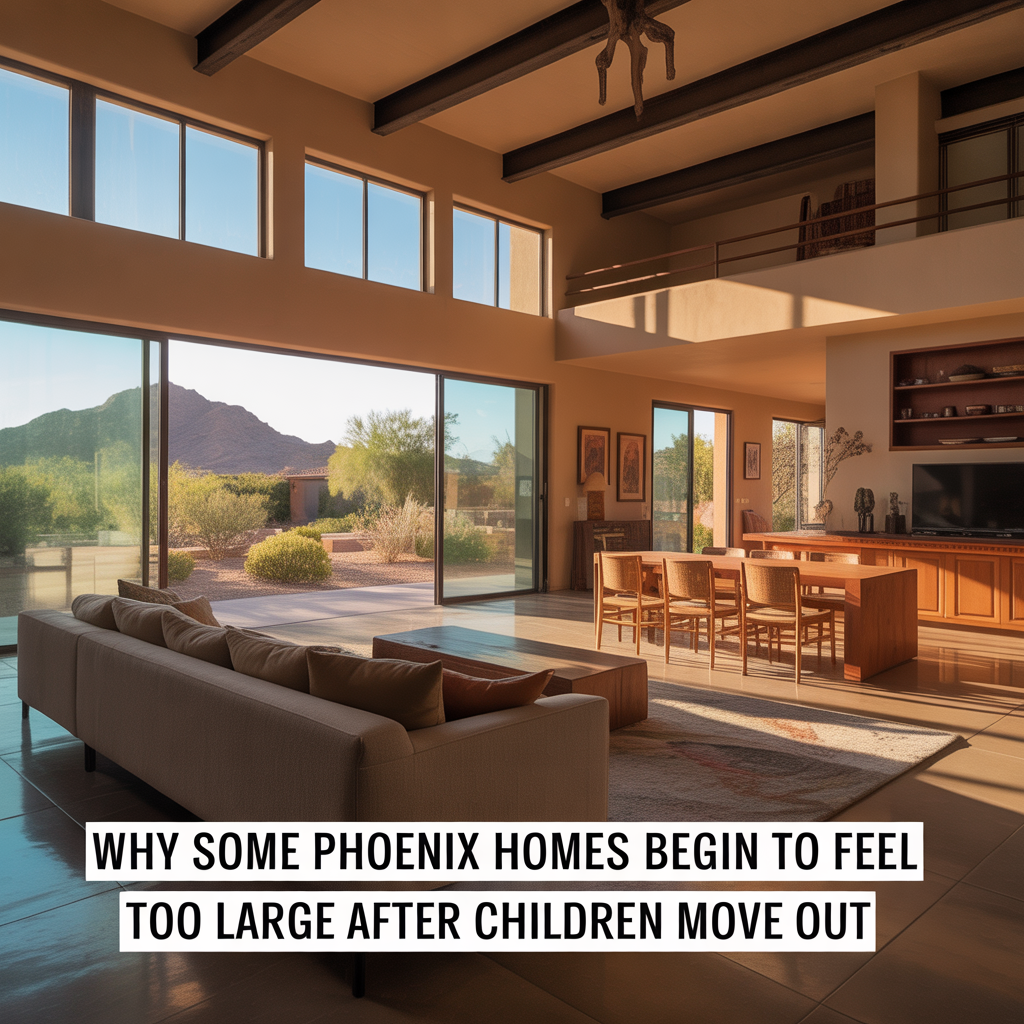
Why Some Phoenix Homes Begin to Feel Too Large After Children Move Out
-

When Homeowners Begin Considering Moving to a Larger Phoenix Home
-

Signs Your Phoenix Home Is Starting to Feel Too Small for Your Family
-

How Desert Landscaping Evolves Over Years of Phoenix Homeownership