



Seller Fears→ [Seller Fears] & For more info on other fears Phoenix Real Estate → [Phoenix Real Estate Fears Guide]
Written by: Renee Burke
If you’ve lived in the Valley for even one summer, you know: the heat doesn’t just visit — it moves in, pulls up a chair, and gets comfortable. The air billows like a hair dryer left running too long, and asphalt turns glossy under the afternoon sun. But for those of us who work in real estate here, we also know something else — summer changes how people move, think, and buy in Phoenix.
I’ve guided families through countless home showings in June, July, and August, and every year I see the same pattern play out: homes show differently in the summer. Buyers behave differently. And for sellers who understand that rhythm, it’s not a disadvantage — it’s an opportunity to stand out in a season that rewards preparation, empathy, and a touch of local savvy.
The Shift That Happens When Temperatures Rise
When our desert edges past 100 degrees — and stays there — buyer activity doesn’t stop, but it changes shape. Traffic patterns around showings shift to early mornings and after-work hours. People scroll listings on lunch breaks but only step outside when the sun has mellowed. Drive-by shoppers drop off, while truly serious buyers press forward.
You notice smaller groups touring at a time—couples instead of crowds, buyers who’ve already done their homework. In short, summer buyers mean business. They’re not braving the heat for fun; they’re doing it because timing matters to them—relocating for work, chasing school-year deadlines, or simply ready to make that move now that spring competition has cooled.
For sellers, this is a subtle but important shift. You’re not playing to a room full of browsers—you’re preparing for the handful of buyers who might be ready to write an offer. And that changes how you approach everything from your showing schedule to your home’s physical comfort.
Heat Changes First Impressions
The moment a buyer steps out of their car, the environment sets the tone. When pavement radiates heat like a space heater, and door handles are too hot to touch, comfort becomes more than a nicety—it becomes part of how the home feels emotionally. I’ve seen a well-maintained home lose a buyer’s attention simply because they rushed through, desperate to escape the heat.
That’s why the smartest sellers lean into what I call “temperature hospitality.” It’s not about lowering the thermostat to 68 degrees or greeting guests with ice water—though both can help—it’s about using coolness to convey care.
When buyers walk into a home that feels immediately refreshing, a subtle message lands: “This home is well cared for.” The air is crisp. Lighting is balanced against drawn curtains or soft shades. The atmosphere says comfort. More than once, I’ve had buyers sigh audibly when the AC hits their skin, and that moment—the physical relief—has softened them to the home before they’ve even noticed the floorplan.
Staging Adjustments for Summer Appeal
Phoenix homes show differently in summer light. Our sun casts a sharp, almost silvery brightness that can overexpose interiors and wash out color palettes. One of the easiest ways to help? Layer light intentionally. Use lamps and indirect lighting to balance window glare, especially during midday showings.
Colors and textures play differently, too. Heavy drapes, thick throws, and dark accents can make a room feel smaller or warmer than it really is. Swapping those for lighter fabrics—linen curtains, neutral rugs, cotton bedding—can make spaces breathe visually.
Scent and sound matter more than many realize this time of year. Crisp citrus or clean linen scents feel natural in our climate. A subtly humming ceiling fan, or the faint sound of a water feature outside, can psychologically cool a buyer. Each element reinforces a sensory experience of relief—a feeling that, in a place where relief is precious, becomes memorable.
Outdoor Spaces: The Proof Point
In Phoenix real estate, backyards often make or break buyer impressions. But they can be tricky to show well in summer. A pool might shimmer beautifully in photos, yet few buyers linger long enough outside to truly enjoy it during a showing.
The key is to guide perception before they step outside. Make sure your agent highlights outdoor livability as part of the story indoors: framed pool views through cooled interiors, shaded patios visible through sliding glass doors, misting systems turned on just before arrival. You’re not asking them to stand in the heat — you’re helping them imagine how this home keeps heat in check.
For some sellers, small touches go far—a shaded bistro set under an umbrella, rolled towels near a patio door, subtle nighttime lighting ready for an evening showing. Those cues signal a lifestyle attuned to the desert, not wrestling against it.
The Role of Air Conditioning (and the Psychology of Comfort)
Every Phoenician has a personal “comfort threshold.” For me, I can feel the difference when a home set at 78° quietly competes against 112° outside—it’s not unpleasant, but it reminds you of the weather the moment you step in.
If you’re selling, don’t give your AC the day off during showings. Even if you’re trying to conserve energy, it’s better to cool the home steadily throughout showing windows rather than cranking it down minutes before. Air that’s had time to settle feels different—it smells fresher, circulates better, and makes each room more inviting. Buyers also sense the efficiency of your cooling system, even without checking vents consciously.
You’d be surprised how often “That home just felt comfortable” turns into a deciding factor. Comfort communicates maintenance, reliability, and peace of mind—values buyers hold deeply in this market.
Scheduling Showings Strategically
Seller flexibility goes a long way in summer. Because midday showings are often sparse, leaning into morning and twilight appointments aligns your home with the natural rhythm of the season. Early showings let buyers experience the home before the day heats up, often in softer natural light that flatters interiors. Evening showings can highlight outdoor lighting or sunset views that daytime buyers miss.
If you live in your home while selling, work with your agent to plan cooler windows and block off the most intense hours. That balance keeps your utility bills manageable while preserving the showing experience for the times it matters most.
Addressing the Myth: “Nobody Buys in Summer”
It’s simply not true. While calendar-year data often shows a seasonal sales dip, the homes that do sell in summer frequently move faster and with more motivated buyers behind them. Summer brings relocations, school transitions, and sometimes less competition—all conditions that create space for serious offers.
Yes, fewer buyers browse on a whim. But those who show up are usually pre-approved and ready to move quickly. Sellers who treat summer as a lull miss that subtle advantage. Those who embrace it—preparing visually, environmentally, and emotionally—often find their best buyer when others are waiting for fall.
Pets, Plants, and Practicalities
Summer showings can be hard on pets and greenery alike. If possible, arrange for pets to be offsite during showings—they can become agitated by interruptions or by rising indoor temperatures while doors open and close. And while many homes boast lush planters or potted palms, remember: they need extra hydration before and after showings, as open doors and circulating air pull moisture fast.
Small, thoughtful gestures like leaving cool water bowls outside (if your pets are visible in photos or videos) can subtly humanize your listing. Buyers in Phoenix appreciate sellers who understand how desert life actually works.
Turning Heat Into a Hidden Advantage
Here’s the quiet truth: summer challenges create clarity. Every minor discomfort—like a warm entryway or sun-baked driveway—makes the homes that feel good stand out that much more. If your home looks and feels comfortable in August, buyers take notice. It signals attention to detail, functional systems, and a property that’s genuinely livable year-round.
That’s what’s so special about selling here—you’re not just marketing a house, you’re showing people how to live beautifully within our climate. When you do that well, you’re not fighting the season—you’re mastering it.
A Home That Feels Like Relief
At the end of a hot day, after touring multiple houses, buyers remember the one where they exhaled. Maybe it was the filtered light, the quiet hum of cool air, or the way the front door opened to a serene, cared-for space. That memory becomes emotional shorthand for “home,” and it often shapes their offer decision more than you’d expect.
If your home can be that moment of relief—visually serene, comfortably cooled, emotionally easy—you’ve already won half the battle.
If you’re thinking about selling this summer in Phoenix, you don’t have to figure out how to balance every detail alone. There’s a rhythm to warm-weather showings here, and learning how to use it to your advantage can make all the difference. I’d be happy to help you understand what to adjust, when to list, and how to make your home shine—no matter the temperature outside.
When you’re ready, let’s talk. You deserve a guide who knows how this desert really works and how to make it work for you.
Get the full Phoenix Market Insights → [Market Insights]


-

Signs Your Phoenix Roof Needs Inspection or Repair
-
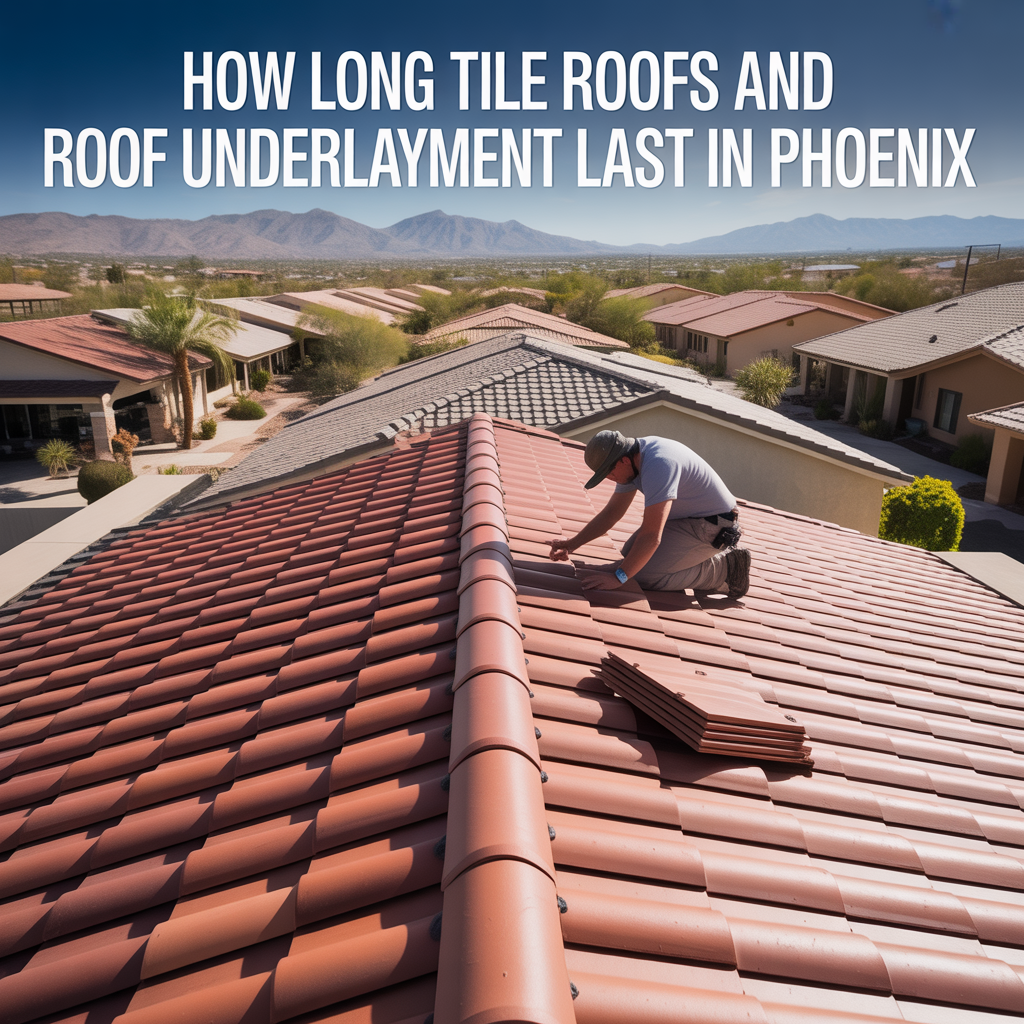
How Long Tile Roofs and Roof Underlayment Last in Phoenix
-
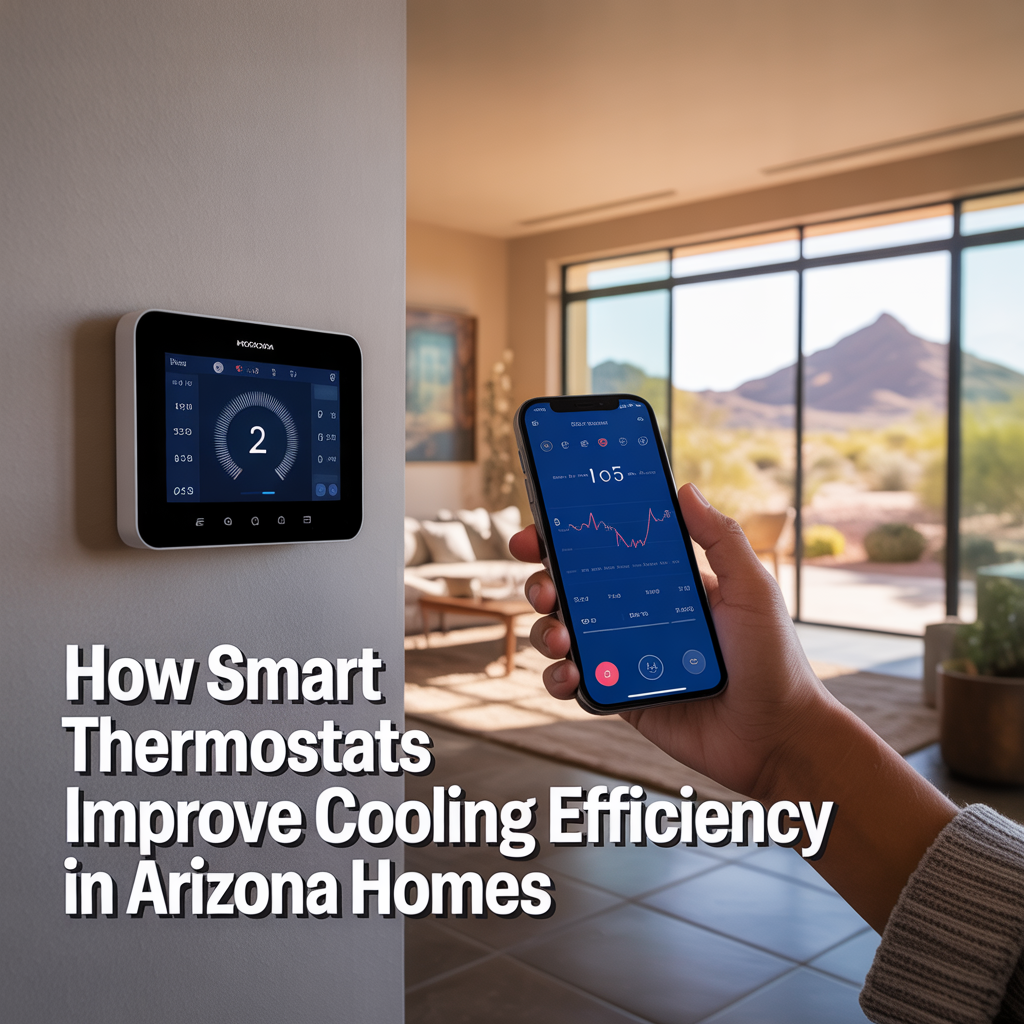
How Smart Thermostats Improve Cooling Efficiency in Arizona Homes
-

Why AC Systems Struggle During Extreme Phoenix Heat Waves
-
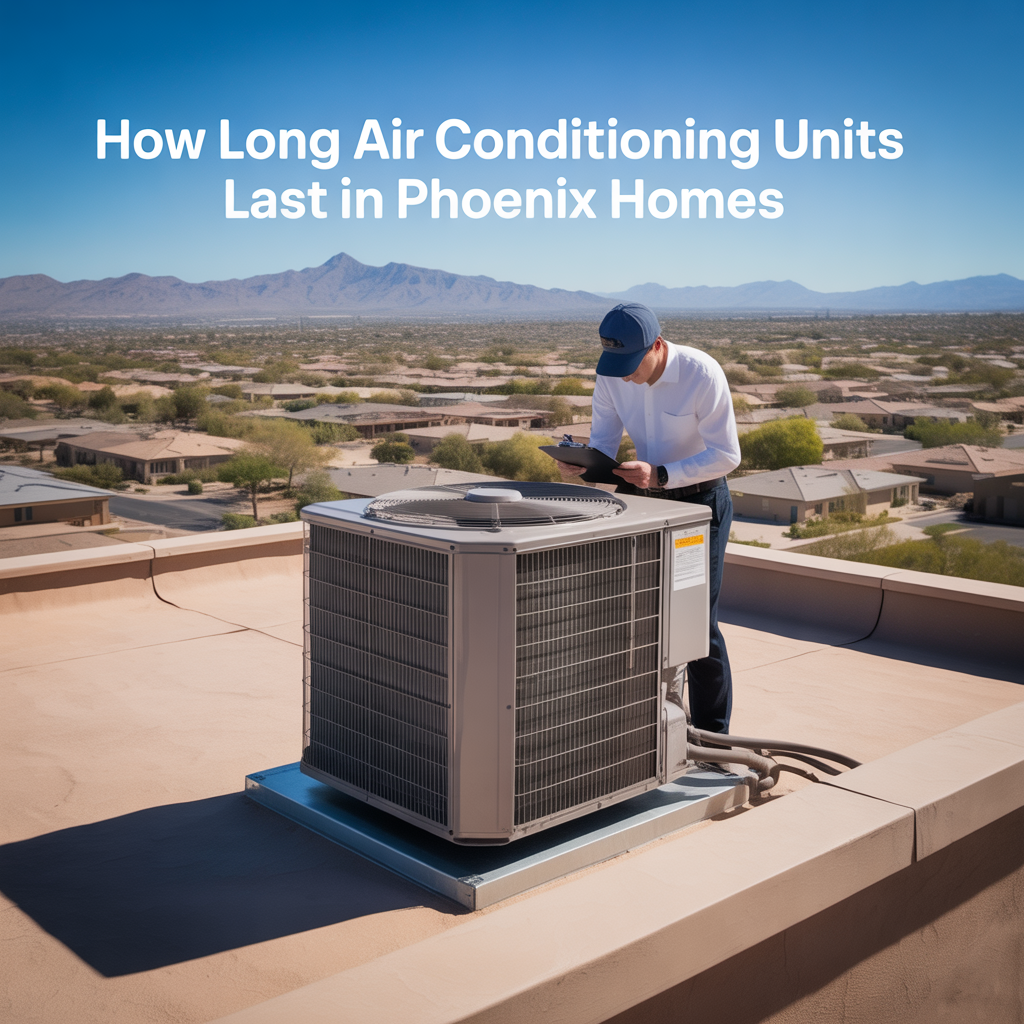
How Long Air Conditioning Units Last in Phoenix Homes
-

Warning Signs Your Air Conditioner Is About to Fail
-

How Often Phoenix AC Systems Need Maintenance
-

How Irrigation System Leaks Damage Foundations and Landscaping
-
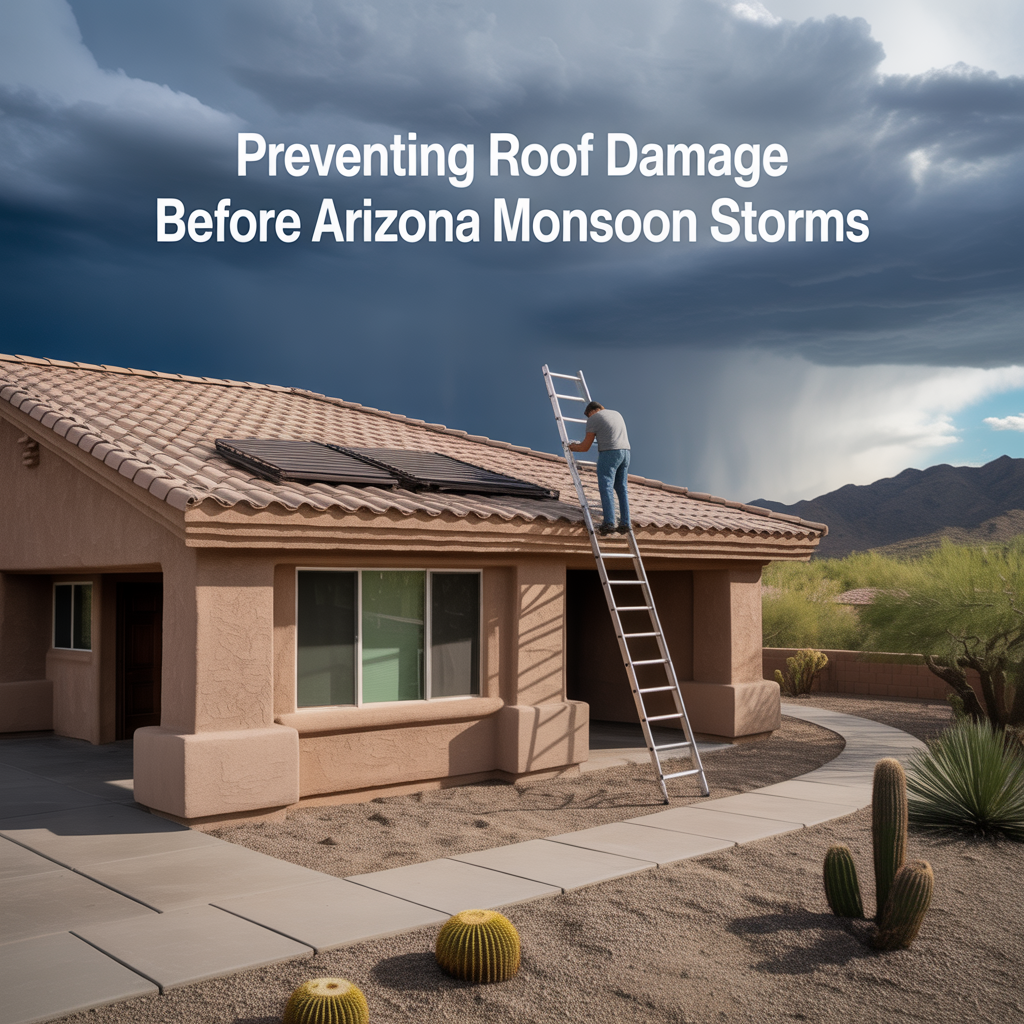
Preventing Roof Damage Before Arizona Monsoon Storms
-

Why AC Tune-Ups Are Critical for Phoenix Homes
-

What Homeowners Should Inspect Before Phoenix Summer Heat Arrives
-

Seasonal Home Maintenance Checklist for Phoenix Homeowners
-
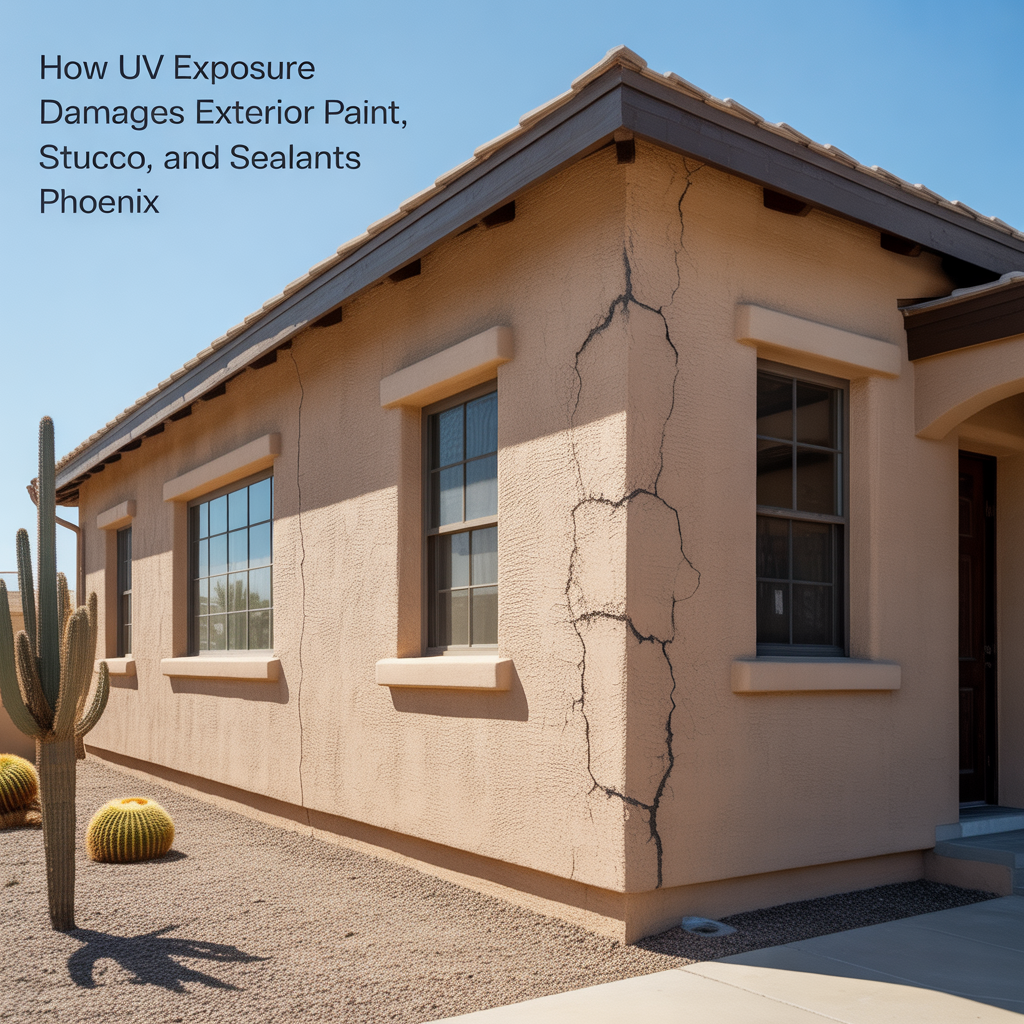
How UV Exposure Damages Exterior Paint, Stucco, and Sealants
-

How Extreme Heat Shortens the Lifespan of Home Systems
-

Why Phoenix Roofs Wear Out Faster Than Many Other Cities
-
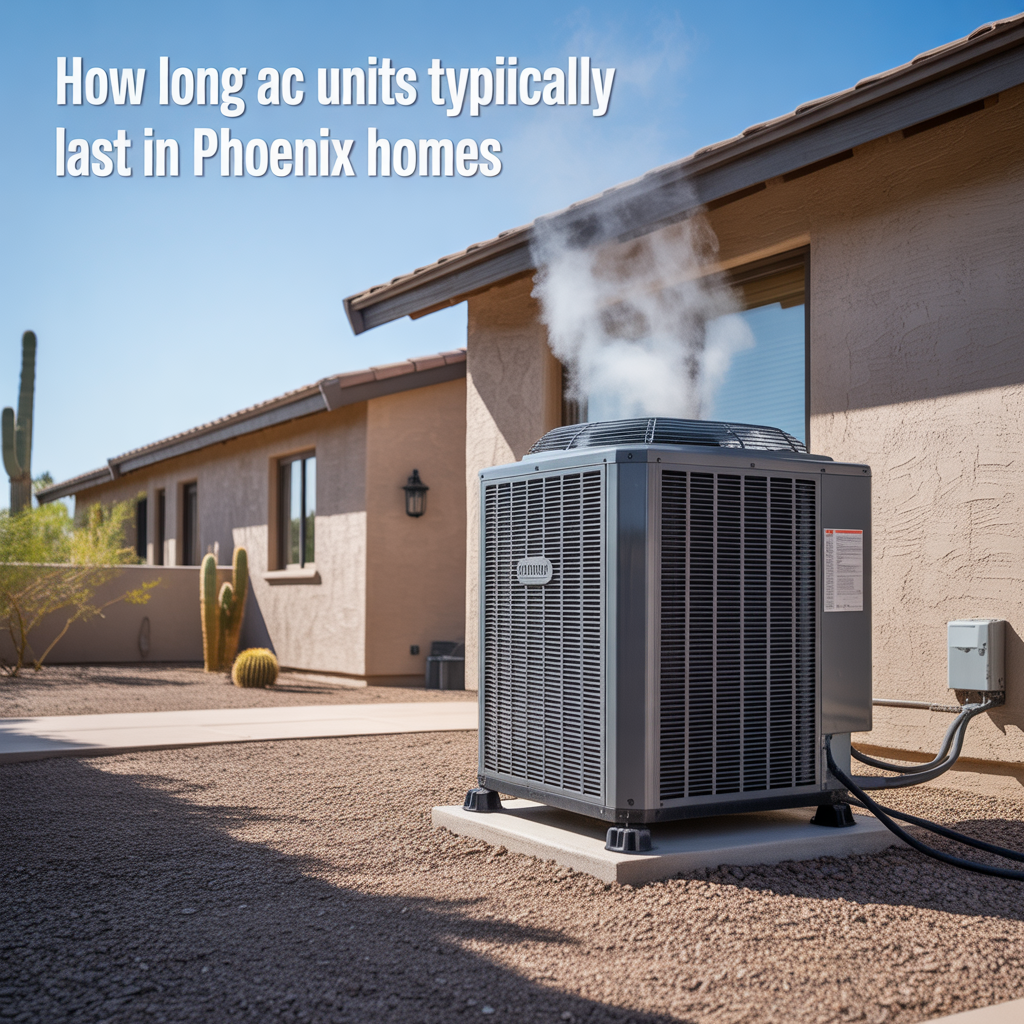
How Long AC Units Typically Last in Phoenix Homes
-

Building a Long-Term Protection Strategy
-
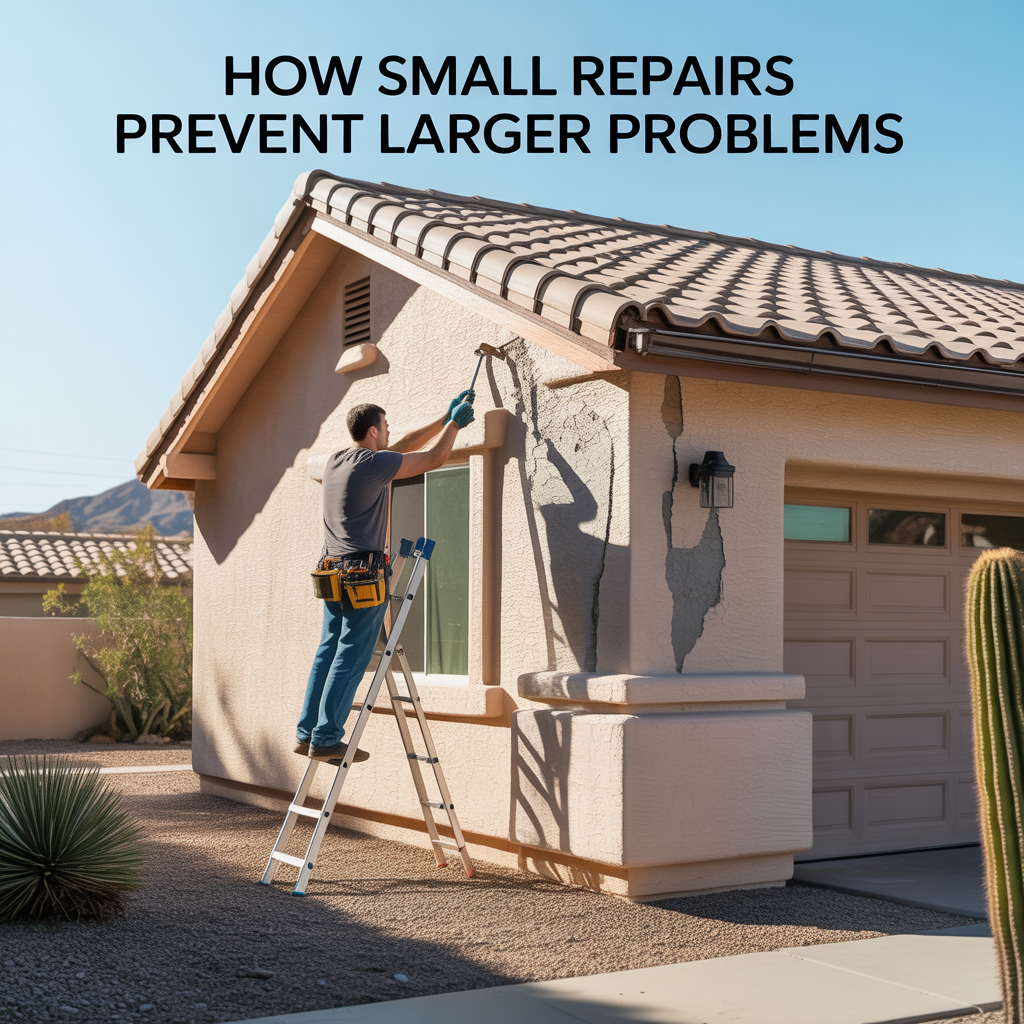
How Small Repairs Prevent Larger Problems
-

Protecting Older Phoenix Homes
-
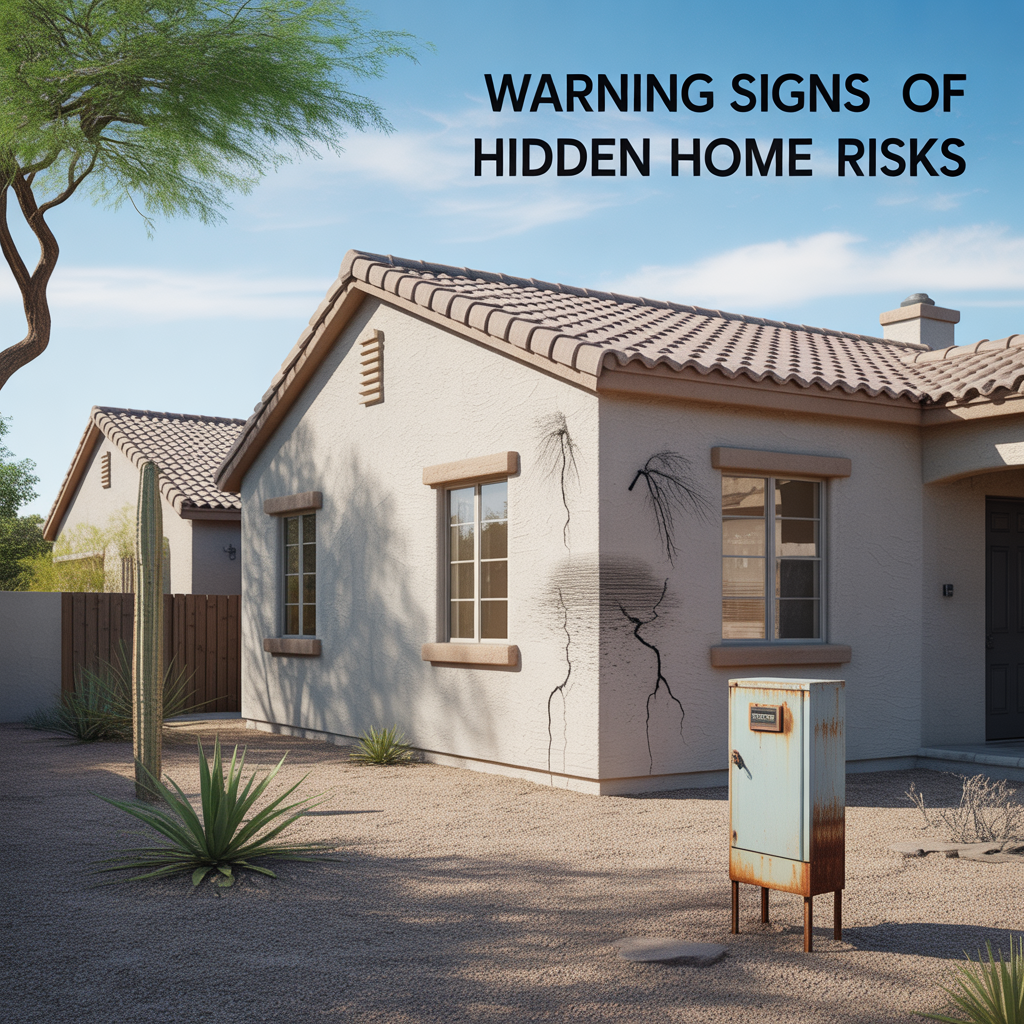
Warning Signs of Hidden Home Risks
-

Preventative Maintenance That Reduces Insurance Claims
-

Reducing Liability Exposure Around Your Property
-

Liability Coverage Limits Explained
-

When Umbrella Insurance Makes Sense
-

Protecting Yourself From Guest Injury Claims