



Buyer Fears→ [Buyer Fears] & For more info on other fears Phoenix Real Estate → [Phoenix Real Estate Fears Guide]
Written by: Renee Burke
In the Phoenix metro, age isn’t just a number on a listing — it’s a story buyers tell themselves about maintenance, lifestyle, and long-term value. Newer builds in Queen Creek or North Scottsdale shine with modern finishes, while older charmers in Arcadia or Central Phoenix whisper tales of character and established roots.
What matters most isn’t the build year alone, but what buyers here truly reward with their offers: the blend of condition, location, and that elusive sense of “home” that fits their Valley life.
The Allure of Newer Phoenix Homes
Phoenix’s growth means plenty of post-2010 builds dotting the East Valley and outer rings — think spacious great rooms, tankless water heaters, and paver driveways designed for our relentless sun. Buyers gravitate here for turnkey ease, especially families new to Arizona who want low-maintenance living near top schools.
Newer homes command premiums because they promise fewer surprises. Energy-efficient windows cut summer bills, open layouts suit casual entertaining, and smart-home wiring feels future-proof. In areas like Gilbert’s Agritopia or Chandler’s Fulton Ranch, a 2020s spec home often lists 15-20% above similar-sized older properties, pulling multiple offers from out-of-state relocators who prioritize “move-in magic.”
Yet it’s not universal. Newer doesn’t always mean better — buyers pay extra only when the home delivers on modern Phoenix priorities: indoor-outdoor flow for poolside living, drought-tolerant yards, and proximity to trails or retail without feeling cookie-cutter.
The Enduring Value of Older Homes
Don’t underestimate the pull of pre-2000 gems, especially in established enclaves. A 1970s ranch in Ahwatukee or a 1980s two-story in North Central might lack quartz counters, but buyers pay up for what they offer instead: mature citrus trees, block walls for privacy, and that lived-in warmth newer homes chase with staging.
Older Phoenix homes shine when they’ve been cared for — think updated electrical for EV chargers or refinished Saltillo tiles tying into our Southwestern soul. In Arcadia Lite or Moon Valley, a well-preserved mid-century pulls premiums over bland new builds nearby. Buyers here — often locals upgrading or downsizing — value the “neighborhood feel”: walkable streets, legacy schools like Arcadia High, and no HOA dictating holiday lights.
The data bears it out: renovated older homes in prime pockets often sell at $350-$450 per square foot, rivaling newer comps, because they deliver lifestyle equity — backyard mesquite shade, views of South Mountain sunsets, or quiet cul-de-sacs where kids bike freely.
What Buyers Really Pay a Premium For
Phoenix buyers aren’t sticker-shocked by build dates; they bid higher for features that align with desert living and market realities. Here’s the breakdown:
Newer wins on warranties and warranties; older triumphs with authenticity. But premiums hinge on condition — a dated 1990s flip in Mesa outperforms a neglected 2022 build every time.
Neighborhood Nuances That Tip the Scales
Phoenix’s patchwork means age plays differently by zone:
- East Valley (Gilbert, Chandler): Newer dominates — post-2005 communities like Power Ranch fetch $550K+ medians for 3-beds, as families chase warranties and school proximity. Older ranchos nearby hold value if pools sparkle and roofs are recent.
- Central Phoenix (Arcadia, Biltmore): Older rules. A 1960s mid-mod with pebbleTec pool and remodeled casita outbids sterile new townhomes — buyers pay 10-15% more for “vintage cool” and no-melt asphalt streets.
- North/Northwest (Scottsdale, Peoria): Hybrid sweet spot. Gated 2010s builds premium for golf views; updated 1980s in Arrowhead for lake access and lower taxes.
- West/South (Laveen, Buckeye): New construction surges, but savvy buyers premium older farmhouses for bigger lots amid rapid growth.
In softer 2026 markets (median ~$435K, down slightly YoY), buyers negotiate harder on unproven new builds but stretch for loved older homes signaling stability.
Renovation: The Great Equalizer
Here’s the secret: thoughtful updates bridge the age gap. Older homes with 2020s kitchens (subway tile gone, matte black fixtures in) and smart retrofits close the premium to newer by evoking “better than new.” Newer properties flop without personalization — sterile white boxes feel temporary in our colorful Valley.
Phoenix’s sun and dust reward resilience: buyers pay for standing-seam roofs (newer standard) or fresh stucco on older walls. Pools? Eternal gold — resurfaced 40-year-olds outperform dry 5-year-olds.
Lifestyle: The Ultimate Price Driver
Strip away bells: buyers premium what enhances their Phoenix chapter. Young families overpay newer for playrooms and no popcorn ceilings. Remote workers reward older for home offices with mountain views. Retirees chase single-story 1970s ranches over two-stories, no matter the year.
In our market, where homes pend in 39-70 days, perception rules. Age fades; does it feel like home amid saguaros and sunsets?
Price Perks in Today’s Reality
With inventory up and rates steady ~6%, selective buyers wield power. Newer holds firm in high-demand ‘burbs; older premiums sparkle in character zones. Median sales hover $435K-$455K, but premiums live in the 5-10% over comps for that “must-have” vibe.
Sellers: showcase what buyers crave — not build year, but bought-in bliss.
If you’re thinking about making a move in Phoenix, you don’t have to figure it out alone. Let’s walk your home’s story — newer efficiency or timeless charm — and price it to draw the buyers who’ll pay what it’s truly worth. Together, we’ll turn its age into your advantage, calm and clear.
Get the full Phoenix Market Insights → [Market Insights]


-
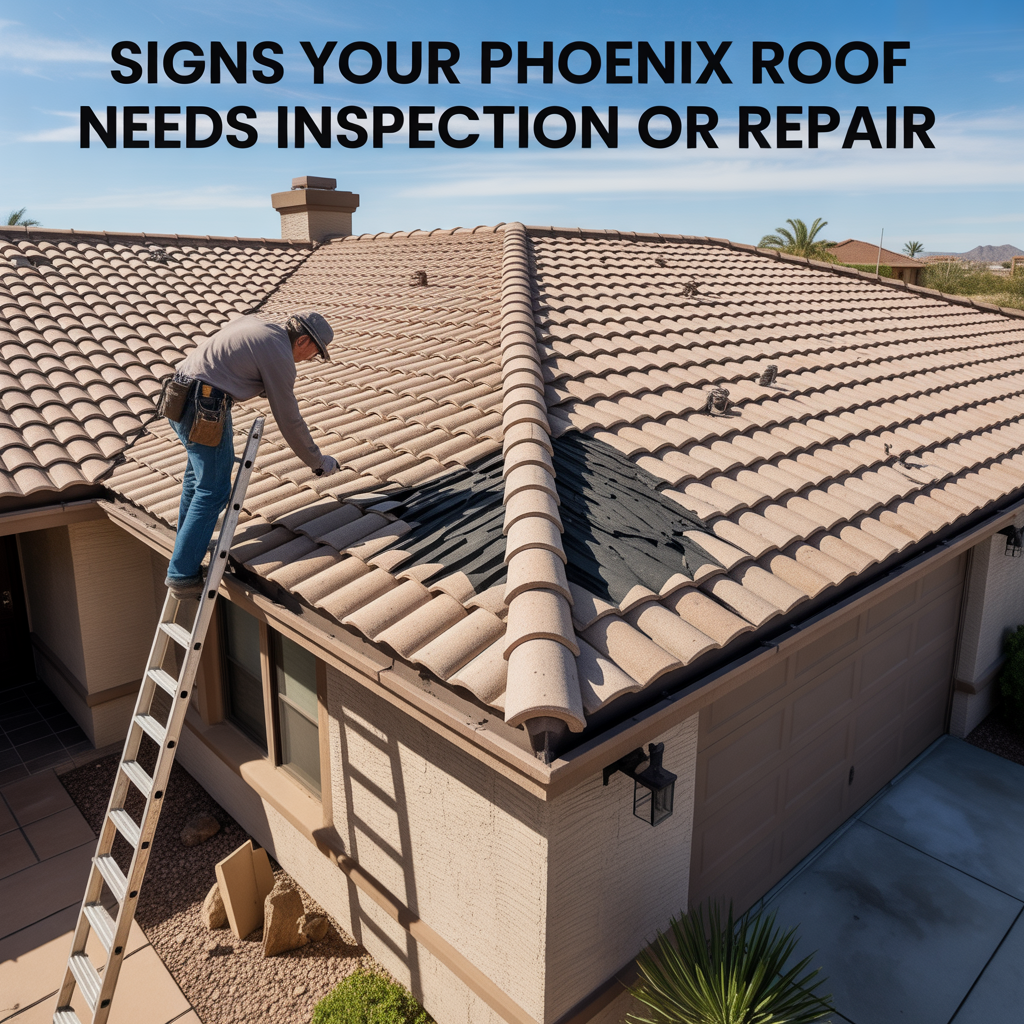
Signs Your Phoenix Roof Needs Inspection or Repair
-
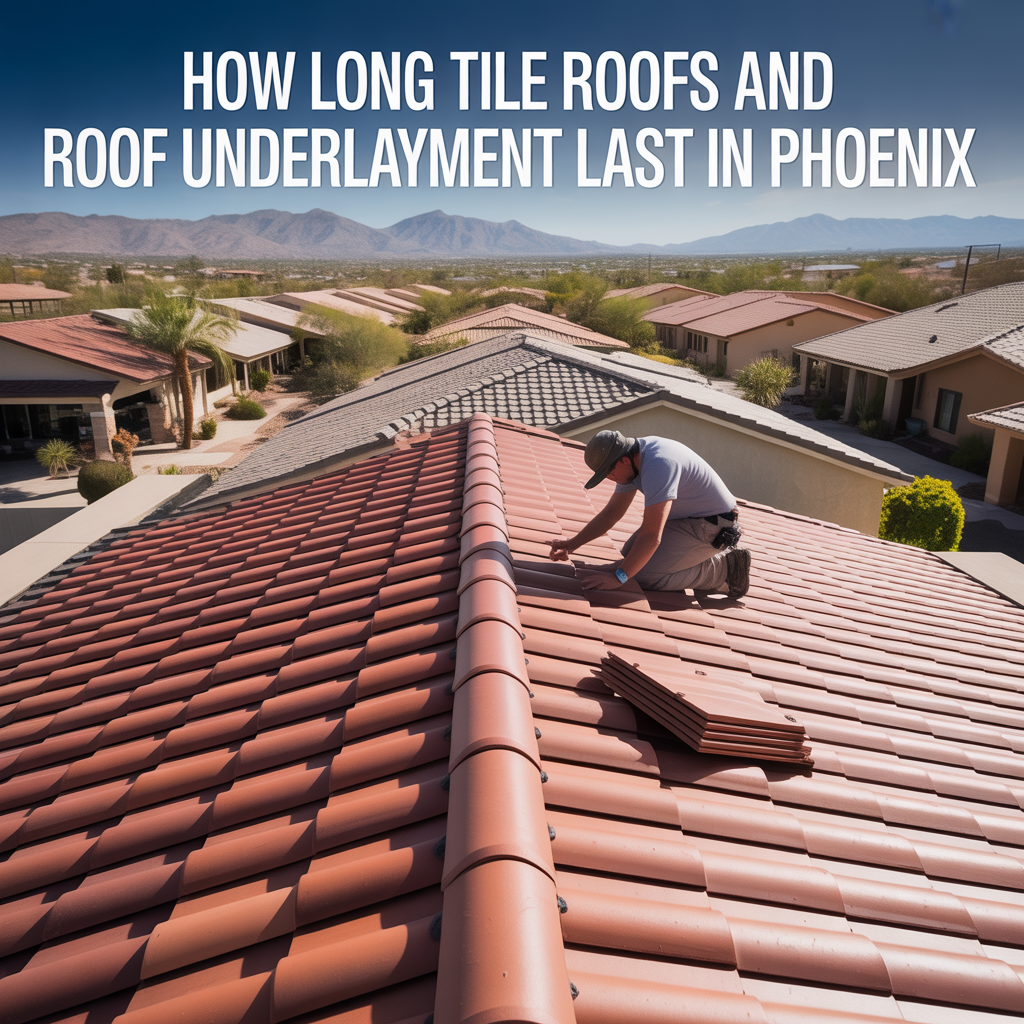
How Long Tile Roofs and Roof Underlayment Last in Phoenix
-

How Smart Thermostats Improve Cooling Efficiency in Arizona Homes
-

Why AC Systems Struggle During Extreme Phoenix Heat Waves
-
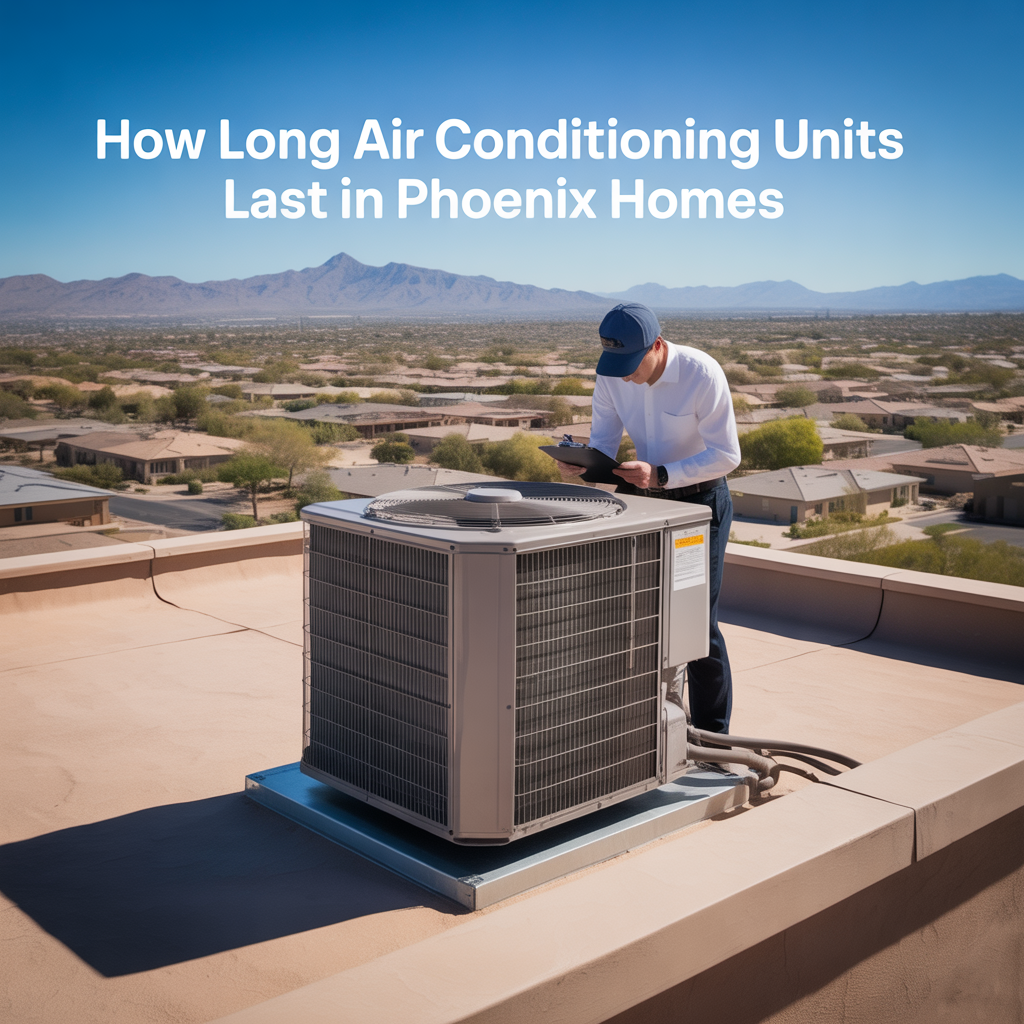
How Long Air Conditioning Units Last in Phoenix Homes
-

Warning Signs Your Air Conditioner Is About to Fail
-

How Often Phoenix AC Systems Need Maintenance
-
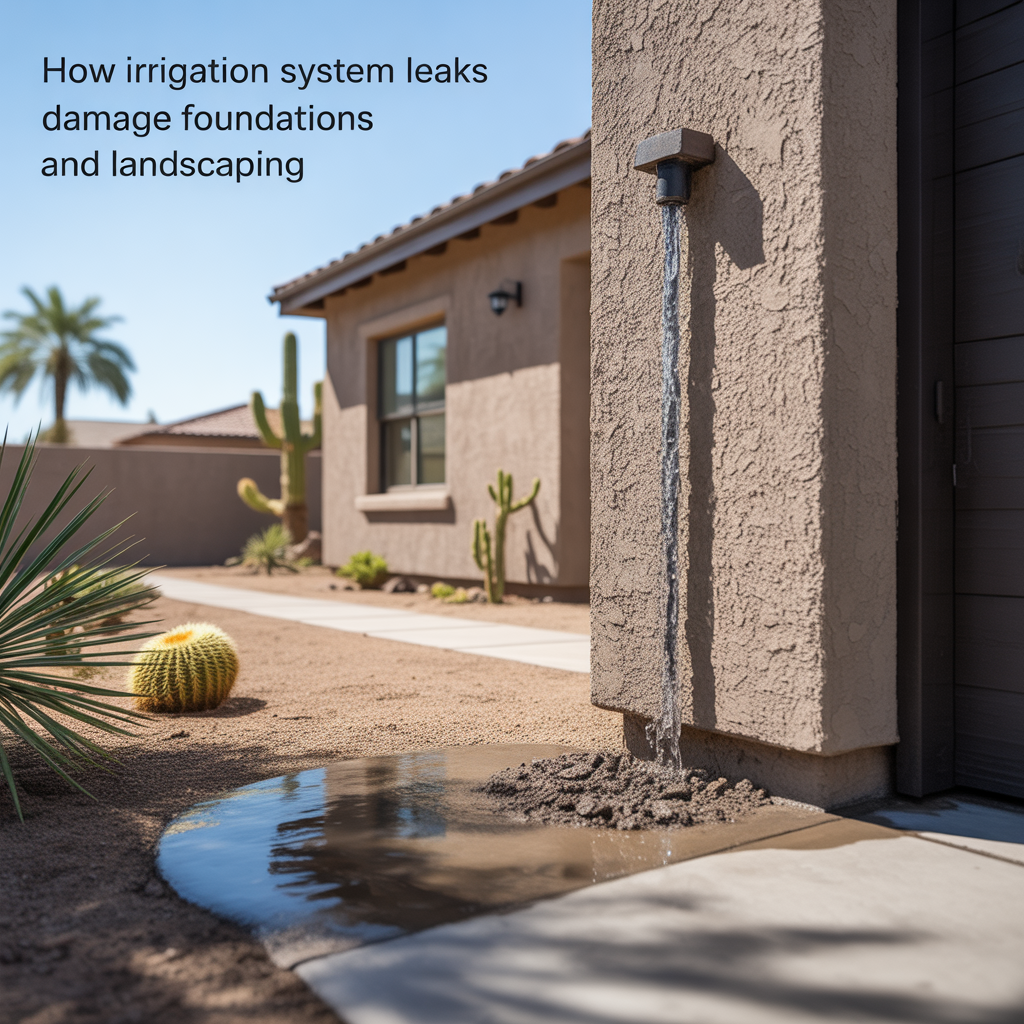
How Irrigation System Leaks Damage Foundations and Landscaping
-

Preventing Roof Damage Before Arizona Monsoon Storms
-
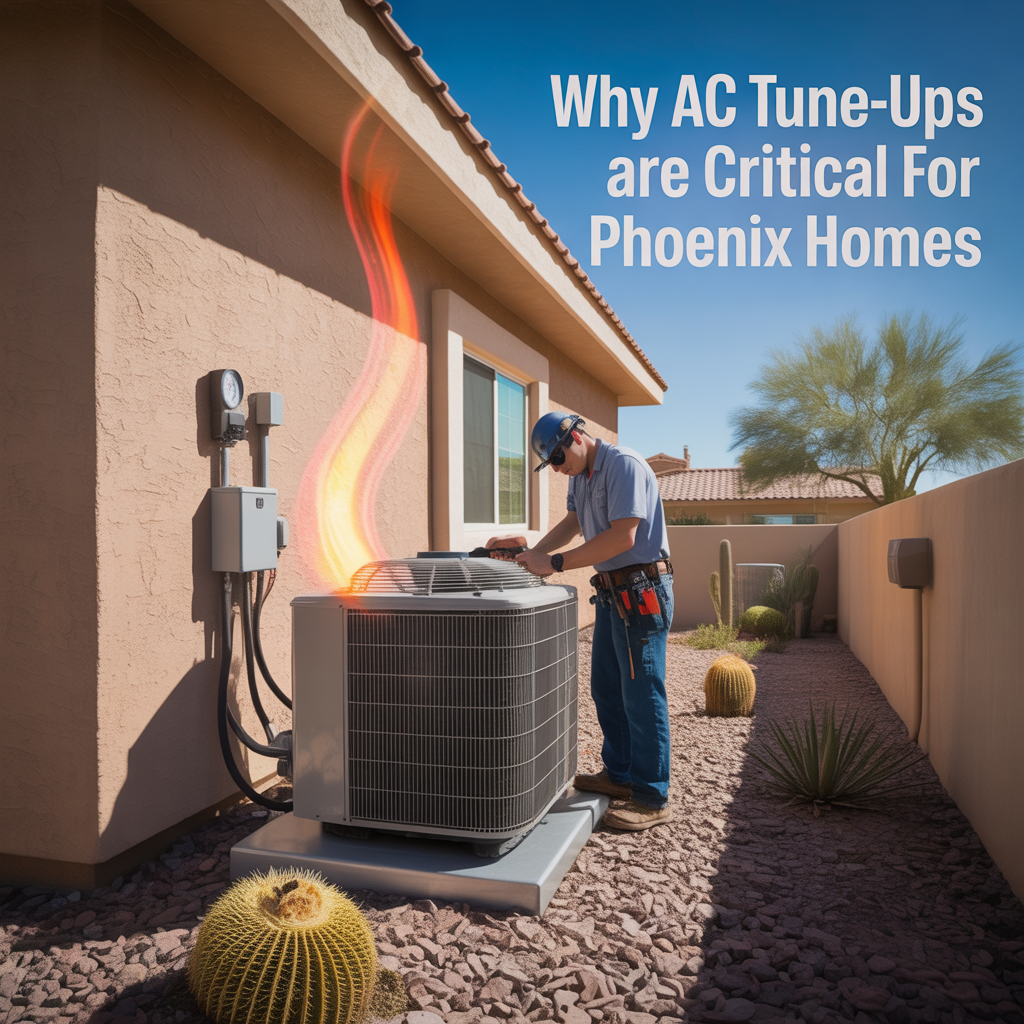
Why AC Tune-Ups Are Critical for Phoenix Homes
-
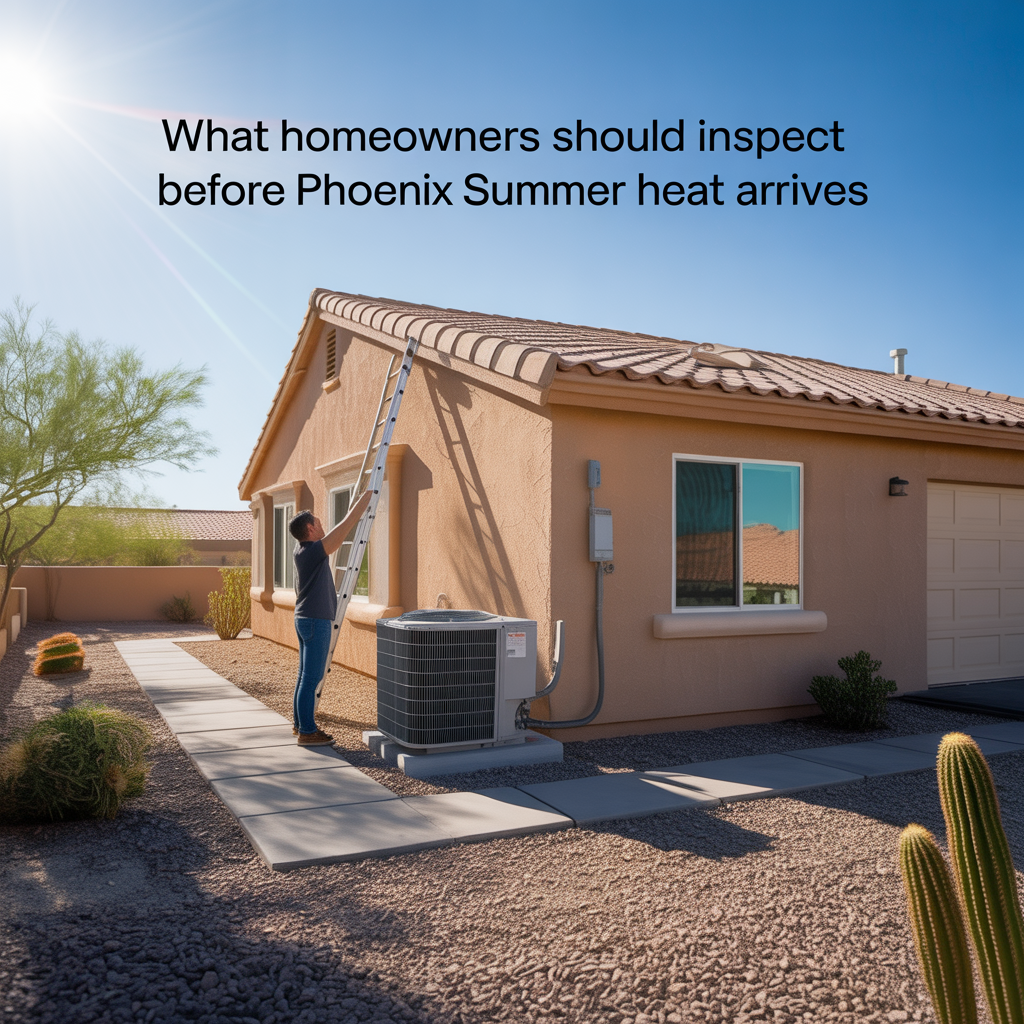
What Homeowners Should Inspect Before Phoenix Summer Heat Arrives
-
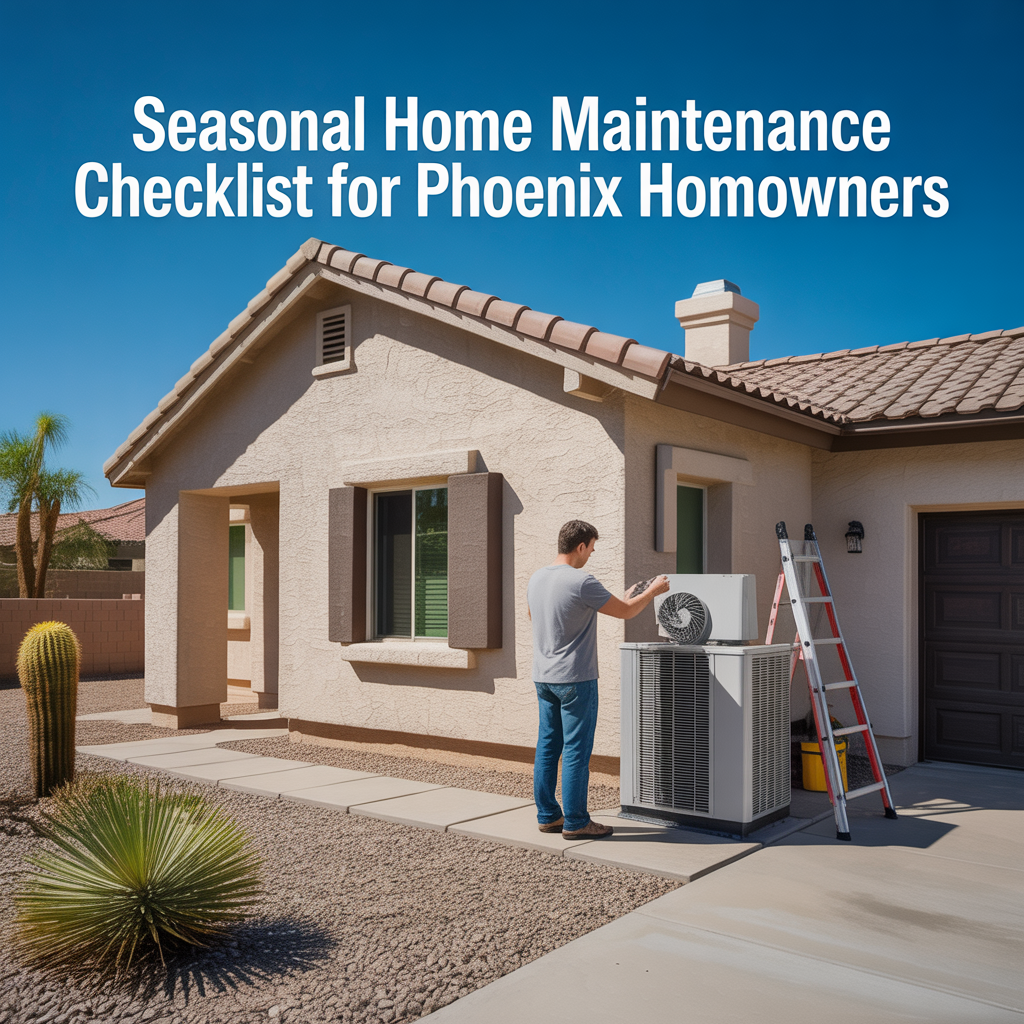
Seasonal Home Maintenance Checklist for Phoenix Homeowners
-
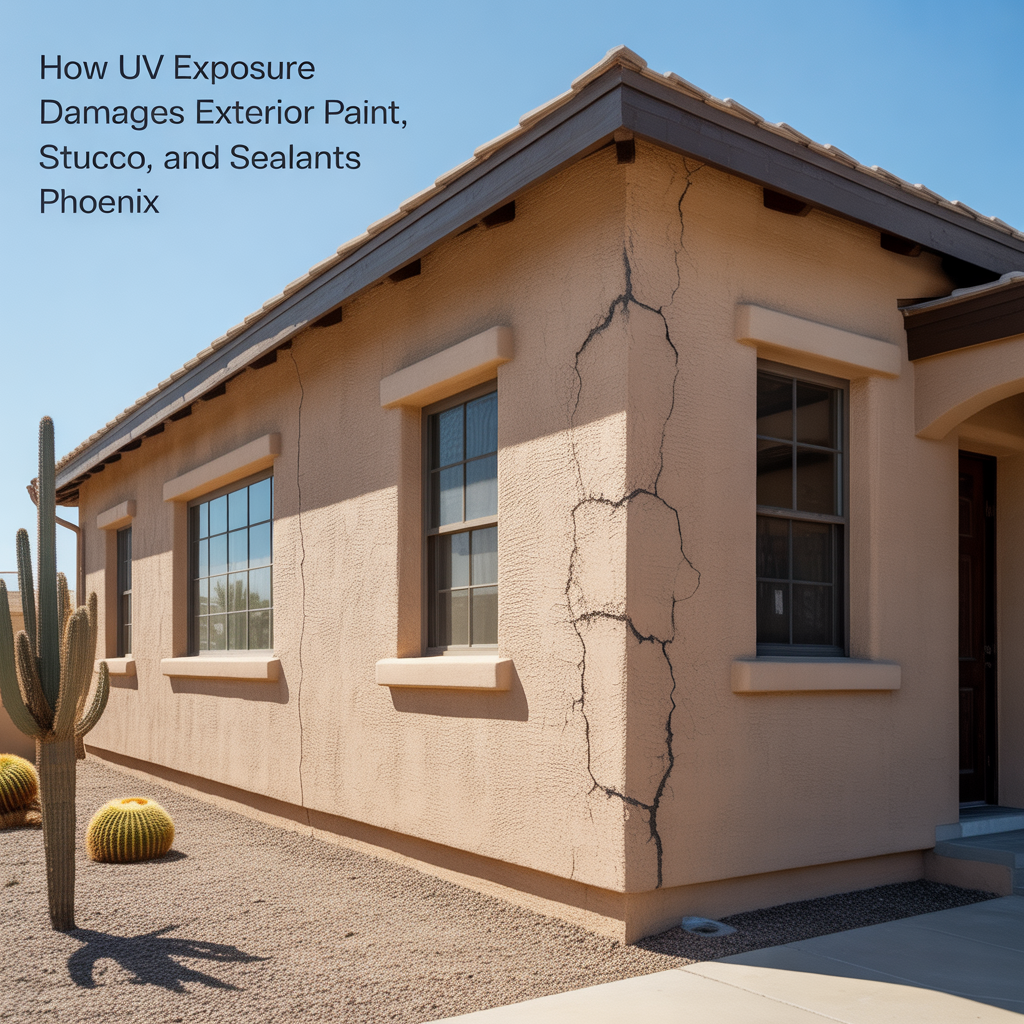
How UV Exposure Damages Exterior Paint, Stucco, and Sealants
-

How Extreme Heat Shortens the Lifespan of Home Systems
-

Why Phoenix Roofs Wear Out Faster Than Many Other Cities
-
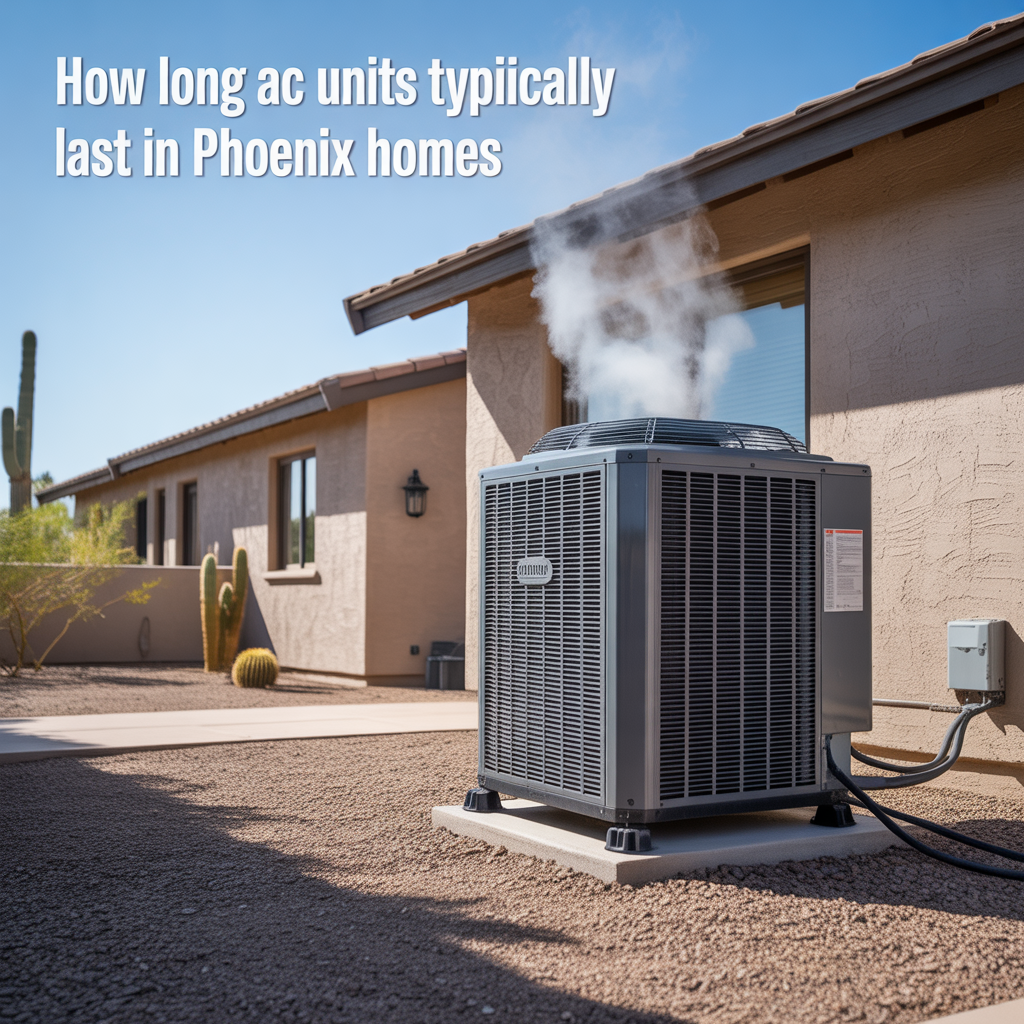
How Long AC Units Typically Last in Phoenix Homes
-

Building a Long-Term Protection Strategy
-
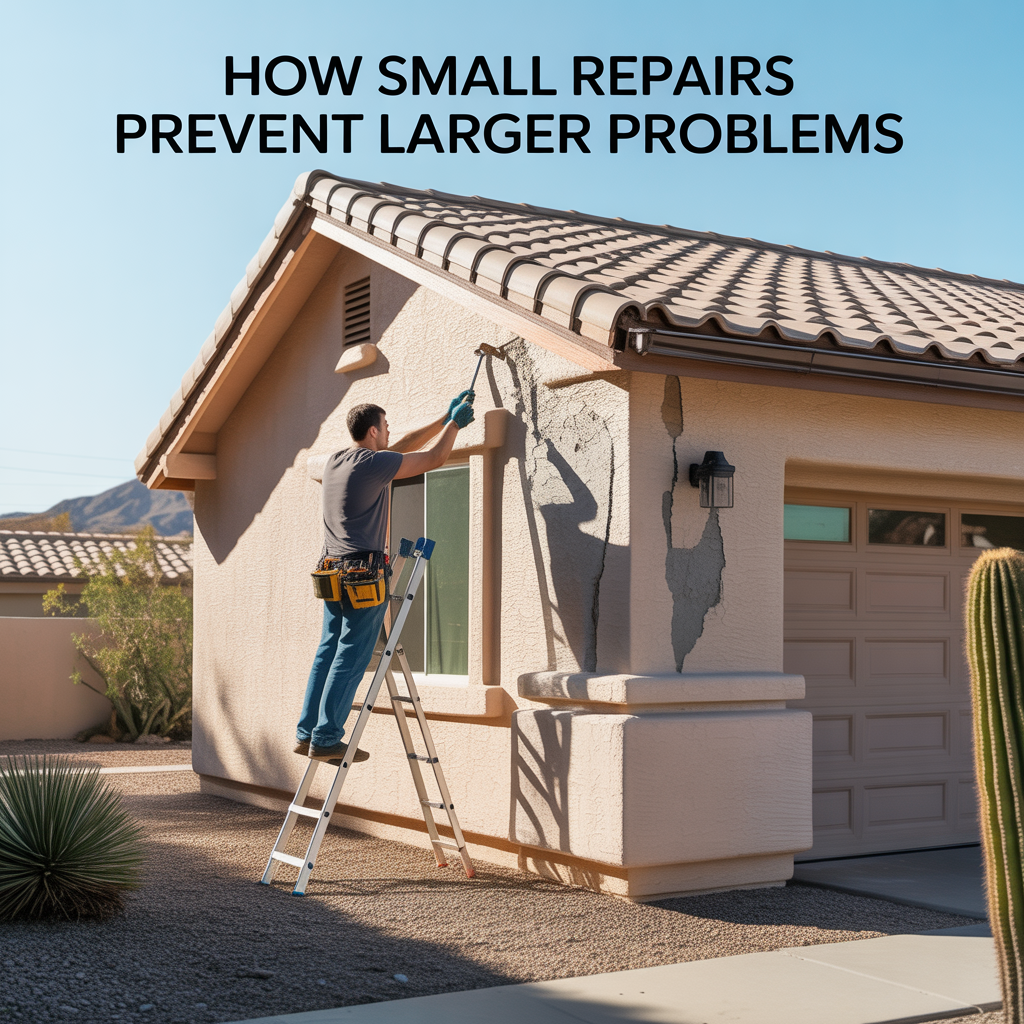
How Small Repairs Prevent Larger Problems
-

Protecting Older Phoenix Homes
-
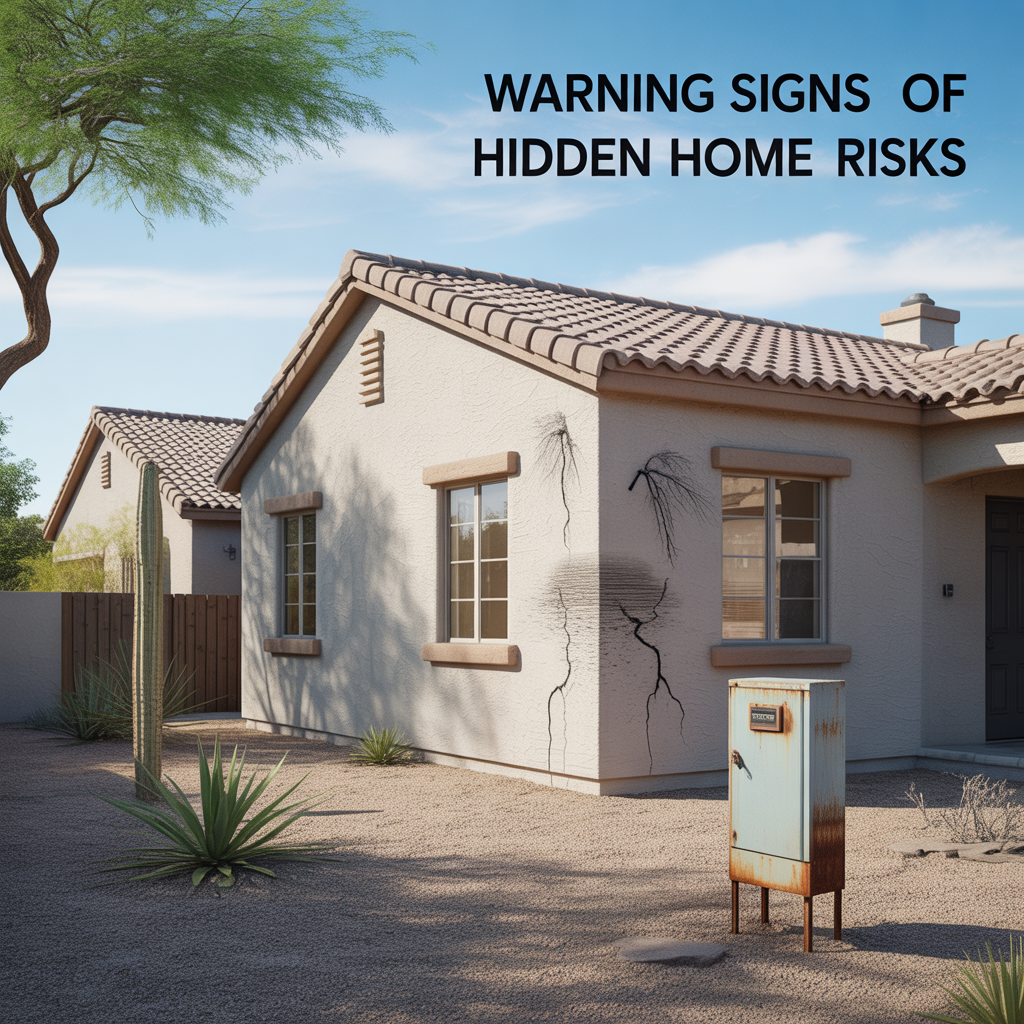
Warning Signs of Hidden Home Risks
-

Preventative Maintenance That Reduces Insurance Claims
-

Reducing Liability Exposure Around Your Property
-

Liability Coverage Limits Explained
-

When Umbrella Insurance Makes Sense
-

Protecting Yourself From Guest Injury Claims