



Seller Fears→ [Seller Fears] & For more info on other fears Phoenix Real Estate → [Phoenix Real Estate Fears Guide]
Written by: Renee Burke
Phoenix housing headlines can feel loud, dramatic, and a little unsettling, especially if you’re thinking about selling. On the ground here in Phoenix, though, most sellers are experiencing something much quieter, more nuanced, and far less extreme than the headlines suggest.
What The Headlines Are Saying
If you just read the big, bold fonts, you’d think Phoenix is either “on fire” or “crashing” depending on the week. Lately, the themes tend to sound like this:
- “Inventory is surging, buyers are in control now.”
- “Prices are dropping across Phoenix.”
- “The market is stalling, homes are sitting.”
There is a sliver of truth in each of those ideas, but they’re incomplete.
Yes, active listings have climbed from the ultra-tight years after 2020, and we’re now seeing some of the highest inventory levels since the late 2010s. Yes, average Phoenix home values are down a few percentage points year‑over‑year in many data sets. And yes, days on market have stretched out compared to the frenzied, same‑weekend offers we saw before.
But those headlines don’t tell you which parts of the Valley are softening, which price points are stabilizing, or how it actually feels to be the person with the “For Sale” sign in their front yard right now.
What Sellers Actually Feel Day to Day
When I sit at kitchen tables across Phoenix, the emotions I hear from sellers are a mix of relief, anxiety, and cautious hope.
Most are relieved that the market has cooled enough that they’re not terrified about where they’ll go next. They remember friends who sold in 2021 and then scrambled to find something to buy, and they don’t want that experience.
At the same time, they’re anxious because they’re hearing words like “price cuts,” “market shift,” and “value declines” attached to their biggest asset. They worry:
- “Did we miss the peak?”
- “Are we about to see a real crash?”
- “If we list now, are we going to be chasing the market down?”
And then, layered on top of that, there’s the very human side: kids finishing school, a new job in another part of the Valley, aging parents moving closer, retirement plans that depend on equity. Those pieces don’t show up in a chart, but they absolutely shape how this market feels in real time.
The Numbers vs. The Front Yard
Let’s bridge the gap between what the data shows and what you actually experience when your home hits the Phoenix market.
What the market data says
Across Greater Phoenix:
- Active listings have increased noticeably compared with recent years, pointing toward a more balanced market rather than a true seller’s or buyer’s market.
- In some city data, median prices have flattened or dipped slightly—often just a few percentage points.
- Average days on market have stretched into the 50–70 day range in many neighborhoods, depending on price and condition.
That’s the 30,000‑foot view. It matters—but it’s not the full story.
How that feels to a seller
From your driveway, it looks and feels more like this:
- Showings are slower but more serious. Instead of a stampede of ten offers in two days, you might see a steady trickle of qualified buyers who have more options and take their time.
- Small pricing mistakes get punished. If you overshoot in this environment, you’ll feel it quickly in the form of low showing activity and price‑reduction pressure.
- Well‑prepared homes still move. The properties that are priced in line with today’s reality, well‑staged, and well‑marketed still secure solid offers—just without the chaos of the pandemic boom.
So no, Phoenix is not “falling off a cliff.” But it is demanding more strategy, patience, and realism than the past few years did.
Neighborhoods, Price Points, and Micro‑Markets
One of the biggest reasons headlines feel so off is that Phoenix isn’t one market—it’s dozens of micro‑markets layered together.
Here are a few patterns that matter when you’re standing in your own living room trying to make decisions:
- Mid‑priced family homes: Homes in the broad middle—think typical three‑ or four‑bedroom properties—still see healthy interest when they’re move‑in ready and priced correctly.
- Higher‑end and luxury: Some upper price ranges are seeing more sensitivity, with sellers pulling listings or adjusting expectations as buyers become choosier and inventory shifts.
- Transitional neighborhoods: Areas that surged during the pandemic because of investor or remote‑worker demand now feel a bit more “normal,” with modest price softening and slightly longer market times.
Two homes a few miles apart can have very different experiences, even in the same month. That’s why what your neighbor got last spring is a helpful data point, but not a prediction carved in stone.
Snapshot of current dynamics
Understanding which row your home really lives in is where calm replaces panic.
The Emotional Side of Timing
Timing a sale is rarely about squeezing every last dollar from the market—it’s usually about aligning your life, your stress level, and your financial comfort.
With prices having cooled from their absolute peaks and inventory more balanced, many Phoenix sellers are wrestling with a specific fear: “If I wait, will I regret it?”
Here’s what I gently remind them:
- The market will shift again. Mortgage rates, job growth, and national trends will continue to nudge Phoenix in different directions over the next few years.
- Your life is happening now. If a move would meaningfully improve your daily life—shorter commute, better school fit, one‑level living, closer to grandkids—that matters just as much as a projected price curve.
- You still have options. Even with some price softening, long‑term owners in Phoenix often have solid equity cushions because of the run‑up in values over the past several years.
Sometimes, after we lay out the numbers and talk through their real priorities, a family decides to wait a year. Sometimes they decide to sell next month. The “right” choice is the one that leaves you sleeping better at night, not the one that perfectly times a headline.
What Smart Sellers Are Doing Right Now
In this kind of Phoenix market—where the noise is loud but the reality is nuanced—the most successful sellers are not the ones who shout the loudest. They’re the ones who plan quietly and thoughtfully.
Here’s what that looks like:
- Pricing with precision. Instead of aiming high “just to see,” they lean into realistic pricing that reflects current conditions in their specific neighborhood and price bracket.
- Presenting a move‑in‑ready feel. With more homes to choose from, buyers are gravitating toward properties that feel easy: clean, neutral, well‑maintained, and well‑photographed.
- Building in flexibility. They’re prepared for negotiation around closing costs, repairs, or timing, understanding that cooperation often yields a better net result than digging in.
- Watching the local, not just the national. They pay more attention to what’s happening right around them than to national forecasts or social‑media doom.
When you approach your sale this way, the market starts to feel less like a roulette wheel and more like a series of clear, manageable decisions.
A Warm Next Step
If you’re thinking about selling in Phoenix, you don’t need to decode every headline or predict the next twelve months of the market on your own. You deserve someone who knows our Valley well enough to tell you not just what the charts say, but what it feels like in real driveways and real living rooms right now.
That’s the role I’m here to fill—quietly, steadily, and in your corner. If you’re curious what this market would mean for your specific home and timeline, reach out and we can walk through it together, step by step. You’ll never get a hard sell from me—just honest guidance, a clear plan, and a long‑term advisor you can lean on whenever Phoenix’s housing headlines start to feel a little too loud.
Get the full Phoenix Market Insights → [Market Insights]


-

Signs Your Phoenix Roof Needs Inspection or Repair
-

How Long Tile Roofs and Roof Underlayment Last in Phoenix
-

How Smart Thermostats Improve Cooling Efficiency in Arizona Homes
-

Why AC Systems Struggle During Extreme Phoenix Heat Waves
-

How Long Air Conditioning Units Last in Phoenix Homes
-

Warning Signs Your Air Conditioner Is About to Fail
-

How Often Phoenix AC Systems Need Maintenance
-
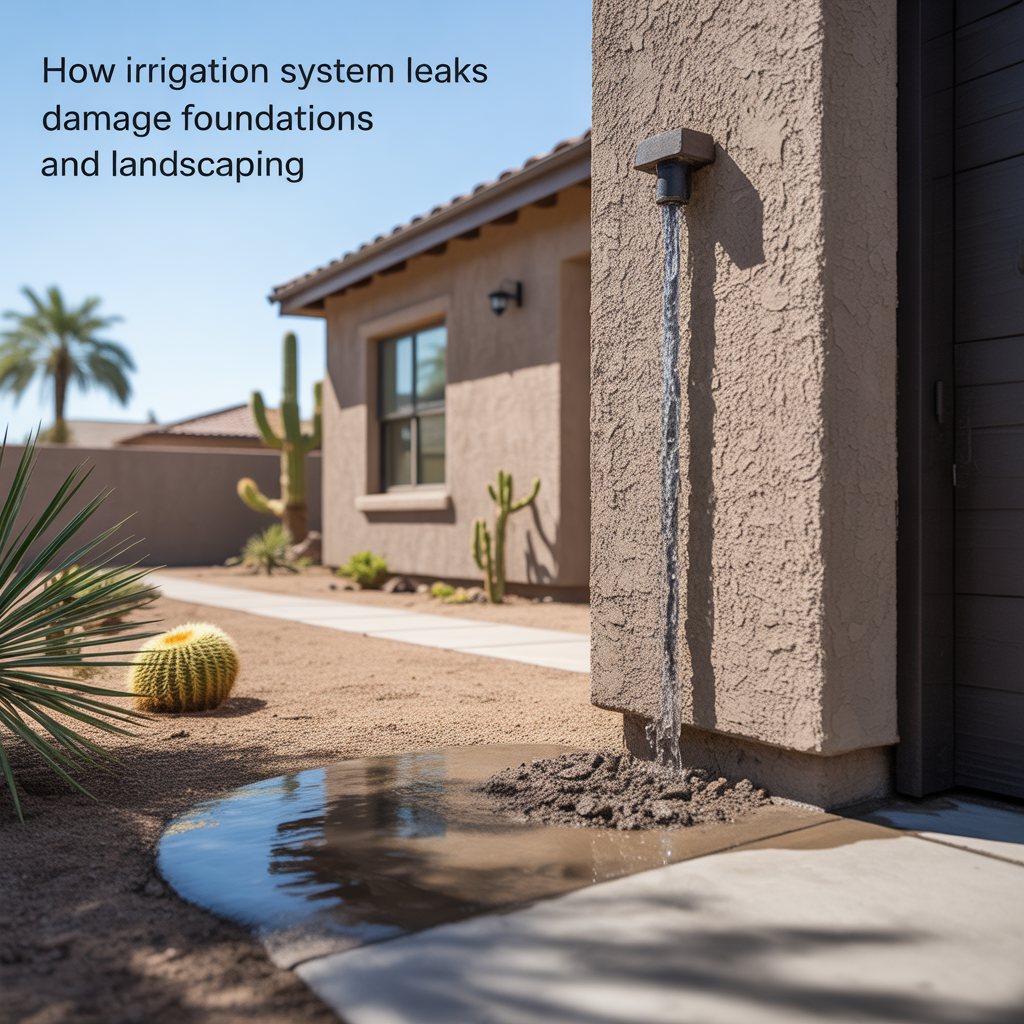
How Irrigation System Leaks Damage Foundations and Landscaping
-

Preventing Roof Damage Before Arizona Monsoon Storms
-

Why AC Tune-Ups Are Critical for Phoenix Homes
-

What Homeowners Should Inspect Before Phoenix Summer Heat Arrives
-

Seasonal Home Maintenance Checklist for Phoenix Homeowners
-

How UV Exposure Damages Exterior Paint, Stucco, and Sealants
-

How Extreme Heat Shortens the Lifespan of Home Systems
-

Why Phoenix Roofs Wear Out Faster Than Many Other Cities
-
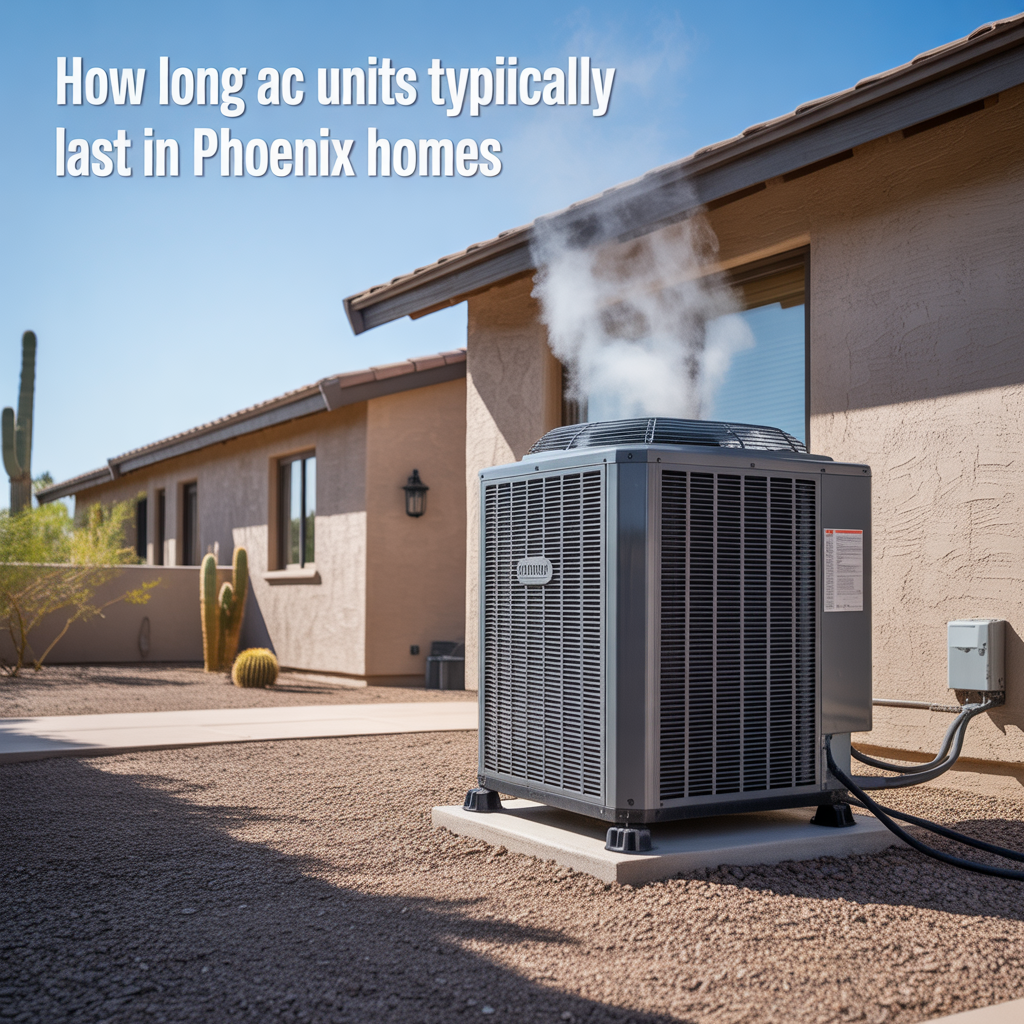
How Long AC Units Typically Last in Phoenix Homes
-

Building a Long-Term Protection Strategy
-
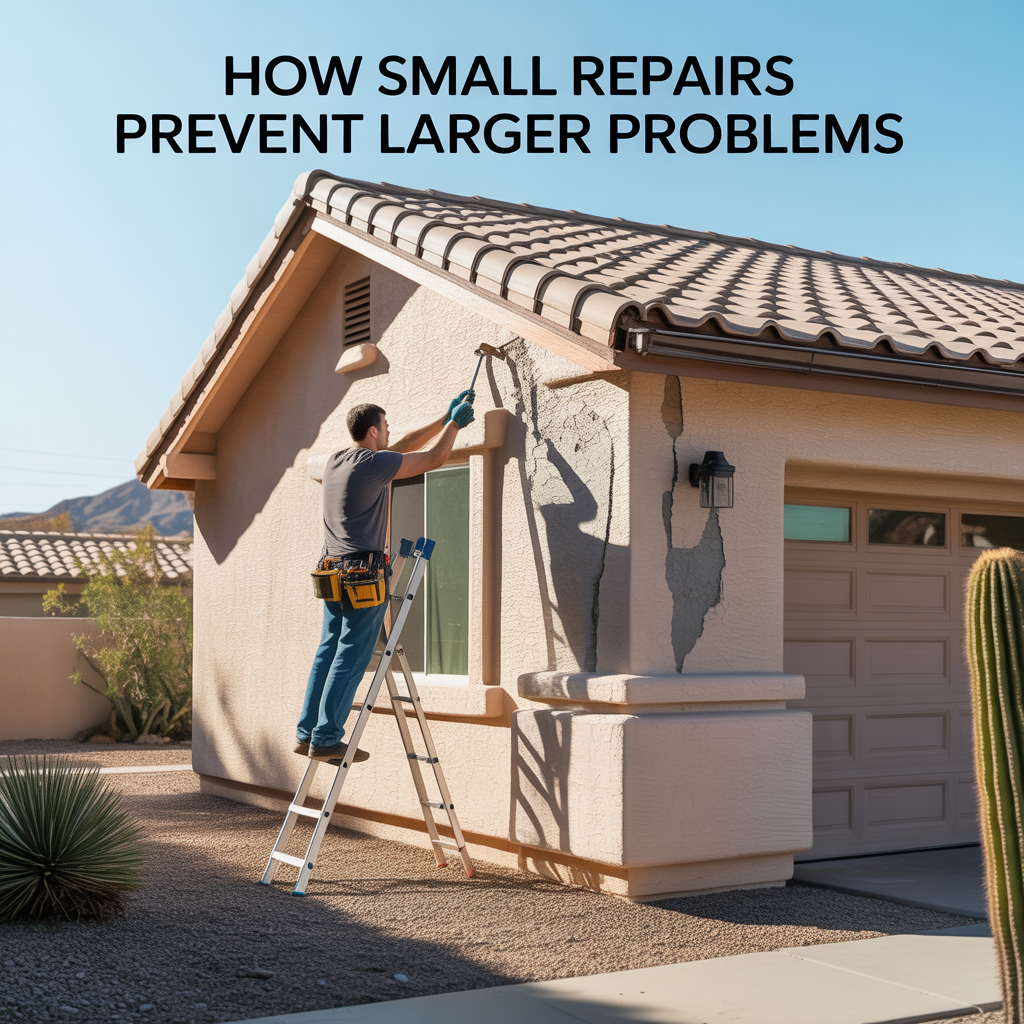
How Small Repairs Prevent Larger Problems
-

Protecting Older Phoenix Homes
-
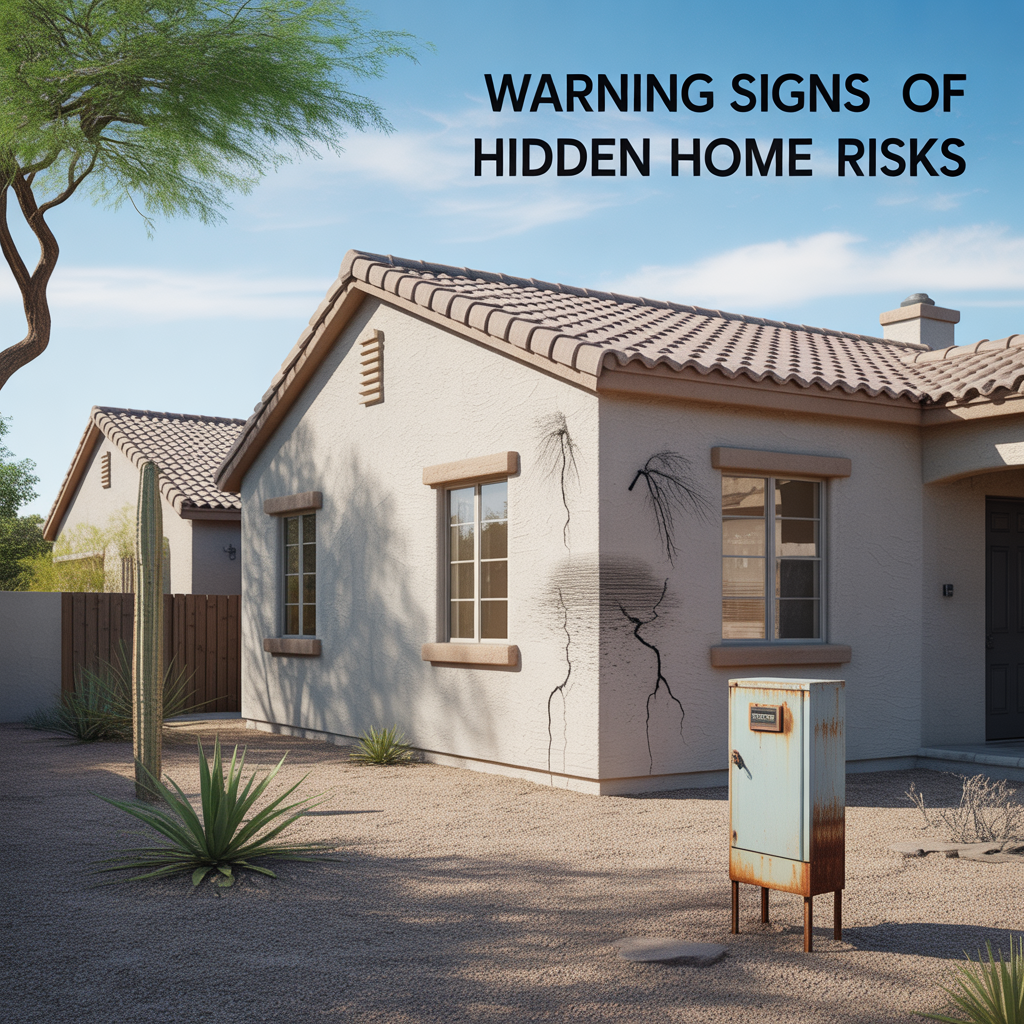
Warning Signs of Hidden Home Risks
-

Preventative Maintenance That Reduces Insurance Claims
-

Reducing Liability Exposure Around Your Property
-

Liability Coverage Limits Explained
-

When Umbrella Insurance Makes Sense
-

Protecting Yourself From Guest Injury Claims