



Seller Fears→ [Seller Fears] & For more info on other fears Phoenix Real Estate → [Phoenix Real Estate Fears Guide]
Written by: Renee Burke
Living in the Valley teaches you quickly that our real estate market dances to a rhythm unlike anywhere else — driven by snowbirds fleeing Midwest winters, families timing school years, and that relentless summer heat we all navigate together. As someone who’s guided sellers through every season here in Phoenix metro, I’ve seen firsthand how listing in January can spark bidding wars from cash-ready retirees, while June often means waiting for the right motivated buyer who sees past the thermometer. Timing isn’t everything, but aligning your sale with these natural ebbs and flows can make the difference between a quick close and a patient wait.
Phoenix benefits from year-round appeal thanks to jobs at Intel and Banner Health, plus endless sunshine drawing relocators. Still, distinct peaks and valleys emerge, shaped by weather, holidays, and local life. Let’s break it down thoughtfully, so you can choose your moment with quiet confidence.
Spring (March–May): The Golden Window for Top Dollar
Spring wakes up the Phoenix market like nothing else. Buyers flood in — locals relocating before school starts, out-of-staters escaping allergies or taxes — pushing days on market to a brisk 30-45. Homes sell at 98-102% of list price, especially family properties in Gilbert or Chandler with strong schools.
Why it shines: Weather hovers in the 80s, perfect for backyard tours; longer days mean after-work showings. Landscaping pops with blooming desert willows, and inventory hasn’t yet surged. I’ve closed deals in April where East Valley gems drew multiple offers by noon on listing day.
Caveat: Competition rises late spring as more sellers jump in. Price sharply, stage those patios, and highlight “summer-ready” pools to stand out.
Winter (January–Early March): Snowbird Surge Pays Off
Don’t sleep on winter — it’s Phoenix’s quiet powerhouse. Snowbirds (300,000+ annually) arrive seeking golf carts and heated pools, often paying cash for condos in Ahwatukee or single-family homes in Peoria. Low inventory means less competition; motivated buyers close fast to lock in their escape before rates shift.
Expect solid offers on low-maintenance properties: 55+ communities in Sun City, lock-and-leave townhomes near Sky Harbor. Median days on market dip under 50, with premiums for move-in-ready features like updated HVACs.
Local insight: January listings catch pre-spring momentum; February softens slightly with spring breakers. Families might hold off, but retirees act decisively — I’ve seen $600K Verrado homes pend in 10 days.
Fall (September–November): The Smart Rebound Play
After summer’s lull, fall refreshes the market beautifully. Temperatures drop to touring-friendly 90s, buyers who sat out the heat re-emerge, and inventory stays manageable. Homes move in 50-60 days at near-full price, especially in West Valley growth spots like Buckeye where new builds shine.
Monsoons clear by September, revealing crisp skies; holidays haven’t yet distracted. It’s ideal for second-chance sellers — those spring holdouts now face less competition. North Scottsdale luxury often peaks here too, with out-of-state cash flowing pre-winter.
Pro tip: List early October for weekend open houses when families plan ahead of holidays.
Summer (June–August): Challenging, But Opportunity Awaits
Summer’s the toughest sell — heat tops 110, keeping casual browsers indoors and showings to evenings or video tours. Buyer pool shrinks to investors, military relos, and heat-indifferent transplants, stretching days on market to 70-90. Prices hold steady (no crashes here), but expect more negotiations.
Silver lining: Ultra-low competition — fewer listings mean your well-prepped home dominates. Motivated buyers (often cash) snap up bargains, and heat-proof features like pebble pools or solar leases command premiums. I’ve closed summer deals in Queen Creek where sellers netted full ask from serious relocators avoiding spring frenzy.
Strategy: Virtual tours rule; price realistically with concessions like AC credits.
Holiday Slump (Mid-December–Mid-January): Pause and Reflect
The worst? Right before holidays. Families prioritize gifts over garages; travel disrupts showings. Inventory drops as sellers wait for New Year’s resolutions, leaving homes lingering 80+ days. Luxury softens too — parties trump property hunts.
Bright spot: Cash snowbirds trickle in late December. If you must list, target resort-style properties and accept a slower pace.
Key Trends Shaping 2026 Seasonality
Phoenix stays resilient: expect 3 months’ supply (balanced), rates around 6%, and steady appreciation (1-2%). Sales rise 6-11% year-over-year, favoring spring/fall. Under $450K stays competitive; $450K-$800K balances out.
Snowbird influx buffers winter; TSMC growth fuels East Valley year-round. Track inventory: fall surges ease buyer choice, but lock-in effect keeps supply tight.
Property Types by Season
| Season | Best For | Why It Works Best |
|---|---|---|
| Spring | Families, East Valley | School timing, perfect weather |
| Winter | 55+, Condos, Pools | Snowbird cash, low competition |
| Fall | West Valley, New Builds | Cooling temps, motivated locals |
| Summer | Investors, Heat-Ready | Minimal rivals, serious buyers |
Tailoring Your Sell to the Calendar
No “perfect” time exists without your goals — relocating mid-school-year? Winter works. Maximizing equity? Spring’s surge. Weigh life stage: families favor pre-summer; retirees, snowbird season.
Prep universally: pristine staging, pro photos, flexible evenings. In Phoenix, every season sells — it’s about matching your story to the rhythm.
If you’re thinking about making a move in Phoenix, you don’t have to figure it out alone. I’ve timed dozens of sales across every season with the local insight that turns good opportunities into great outcomes. Reach out anytime — let’s chart the best path for your home, step by thoughtful step.
Get the full Phoenix Market Insights → [Market Insights]


-

Pool Liability and Insurance in Phoenix
-

Protecting Outdoor Structures and Shade Systems
-

HVAC Failures and Insurance Coverage
-

Roof Maintenance for Phoenix Climate Conditions
-

Preventing Water Damage in Desert Landscapes
-

How Monsoon Storms Affect Phoenix Homes
-

Why Policy Structure Matters More Than Premium
-

Understanding Coverage Limits and Exclusions
-

What Personal Property Coverage Actually Includes
-

How Liability Coverage Protects Homeowners
-

Replacement Cost vs Market Value in Phoenix Insurance
-

Understanding Deductibles Before You Need Them
-

How Renovations Affect Insurance Coverage
-

When to Review Your Home Insurance Policy
-

Why Replacement Cost Matters in Phoenix Insurance Policies
-

When a House Truly Starts to Feel Like Home
-

How Phoenix Neighborhood Living Builds a Sense of Belonging
-

Why Stability Plays a Major Role in Long-Term Home Satisfaction
-

How Familiarity Changes the Experience of Living in a Home
-

Renovate or Move? Deciding What to Do When Your Phoenix Home No Longer Fits
-

How Lifestyle Changes Affect Space Needs in Phoenix Homes
-
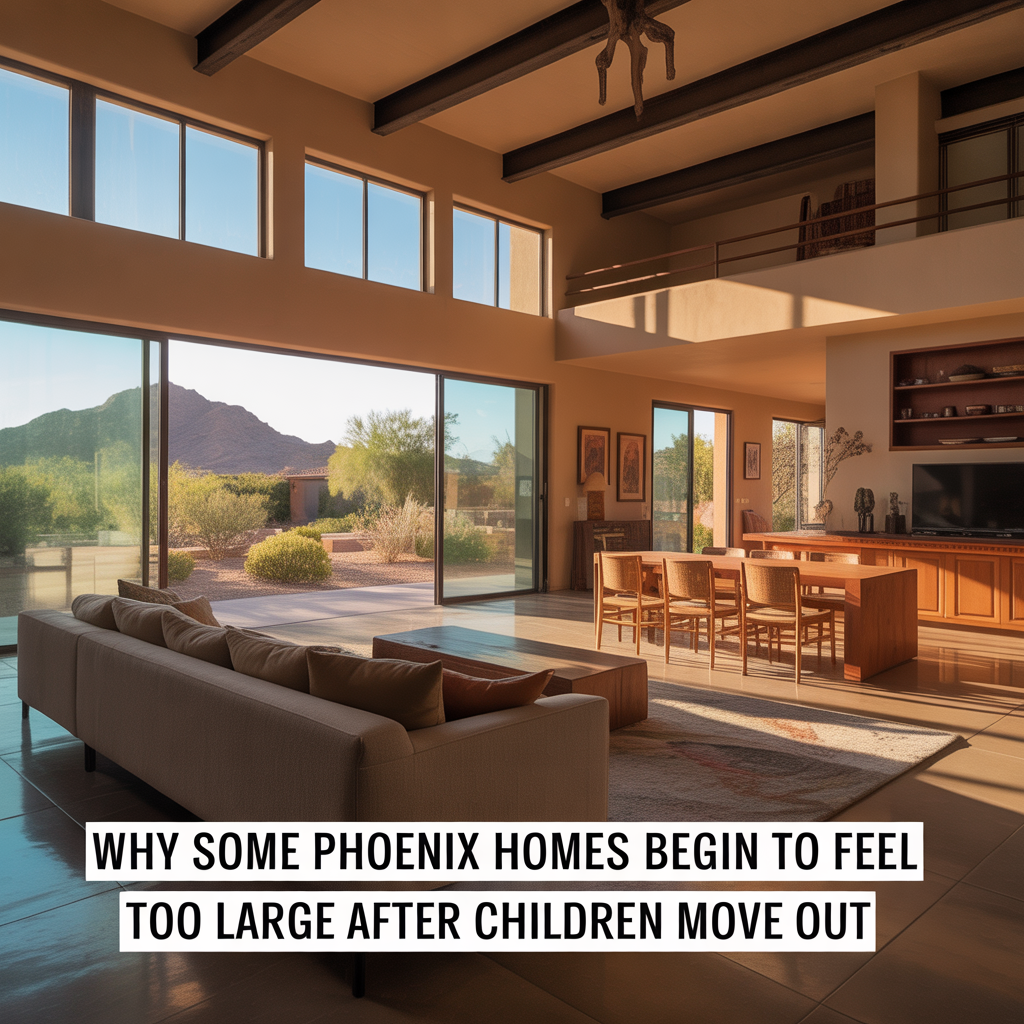
Why Some Phoenix Homes Begin to Feel Too Large After Children Move Out
-

When Homeowners Begin Considering Moving to a Larger Phoenix Home
-

Signs Your Phoenix Home Is Starting to Feel Too Small for Your Family
-

How Desert Landscaping Evolves Over Years of Phoenix Homeownership