


Buyer Fears→ [Buyer Fears] & For more info on other fears Phoenix Real Estate → [Phoenix Real Estate Fears Guide]
Written by: Renee Burke
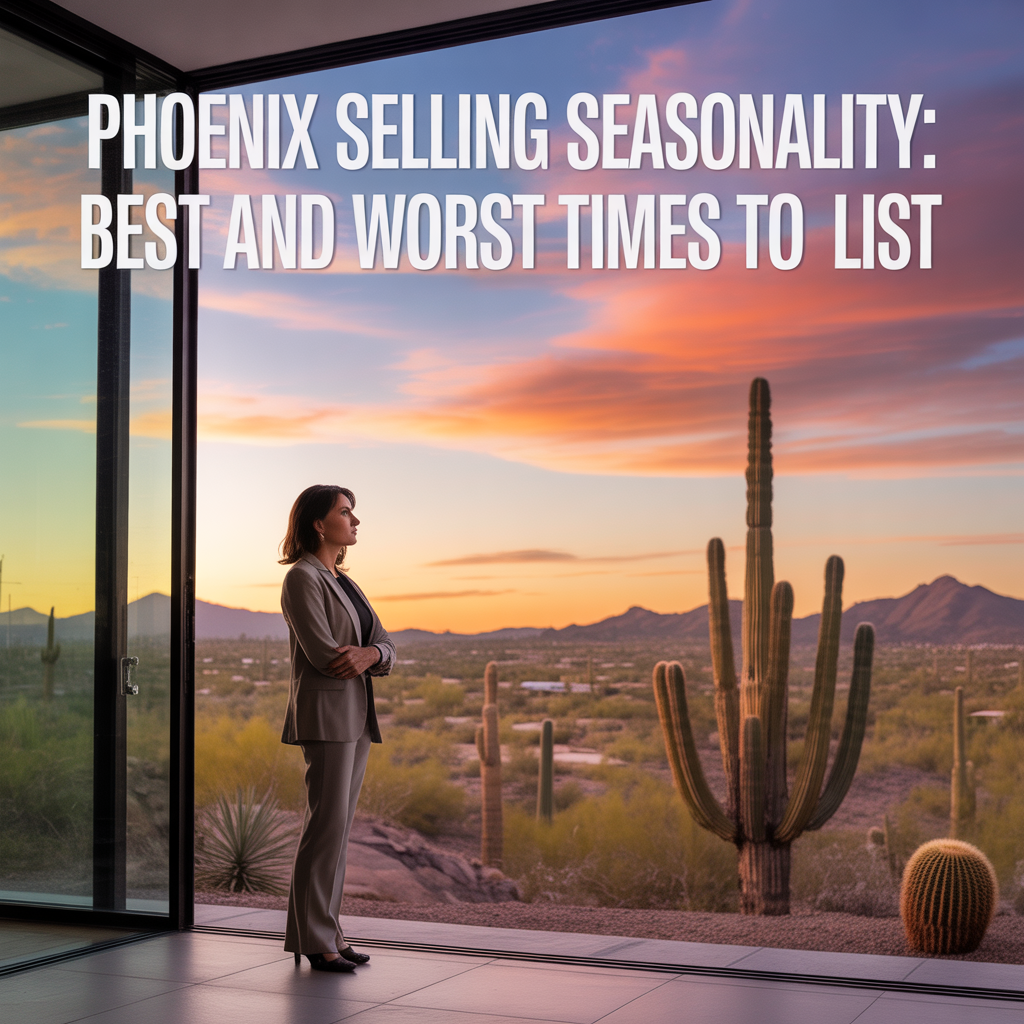
I’ve guided so many families through Phoenix’s unique selling cycles over the years, and I know how reassuring it can feel to understand the rhythm before making your move. Our Valley doesn’t follow the same script as other places — our weather, snowbird patterns, and family life create a cadence all its own, shaped by those perfect winter days and the deep summer hush.
Timing isn’t about chasing perfection; it’s about aligning with what works here, so you can sell with confidence and ease.
Winter Peak: Prime Time for Momentum (December–March)
We’re right in the heart of it now, early 2026, and this is Phoenix’s strongest selling window by far. From December through March, homes typically move in 34-42 days with sale-to-list ratios hovering at 98-99%. Snowbirds start arriving in earnest, bringing cash offers for spots in Sun City, Fountain Hills, or Ahwatukee, while local buyers plan pre-summer shifts.
February often edges out as the standout month — high demand meets milder competition before spring listings flood in. Even December holds steady with holiday relocators and early escapees from the Midwest, keeping days on market around 40 and premiums solid. For well-prepped homes, this means capturing 2-4% more equity than average, especially if your place highlights cozy patios or easy golf-course access.
Spring Surge: High Activity, Smart Pricing (April–May)
April and May keep the energy rolling as temperatures climb but stay inviting. Sales quicken to 42-48 days, with March often sparking the uptick into this vibrant stretch. Families eye moves aligned with school calendars — think Chandler districts or Gilbert’s top-rated elementaries — driving premiums up to $17,000 above norm in some pockets.
Buyers here are active but choosier with rising inventory, so presentation shines: fresh staging, pro photos catching that spring light over South Mountain. It’s a sweet spot for netting strong offers without winter’s full frenzy, ideal if your timeline fits a quick close before June heat.
Summer Slowdown: Proceed with Caution (June–August)
Here’s where I advise the most patience — June through August is our quietest, longest stretch, with days on market stretching to 54-67 and ratios dipping to 96-97%. Triple-digit days starting in June send showings plummeting; out-of-towners pause, and locals focus on vacations or AC-cooled living.
July and August lag furthest, potentially costing $7,500-$15,000 less on a $500k sale compared to peaks. That said, move-in-ready homes with pools or east-facing orientations can still draw committed locals in Mesa or Peoria. If your life calls for summer, we lean into cooling features and aggressive value pricing.
Fall Build-Up: Underrated Opportunity (September–November)
September eases the heat, and by October-November, we see a gentle rebound — 43-58 days on market, ratios at 97-98%. Early snowbirds scout ahead, blending with locals repositioning before holidays, like upgrades in Desert Ridge or downsizes in Litchfield Park.
November’s lower listing volume gives your home breathing room to stand out, setting up Q1 momentum without peak-season rush. It’s strategic for sellers prepping updates, offering motivated buyers and solid proceeds.
Neighborhood Rhythms: It’s Hyper-Local
Phoenix’s sprawl means seasonality varies — East Valley like Queen Creek peaks winter-spring for families; West Valley (Goodyear, Surprise) hums with retirees year-round but surges with snowbirds. Arcadia or Central Phoenix holds steadier, less heat-sensitive, while Scottsdale luxury paces itself across seasons.
Your block’s perks — trails near Papago, dining off Scottsdale Road — amplify these pulls. A 1990s Tempe charmer might zip in February; Paradise Valley estates take a steadier path.
Layering Lifestyle and Prep
Data guides us, but Phoenix sales thrive on feel: showcase winter-ready yards, summer-smart cooling, those endless sunny vibes. Prep early — xeriscape the curb, stage for flow — and price true to comps. Post-2021 equity gives breathing room across cycles.
Your Timeline Comes First
These patterns inform, but your needs lead — outgrowing a starter in Verrado? Craving a single-story in Fountain Hills? We sync market pulse to your story for the right fit.
Ready to Chart Your Season?
If Phoenix’s cycles have you pondering a list — be it February fire or November calm — let’s talk it through. You don’t have to sort it alone; I know our Valley’s heartbeat and can help tune it to yours.
Drop me a line for a gentle review of your home, local trends, or game plan. Together, we’ll find the rhythm that moves you forward with quiet confidence.
Get the full Phoenix Market Insights → [Market Insights]


-

Shade Coverage and Tree Canopy Differences by Corridor
-

Summer Walkability Reality Near ASU and Mill Avenue
-

Choosing Proximity Based on Personality and Routine
-
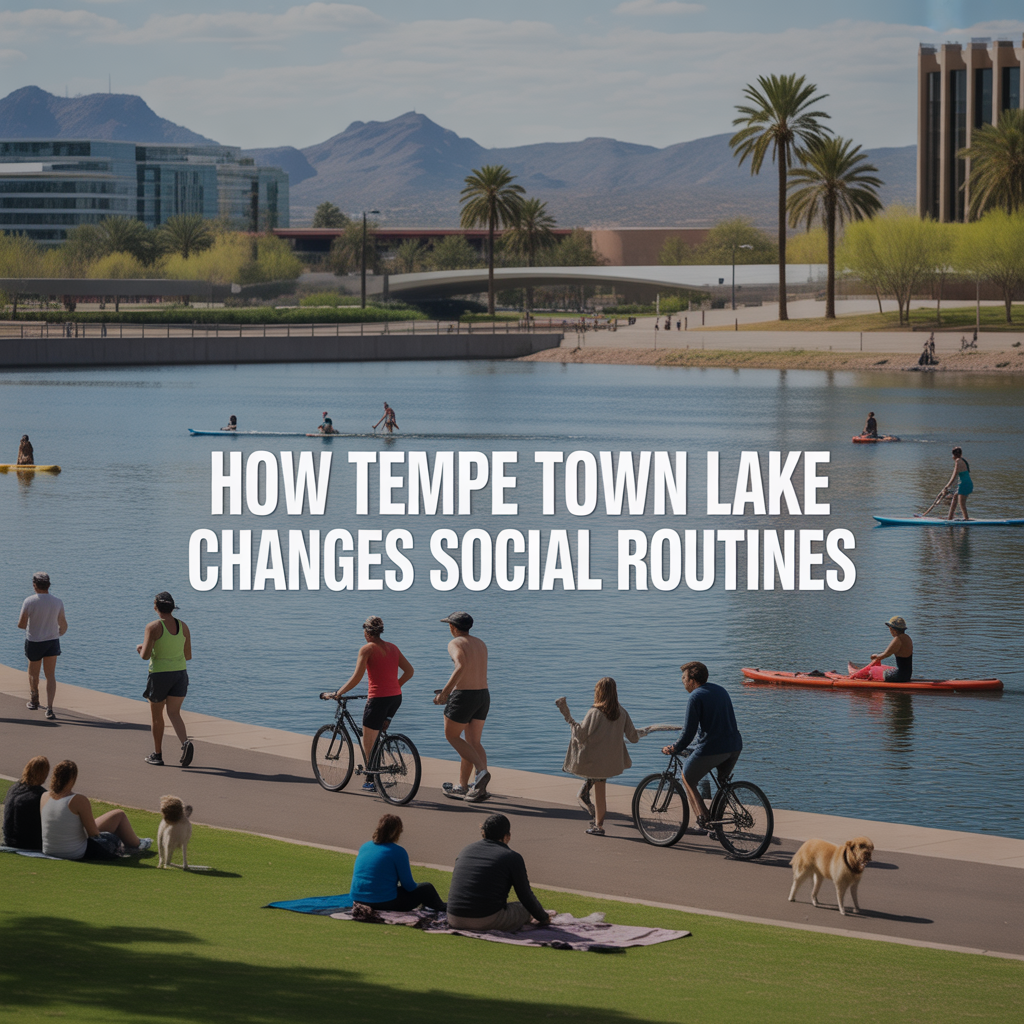
How Tempe Town Lake Changes Social Routines
-

Family-Friendly Lake Events vs Adult Nightlife Patterns
-

Parking Structures and Rideshare Realities on Peak Nights
-
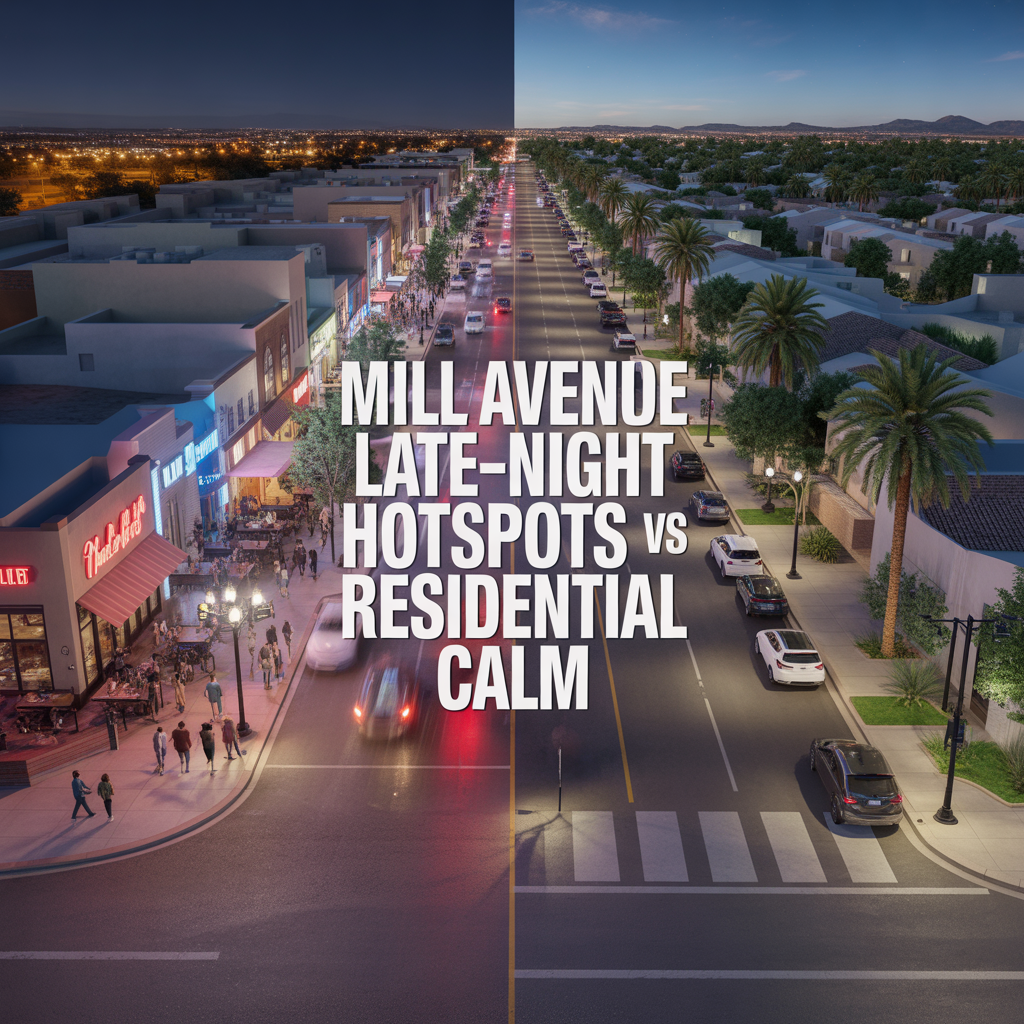
Mill Avenue Late-Night Hotspots vs Residential Calm
-

ASU Game Days and Event Calendar Impacts
-

Cross-Valley Trip Efficiency From Tempe
-

Micro-Mobility and Bike Utility by Corridor
-

Park-And-Ride, Game Day, and Event Access Patterns
-

Airport Timing Strategy Around ASU and Rush Hour Traffic
-

Light Rail Use Cases That Actually Improve Daily Life
-

Freeway vs Arterial Routing During Peak Windows
-

Real-World Drive Times to Sky Harbor From Different Tempe Pockets
-

How Traffic and Commute Direction Affect Daily Life in North vs South Tempe
-

Bike Paths, Walkability, and Short-Distance Transportation in Tempe
-

Driving Access From Tempe to Phoenix Sky Harbor Airport
-

Light Rail Access Between Tempe, Downtown Phoenix, and Mesa
-

Major Tempe Arterial Roads Including Rural Road, McClintock Drive, and Baseline Road
-

ASU Traffic Patterns and Peak Congestion Near Campus
-

Typical Commute Times From Tempe to Phoenix, Scottsdale, and Chandler
-

Tempe Freeway Access to US-60, Loop 101, and Loop 202
-

Shade, Tree Coverage, and Summer Outdoor Usability in Tempe
-

Outdoor Recreation Near Downtown Tempe and ASU