



Buyer Fears→ [Buyer Fears] & For more info on other fears Phoenix Real Estate → [Phoenix Real Estate Fears Guide]
Written by: Renee Burke
There’s a quiet rhythm to well-priced homes in the Phoenix metro — a pulse that starts the moment a listing hits the market. You can feel it in the first few hours: the showing requests, the online saves, the subtle hum of buzz that tells you buyers are paying attention.
When a home is priced right, the market responds with energy. When it’s not, that energy fades — sometimes fast — and regaining it later often means one thing sellers dread: cutting the price. The truth is, momentum matters more than ever in today’s Phoenix market, and understanding how to price for momentum can mean the difference between multiple offers and a quiet, uncertain listing.
The Phoenix Market Has Its Own Tempo
Our local real estate market isn’t static; it moves with the seasons, school schedules, and even shifts in weather. Spring and early fall bring bursts of activity; late summer and holiday months tend to slow the pulse. But what many sellers underestimate is how sensitive buyers here are to timing and perception.
In Phoenix, buyers are well-informed. They watch listing notifications like clockwork, often with alerts set for specific neighborhoods or price ranges. When your home first enters that feed, you have a window of prime attention — a period of about 10 to 14 days when the market decides whether your property is exciting, well-positioned, or pass-worthy.
That’s why “testing the market” with a higher price rarely works here. Unlike markets where properties can linger unnoticed, Phoenix buyers are quick to recognize a mismatch between a home’s value and its asking price. They move on, assuming you’re unrealistic — and once that impression forms, it’s difficult to turn back the clock.
The Psychology Behind Momentum Pricing
Momentum pricing isn’t just a tactic; it’s about creating a sense of natural attraction around your home. You’re not manipulating demand — you’re aligning your price so that it sits right in that narrow band where logic meets emotion.
When buyers scroll through listings from Chandler to Arrowhead Ranch, they’re comparing more than square footage and finishes. They’re weighing speed versus hesitation. A well-priced home feels like something they should move quickly on. A home listed even 3–5% above realistic market range gives them permission to wait — and waiting cools excitement.
Here’s what often happens next: two or three weeks in, showings slow. The listing becomes what agents quietly call “stale.” Then, when a price reduction appears online, buyers read it as weakness rather than opportunity. Instead of feeling urgency, they begin to wonder what’s wrong.
Momentum pricing prevents that slide. It sets the stage for action the moment your home hits the MLS — showings that fill the first weekend, agents calling with questions, and buyers sensing competition. That’s where the best offers come from: not from scarcity games, but from smart alignment with reality.
The Real-World Math Behind It
Let’s say you’re listing a home in Gilbert or North Scottsdale with a true market value of around $750,000. The temptation might be to “start a bit high” at $785,000, thinking you can always adjust later. But what actually happens is this:
- The home sits while buyers eagerly pounce on nearby listings priced closer to $749,900.
- You lose the initial 10-day exposure peak when your listing would have been at its most visible — especially to pre-qualified buyers watching closely.
- Weeks later, when you drop the price, the algorithm doesn’t give you the same launch treatment. Your listing is now buried behind newer ones, seen only by those already deep in the search.
Now imagine instead pricing that same home at $749,000 — or even strategically at $739,900. Suddenly, your listing pops in buyer searches filtered to $750K and below. You draw in more showings, more competition, and more offers that often push the price back up toward your true target.
That’s pricing for momentum: using precision and timing to maintain energy instead of chasing it later with reductions.
Why Phoenix Buyers Are Especially Sensitive
Phoenix is full of migration buyers — people relocating from other states, watching the market online from afar. They’re comparing our pricing to what they know elsewhere, but they move fast once they’re ready. These buyers lean on data tools, agent insights, and listing histories more than most. They can see exactly when you listed, when (and if) you made price changes, and how many days you’ve been active.
A home that’s been sitting for 30+ days starts to signal either overpricing or an issue with condition — even if neither is true. And Phoenix’s sunshine doesn’t help hide stale energy: open houses with no traffic or listings that feel “left behind” in a neighborhood moving briskly only reinforce that perception.
Momentum pricing keeps you ahead of that curve. It makes your home look strong, desirable, and positioned to move. Buyers see confidence when a home isn’t negotiating from behind.
Aligning Price with Lifestyle Value
One key to effective momentum pricing here is connecting value not just to features, but to lifestyle. Buyers in the East Valley aren’t only purchasing a floor plan — they’re buying morning walks near Veterans Oasis Park or quick freeway access to top-rated schools. North Phoenix buyers might prioritize proximity to hiking trails or new retail development.
That means your pricing must reflect where the property lives in the Phoenix experience itself. Two homes with nearly identical comps can perform very differently depending on how they present their location story. A Tempe charmer near restaurants may command more energy at $625,000 than a quieter home off the main grid listed at $620,000 — simply because one aligns better with what buyers in that area crave.
Momentum pricing accounts for that nuance. It’s not only about numbers; it’s about how the home connects to who the buyer wants to become once they move in.
The Trap of Emotional Pricing
There’s nothing wrong with feeling like your home is worth more — it’s human. You’ve lived in it, loved it, improved it. But emotional pricing creates friction. Buyers don’t sense your memories; they sense market rhythm.
Here in Phoenix, real estate moves on momentum that can be remarkably short-lived if pricing misses the mark. Even strong homes can fade if listed just 2–3% too high — not because they aren’t beautiful, but because they’re out of step with how buyers search and decide.
That’s why professional pricing isn’t about “lowballing” or leaving money on the table. It’s about meeting the market at its tempo. When you do, you preserve leverage and confidence throughout the negotiation process.
When Momentum Meets Strategy
Momentum pricing doesn’t end the day your home goes active. It’s supported by presentation, listing quality, and agent strategy. In the current Phoenix climate — where homes can move quickly but buyers remain selective — coordinated launch timing is key.
A strong rollout often includes:
- Professional photos that go live only when the property is fully ready.
- Listing just before the weekend to catch peak buyer browsing hours.
- Strategic pricing that places your home at a psychological threshold in searches (for example: $699,900 instead of $705,000).
- Intelligent staging and detailed remarks that highlight what makes your home uniquely positioned in its neighborhood.
Together, these steps create immediate traction — the kind that carries you through those crucial first few weeks without the need for reactive adjustments.
The Long-Term Payoff: Peace of Mind
When pricing momentum works, it’s not just about selling quickly. It’s about selling smoothly, with less stress and second-guessing. Sellers who follow this approach often describe the experience as calmly in control. They feel proactive instead of pressured.
Momentum pricing lets the market come to you — not out of panic, but from genuine demand. It preserves your negotiating power and avoids the emotional drain that comes from chasing a buyer months later at a reduced price point.
Every Home Has a Sweet Spot
Over the years, I’ve found that every property in the Phoenix metro has a “sweet spot” — a pricing point where interest, emotion, and logic meet perfectly. Finding that number requires skill, local knowledge, and sometimes a bit of intuition about what buyers for this specific neighborhood are feeling right now.
A home in Arcadia Lite, for example, pulls energy differently than one in Laveen or Desert Ridge. Comps show the data, but neighborhood momentum — how quickly homes move, what buyers are prioritizing, how inventory sits relative to demand — shows the story behind the numbers.
Your Next Move, Done Thoughtfully
If you’re preparing to list a home in the Phoenix area, take heart: the market rewards accuracy, not guesses. When you price for momentum, you respect both your property’s worth and the buyer’s intelligence. You give your home its best chance to shine right from the start — not after weeks of adjustments.
If you’re thinking about making a move in Phoenix, you don’t have to figure it out alone. Let’s talk about your timing, your neighborhood, and your home’s sweet spot in today’s market. With a calm, strategic approach, we’ll position your sale for confidence, not compromise.
Get the full Phoenix Market Insights → [Market Insights]


-
Cost of Living in Rhode Island: Housing, Taxes, Utilities, and Everyday Expenses
-

What If My Commute Becomes Worse Than Expected?
-

How Aging Home Systems Affect Property Value
-

Energy Efficiency Upgrades for Phoenix Homes
-
How to Plan for Major Home System Replacements
-

When Phoenix Homeowners Should Replace Water Heaters
-

Repair vs Replace Decisions for Phoenix HVAC Systems
-

Creating a Long-Term Home Maintenance Plan
-

How Often Phoenix Homes Should Be Professionally Inspected
-

Early Warning Signs of Major Home System Failures
-

How Preventative Maintenance Protects Phoenix Property Value
-

The Best Annual Home Maintenance Plan for Phoenix Homes
-

Electrical Safety Inspections for Older Phoenix Homes
-

Why Whole-Home Surge Protection Matters in Arizona
-

Preparing a Phoenix Home for Electric Vehicle Charging
-

Signs Your Home’s Electrical System Is Overloaded
-
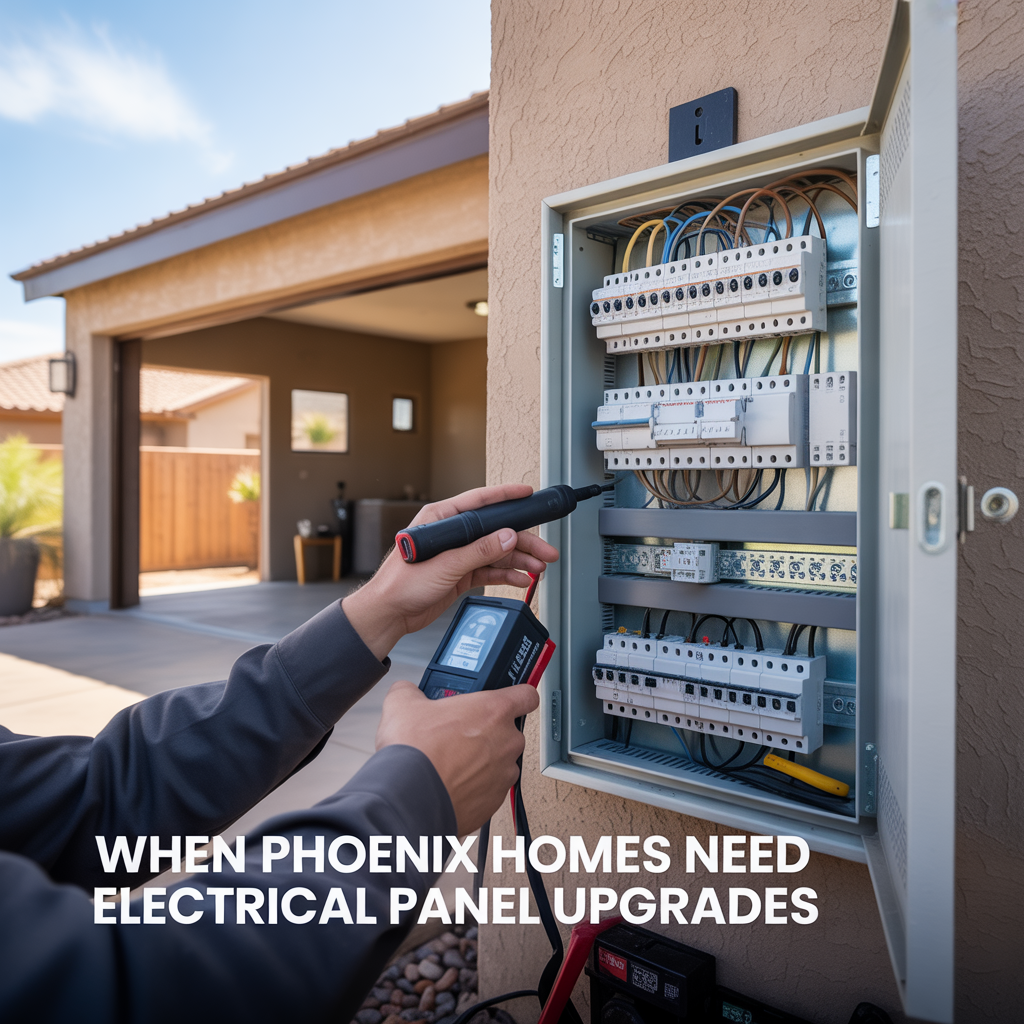
When Phoenix Homes Need Electrical Panel Upgrades
-

Water Pressure Problems in Phoenix Homes Explained
-

Preventing Irrigation Leaks That Waste Water in Desert Landscapes
-

Signs of Hidden Plumbing Leaks in Phoenix Houses
-

How Long Water Heaters Last in Arizona Homes
-

How Hard Water Affects Plumbing Systems in Phoenix Homes
-

Preventing Water Damage in Phoenix Homes During Storms
-

Roof Maintenance Tips Before Phoenix Monsoon Season
-

How Arizona Sun Damages Roofing Materials Over Time