



Buyer Fears→ [Buyer Fears] & For more info on other fears Phoenix Real Estate → [Phoenix Real Estate Fears Guide]
Written by: Renee Burke
You’ve probably heard the stories—neighbors frustrated by constant turnover next door, or sellers surprised when their “great investment property” doesn’t attract the offers they expected. In the Phoenix metro, rental restrictions and short-term rental rules aren’t just fine print in the CC&Rs; they quietly shape who knocks on your door during showings and how quickly your listing moves. Whether you’re in a gated Gilbert community or a free-standing home in north Scottsdale, understanding these rules helps you speak directly to the right buyers.
I’ve walked countless sellers through this over the years, and it always comes down to matching expectations. Let’s unpack how these restrictions work in our market and why they change your strategy from day one.
The HOA Grip on Rentals
Most HOA-governed neighborhoods in the Valley—from Chandler’s master-planned enclaves to Queen Creek’s growing subdivisions—include rental caps or outright bans in their governing documents. It’s not uncommon to see rules limiting rentals to once every two or three years, or requiring owner-occupancy for the first year. These aren’t arbitrary; they’re designed to preserve the owner-occupied feel that keeps property values steady.
Short-term rentals face even tighter scrutiny. Platforms like Airbnb or VRBO? Many HOAs prohibit them entirely, especially in townhomes and condos where shared walls amplify concerns. Even if the city of Phoenix allows a short-term rental permit, your HOA can override it with a simple no. I’ve seen deals fall apart when a buyer assumed they could flip the house into a snowbird rental, only to discover the CC&Rs said otherwise.
For sellers, this means your buyer pool skews toward families, downsizers, or long-term homeowners who value stability over supplemental income. Highlight that in your listing: the peace of a neighborhood where folks stay put.
Non-HOA Flexibility (With Caveats)
Outside HOA boundaries—in older Phoenix enclaves, parts of Glendale, or West Valley single-family pockets—you gain breathing room. No CC&Rs means no rental caps from a homeowners association, giving owners freedom to lease long-term or even test short-term seasonally. It’s a draw for investors eyeing cash flow, particularly near Tempe’s job hubs or Sky Harbor’s business traveler corridor.
But don’t overlook the city layer. Phoenix requires short-term rental registration through the Planning & Development Department, complete with safety inspections, neighbor notifications within 600 feet, and occupancy limits (typically two guests per bedroom plus two). Fees run $300–$500 annually, and violations—like noise complaints or party bookings—can lead to fines up to $1,000 or permit revocation. Zoning plays in too: resort areas near the airport allow more leeway, while residential zones enforce quiet hours and parking rules.
Buyers here often include landlord-wannabes, multi-generational families planning a casita rental, or retirees testing supplemental income. Your listing strategy shines by addressing their practical questions upfront.
How Rules Reshape Your Buyer Demographics
Rental flexibility isn’t just a checkbox—it filters your audience.
- Primary residence seekers flock to strict HOA homes. They’re often families from California or the Midwest, drawn to amenities like community pools and playgrounds without worrying about transient neighbors. In our market, these buyers prioritize school districts and low turnover, making your HOA listing a safe bet for steady offers.
- Investor-minded buyers gravitate to non-HOA or lightly restricted properties. Think local professionals adding a rental leg to their portfolio, or out-of-state landlords chasing Phoenix’s year-round demand. They’ll scrutinize cap rates, but also grill you on short-term viability—especially with 2026’s tightening city regs on licensing and buffers between rentals.
Misalign these, and you waste showings. A short-term rental dreamer touring a no-Airbnb HOA will bolt; an HOA loyalist in a free-for-all neighborhood might fear declining values. Tailor your marketing to whisper the right story.
Listing Tactics That Match the Rules
For HOA-restricted listings:
Transparency builds trust. Include a line in your description: “Investor-friendly with HOA rental policy available upon request.” Have the full CC&Rs, resale certificate, and recent financials printed for showings—it reassures serious buyers and speeds escrow. Stage to evoke family life: toys in the yard, bikes by the garage. Price conservatively, as these homes trade on lifestyle uniformity, not income potential.
For flexible non-HOA listings:
Lead with opportunity. Phrases like “Ideal for long-term lease or seasonal income, verify city STR permit” draw the right eyes without overpromising. Showcase flexible spaces—a spare bedroom for an office-turned-rental, ample parking for guests, or a yard ready for a pool. Provide a one-pager on zoning and recent comps for investor-grade rentals nearby. Virtual tours highlighting proximity to freeways or employment hubs seal interest.
Virtual twilight shots work wonders for both, but angle HOA photos toward pristine common areas and non-HOA toward private, expandable lots. Open houses? HOA attracts weekend browsers; non-HOA pulls Tuesday investor tours.
Pricing in a Restricted World
Restrictions ripple into dollars. HOA homes with rental bans often command a premium—buyers pay for the “forever home” vibe, especially in appreciating suburbs like Mesa or Peoria. Expect 5–10% higher per square foot versus flexible comps, but slower appreciation if investors sit it out.
Non-restricted properties appeal broader, sometimes fetching investor premiums in high-demand rental corridors like south Tempe. Short-term potential adds 10–15% value near tourist draws, but factor in compliance costs: permits, insurance hikes, and potential HOA add-ons if one sneaks into the picture. Days on market stretch if you don’t clarify rules early—buyers hate surprises.
Across the metro, blend ARMLS data with lifestyle: a Chandler HOA townhome might list at $425K for stability; a similar-sized Glendale non-HOA at $410K but with income upside.
Common Fears and How to Address Them
Buyers worry HOAs kill resale flexibility—“What if I need to rent later?” Reassure with facts: most don’t, and values hold strong. For non-HOA skeptics, “Will neighbors trash the street?” Counter with block construction’s durability and your property’s standout curb appeal.
Sellers fret investor buyers lowball. Guide them: qualify leads early. Ask agents about buyer intent during showings—it filters mismatches.
Phoenix’s 2026 regulatory shifts add caution—city STR permits now demand swift approvals or denials, no ADUs as rentals, and steeper penalties. Stay ahead by noting these in disclosures; it positions you as informed.
The Metro-Wide Picture
Our Valley’s patchwork—from inward-migrating professionals to seasonal residents—means no one-size-fits-all. East Valley HOAs prioritize family retention; central Phoenix non-HOAs fuel eclectic rentals. North Scottsdale’s horse properties? Total flexibility goldmines. South Mountain rentals? Investor havens near the airport.
Smart sellers lean into what their rules enable, not lament what they limit. It’s why a Chandler listing with a two-year rental wait sells to a young family faster than to a flipper—and why a Laveen non-HOA with STR potential closes to an out-of-towner in days.
Let’s Shape Your Strategy Together
Navigating rental rules in Phoenix doesn’t have to feel overwhelming—I’ve helped families and investors alike turn restrictions into advantages, year after year. If you’re listing soon or just weighing your options, you don’t have to figure it out alone.
Reach out when you’re ready. We’ll review your CC&Rs, scout your buyer pool, and craft a plan that feels right for your Valley home.
Get the full Phoenix Market Insights → [Market Insights]


-

Signs Your Phoenix Roof Needs Inspection or Repair
-

How Long Tile Roofs and Roof Underlayment Last in Phoenix
-

How Smart Thermostats Improve Cooling Efficiency in Arizona Homes
-

Why AC Systems Struggle During Extreme Phoenix Heat Waves
-

How Long Air Conditioning Units Last in Phoenix Homes
-

Warning Signs Your Air Conditioner Is About to Fail
-

How Often Phoenix AC Systems Need Maintenance
-

How Irrigation System Leaks Damage Foundations and Landscaping
-

Preventing Roof Damage Before Arizona Monsoon Storms
-

Why AC Tune-Ups Are Critical for Phoenix Homes
-

What Homeowners Should Inspect Before Phoenix Summer Heat Arrives
-

Seasonal Home Maintenance Checklist for Phoenix Homeowners
-

How UV Exposure Damages Exterior Paint, Stucco, and Sealants
-

How Extreme Heat Shortens the Lifespan of Home Systems
-

Why Phoenix Roofs Wear Out Faster Than Many Other Cities
-
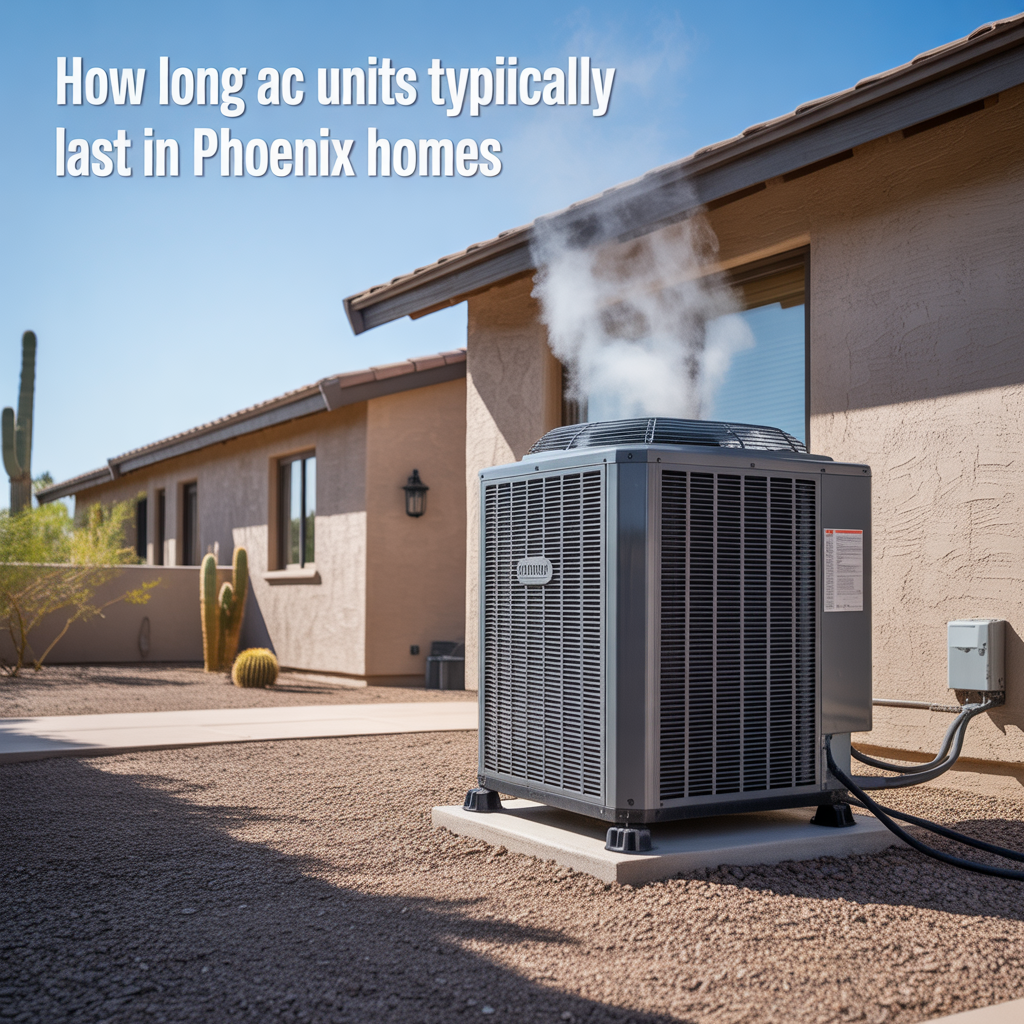
How Long AC Units Typically Last in Phoenix Homes
-

Building a Long-Term Protection Strategy
-
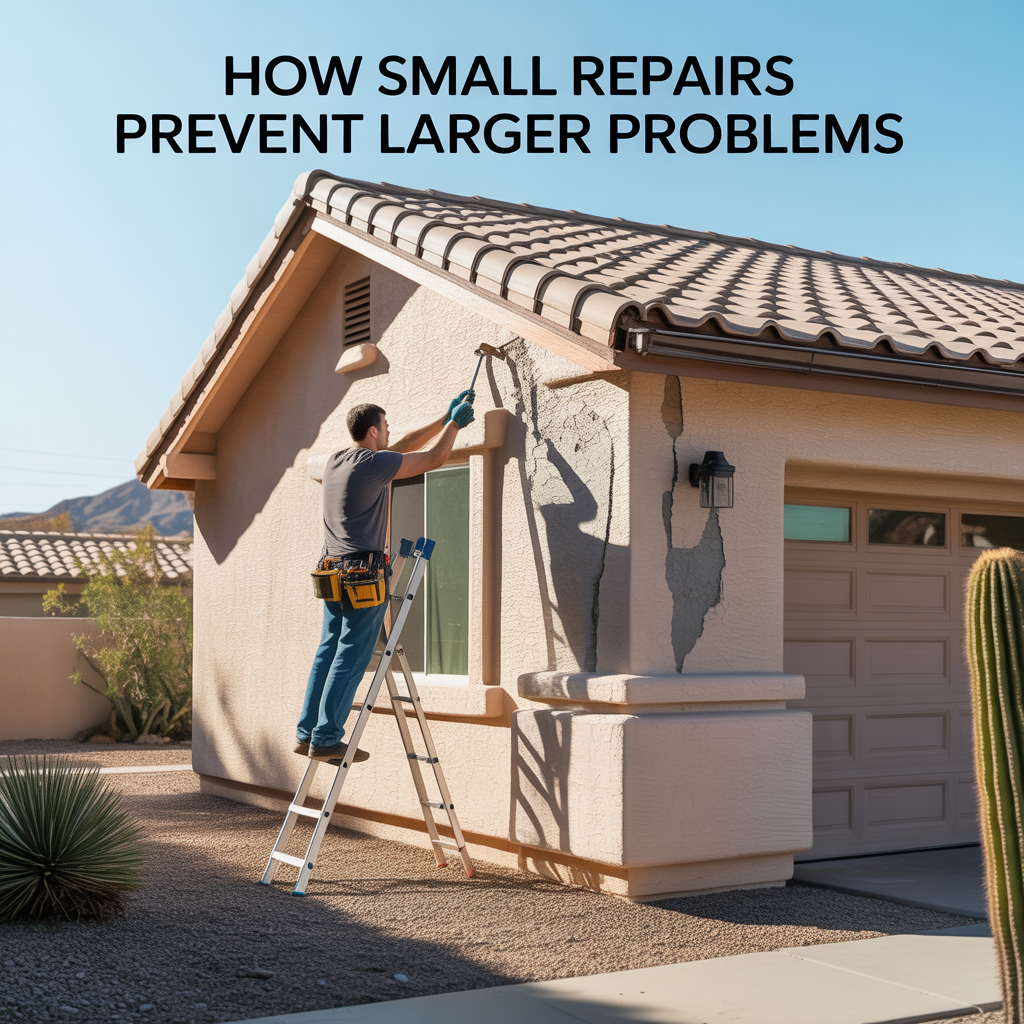
How Small Repairs Prevent Larger Problems
-

Protecting Older Phoenix Homes
-

Warning Signs of Hidden Home Risks
-

Preventative Maintenance That Reduces Insurance Claims
-

Reducing Liability Exposure Around Your Property
-

Liability Coverage Limits Explained
-

When Umbrella Insurance Makes Sense
-

Protecting Yourself From Guest Injury Claims