



Seller Fears→ [Seller Fears] & For more info on other fears Phoenix Real Estate → [Phoenix Real Estate Fears Guide]
Written by: Renee Burke
In Phoenix, where the sun doesn’t just shine—it commands the day—how a home sits on its lot can quietly tip the scales on an offer. I’ve stood with buyers in backyards that felt like oases and others that baked under relentless afternoon rays, watching their faces shift from intrigued to indifferent. Orientation, shade patterns, and sun exposure aren’t flashy features, but they whisper truths about daily comfort that louder perks like granite counters can’t drown out.
As someone who’s navigated these subtle dynamics across the Valley for years, I know buyers feel them before they name them. A home that cradles coolness wins hearts; one that fights the sun loses ground, often before the inspection.
Why Sun Path Trumps Square Footage Here
Our desert sun arcs high and unforgiving from March through October, turning west walls into ovens by 3 p.m. Homes oriented to minimize that glare—north-facing fronts or east-facing backyards—stay livable longer, slashing AC strain and soothing the soul. I’ve seen identical floor plans in the same neighborhood: one with a shaded patio draws families dreaming of dinners outside; the other, with full western blaze, prompts questions about shade sails and utility spikes.
Buyers aren’t guessing anymore—they check compass apps mid-showing, noting how living rooms glow golden at dawn or scorch by dusk. It’s practical magic: less heat means more time enjoying your space, not escaping it.
North-Facing: The Quiet Champion
Homes facing north, with south-facing backyards, strike the sweetest balance in our climate. Front yards stay shaded through peak heat, garages run cooler, and main living areas dodge direct rays. Backyards catch gentle winter sun for pool days or barbecues, but afternoon shadows from the house itself keep summers humane.
Families adore this—kids play longer without melting down, plants thrive under natural cover. Energy bills dip noticeably, a relief when SRP or APS statements land. These listings move fast in Goodyear or Surprise, where buyers prioritize year-round usability.
No major downsides here; mornings might feel dim indoors, but that’s a small trade for all-day equilibrium.
South-Facing: Cool Backyard Bliss
Flip to south-facing fronts, north-facing yards: patios become shaded sanctuaries by noon, ideal for evening unwinds after South Mountain hikes. Interiors resist afternoon buildup, making open kitchens feel airy even at 108 degrees.
This orientation suits empty-nesters or remote workers craving serene retreats—less glare on screens, cooler sleeps without fans whirring. Landscaping shines too: citrus groves or herb gardens nestle happily in filtered light. In Ahwatukee or Chandler, these homes hold value, appealing to those who live outdoors as much as in.
The catch? Front exposures can warm up midday, but deep eaves or mature mesquites often solve that gently.
East-Facing: Morning Magic, Afternoon Mercy
East-facing gems greet the day with backyard sunrise glow—perfect for coffee on the patio before work—then slip into deep shade post-lunch. This rhythm aligns with Valley life: active mornings at Papago trails, relaxed afternoons poolside without the fry.
Interiors stay temperate through heat waves, a boon for home offices overlooking green yards. East Valley buyers in Mesa snap these up for school-run ease and playdate havens. Resale sparkles, especially for transplants missing temperate coasts.
Mild mornings might brighten too early for night owls, but blackout shades fix that without fight.
West-Facing: Beauty with a Bite
West-facing homes dazzle with sunset gilding every window—a romantic pull for view-lovers near Camelback. Winter afternoons warm patios delightfully, and interiors burst with light for artists or entertainers.
But summers test resolve: walls absorb hours of blaze, radiating heat indoors till bedtime. Yards turn furnace-like by 4 p.m., limiting evening use without serious shade—misters, ramadas, or pergolas become must-haves. I’ve counseled sellers here to highlight mitigations upfront, like upgraded HVAC or solar films, to counter buyer hesitations.
These can lag on market or fetch concessions, yet golf course or mountain west-facers defy odds with scenic payoffs.
Shade: The Multiplier Effect
Orientation sets the stage, but shade steals the show. Mature trees—palo verdes, ironwoods—drop temps 10-15 degrees under canopies, extending yard life through monsoons. Built shades like awnings or roll-downs on west exposures signal savvy ownership, turning “draining” homes livable.
Buyers probe: “Does that queen palm screen the play area?” or “Can we add misters without HOA fuss?” In our stucco sprawl, absent shade amplifies orientation flaws—west yards without it feel forsaken; north ones with it, luxurious.
Exposure Myths Buyers Battle
Newcomers fret south equals scorching (it doesn’t—backyards shade beautifully). Locals overvalue east for “cool,” overlooking north’s edge. Fears of “too dark” north homes fade once they feel the AC savings. I gently unpack these during tours: step outside at 2 p.m., feel the difference, let data settle.
Growth adds layers—new builds cluster west-facing for lot efficiency, but veterans seek oriented havens.
Staging to Reveal the Magic
Sellers, illuminate silently: open east shades for dawn tours, mist west patios pre-showing. Note in listings: “North-facing front, shaded oasis yard.” Buyers touring at golden hour sense the win intuitively.
Virtual sun-path overlays or utility histories build trust—transparency turns skeptics to suitors.
When Silent Factors Seal Deals
These elements linger in memory: the home where shade invited pause amid Valley blaze. They predict joy—lazy afternoons in Gilbert, sunset toasts in Peoria—over abstract specs.
In Phoenix, where sun shapes souls, orientation crafts belonging. Wise buyers choose it; smart sellers showcase it.
If you’re touring Valley listings and sensing those subtle sun shifts—or wondering how to highlight yours—you don’t have to decode it alone. I know our light like the back of my hand, from shaded Chandler retreats to glowing Avondale gems.
Reach out when ready—let’s find the orientation that feels just right for you. You’ve got this, and I’m right here guiding the way.
Get the full Phoenix Market Insights → [Market Insights]


-
Cost of Living in Rhode Island: Housing, Taxes, Utilities, and Everyday Expenses
-

What If My Commute Becomes Worse Than Expected?
-

How Aging Home Systems Affect Property Value
-

Energy Efficiency Upgrades for Phoenix Homes
-
How to Plan for Major Home System Replacements
-

When Phoenix Homeowners Should Replace Water Heaters
-

Repair vs Replace Decisions for Phoenix HVAC Systems
-
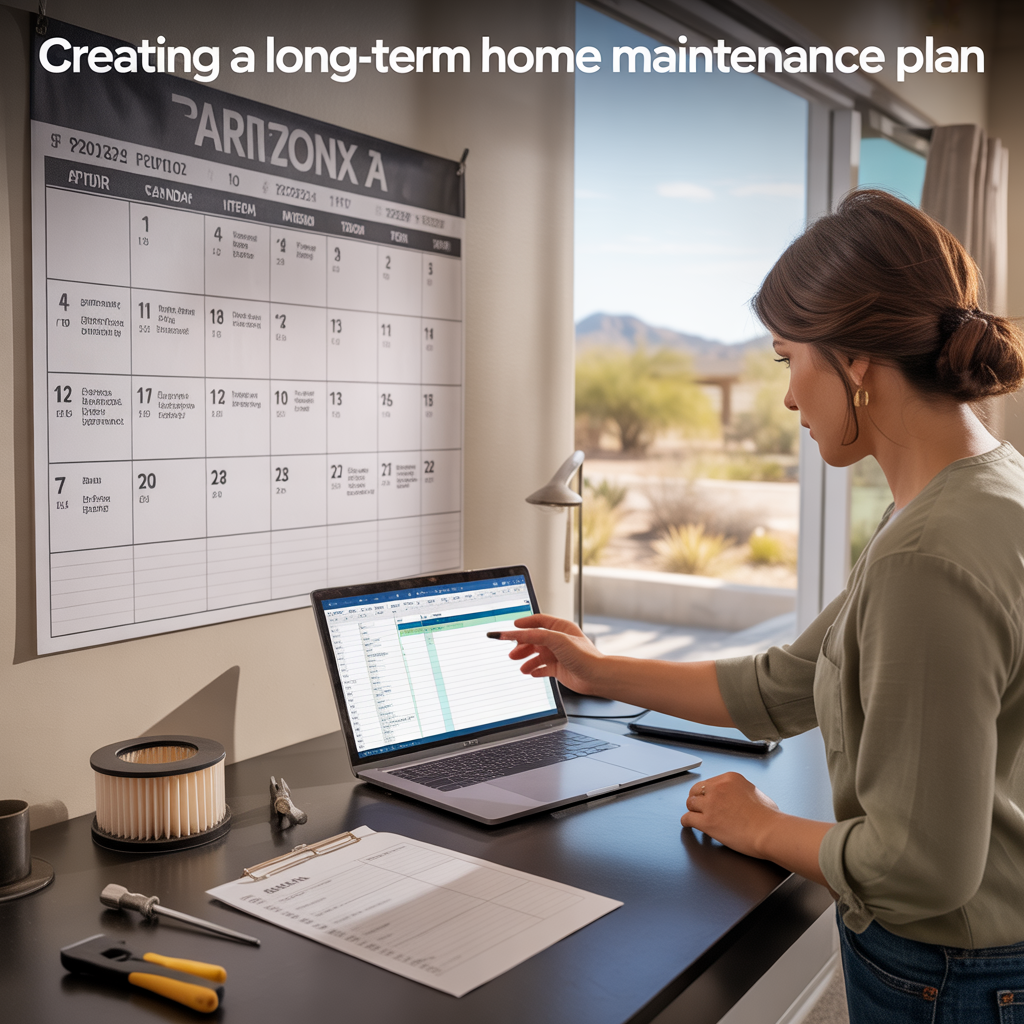
Creating a Long-Term Home Maintenance Plan
-

How Often Phoenix Homes Should Be Professionally Inspected
-
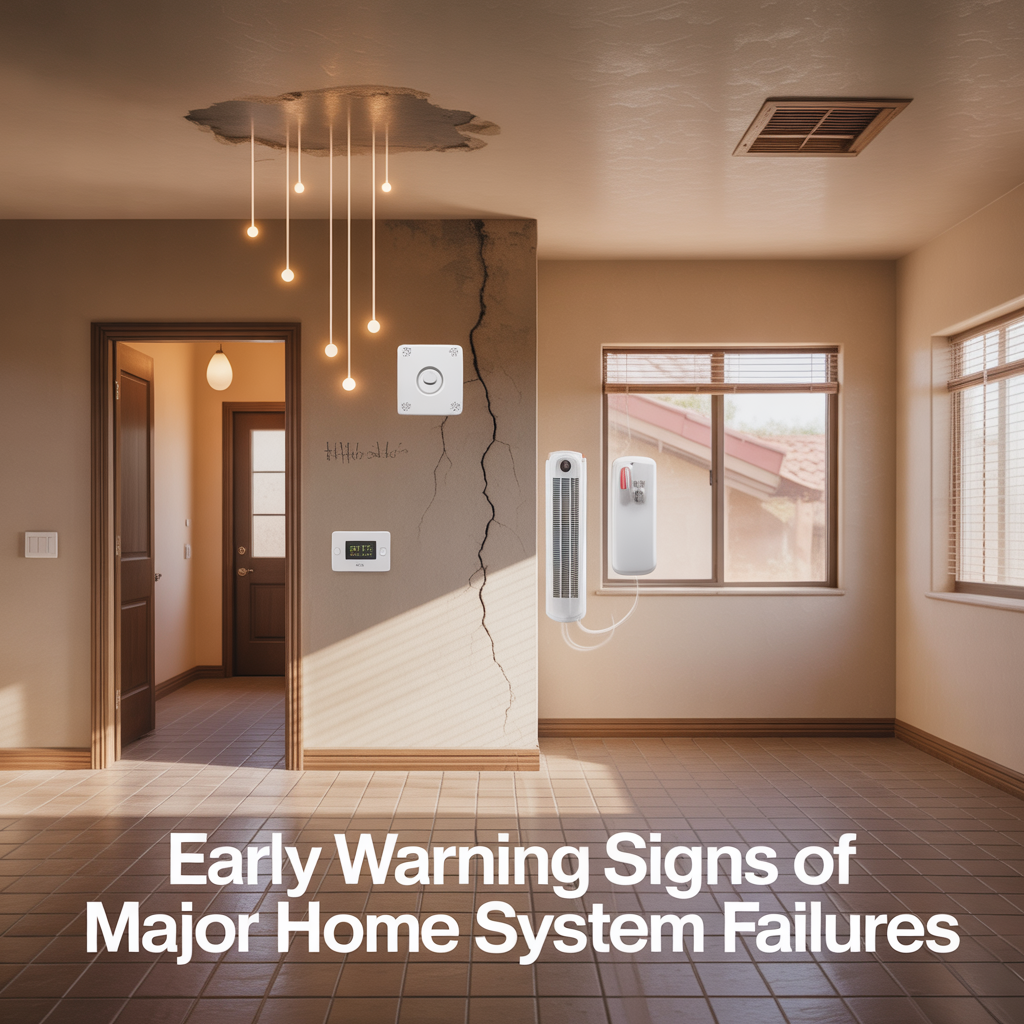
Early Warning Signs of Major Home System Failures
-

How Preventative Maintenance Protects Phoenix Property Value
-

The Best Annual Home Maintenance Plan for Phoenix Homes
-

Electrical Safety Inspections for Older Phoenix Homes
-

Why Whole-Home Surge Protection Matters in Arizona
-

Preparing a Phoenix Home for Electric Vehicle Charging
-

Signs Your Home’s Electrical System Is Overloaded
-
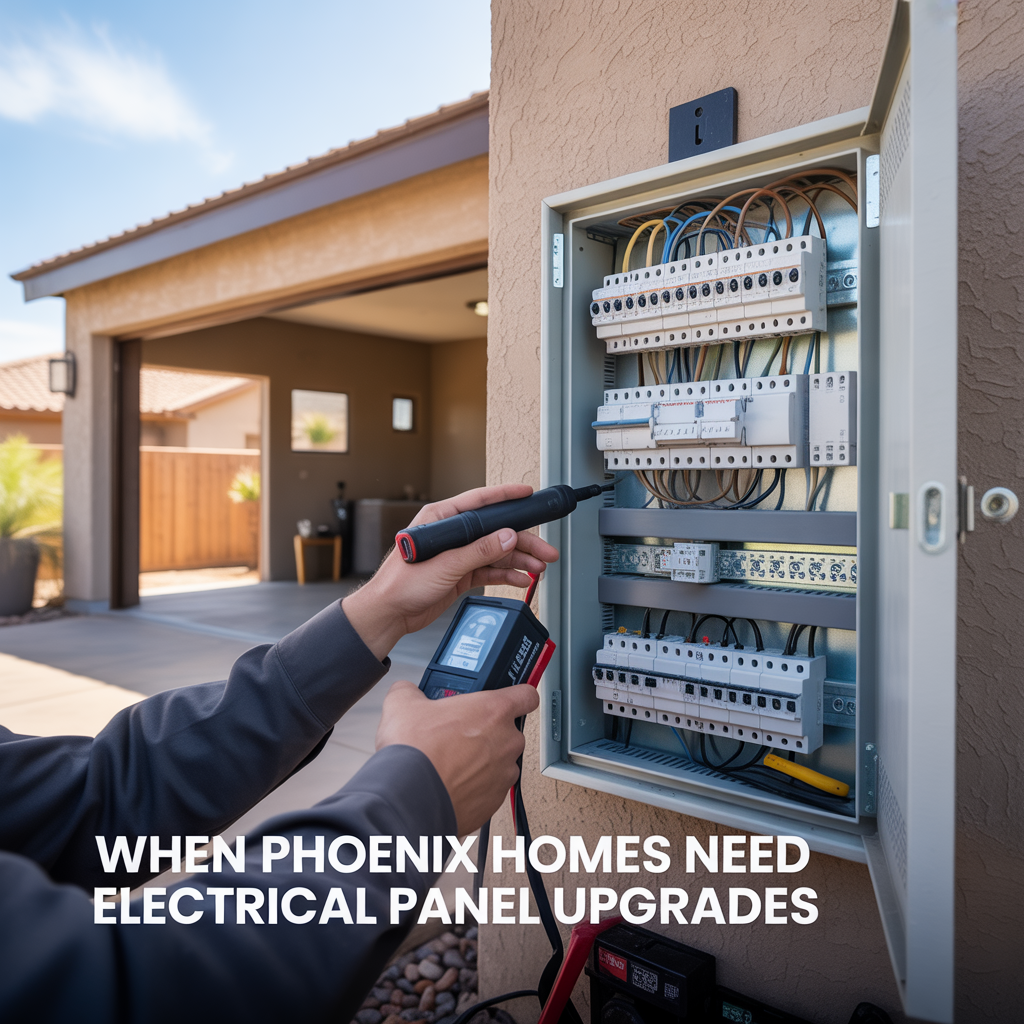
When Phoenix Homes Need Electrical Panel Upgrades
-

Water Pressure Problems in Phoenix Homes Explained
-

Preventing Irrigation Leaks That Waste Water in Desert Landscapes
-

Signs of Hidden Plumbing Leaks in Phoenix Houses
-

How Long Water Heaters Last in Arizona Homes
-

How Hard Water Affects Plumbing Systems in Phoenix Homes
-

Preventing Water Damage in Phoenix Homes During Storms
-

Roof Maintenance Tips Before Phoenix Monsoon Season
-
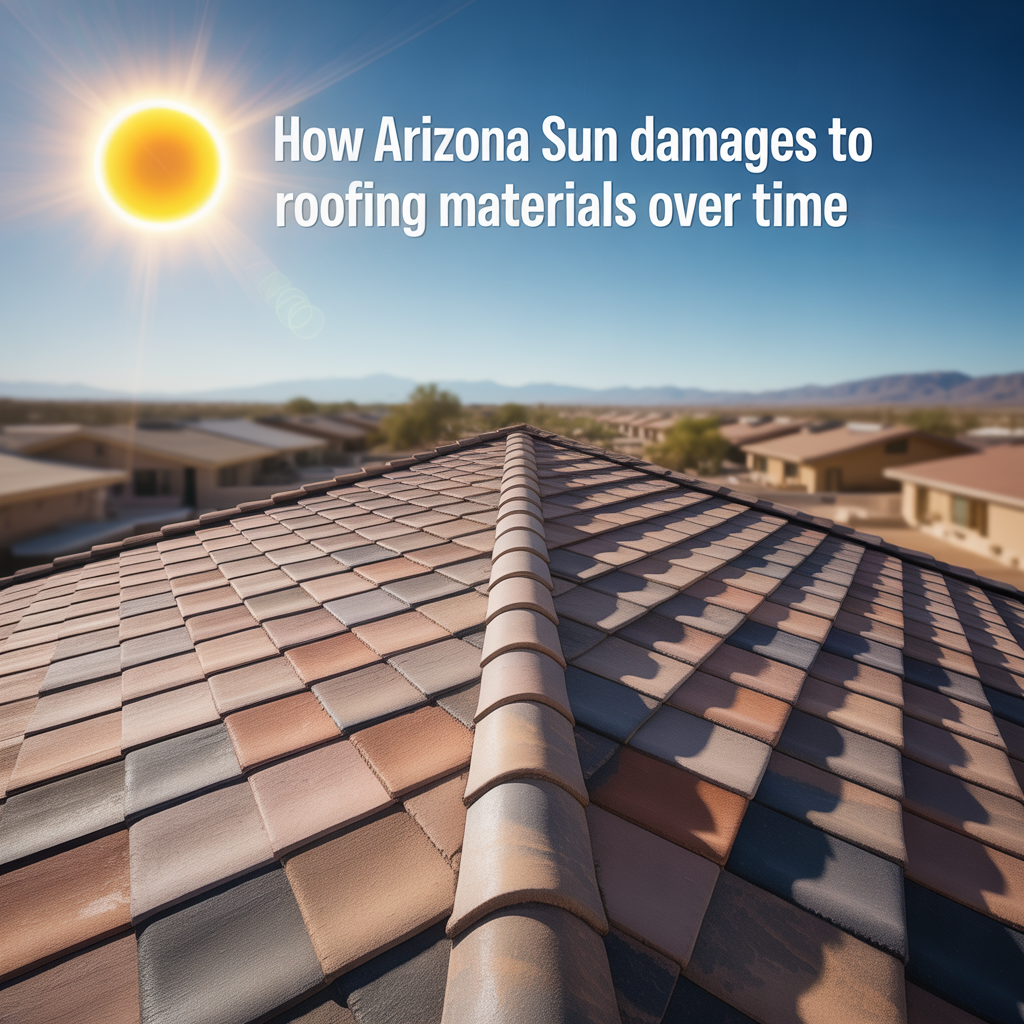
How Arizona Sun Damages Roofing Materials Over Time