



Seller Fears→ [Seller Fears] & For more info on other fears Phoenix Real Estate → [Phoenix Real Estate Fears Guide]
Written by: Renee Burke
The buyers who bail late on relocation offers are rarely reacting to square footage or inspection reports. They’re reacting to a feeling: “This might not actually be home for us.” When you understand that emotional undercurrent, you can spot the warning signs earlier and soften a lot of the turbulence before it derails your sale.
As someone who’s walked many Phoenix relocation buyers from first Zoom tour to closing table, I can tell you: the contract is just the surface. Underneath is a mix of excitement, grief, fear, and second-guessing — especially when they’re leaving family, jobs, or entire lives behind.
The Hidden Grief in “New Opportunity”
On paper, a relocation looks like a step up: better job, more space, lower cost of living. Emotionally, it’s often a slow goodbye to everything familiar.
Buyers start to wobble when:
- The reality of leaving friends, schools, or extended family finally sinks in.
- Their kids or partner become openly resistant.
- They realize holidays, support systems, and routines will all change at once.
The house then becomes the symbol of that change. If anything feels “off” — a room that’s too small, a neighborhood that doesn’t quite click — they attach that discomfort to the whole move. Backing out of the offer feels like a way to reclaim control.
As a seller, you can’t fix their grief, but you can:
- Keep communication warm and human, not just transactional.
- Share small lifestyle details that make Phoenix feel welcoming: favorite parks, local traditions, community events.
- Encourage your agent to acknowledge, not dismiss, their nerves: “It’s normal to feel torn right now. Let’s walk back through what drew you here in the first place.”
Decision Fatigue and “Did We Rush This?”
Relocation buyers make a lot of big decisions fast: sell there, buy here, choose schools, pick movers, negotiate jobs. By the time they’re under contract, they’re often emotionally exhausted. That’s when doubts get loud.
They start asking:
- “Did we overpay?”
- “Should we have seen more houses?”
- “What if the market shifts right after we close?”
Those questions aren’t just about money; they’re about fear of making an irreversible mistake in a place they don’t fully know yet.
How sellers can help:
- Keep your side of the deal steady and predictable: respond on time, avoid unnecessary drama, honor reasonable repair requests.
- If you’re willing, frame concessions as partnership, not weakness: “We’re happy to take care of X so you can feel more settled about moving forward.”
- Allow space for a second look or virtual walkthrough focused on “Are we sure?” rather than “What’s wrong?” Often, revisiting the home calmly calms the buyer too.
The “Is This Really Our Life?” Panic
Some relocation buyers have a quiet identity crisis mid-escrow. They imagined life here in abstract — sunsets, pools, mountains — and suddenly it’s very real: new culture, new climate, new pace.
Common triggers:
- A trip to the area where they notice differences in politics, lifestyle, or pace.
- Pressure from people back home questioning the move.
- Realizing they know almost no one in the new city.
The house becomes a stand‑in for that identity shift. Backing out feels like asking, “Are we really those people who live in Arizona now?”
What helps:
- Sharing authentic, everyday context: what school drop‑off feels like, how neighbors actually interact, what weekends are like for families or couples in your part of the Valley.
- If you’re comfortable, a short, kind note from you as the seller: “We moved here X years ago and had many of the same questions. Here’s what helped us feel at home.” It doesn’t need to be long — just human.
- Encouraging flexible timelines when possible (rent‑back, later closing) so they don’t feel locked into an identity overnight.
Money Jitters and “What If This Is the Wrong Market?”
Relocation buyers often carry stories from their old market. They might be coming from a cooling coastal city or a place where friends “regret buying at the peak.” Even if the numbers work, their emotional math says, “What if we’re making a terrible timing mistake?”
Late‑stage bailing can show up right after:
- Appraisal results.
- Inspection reports (even minor issues can feel huge).
- News headlines about interest rates or prices.
From your side:
- Stay calm if their anxiety flares. Emotional buyers watch your reaction closely; if you look spooked or defensive, they assume there’s more to worry about.
- Let your agent provide context rather than pushing: how common certain inspection items are here, how typical concessions look, what normal appreciation and demand patterns are.
- Where it makes sense, be willing to adjust on practical things (repairs, credits) so the house feels less like a risk and more like a safe landing.
Family Resistance Behind the Scenes
Sometimes the loudest voice isn’t on the paperwork at all. It’s the teenager who doesn’t want to leave their friends, the grandparent who’s heartbroken their grandkids are moving, or the spouse whose job relocation sparked the whole move but now feels guilty.
You’ll see this in:
- Sudden radio silence after what felt like enthusiastic progress.
- Last‑minute “We need more time to think” requests.
- Requests to see completely different areas or price points mid‑escrow.
There’s not much you can do to change those dynamics, but you can:
- Keep your home “easy to love” — clean, ready, flexible for additional visits when needed.
- Offer, through your agent, extra access for the family members who haven’t seen it yet (virtual or in‑person). Sometimes a resistant partner or parent just needs to feel included.
- Avoid taking it personally if they pull back. It’s almost never about you; it’s about their family’s internal tug‑of‑war.
When They Bail Late: Protecting Your Heart (and Next Steps)
It never feels good when a relocation buyer walks away late in the game — especially after you’ve mentally moved on. But understanding the emotional reality makes it easier not to internalize it as a rejection of your home or your worth as a seller.
A few grounding thoughts:
- They may genuinely love your home and still not be ready for the life change it represents.
- Their fear is often about their future, not your property.
- Your home may actually sell more smoothly next time to someone whose emotional timing matches the opportunity.
Practical ways to soften the blow:
- Debrief with your agent honestly: were there emotional red flags early (over‑explaining, constant “what if” scenarios, difficulty committing to dates)?
- Build extra emotional “padding” into your own plans so one fallen‑through contract doesn’t put you in crisis mode.
- Have a clear re‑list or back‑up‑buyer plan ready, so you move from disappointment to action quickly.
Helping Relocation Buyers Stay the Course (When It’s Right)
The goal isn’t to push someone to stay in a situation that isn’t right for them. It’s to support the ones who actually do want the move but are simply scared.
As a seller, you’re part of that support system when you:
- Make your home feel cared‑for and easy to step into.
- Respond with grace to genuine concerns instead of frustration.
- Offer small gestures of welcome — a list of local favorites, a note about your experience, flexibility where you can.
Those gentle, human touches often make the difference between a buyer who spirals into “We can’t do this” and a buyer who says, “We’re scared, but this feels like the right next chapter.”
If you’re thinking about making a move in Phoenix, you don’t have to figure out any of this alone. I’ve walked many sellers through the emotional ups and downs of relocation offers — from the first excited inquiry to the moments of doubt that pop up later — and helped them navigate it with calm, clarity, and a steady plan. If you’re preparing to list or you’ve already had a relocation buyer wobble, reach out. We’ll talk through your situation, protect your interests, and create a path that feels secure and supported, start to finish.
Get the full Phoenix Market Insights → [Market Insights]


-

Pool Liability and Insurance in Phoenix
-

Protecting Outdoor Structures and Shade Systems
-

HVAC Failures and Insurance Coverage
-

Roof Maintenance for Phoenix Climate Conditions
-

Preventing Water Damage in Desert Landscapes
-

How Monsoon Storms Affect Phoenix Homes
-

Why Policy Structure Matters More Than Premium
-

Understanding Coverage Limits and Exclusions
-

What Personal Property Coverage Actually Includes
-

How Liability Coverage Protects Homeowners
-

Replacement Cost vs Market Value in Phoenix Insurance
-

Understanding Deductibles Before You Need Them
-

How Renovations Affect Insurance Coverage
-

When to Review Your Home Insurance Policy
-

Why Replacement Cost Matters in Phoenix Insurance Policies
-

When a House Truly Starts to Feel Like Home
-

How Phoenix Neighborhood Living Builds a Sense of Belonging
-

Why Stability Plays a Major Role in Long-Term Home Satisfaction
-

How Familiarity Changes the Experience of Living in a Home
-

Renovate or Move? Deciding What to Do When Your Phoenix Home No Longer Fits
-

How Lifestyle Changes Affect Space Needs in Phoenix Homes
-
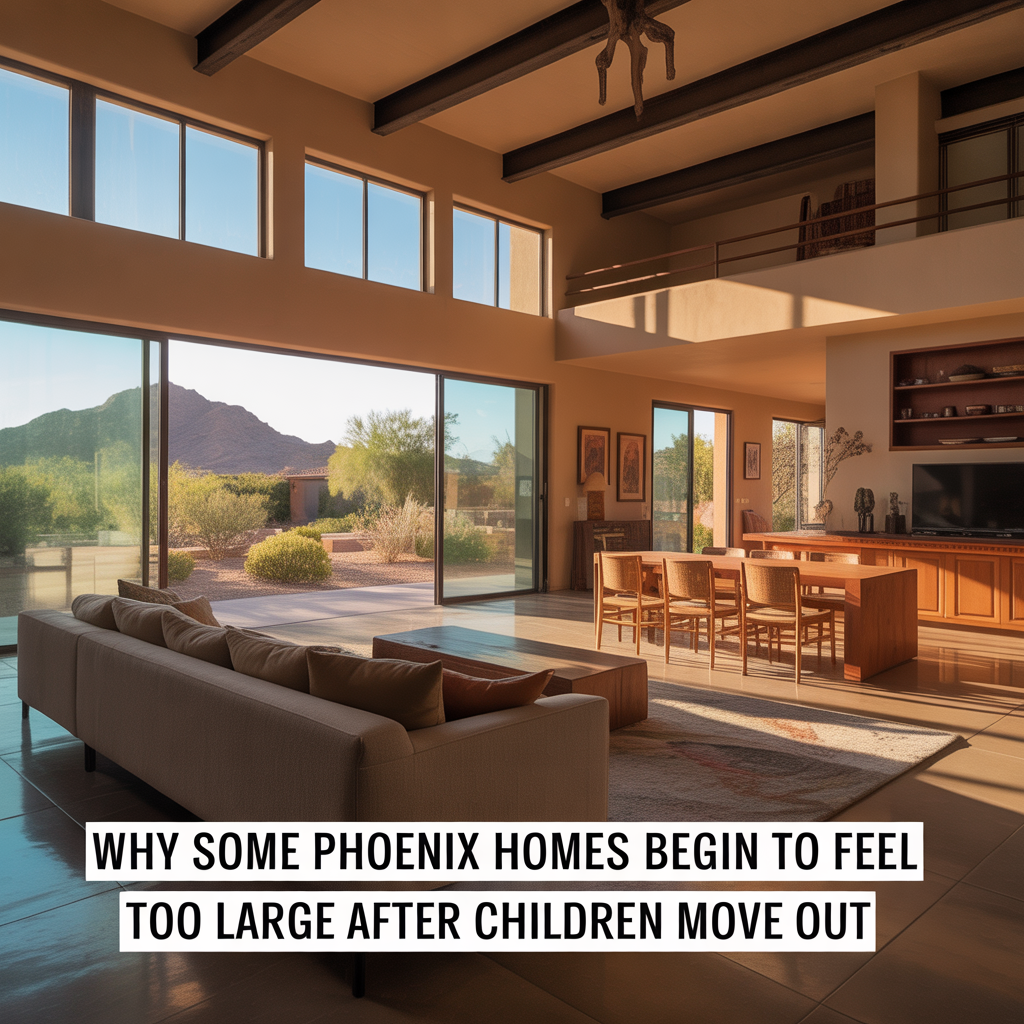
Why Some Phoenix Homes Begin to Feel Too Large After Children Move Out
-

When Homeowners Begin Considering Moving to a Larger Phoenix Home
-

Signs Your Phoenix Home Is Starting to Feel Too Small for Your Family
-

How Desert Landscaping Evolves Over Years of Phoenix Homeownership