



Buyer Fears→ [Buyer Fears] & For more info on other fears Phoenix Real Estate → [Phoenix Real Estate Fears Guide]
Written by: Renee Burke
Picking the right list price for your Phoenix home isn’t about guessing or chasing headlines—it’s about answering three foundational questions first. These cut through the noise and ground your decision in what truly matters for a confident, low-stress sale.
Question 1: Where Does Your Home Sit Among True Local Comps?
Before any number hits the MLS, pull the most relevant recent sales—your starting benchmark.
Phoenix comps aren’t just “similar homes nearby.” They’re same bedrooms/baths/sq ft, sold in the last 30–90 days, within your actual subdivision or 0.5-mile radius. Adjust for updates, lot size, pool, view, or that three-car garage buyers crave here.
Why it matters: Valley micro-markets shift fast. A Chandler tract home at $550K might comp to $540K–$560K today, while the same spec in Gilbert hits $580K because of schools or proximity to the 202 freeway.
How to answer:
- List 4–6 solds (not actives—solds reveal what buyers paid).
- Calculate your $/sq ft sweet spot (subtract 3–5% if dated finishes).
- Note concessions (today’s norm: 2–3% buyer credits in mid-range).
Your price lives here, not Zillow estimates or neighbor gossip. This range gives you 95% confidence of activity within week one.
Question 2: What’s Your True “Net” Timeline and Floor?
List price sets expectations, but net proceeds drive decisions. Define yours before emotions kick in.
Key factors unique to Phoenix sellers:
- Carrying costs: HOA fees, utilities, taxes in a 60-day market (add $1.5K–$3K/mo).
- Concessions budget: Plan 2–4% for low-6% rates; more if inspection-heavy.
- Life flex: Leaseback needs? Moving to Queen Creek or staying local?
- Floor number: After agent fees/staging, what’s your walk-away net?
Why it matters: A $600K list might net $575K after realities—fine if that funds your next chapter. But if you need $590K net, list at $625K with a plan to drop 3% at day 21 if needed.
How to answer: Run two net sheets—one “fast sale” (list lower, close quick), one “max net” (test top, adjust strategically). Phoenix’s steady demand rewards precision over greed.
Question 3: How Will Today’s Buyer Psychology Play Out in Your Price Tier?
Phoenix buyers aren’t one blob—they segment by tier, and psychology rules each.
Why it matters: Sub-$500K sees more inventory pressure (condos, outer areas); $500K–$800K family homes hold firm with transplants. Luxury waits longer but nets premiums.
How to answer:
- Match your home to tier trends (ARMLS data shows $400K–$600K most active).
- Ask: “At this price, are buyers stretching or comfortable?” Stretch = slower sale.
- Test psychology: Price to draw your buyer type—e.g., move-in ready for relocating Intel families.
Tying It Together: Your Pricing Formula
- Comps set the range (e.g., $545K–$565K).
- Net floor picks direction (aim $555K list for $530K net).
- Buyer psych tests top-end (+2% if pristine, staged for Valley light).
Example: Updated 4/2 in East Mesa comps $520K–$540K sold. You need $500K net, tier favors families. List $545K—draws showings, allows 2% drop if needed, hits floor easy.
This isn’t gambling; it’s architecture. Phoenix’s balanced market (inventory up but demand steady) gives well-priced homes a 28-day average DOM versus 67 for overpriced.
Common Mistakes to Dodge
- Skipping adjustments (dated kitchen = -5–10% vs. comps).
- Ignoring concessions (assume 2–3% baked in).
- Chasing tiers above your comps (crickets ensue).
Answer these first, and your list price becomes a magnet, not a mystery.
A Warm Next Step
These three questions turn pricing from stress to strategy—tailored to your Phoenix home, not generic rules. If you’d like, share your address or basics, and I’ll walk you through pulling comps, running nets, and matching your tier right now.
You don’t have to set a list price alone or hope it works. Reach out when ready—I’m here to make it clear, calm, and right for your move.
Get the full Phoenix Market Insights → [Market Insights]


-
Cost of Living in Rhode Island: Housing, Taxes, Utilities, and Everyday Expenses
-

What If My Commute Becomes Worse Than Expected?
-

How Aging Home Systems Affect Property Value
-

Energy Efficiency Upgrades for Phoenix Homes
-
How to Plan for Major Home System Replacements
-

When Phoenix Homeowners Should Replace Water Heaters
-

Repair vs Replace Decisions for Phoenix HVAC Systems
-
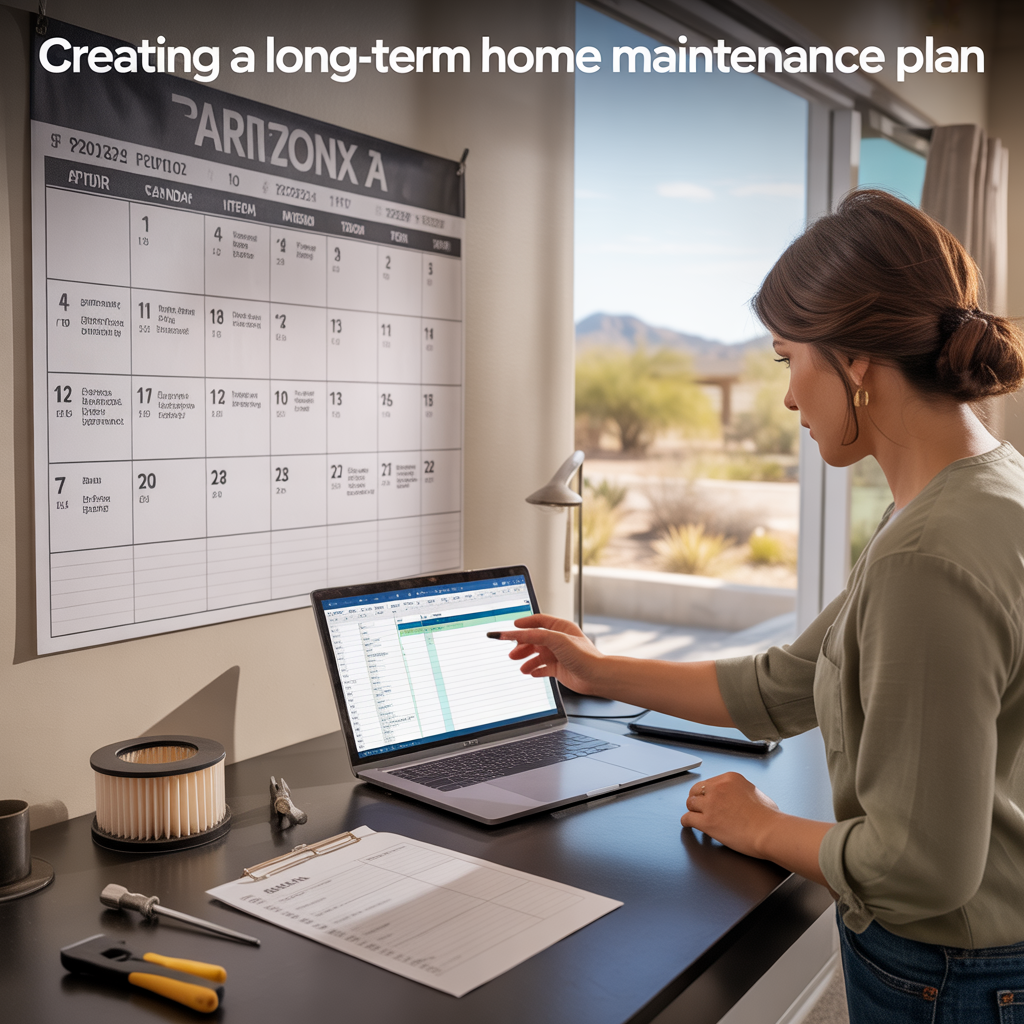
Creating a Long-Term Home Maintenance Plan
-

How Often Phoenix Homes Should Be Professionally Inspected
-
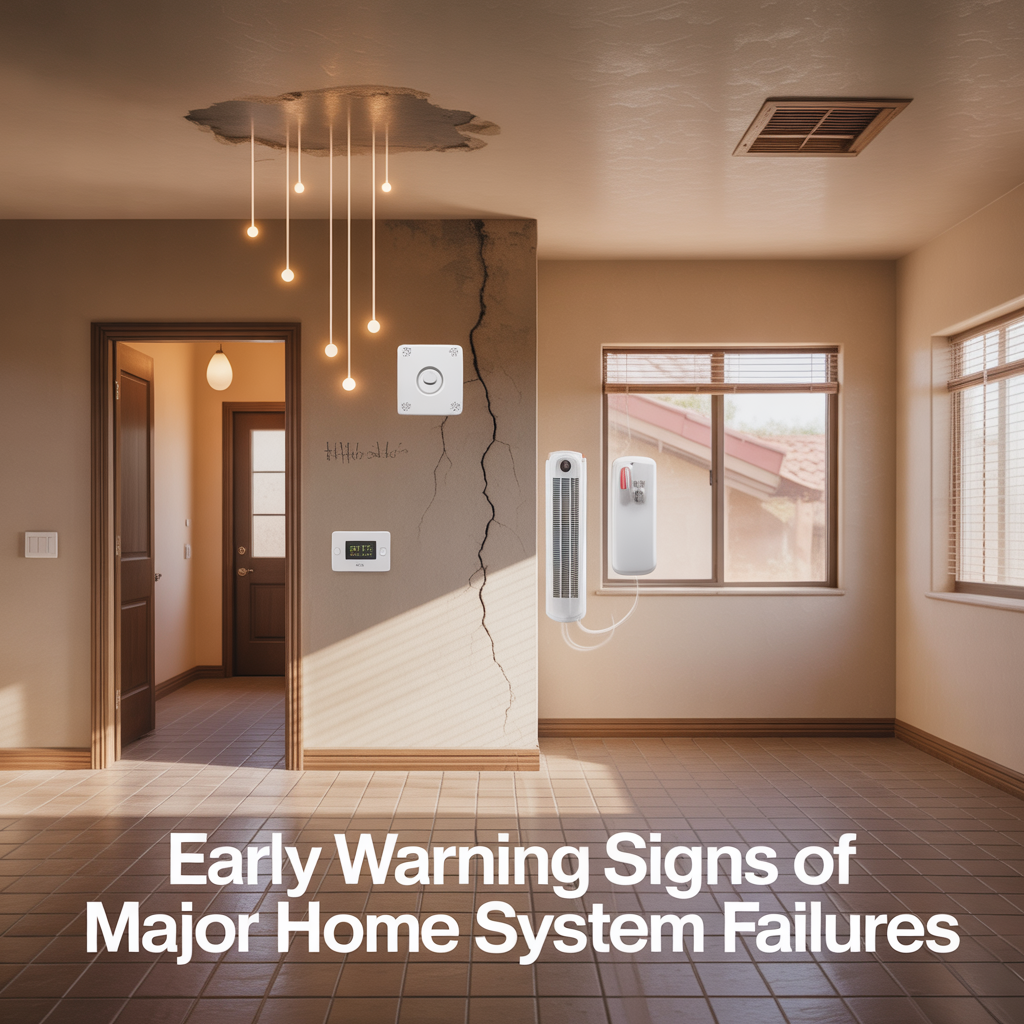
Early Warning Signs of Major Home System Failures
-

How Preventative Maintenance Protects Phoenix Property Value
-

The Best Annual Home Maintenance Plan for Phoenix Homes
-

Electrical Safety Inspections for Older Phoenix Homes
-

Why Whole-Home Surge Protection Matters in Arizona
-

Preparing a Phoenix Home for Electric Vehicle Charging
-

Signs Your Home’s Electrical System Is Overloaded
-
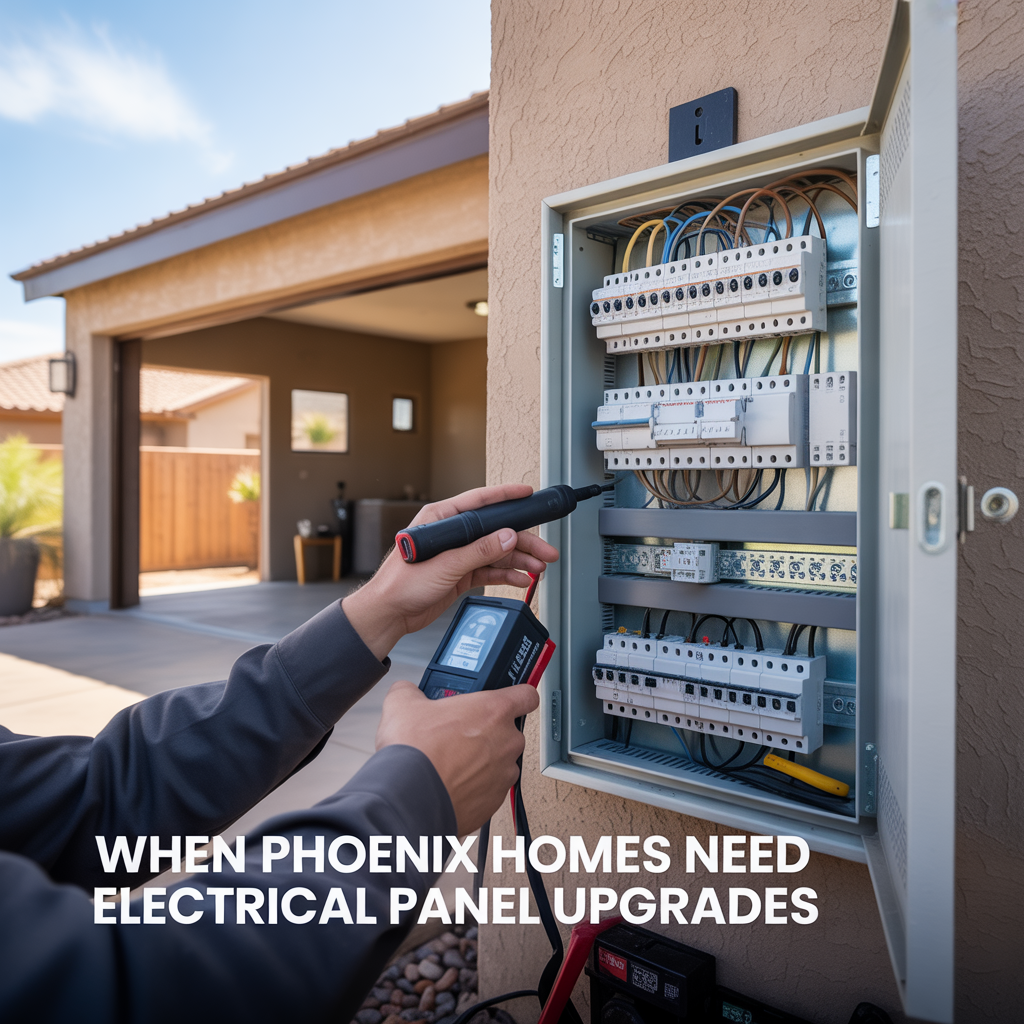
When Phoenix Homes Need Electrical Panel Upgrades
-

Water Pressure Problems in Phoenix Homes Explained
-

Preventing Irrigation Leaks That Waste Water in Desert Landscapes
-

Signs of Hidden Plumbing Leaks in Phoenix Houses
-

How Long Water Heaters Last in Arizona Homes
-

How Hard Water Affects Plumbing Systems in Phoenix Homes
-

Preventing Water Damage in Phoenix Homes During Storms
-

Roof Maintenance Tips Before Phoenix Monsoon Season
-

How Arizona Sun Damages Roofing Materials Over Time