


Seller Fears→ [Seller Fears] & For more info on other fears Phoenix Real Estate → [Phoenix Real Estate Fears Guide]
Written by: Renee Burke
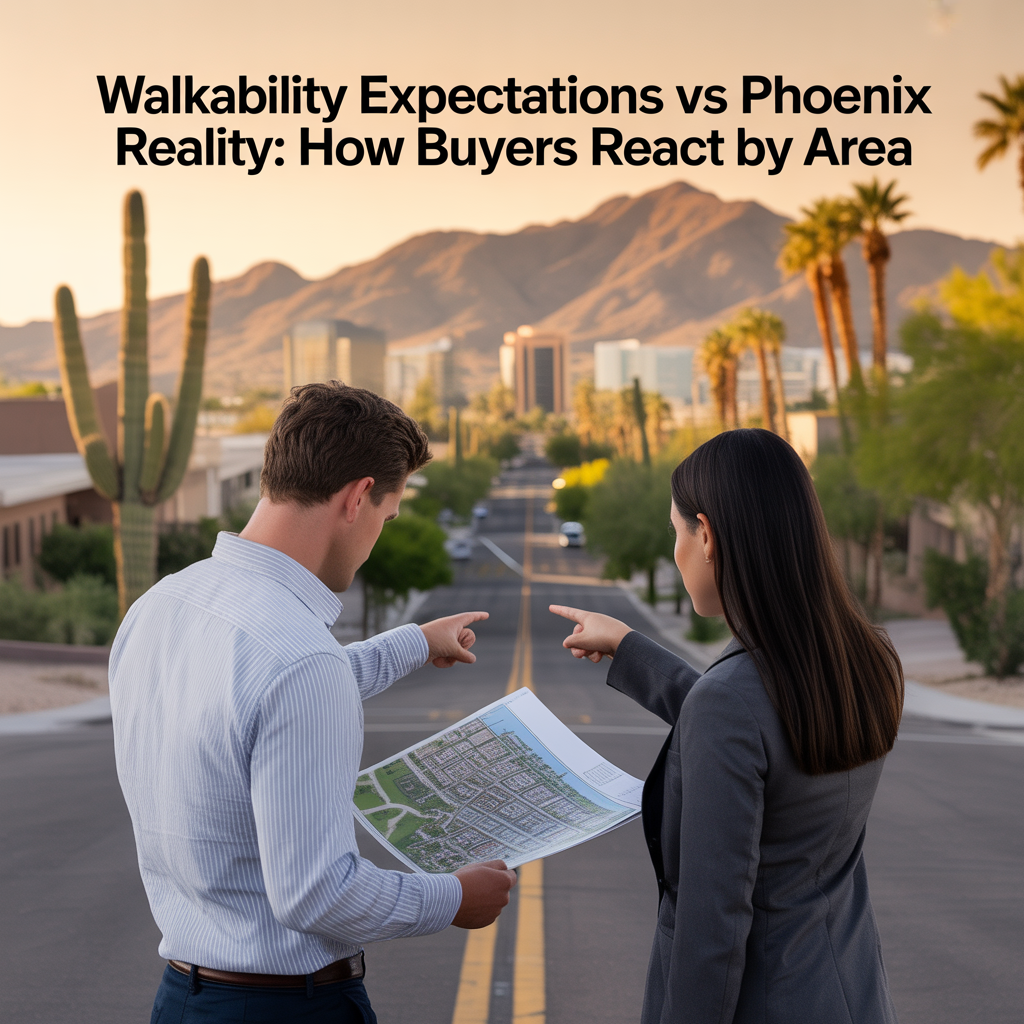
I still remember the first time I showed a home to a couple relocating from Portland — they’d scanned Zillow for months, dreaming of tree-lined streets where they could stroll to coffee shops with their dog, just like back home. When we pulled into a pristine Gilbert cul-de-sac, their faces fell: beautiful, yes, but where were the sidewalks to anywhere? Phoenix walkability catches so many off-guard because our city grew around freeways and family privacy, not corner cafes. As someone who’s fielded these reactions across the Valley for years, I can guide you through what buyers expect, what they find, and how to set the right tone in your listing.
The reality? Phoenix averages a Walk Score of 41 — car-friendly by design, with pockets of true walkability amid vast suburban charm. Out-of-state buyers arrive with urban ideals; locals know our version shines in trails, golf carts, and quick drives. Understanding reactions by area helps sellers highlight strengths, easing disappointment into delight.
Downtown Phoenix: Exceeds Expectations, Sparks Joy
Buyers from Chicago or Seattle expect gritty bustle and get vibrant energy instead. Downtown’s Walk Score of 85 means restaurants, Footprint Center, and Roosevelt Row galleries are steps away — no car needed for date nights or Suns games. New condos and lofts blend historic charm with modern perks, drawing young pros who message me, “This feels like city life, but with mountains.”
Reality check: It’s loud, parking’s tight, and summers mean 110-degree walks. But reactions glow — “Finally, a place to live, not just sleep!” — especially post-concert strolls home. Sellers shine here: “Walk to coffee at Lux Coffeebar or the Light Rail in minutes — urban Phoenix at its welcoming best.”
Historic Core (Garfield, Coronado, Eastlake Park): Romantic Ideals Meet Reality
These neighborhoods (Walk Scores 73-79) lure buyers picturing vintage bungalows and neighborhood vibes. Garfield’s murals and Eastlake Park’s historic greenery deliver; couples adore wandering to Welcome Diner or the namesake park. Coronado’s restored homes whisper “charming enclave,” and buyers often text mid-tour: “This feels walkable without feeling chaotic.”
The gap? Sidewalks end abruptly, and amenities cluster in bursts — not every block has a grocer. Heat shrinks strolling to dawn/dusk. Reactions split: romantics fall in love; families note, “Sweet, but we’ll drive for Target.” List it as: “Stroll tree-shaded streets to local eateries and cultural gems — historic heart with modern ease.”
Central Phoenix (Willo, Uptown): Pleasant Surprises for Balanced Livers
Walk Scores hover 65-70 here, blending quiet residential with Biltmore Fashion Square access or Arizona Canal Trail walks. Buyers expecting suburbia find cafes like Welcome Diner and parks within reach; empty-nesters love piroshki runs on foot. It’s “walkable enough” for daily errands without downtown density.
Expectations falter on grocery proximity — Safeway’s a short drive. Reactions: “More connected than I thought!” from Californians, who appreciate canal paths for evening loops. Sellers frame it: “Enjoy Uptown’s shops and trails on foot, with freeways minutes away — best of walkable and convenient.”
East Valley (Gilbert, Chandler, Mesa): Family-Friendly, But Drive-Dependent
Here’s where the disconnect peaks. Families from Midwest suburbs crave safe streets for kids biking to friends; Gilbert’s Walk Score averages 30-40, with master-planned trails but distant stores. Buyers arrive hopeful, then realize Top Golf or SanTan Village needs wheels — “It’s gorgeous, but where’s the corner market?”
Reality delights in pockets: Agritopia’s farm-to-table walks or Downtown Gilbert’s Friday night lights. Reactions vary — young families adapt via golf carts (“Our new normal!”), while urban transplants hesitate. Emphasize: “Community paths connect playgrounds and pools; 5 minutes to Gilbert Regional Park — Valley family life perfected.”
West Valley (Surprise, Buckeye, Peoria): Rural Charm, Zero Walk Scores
Suburban dreams crash here. Neighborhoods like Preserve at Boulder Mountain score 0 on Walk Score — stunning desert views, but groceries mean 10-mile drives. Buyers from denser areas gape: “No sidewalks? How do people visit neighbors?” Yet hiking trails to Deem Hills thrill adventurers.
Reactions: Shock turns to acceptance for remote workers valuing space (“We love the quiet drives”). Retirees embrace golf cart paths. Sellers reassure: “Endless trails from your door, with Lake Pleasant 15 minutes away — space to breathe, not pavement to pound.”
North Scottsdale/Fountain Hills: Luxury Expectations, Trail-Focused Reality
High-end buyers want “walkable to spas” like Aspen; instead, Walk Scores dip to 20-40 amid gated estates. Paradise Valley trails offer luxury rambles, but dining’s a drive. “Stunning, but isolated” is common feedback, softened by McDowell Sonoran Preserve access.
Reactions: Affluent relocators pivot to “secluded serenity,” loving dawn hikes. List as: “Private trails rival city parks; Old Town Scottsdale 10 minutes — elite living with nature at hand.”
South Phoenix/Ahwatukee: Emerging Pockets Amid Vast Suburbs
Laveen’s Walk Score ~2 underscores car culture, but Ahwatukee’s community centers and South Mountain trails surprise. Buyers expect barren; find playgrounds and coffee walks. Reactions: “More community than meets the map!” from practical families.
Highlight: “Neighborhood parks steps away, I-10 for quick escapes — South Valley soul with easy access.”
East Mesa/Queen Creek: Growth Closing the Gap
Rapid expansion boosts walkability in Eastmark (trails galore) vs. traditional 20s scores elsewhere. Families love community lakes; urbanites note drive-times to Superstition Springs. “Promising, but wheels needed” sums reactions. Sell the vision: “Planned paths to schools and markets — future-forward family haven.”
How Sellers Bridge the Expectation Gap
Lead listings with honest Walk Scores and custom maps: “Walk Score 35, but 2-minute drive to Sprouts — our Valley rhythm.” Virtual tours demo trailheads; buyer guides compare “Portland stroll vs. Phoenix path.” Virtual reality overlays show “your daily walk” — coffee run or desert sunset.
Address head-on: “Phoenix prioritizes privacy and play over pavement — discover golf carts, e-bikes, and trails that fit our sun-soaked life.” Reactions flip from doubt to “I get it now.”
Setting Expectations That Build Trust
Walkability in Phoenix isn’t failing expectations — it’s a different promise: vast horizons, safe streets, trails over traffic. Buyers who adjust thrive, trading corner delis for mountain sunrises and community pools.
If you’re thinking about making a move in Phoenix, you don’t have to figure it out alone. I’ve helped dozens navigate these realities with clarity and care, turning questions into confidence. Reach out anytime — let’s map the perfect fit for your Valley life together.
Get the full Phoenix Market Insights → [Market Insights]


-

Designing Outdoor Living Spaces for Phoenix’s Unique Climate
-

How Pools and Shade Structures Change Backyard Living in Phoenix
-

Why Covered Patios Are One of the Most Valuable Features of Phoenix Homes
-

How Phoenix Homeowners Transform Their Outdoor Living Spaces Over Time
-
Ways Phoenix Homeowners Improve Indoor Comfort Over Time
-

How Long Cooling Seasons Influence Phoenix Home Design
-

How Phoenix Summer Heat Changes Daily Life Inside the Home
-

How Long-Term Homeowners Adjust Layouts to Fit Changing Needs
-

Converting Spare Bedrooms Into Home Offices in Phoenix Homes
-

How Life Stage Changes Affect the Way Phoenix Homes Are Used
-

When Homeowners Start Rethinking Space Inside Their Phoenix Home
-
How Phoenix Homes Adapt to Growing Families Over Time
-

How Local Parks, Restaurants, and Shops Shape Life in Phoenix Neighborhoods
-

Why Long-Term Residents Experience Neighborhoods Differently Than New Buyers
-

How Phoenix Communities Shape Everyday Life for Local Residents
-
Why Neighborhood Familiarity Improves Long-Term Home Satisfaction
-
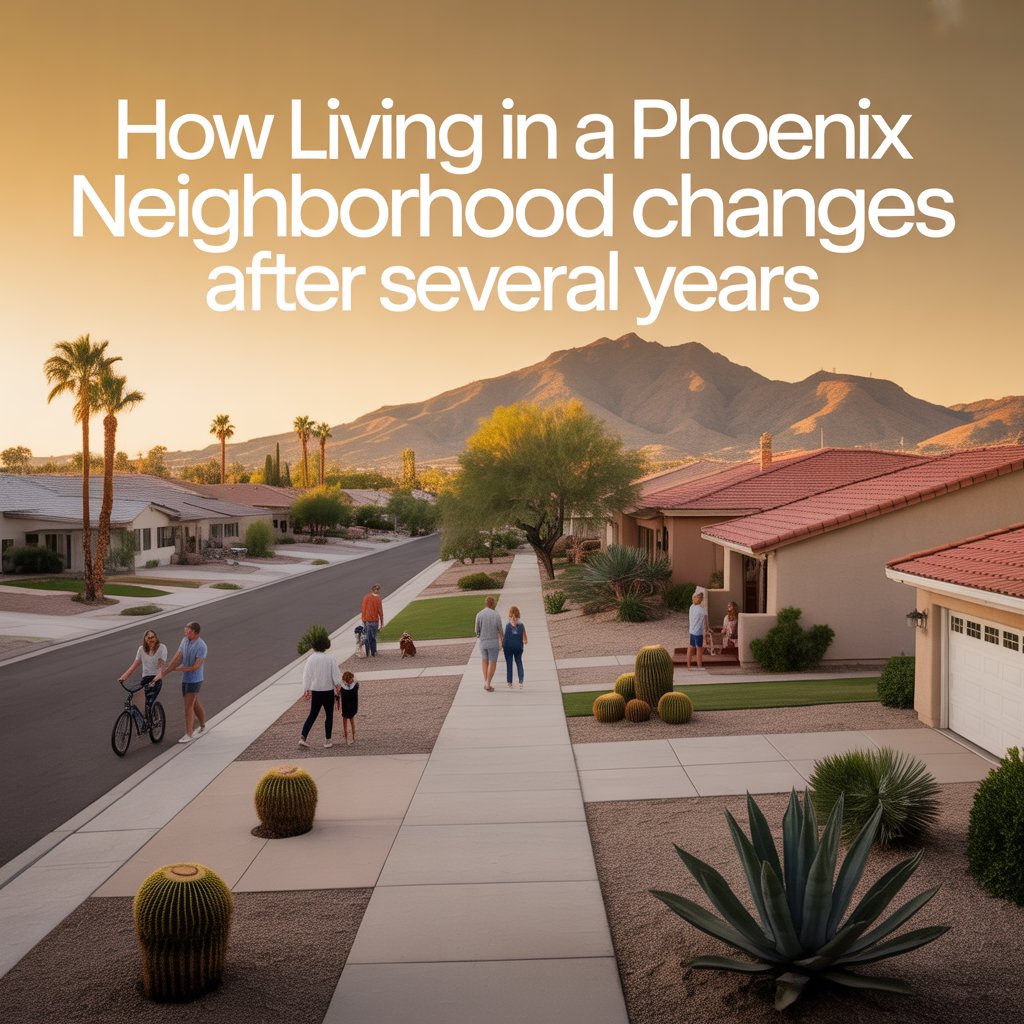
How Living in a Phoenix Neighborhood Changes After Several Years
-
Why Desert Climate Living Changes Homeownership Expectations
-
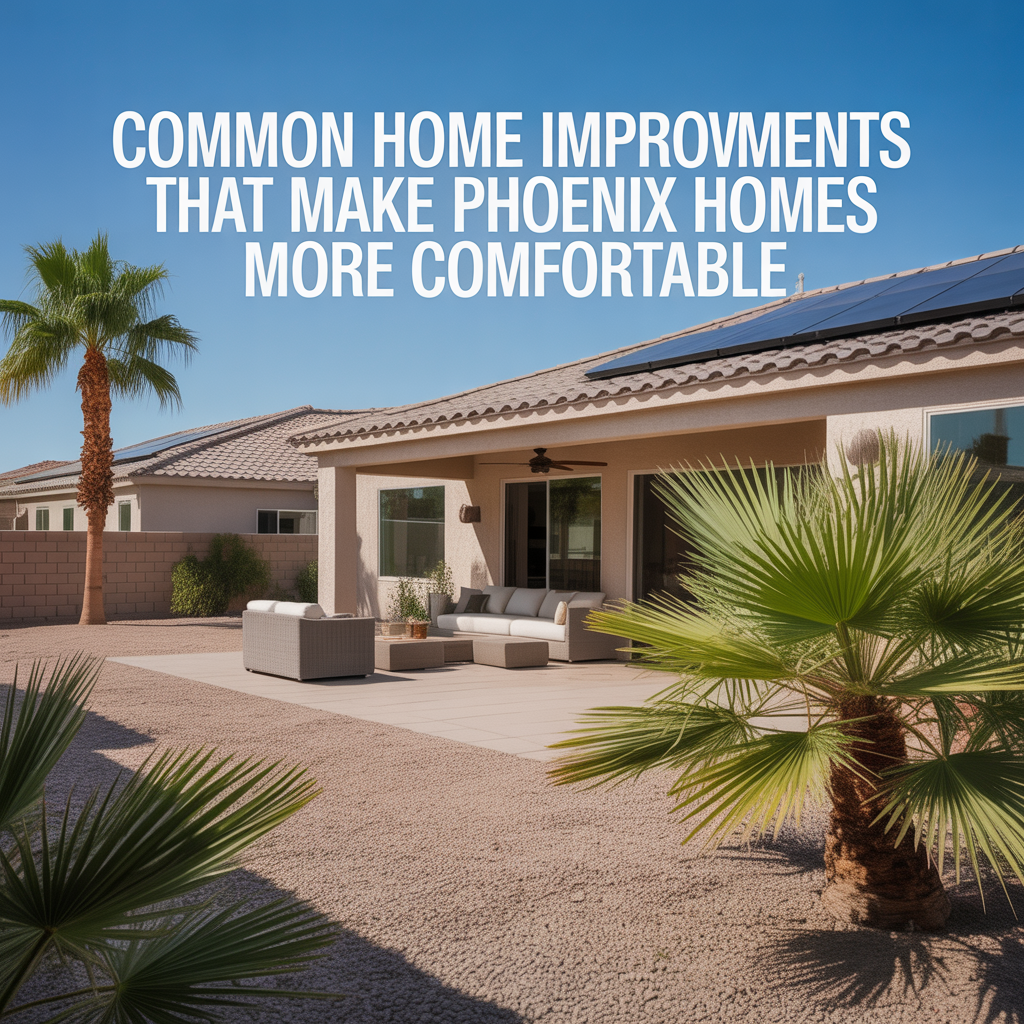
Common Home Improvements That Make Phoenix Homes More Comfortable
-

How Extreme Summer Heat Changes the Way Phoenix Homes Are Used
-
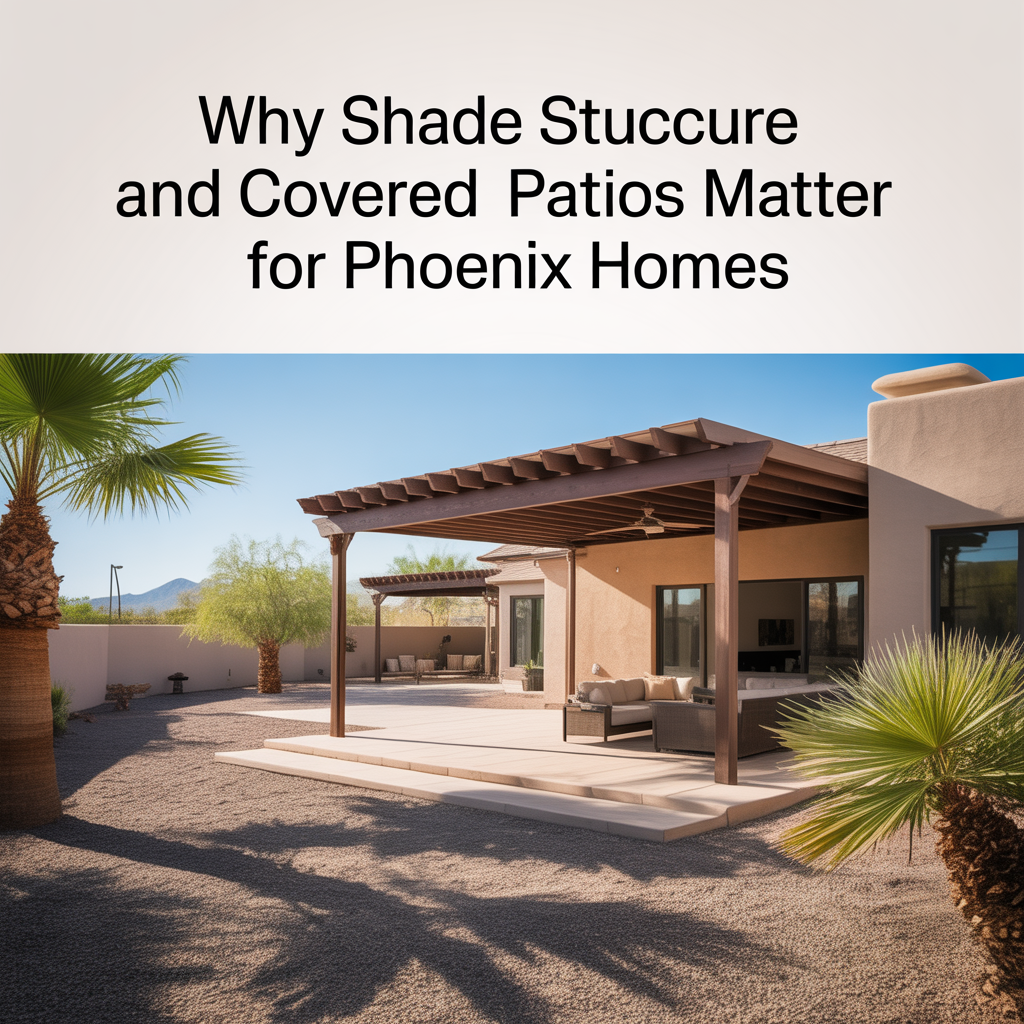
Why Shade Structures and Covered Patios Matter for Phoenix Homes
-

Cost of Living in Phoenix: Housing, Utilities, and Everyday Expenses
-

The Best Neighborhoods in Phoenix for Lifestyle, Schools, and Value
-

Homes for Sale in Phoenix Under $650K: Where Buyers Are Still Finding Deals
-

Phoenix Housing Market Forecast: Will Home Prices Rise or Fall?