



Buyer Fears→ [Buyer Fears] & For more info on other fears Phoenix Real Estate → [Phoenix Real Estate Fears Guide]
Written by: Renee Burke
Days on market, or DOM, is one of those metrics that can feel a bit abstract at first glance, but in our Phoenix market, it’s a quiet signal of how much breathing room you have as a seller. I’ve watched it shift over seasons and neighborhoods, always tying back to buyer confidence, inventory levels, and that distinct Valley rhythm we all know so well.
Let me walk you through what it truly reveals about your leverage right now, in early 2026, so you can see the full picture with calm clarity.
DOM Basics: The Pulse of Phoenix Sales
Simply put, DOM measures how long a home stays listed before going under contract — from the day it hits the MLS until an offer is accepted. In Phoenix, it’s not just a number; it reflects our snowbird waves, summer lulls, and family-driven springs.
Lower DOM (under 45 days) signals strong seller leverage: multiple offers, quicker closings, less stress. Higher DOM (over 60 days) tips toward buyers, who have time to negotiate repairs, concessions, or price. As of January 2026, metro-wide medians hover around 69-80 days, up from prior years’ 66-72, showing a market easing into balance with 4.8 months of supply.
This isn’t a crash — it’s recalibration, giving thoughtful sellers an edge when they price and present right.
Low DOM: Your Power Position (Under 45 Days)
When homes sell in 30-45 days or less — common in winter peaks like our current February — you hold the cards. Buyers compete, often waiving appraisals or escalating over list, netting sellers 98-100% of asking (or more). Think move-in-ready family homes in Gilbert or cash-ready retirees targeting Sun City.
In these windows, concessions drop; you dictate terms on closing costs or possession. East Valley spots like Chandler see this most in Q1, where school-year timing amps demand. Leverage here means confidence: list strong, stage for lifestyle (shaded patios, open kitchens), and watch offers roll in.
Moderate DOM: Balanced Negotiation (45-60 Days)
The 45-60 day sweet spot, typical in spring (April-May) or fall rebounds, is where most Phoenix sales live now. January 2026 data shows medians at 69-75 days metro-wide, but well-priced homes in Arcadia or Desert Ridge still hit 50-55.
Seller leverage softens but doesn’t vanish — expect 1-2 offers, some flexibility on minor repairs, sale-to-list around 97-98%. Buyers are serious but selective, favoring updated 1980s Mesa ranchers or single-stories in Peoria. Your edge? Local staging that whispers “Phoenix living” — pool views, trail access — to stand out in 18,000+ active listings.
This range rewards preparation: price to comps, highlight energy-efficient upgrades, and you maintain solid control.
High DOM: Buyer’s Turn (60+ Days)
Over 60 days — like January’s 69-80 average or summer’s 67+ — shifts leverage buyer-ward. With 4.8 months supply, they shop leisurely, pushing for 1-3% discounts, full inspections, or credits. Luxury in Paradise Valley or over-improved fixes in Surprise often linger here.
Not a red flag for every home — pools, east-facing lots still move faster — but it signals adjustment time. Sellers adapt by repricing 5-7% early or adding incentives like carpet allowances. In West Valley retiree havens, high DOM reflects pickiness, not weakness.
Why DOM Varies Across the Valley
Phoenix’s sprawl creates micro-leverages. East Valley families drive low DOM in school seasons; West Valley snowbirds quicken winter sales. Central Phoenix holds steadier at 50-60 days, less weather-tied. Median price dips (now $450k-$458k, down 2-5% YoY) elongate DOM for higher-end, but equity from 2021 gains cushions most.
Seasonality amplifies: Winter shrinks it to 34-42; summer stretches to 67. Track your comps — a 1990s Tempe gem at 40 DOM signals strength, even in balanced times.
Reading DOM for Your Leverage Playbook
DOM tells leverage through trends, not snapshots. Rising from 66 to 72-80 days? Buyers have options, but tight supply (under 6 months) keeps you competitive. Pair it with months of supply and sale-to-list for the real story.
For sellers: Low DOM = hold firm. High? Prep aggressively — pro photos, declutter, virtual tours for out-of-staters. Always, lifestyle sells: Frame your home as the backdrop for foothill sunsets or Queen Creek farmers markets.
Leverage Beyond the Numbers
Ultimately, DOM reflects market mood, but your story — downsizing to Fountain Hills, upsizing in Verrado — sets your timing. Phoenix’s resilience (job growth, sunshine draw) ensures no true “buyer’s takeover,” just smarter plays.
Let’s Decode Your DOM
If days on market has you wondering about leverage in your neighborhood, I’m here to break it down personally. You don’t navigate this alone — let’s review your comps, equity, and strategy for the confidence you deserve.
Reach out anytime; together, we’ll turn the numbers into your clear next step.
Get the full Phoenix Market Insights → [Market Insights]


-

Pool Liability and Insurance in Phoenix
-

Protecting Outdoor Structures and Shade Systems
-

HVAC Failures and Insurance Coverage
-

Roof Maintenance for Phoenix Climate Conditions
-

Preventing Water Damage in Desert Landscapes
-

How Monsoon Storms Affect Phoenix Homes
-

Why Policy Structure Matters More Than Premium
-

Understanding Coverage Limits and Exclusions
-

What Personal Property Coverage Actually Includes
-

How Liability Coverage Protects Homeowners
-

Replacement Cost vs Market Value in Phoenix Insurance
-

Understanding Deductibles Before You Need Them
-

How Renovations Affect Insurance Coverage
-

When to Review Your Home Insurance Policy
-

Why Replacement Cost Matters in Phoenix Insurance Policies
-

When a House Truly Starts to Feel Like Home
-

How Phoenix Neighborhood Living Builds a Sense of Belonging
-

Why Stability Plays a Major Role in Long-Term Home Satisfaction
-

How Familiarity Changes the Experience of Living in a Home
-

Renovate or Move? Deciding What to Do When Your Phoenix Home No Longer Fits
-

How Lifestyle Changes Affect Space Needs in Phoenix Homes
-
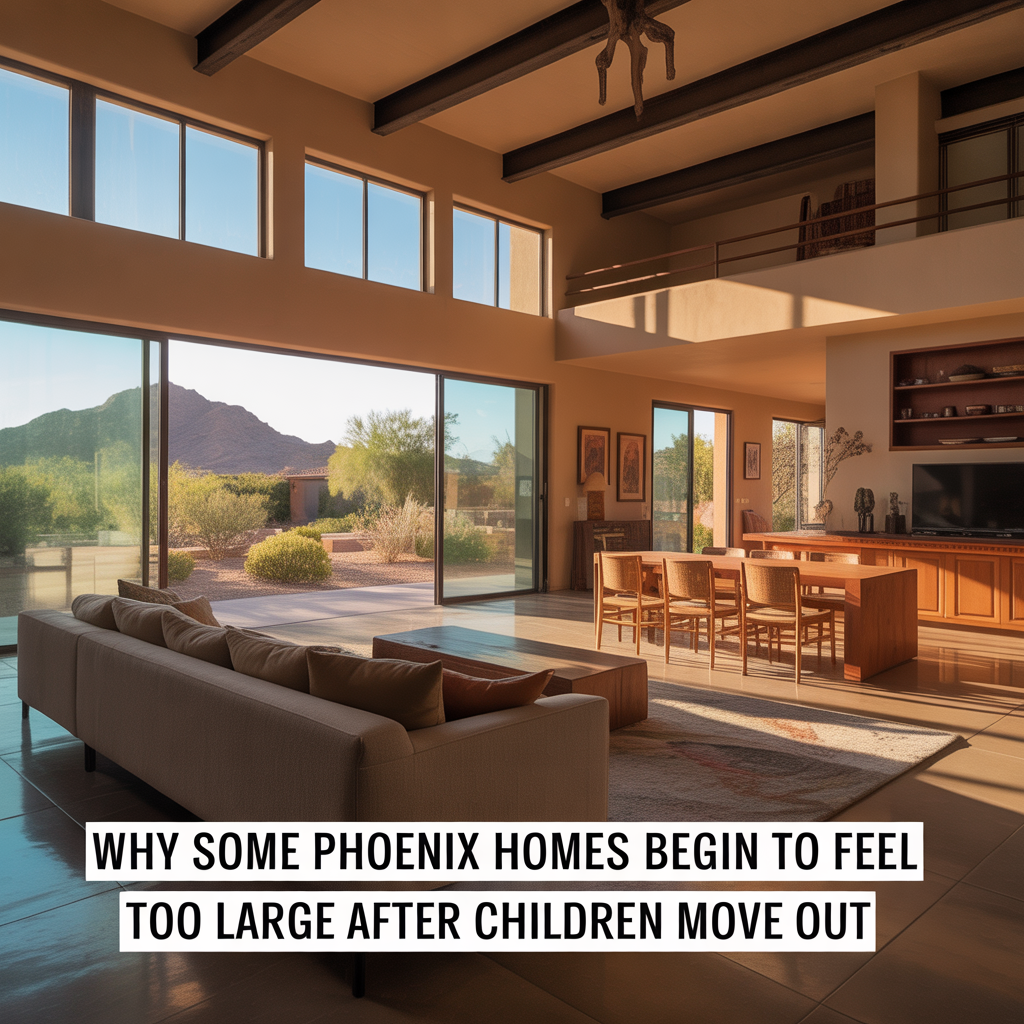
Why Some Phoenix Homes Begin to Feel Too Large After Children Move Out
-

When Homeowners Begin Considering Moving to a Larger Phoenix Home
-

Signs Your Phoenix Home Is Starting to Feel Too Small for Your Family
-

How Desert Landscaping Evolves Over Years of Phoenix Homeownership