



Buyer Fears→ [Buyer Fears] & For more info on other fears Phoenix Real Estate → [Phoenix Real Estate Fears Guide]
Written by: Renee Burke
I’ve sat across from enough worried sellers in the Valley to know that “healthy reserves” isn’t just accounting jargon—it’s the quiet foundation of buyer confidence. When an HOA’s reserves dip below 70% funded, it’s not an abstract problem; it signals potential special assessments, deferred maintenance, and shaky finances that ripple straight into your sale. In Phoenix metro’s family-oriented communities like those in Gilbert or Chandler, buyers spot this early and react swiftly, often walking away or lowballing.
You don’t have to live through that stress. Let me guide you through the realities, risks, and how to spot—and soften—the impact before it hits your listing.
Signs of an Underfunded HOA
Arizona HOAs must complete reserve studies every few years, projecting costs for roofs, pools, stucco, and AC systems—essentials in our desert climate. Underfunded means reserves cover less than those projections, often from skipped contributions, unexpected monsoons, or overly optimistic boards.
Look for tells in your resale packet: reserves under 50% funded, no recent study, or minutes debating “deferrals.” In older Mesa or Peoria HOAs, aging infrastructure amplifies this; newer Queen Creek builds fare better but still falter if dues stayed flat.
Seller Risks You Can’t Ignore
Underfunding doesn’t wait for your closing—it shadows your entire process.
Special assessments loom large. Boards hit owners with one-time bills—$2,000–$10,000 per unit—for roof replacements or paving. I’ve seen Gilbert sellers absorb these mid-escrow, delaying close by weeks as buyers reassess affordability.
Longer days on market. Discerning Valley buyers (often CA relocators) demand 80%+ funding. Low numbers trigger inspection contingencies, financing hiccups, or outright withdrawals. Your pristine Chandler townhome? Suddenly competing against better-funded comps 5% below ask.
Value erosion. Lenders scrutinize reserves; under 30% can spike rates or kill VA/FHA loans. Buyers negotiate down 3–7%, citing “future dues hikes” to rebuild funds. In competitive north Phoenix, this drops you from multiple offers to stale pricing.
Legal and board drama. Minutes revealing lawsuits or board fights scare families seeking stability. Sellers face personal liability if disclosures miss material issues, though rare.
Non-HOA sellers sidestep this, but HOA life means shared fate—your neighbor’s delinquency drains everyone.
How Buyers React in Our Market
Buyers aren’t heartless; they’re protecting their nest egg amid Phoenix’s 5–7% annual appreciation.
Immediate red flags. Families flip to “no” on under 60% reserves, fearing AC overhauls post-summer. Investors bolt if rental viability tanks from fee uncertainty.
Negotiation leverage. Expect demands: seller credits for potential assessments, price cuts matching projected shortfalls, or escrow holdbacks. A Peoria buyer once shaved $15K off a $450K offer citing a $200K reserve gap.
Walkaways mid-review. During the 5–10 day doc review, calm turns to panic. “Why invest in a sinking ship?” they think, eyeing non-HOA freedom nearby.
East Valley buyers prioritize playground upkeep; West Valley, parking lots. All hate surprises in our predictable market.
Real Phoenix Examples I’ve Navigated
Picture a Chandler resale: 45% funded reserves, aging pool. Buyers loved the floor plan but demanded $8K credit after spotting deferred stucco in the study. We disclosed early, priced proactively, and closed—lesson learned.
Contrast a well-funded Gilbert gem: 92% reserves, fresh study. Multiple offers over list, quick escrow. Buyers raved about “no surprises.”
Underfunding hits condos hardest near light rail—shared walls, higher insurance post-Surfside fears.
Proactive Steps Sellers Can Take
Turn vulnerability into strength.
Request and review early. Order your packet 30 days pre-listing. If low, attend a board meeting—advocate for dues adjustments without rocking the boat.
Disclose transparently. MLS note: “Reserves at XX% with recent study; board planning phase-in increases.” Pair with comps showing value stability.
Price and stage smart. Build a 2–5% buffer into ask for assessments. Highlight your home’s upgrades (new AC, solar) that offset community risks.
Buyer education packet. Include a one-pager: reserve trends, board responsiveness, recent projects. Reassure with “Proactive board just approved study updates.”
Consider timing. List post-study or budget approval—fresh positives sway opinions.
For dire cases, boards can borrow or phase assessments, but that’s their fix, not yours.
Why Phoenix HOAs Face This More
Our explosive growth strains older associations—1980s Peoria roofs hit end-life now, while Queen Creek’s new builds fund forward. Monsoons and 115°F summers accelerate wear, outpacing low dues set decades ago.
Yet well-managed ones thrive, stabilizing values 10–12% above non-HOA peers. It’s about stewardship.
Positioning Your Home Beyond the Numbers
Underfunding tests trust, but preparation rebuilds it. I’ve turned “risky” listings into wins by framing the full picture: your home’s strengths amid honest community context. Buyers appreciate candor—it’s why they move here for realness.
Ready to Safeguard Your Sale?
I’ve steadied sellers through underfunded scares across the Valley, from Scottsdale to Surprise, ensuring their story shines brighter than any spreadsheet. If your HOA docs raise flags or you just want a second read, you don’t have to face it alone.
Let’s chat—review your reserves, tweak your strategy, and get you to closing with confidence.
Get the full Phoenix Market Insights → [Market Insights]


-

How the Phoenix Desert Climate Shapes Everyday Life Inside the Home
-

How Phoenix Weather Patterns Shape Everyday Home Routines
-

Why Homes Often Feel More Comfortable After the First Year of Ownership
-

How Living in Phoenix Changes the Way Homeowners Use Their Homes
-
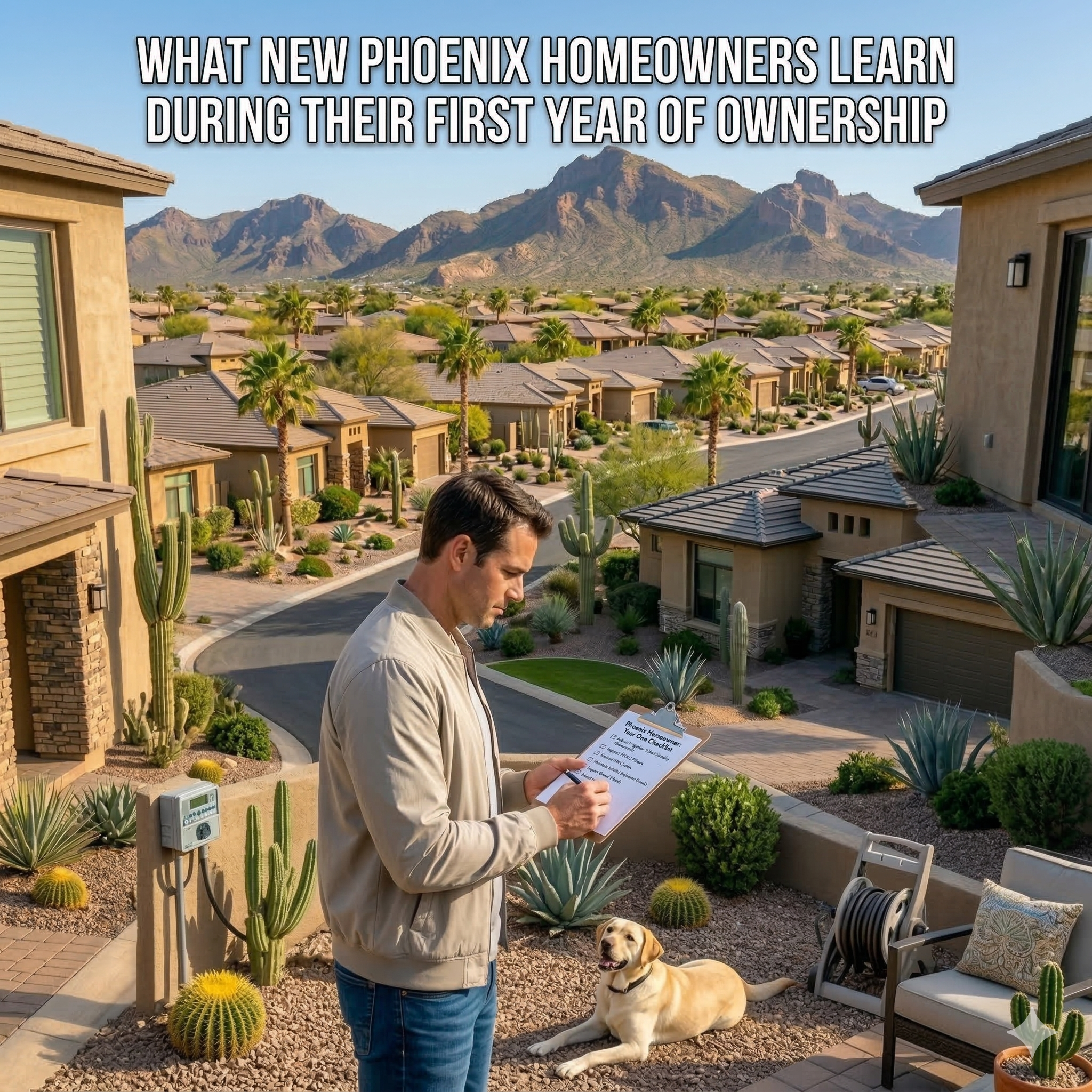
What New Phoenix Homeowners Learn During Their First Year of Ownership
-

How Daily Life Changes After the First Year of Living in a Phoenix Home
-
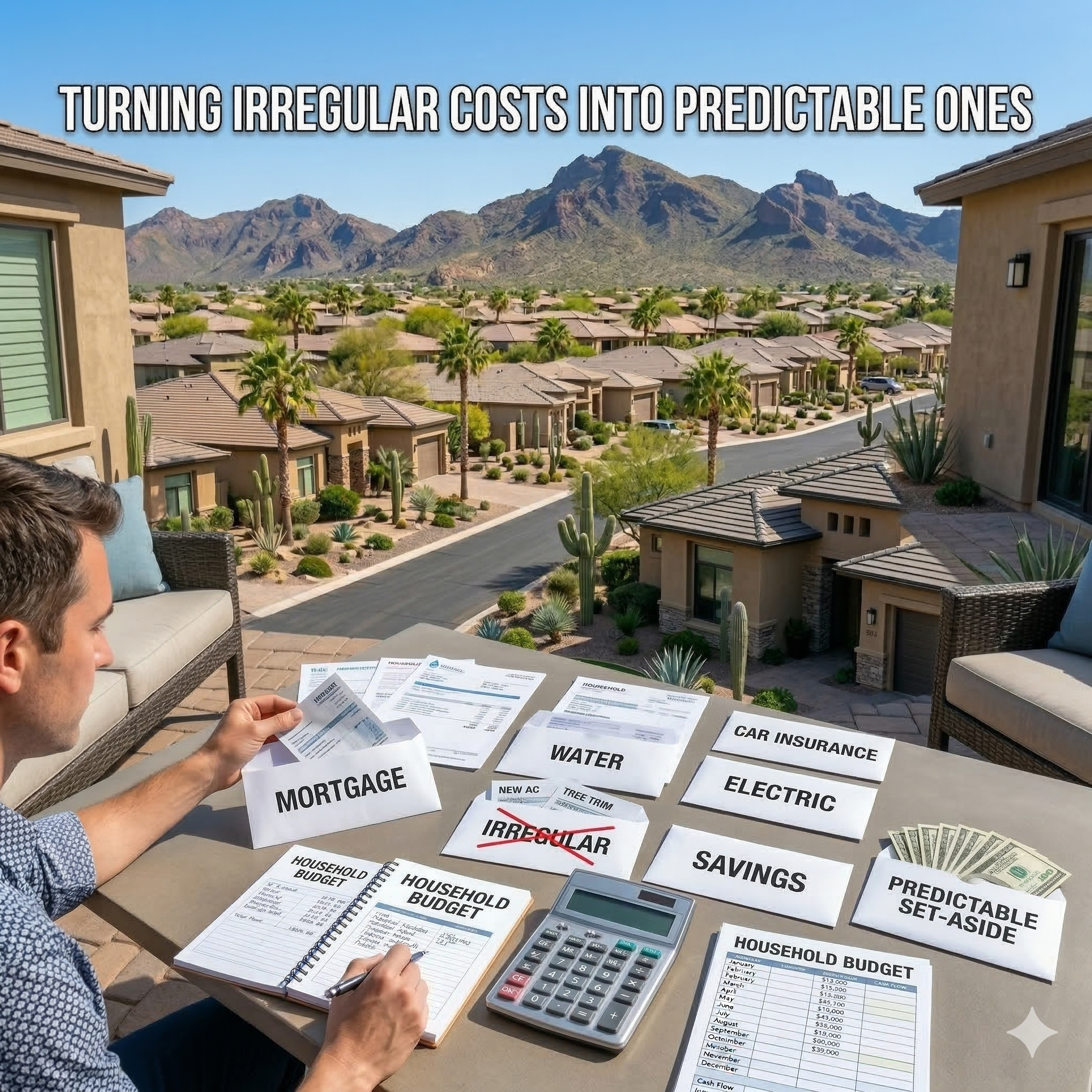
Turning Irregular Costs Into Predictable Ones
-

Budgeting for Ongoing Ownership
-
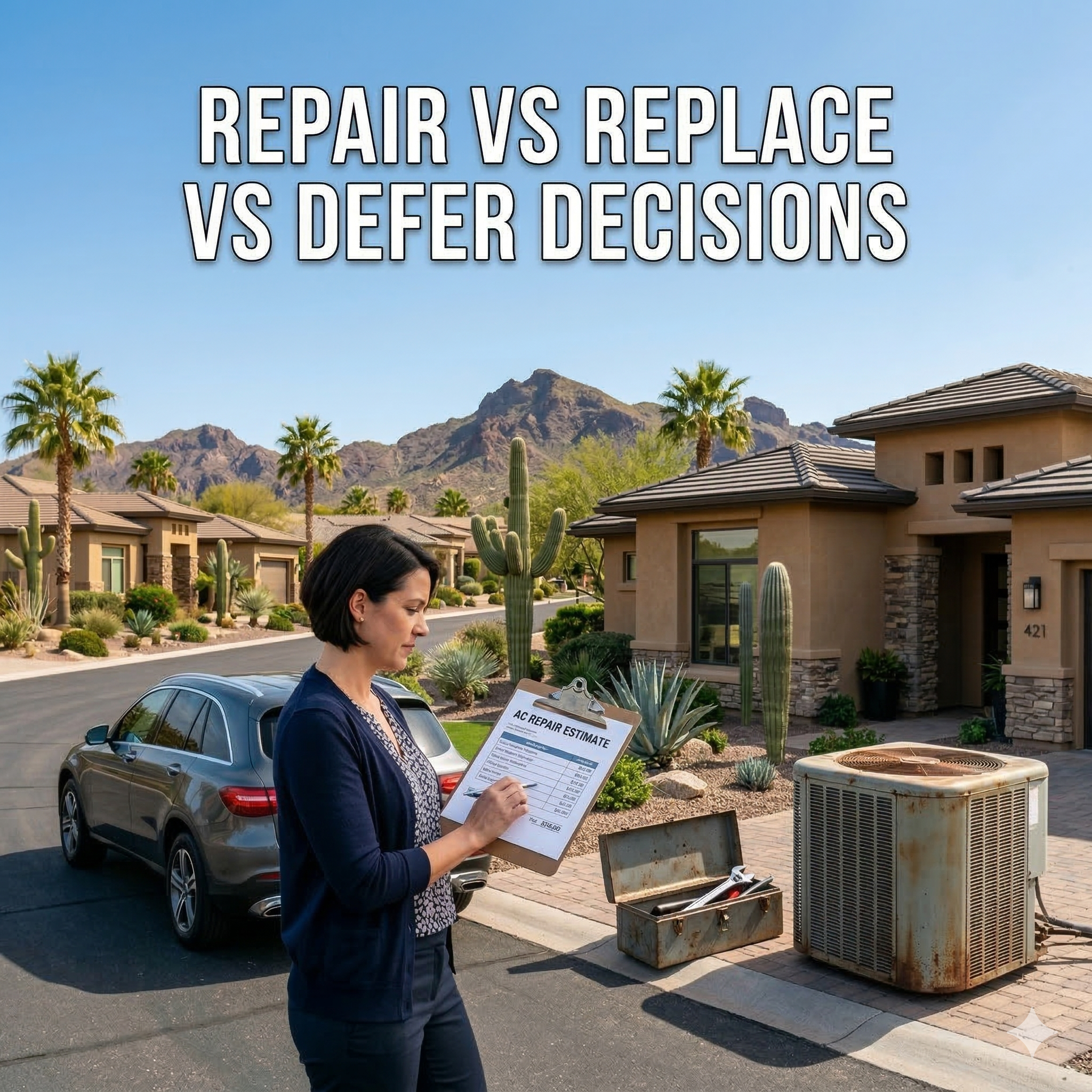
Repair vs Replace vs Defer Decisions
-

Planning Homeownership Like a Long-Term Asset
-

What Home Expenses You Can Safely Delay
-

Stopping Cost Creep Early
-

Cash Flow vs Net Worth Stress
-

Why “It’s Not That Much” Adds Up
-

Warning Signs Your Ownership Budget Is Tightening
-

The Cumulative Cost of Small Home Repairs
-

Designing Budgets Around Local Conditions
-
Utility Costs Over Time in Desert Climates
-

Insurance Increases Explained for Arizona Homeowners
-

How Inflation Impacts Phoenix Homeownership Costs
-

Avoiding Debt-Driven Homeownership Decisions
-

Replacing Systems on Your Timeline
-

Why Emergency Repairs Cost More
-

Timing Major Expenses Without Financial Shock
-
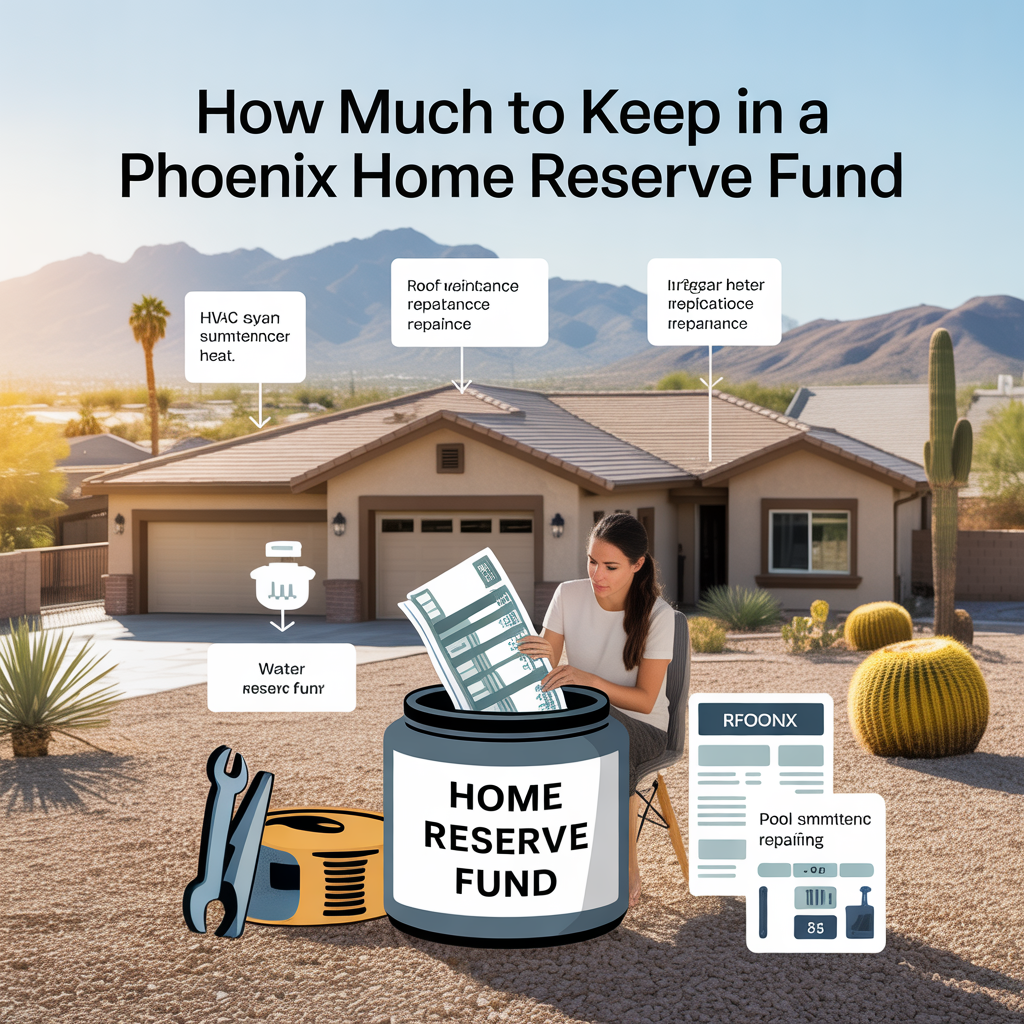
How Much to Keep in a Phoenix Home Reserve Fund