



Seller Fears→ [Seller Fears] & For more info on other fears Phoenix Real Estate → [Phoenix Real Estate Fears Guide]
Written by: Renee Burke
I’ve watched countless families arrive from California, the Midwest, or Texas, their eyes wide with excitement about our endless sunshine and wide-open spaces. But what starts as a dream move to the Valley often trips over a few unspoken realities about Phoenix homes that no Zillow scroll can fully prepare you for. As someone who’s guided hundreds of these transitions right here in the metro area, I can tell you it’s not about scaring anyone off — it’s about gently setting expectations so the joy of settling in lasts.
You see, out-of-state buyers bring fresh perspectives, which is wonderful, but they also carry assumptions shaped by different climates, building styles, and lifestyles. Sellers who address these head-on build trust faster and close deals smoother. Let’s walk through the most common misunderstandings, with simple ways to explain them that feel reassuring, not corrective.
The Heat Isn’t Just Summer — It’s a Lifestyle Shaper
One of the biggest surprises for newcomers is how our heat influences every corner of home design and daily life. Folks from Seattle or Chicago picture Phoenix as “hot in summer, fine otherwise,” but our 110-degree-plus days stretch from May to October, and even mild winters mean air conditioning runs year-round.
Homes here aren’t built like the drafty colonials back East; they’re engineered for efficiency with foam insulation, radiant barriers, and pavers that don’t turn your backyard into a griddle. Pools aren’t luxuries — they’re sanity-savers, and extended covered patios let you reclaim outdoor evenings after sunset.
How sellers explain it: In your listing description or first conversation, say something like, “This home’s north-south orientation and extended eave lines keep the living spaces cool naturally, so you’re not cranking the AC from day one — just like we’ve learned to live comfortably after all these Valley summers.” It shows you get their world and invites them to picture themselves poolside at dusk.
Square Footage Feels Different Here
Out-of-state buyers often scan listings for that familiar 2,500-square-foot number, expecting the same roomy flow they left behind. But Phoenix homes prioritize indoor-outdoor living, so much of your “livable space” extends to the backyard oasis, covered ramada, or built-in BBQ island. A 2,200-square-foot interior might feel more expansive than a 3,000-square-foot box elsewhere because open great rooms flow seamlessly to those private outdoor retreats.
Don’t get me wrong — our floor plans are generous, especially in places like Verrado or Eastmark, but the magic happens in how we blend inside and out. Newcomers miss this at first, measuring only walls and forgetting the citrus grove or sport court that becomes your family’s gathering spot.
How sellers explain it: Highlight it early: “While the interior clocks in at 2,400 square feet, add the extended covered patio and sparkling pebble Tec pool, and you’ve got over 1,000 more feet of true Valley living space — perfect for those evening dinners under the stars that California transplants adore.” Pair it with drone photos showing the full flow; it reframes their mental picture gently.
No Basements, But Smart Storage Everywhere
If you’re coming from the Midwest or East Coast, the absence of basements can feel like a shock — where do holiday decorations go? Phoenix soil is caliche-packed rock, so basements aren’t practical or common. Instead, we’ve evolved storage into an art: oversized garages with built-in cabinets, attic pull-downs with reinforced floors, and sport courts doubling as gear hideaways.
Many newer builds in Queen Creek or Buckeye include under-stair nooks, linen closets in every bathroom, and even garage lofts for paddleboards and bikes. It’s efficient, dust-free, and tailored to our gear-heavy, garage-sale-light culture.
How sellers explain it: Ease the worry with specifics: “No basement needed here — this three-car garage has custom cabinetry floor-to-ceiling, plus a spacious attic ready for all your seasonal boxes. I’ve helped dozens of Midwest families unpack and realize they actually use these spaces more than a basement ever was.” It turns a “missing” feature into a thoughtful upgrade.
HOA Rules Protect Your Investment — Mostly
Buyers from low-regulation states raise eyebrows at our community associations, assuming fees mean bossy neighbors dictating paint colors. Truth is, most Phoenix HOAs in master-planned spots like Gilbert’s Agritopia or Power Ranch keep values steady by maintaining lush common areas, pools, and playgrounds you’d pay thousands extra to replicate solo.
Yes, there are guidelines — no basketball hoops in driveways, coordinated holiday lights — but they foster the safe, walkable neighborhoods families crave. Fees often cover front-yard landscaping, saving you water bills in our desert.
How sellers explain it: Be upfront and positive: “The $125 monthly HOA here keeps the community park, walking paths, and your front yard pristine — think of it as investing in resale value and hassle-free curb appeal, just like my out-of-state clients who now can’t imagine living without it.” Share a community event calendar; it humanizes the rules.
Water and Landscaping Aren’t What You Expect
East Coast or California buyers envision lush Kentucky bluegrass lawns, but Phoenix yards are xeriscape masterpieces: desert willows, agave clusters, and drip-irrigated boulders that sip water sparingly. It’s not sparse — it’s sustainable, with pops of color from bougainvillea and citrus trees that actually fruit.
Water conservation is law here (hello, tiered pricing), so low-maintenance yards slash bills by 50% or more. Pools use efficient variable-speed pumps, and many homes have greywater systems recycling laundry water for irrigation.
How sellers explain it: Paint the picture vividly: “This backyard’s xeriscape isn’t just drought-smart — it’s a low-water haven with mature citrus bearing oranges by December and evenings alive with hummingbirds. Newcomers from wetter climates save hundreds monthly and love the ‘set it and forget it’ ease.” Include before-after photos if you’ve refreshed it.
Commutes Look Long, Feel Shorter
Maps make a 25-mile drive from Chandler to downtown Phoenix seem daunting, but our freeways (101, 202, I-10) move faster than you’d think — no stop-and-go gridlock most days. Out-of-staters overestimate travel times, missing how suburbs like Fountain Hills or Litchfield Park put you 30 minutes from Sky Harbor or TSMC’s campus.
Hybrid work helps, too, but proximity to Loop 303 or the 202 Santan matters more than raw miles.
How sellers explain it: Use real-life context: “It’s just 22 minutes to Phoenix-Mesa Gateway Airport or 18 to the Chandler Fashion Center via the 202 — quicker than many Bay Area drives, as my California clients always discover. Google Maps doesn’t capture our flow.” Drop in a commute heatmap screenshot for proof.
New Builds Aren’t “Soulless Boxes”
Relocators from older markets sometimes dismiss tract homes in Verrado or Tara Mandala as cookie-cutter, overlooking the custom touches: stacked stone elevations, gourmet islands with farm sinks, and smart-home wiring standard. Builders like Taylor Morrison or Toll Brothers offer plans that rival custom without the wait or premium.
These communities pulse with energy — farmers markets, splash pads, and top-rated schools — turning “new” into “vibrant new chapter.”
How sellers explain it: Celebrate the personalization: “This 2024 build lets you walk into move-in ready with quartz counters, a tankless water heater, and a backyard prepped for your dream ramada — all the upgrades my East Coast sellers wish they’d had starting out.” Virtual tours showcase the warmth.
Resale Isn’t Risky — It’s Reliable
Worries about a “bubble” linger from national headlines, but Phoenix’s job growth in semiconductors, healthcare, and logistics keeps demand humming. Inventory stays tight, especially for move-in ready under $700K, and out-of-state cash buyers keep values buoyant.
How sellers explain it: Lean on stability: “With Intel’s expansion and steady relocations, homes here appreciate reliably — my recent closings averaged 98% of list price in under 30 days. It’s the smart pivot my relocating clients needed.”
Let’s Make Their Transition Seamless
Helping out-of-state buyers see Phoenix through local eyes isn’t about listing more features — it’s about sharing the thoughtful details that turn “What if?” into “This is home.” Sellers who explain these nuances with patience position themselves as partners, not just vendors.
If you’re thinking about making a move in Phoenix, you don’t have to figure it out alone. I’ve spent years bridging these gaps for families just like yours, and I’d be honored to guide you with the same care — whether prepping your listing or answering those first big questions. Reach out anytime; we’ll make it feel like coming home.
Get the full Phoenix Market Insights → [Market Insights]


-

When Luxury Buyers Walk Away in Chandler — Even at the Right Price
-

The Hidden Risk of Over‑Improving a Luxury Home in Chandler
-

Why Luxury Homes in Chandler Appreciate Differently
-
Chandler vs Other East Valley Cities: Which Holds Value Best?
-

How Chandler Real Estate Has Changed Over the Last 10 Years
-

Property Taxes & Ownership Costs in Chandler
-
Underrated Chandler Neighborhoods Buyers Overlook
-
Older vs Newer Sections of Chandler: What Buyers Prefer
-

Chandler Neighborhoods Near Parks, Paths & Employment Centers
-
Downtown Chandler vs South Chandler: Where Buyers See the Most Value
-

Best Chandler‑Area Neighborhoods by Commute & Lifestyle
-
How to Price Your Chandler Home Correctly
-

How to Price Your Chandler Home Correctly
-

Should You Renovate Before Selling in Chandler?
-
How Long Homes Take to Sell in Chandler
-
Best Time of Year to Sell a Home in Chandler
-
Selling a Home in Chandler: What Buyers Pay Top Dollar For
-
What $400K, $600K, $800K, and $1M+ Buy You in Chandler
-

First‑Time Homebuyer Guide to Chandler
-

Buying a Home in Chandler: Step‑by‑Step Guide
-
How Much House You Can Afford in Chandler
-
Is Chandler a Good Place to Buy a Home Right Now?
-
Living in Chandler: What It’s Really Like (Pros, Cons & Cost of Living)
-
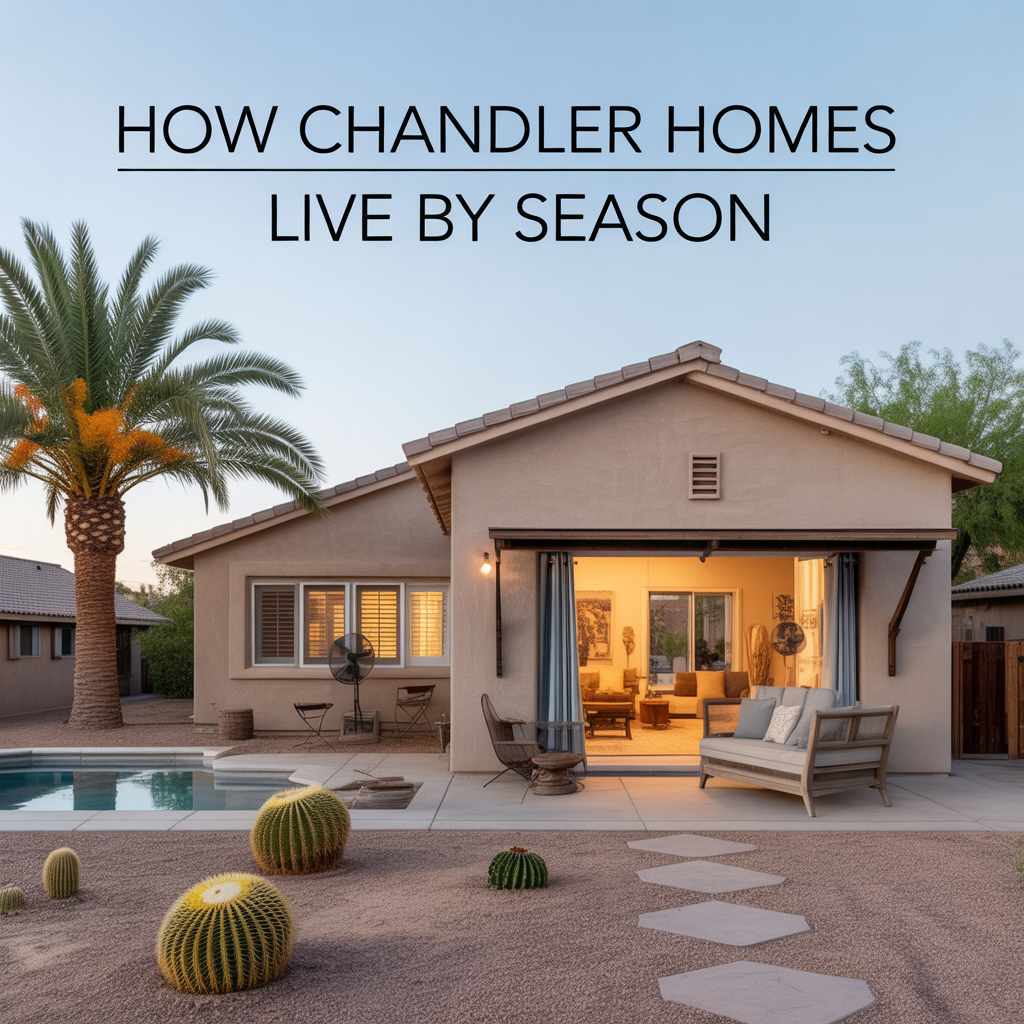
How Chandler Homes Live by Season
-

Impact on Pets and Kids in Chandler