



Buyer Fears→ [Buyer Fears] & For more info on other fears Phoenix Real Estate → [Phoenix Real Estate Fears Guide]
Written by: Renee Burke
Upgrades are supposed to make a home more appealing—sleeker kitchens, trendier bathrooms, or those “statement” finishes that feel straight out of a design magazine. But in the Phoenix metro housing market, not every glossy choice plays out the way sellers expect. What looks luxurious in a Pinterest photo can feel out of place, or even impractical, under our desert sun.
As someone who’s watched thousands of buyers move through open houses across Scottsdale, Chandler, Gilbert, and Peoria, I can tell you: the difference between “wow, this feels amazing” and “hmm, we’ll need to change that” often comes down to how an upgrade feels in the realities of Phoenix living.
Below, let’s walk through what finishes make hearts skip (in the right way) — and what upgrades tend to backfire when it’s time to sell.
The Allure—and Danger—of the “Model Home Look”
Many homeowners aim for that crisp, model-home aesthetic: sleek lines, heavy contrast, gleaming finishes. But what works in a staged builder home under perfect lighting doesn’t always work in lived-in spaces, especially under our high, intense desert light.
Buyers here crave balance: light but not blinding, stylish but not sterile, updated yet practical. When every surface is pure white or high-gloss, it can actually make a home feel colder, not cleaner.
Contrast that with homes that opt for soft taupes, light sand tones, or warm whites paired with texture—a woven pendant, a hint of matte finish, or organic quartz veining. Those are the homes where buyers pause and say, “This just feels good.”
Finishes Phoenix Buyers Consistently Love
Let’s start with what’s working — the upgrades that have stood the test of time in our desert market.
- Quartz countertops: Durable, beautiful, and low-maintenance. Buyers love that quartz won’t stain or etch the way marble can, which is especially useful in homes with open layouts and lots of natural light.
- Luxury vinyl plank flooring (LVP): This has become the darling of Phoenix buyers across all price points. It gives the look of wood without the warping, fading, or upkeep that hardwoods suffer under our dry heat.
- Neutral, nature-inspired tones: Think of the desert around us—sandstone, palo verde bark, worn granite. Those soft, natural colors calm the eye and help homes feel cooler and more connected to the landscape.
- Matte black or champagne bronze fixtures: These bring contrast without shining like chrome under 3 p.m. sunlight. The look is modern but forgiving.
- Walk-in showers instead of tubs: The deep soaking tubs that once symbolized luxury are largely being replaced by spa-style showers. They’re practical, visually cleaner, and better suited to our climate.
In short: buyers here appreciate surfaces that look elevated but live easily.
When “Custom” Turns into “Complicated”
On the flip side, certain so-called upgrades make buyers feel like they’re inheriting someone else’s personal taste project — not their potential home.
Here are a few examples I’ve seen repeatedly underperform:
- Overly specific tile designs. That colorful Moroccan backsplash or decorative shower niche may feel bold and high-end, but for most buyers, it just feels like a remodel waiting to happen.
- High-gloss cabinets and floors. Gorgeous at first glance, but the constant dust and sun here make them a magnet for smudges and scratches. Within minutes of an open house, the shine starts to betray every footprint.
- Dark, heavy finishes. Deep espresso cabinets or slate-tone tiles can make rooms feel small and stifling, especially in homes without abundant natural light.
- Too much built-in customization. One too many wall cutouts, elaborate media centers, or fixed architectural details can limit how buyers imagine using a space. They want adaptability, not commitment.
These “upgrades” tend to narrow a home’s audience. A good upgrade speaks to 80% of buyers, not 8%.
Why Climate Should Always Guide Design Choices
It’s easy to forget how heavily the desert climate shapes lifestyle. In Phoenix, finishes have to outlast harsh sunlight, dust, and big temperature swings.
- Shiny floors and surfaces highlight every streak of dust kicked up when the wind shifts.
- Rich, dark cabinetry absorbs light and heat, making kitchens feel warmer than they should in summer.
- Outdoor finishes that might shine in California fade fast here if not rated for UV resistance.
That’s why low-sheen textures, earthy tones, and durable engineered materials remain steady winners. They’re not just popular—they’re practical.
The Emotional Factor in Buyer Reactions
Something that still fascinates me after years in Phoenix real estate is how emotional buyer response really is. Walk a buyer into a house with the right light and finishes, and you’ll see it on their face—relief, comfort, calm.
The wrong finishes do the opposite. If a space feels like it demands delicate care—or constant cleaning—it subtly adds stress. That might sound small, but in competitive markets, comfort sells faster than flash.
Buyers want a home that feels like it will work with them, not one they’ll have to work on.
Lessons from the Builder Market
Today’s new construction communities across Queen Creek, Vistancia, and Eastmark are great examples of what today’s buyers actually respond to. Builders test finish combinations constantly, and the packages that outsell the rest tend to include:
- Warm neutral cabinets instead of stark white.
- Continuous LVP flooring through main living spaces.
- Streamlined, modern lighting in muted finishes.
- A simple backsplash with just enough texture for depth.
Meanwhile, many of the optional “luxury” packages—stacked stone wall features, waterfall-edged counters, or designer wallpaper accents—look stunning but don’t increase contract rates or appraised value.
It tells you a lot: extra isn’t always better. In Phoenix living, seamless and easy almost always wins.
Where to Focus Your Budget
If you’re thinking about updating your home before selling, focus first on what buyers touch, see, and feel on a daily basis.
- Fresh interior paint in warm neutrals. It changes everything about how light plays in your home.
- Updated lighting. Soft white LEDs and layered fixtures make a space feel intentionally designed.
- Modern hardware swaps. Cabinet pulls, faucets, door handles—small details add remarkable polish.
- Flooring consistency. Fewer transitions equal a cleaner visual flow.
- Functional updates over decorative ones. Buyers care more about a new HVAC or windows than decorative molding.
You don’t have to chase trends. The best upgrades are the ones that make your home feel both loved and low-maintenance.
The Current Buyer Mood in Phoenix
Right now, what I’m seeing among Phoenix buyers is a distinct shift toward livable beauty. They want stylish, yes—but not at the cost of practicality.
They’re drawn to homes that can handle entertaining one weekend and quiet relaxation the next. Spaces that balance brightness with coziness. And more than anything, finishes they won’t have to fuss over in triple-digit weather.
That means sellers who balance timeless design with comfort—rather than chasing the boldest upgrade trend—usually sell faster and hold their pricing power better.
A Thoughtful Word for Phoenix Homeowners
If you’re looking around your home and wondering if your planned updates will help or hurt your resale value, you’re not alone. It’s a question I walk people through every single week.
The good news? You don’t need to guess. Phoenix has its own rhythm, and once you understand what truly works for this market, upgrades become less about pressure and more about intention.
If you’re thinking about selling, remodeling, or just want clarity on what’s worth investing in, let’s talk. Whether you’re in Ahwatukee, Gilbert, or North Scottsdale, I can help you identify which improvements will make your home shine in this desert market.
Because when your home feels balanced, authentic, and practical for Phoenix living—it doesn’t just show better. It sells better, too.
If you’re thinking about making a move in Phoenix, you don’t have to figure it out alone. Let’s walk through your options together, and make each decision one you feel truly confident about.
Get the full Phoenix Market Insights → [Market Insights]


-

Signs Your Phoenix Roof Needs Inspection or Repair
-
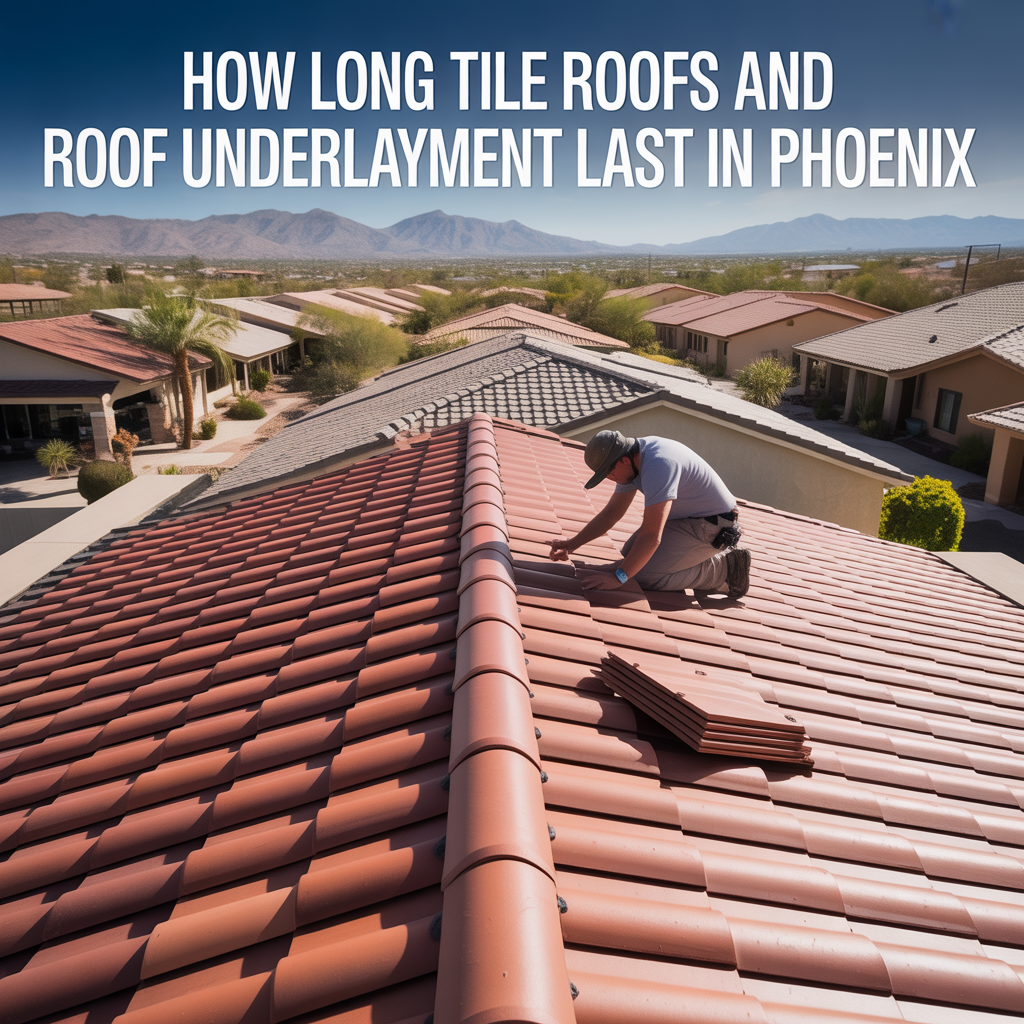
How Long Tile Roofs and Roof Underlayment Last in Phoenix
-
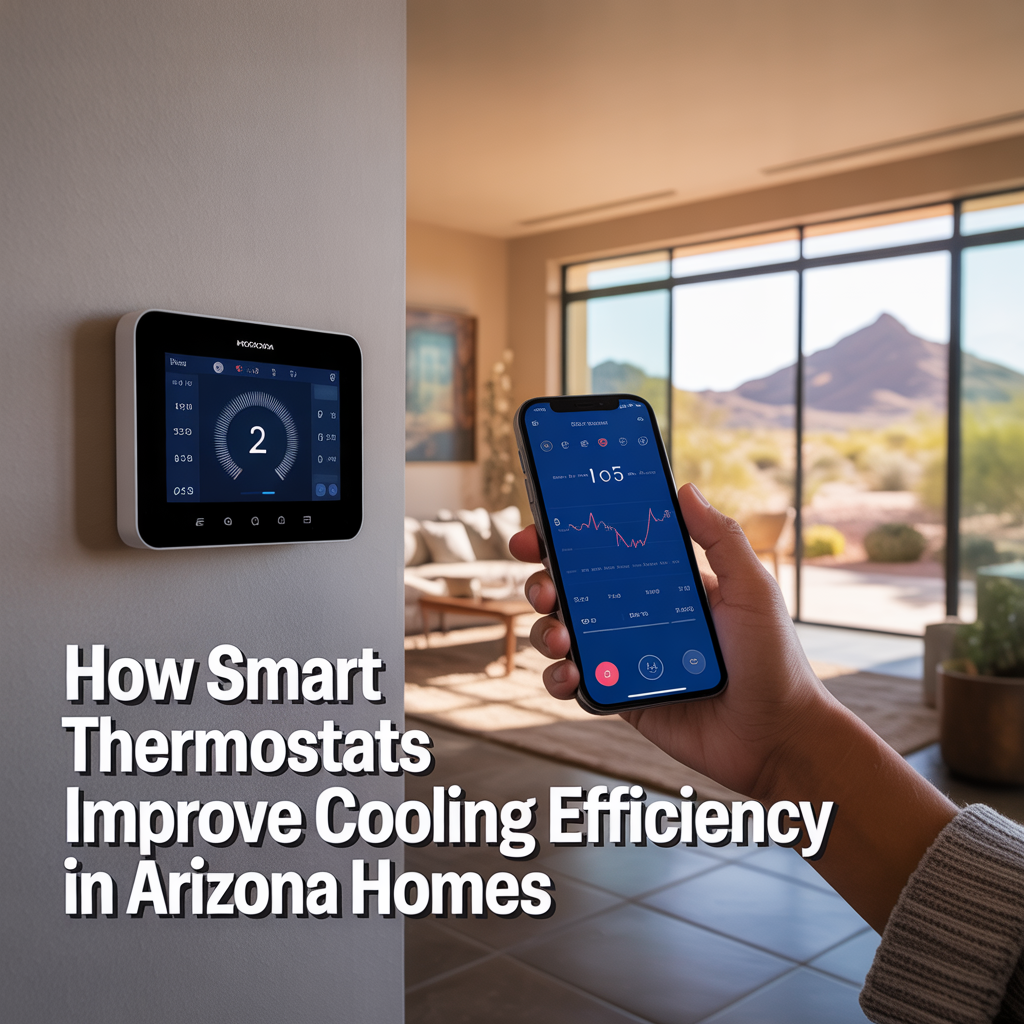
How Smart Thermostats Improve Cooling Efficiency in Arizona Homes
-

Why AC Systems Struggle During Extreme Phoenix Heat Waves
-

How Long Air Conditioning Units Last in Phoenix Homes
-

Warning Signs Your Air Conditioner Is About to Fail
-

How Often Phoenix AC Systems Need Maintenance
-
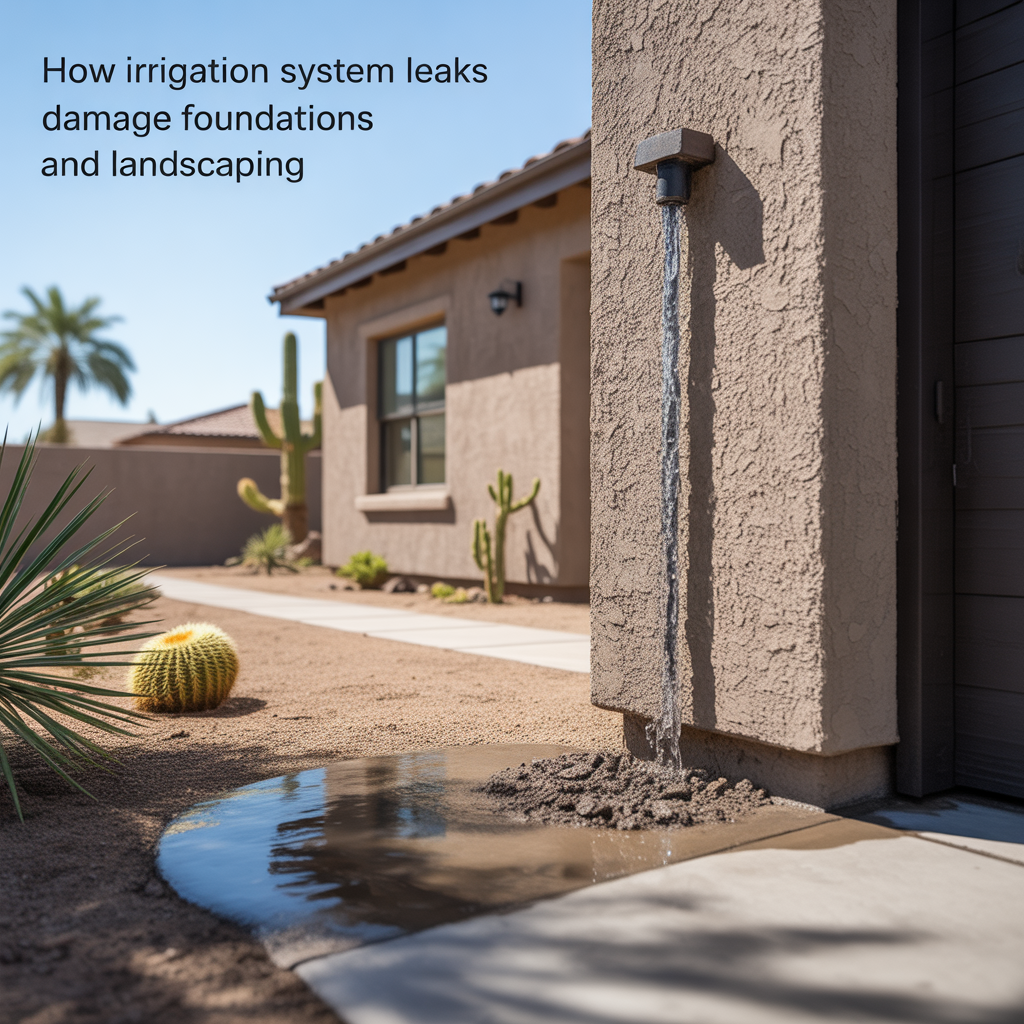
How Irrigation System Leaks Damage Foundations and Landscaping
-
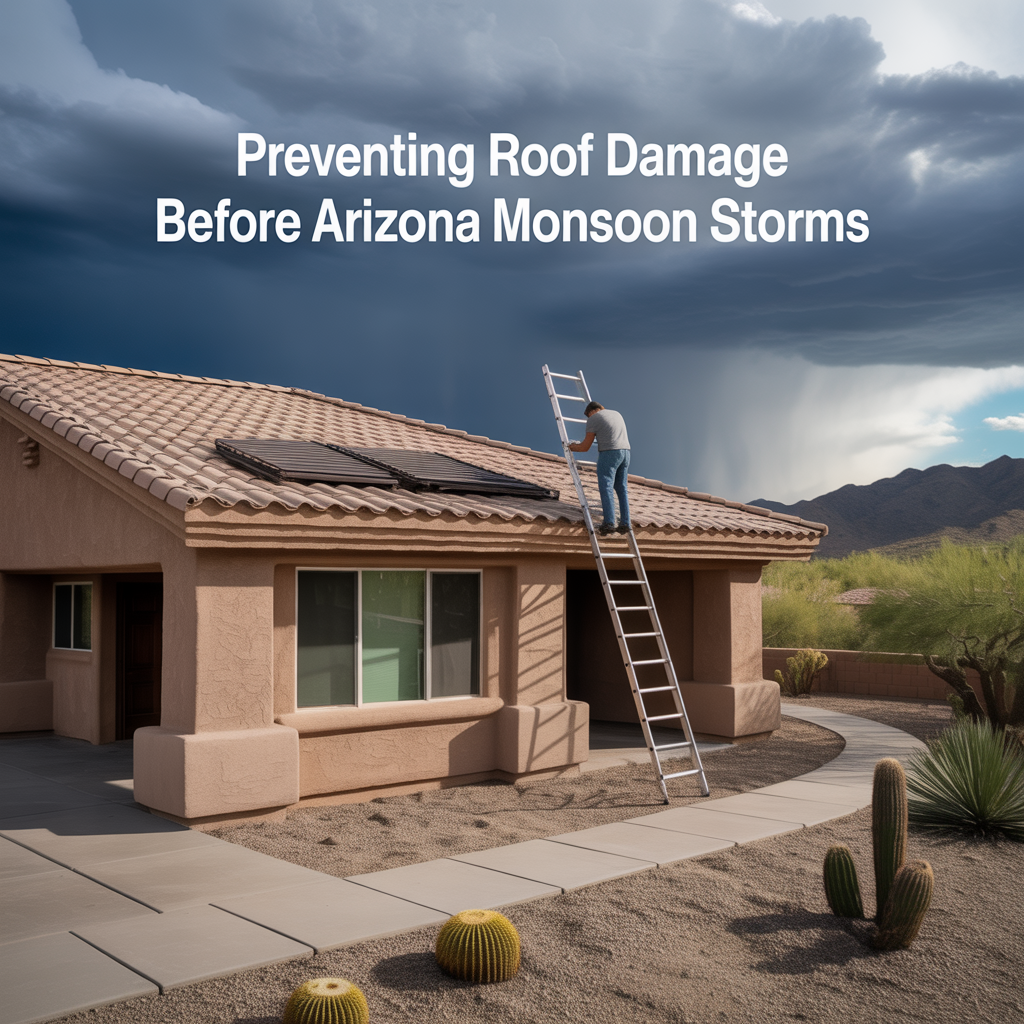
Preventing Roof Damage Before Arizona Monsoon Storms
-

Why AC Tune-Ups Are Critical for Phoenix Homes
-

What Homeowners Should Inspect Before Phoenix Summer Heat Arrives
-
Seasonal Home Maintenance Checklist for Phoenix Homeowners
-
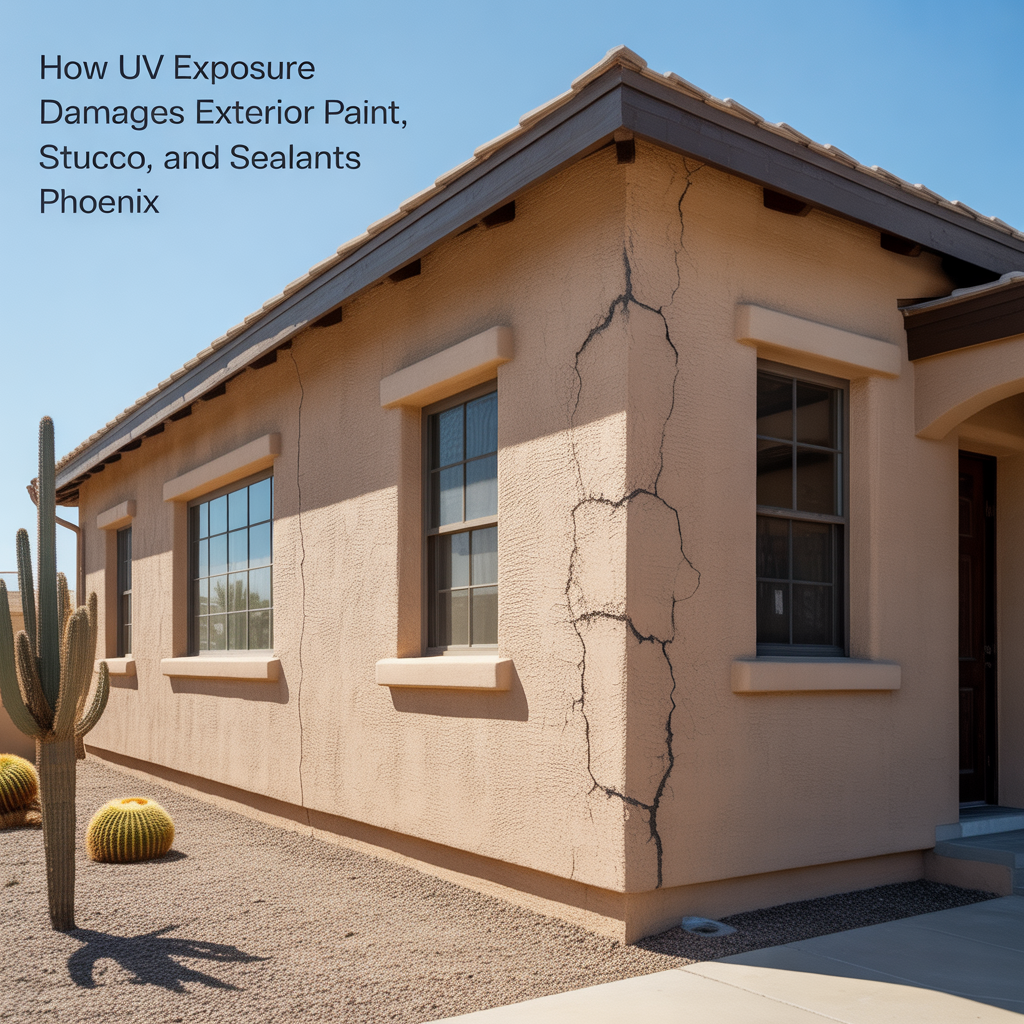
How UV Exposure Damages Exterior Paint, Stucco, and Sealants
-

How Extreme Heat Shortens the Lifespan of Home Systems
-
Why Phoenix Roofs Wear Out Faster Than Many Other Cities
-
How Long AC Units Typically Last in Phoenix Homes
-
Building a Long-Term Protection Strategy
-
How Small Repairs Prevent Larger Problems
-

Protecting Older Phoenix Homes
-
Warning Signs of Hidden Home Risks
-

Preventative Maintenance That Reduces Insurance Claims
-

Reducing Liability Exposure Around Your Property
-

Liability Coverage Limits Explained
-

When Umbrella Insurance Makes Sense
-

Protecting Yourself From Guest Injury Claims