



Seller Fears→ [Seller Fears] & For more info on other fears Phoenix Real Estate → [Phoenix Real Estate Fears Guide]
Written by: Renee Burke
Living in the Valley means you know how a straight line on Google Maps can trick you. That 10-mile radius might look perfect, but when rush hour hits on the 101 or I-10 backs up from a fender-bender, suddenly you’re calculating minutes, not miles. As someone who’s walked buyers through this realization time and again, I can tell you: in Phoenix real estate, drive times shape decisions far more than distances ever could.
I’ve seen it play out in every corner of the metro—from West Valley commutes into downtown to East Valley dashes toward Tempe hubs. Buyers don’t just glance at maps; they live the drive. And understanding that helps everyone—sellers staging for appeal, buyers prioritizing wisely.
The Gap Between Miles and Minutes
Phoenix’s layout is deceptively spread out. Our freeways promise efficiency, but reality layers in construction, signal timing, and those inevitable Valley backups. A home 15 miles from a job in Avondale might take 20 minutes on a good day via I-10, while the same distance north through Surprise could stretch to 45 on Loop 303 during peak hours.
Buyers feel this intuitively. They test-drive routes from listings, timing morning and evening hauls. Map distance feels abstract; drive time hits the gut—it’s the difference between arriving calm or frazzled, with gas money and sanity intact. In our market, where average one-way commutes hover around 25 minutes, even five extra minutes daily adds up to hours weekly.
That’s why serious buyers filter searches by time, not just proximity. Tools like commute calculators have made it standard—they input work addresses and watch listings shrink to realistic options.
Why Buyers Obsess Over the Drive
For families eyeing Chandler schools or professionals tied to Scottsdale offices, the commute isn’t background noise—it’s daily life. Parents weigh school drop-offs alongside work runs; hybrid workers still dread occasional office days that turn 20 miles into an hour slog.
Misconceptions abound. Newcomers assume surface streets like Bell Road or Baseline rival freeways—until they hit a train or flood of cars. Longtime locals know: elevation changes near South Mountain or wind-whipped dust on the 202 can double times unexpectedly.
Buyers decide by feel as much as fact. They ask, “Can I do this with kids in tow?” or “Will traffic steal my evenings?” A home with a 30-minute sweet spot to major employers wins over a “shorter” 12-mile trek plagued by lights. Commutes under 30 minutes seal deals here; over 45 often prompt a pass, no matter the square footage.
Freeway Access: The Real Gatekeeper
In Phoenix, highway proximity trumps neighborhood charm for many. Homes hugging I-10 in Goodyear or Litchfield Park shine because on-ramps mean predictable escapes—20-35 minutes to downtown, even in moderate traffic. Contrast that with Buckeye’s growing affordability: 40-55 minutes feels eternal when I-10 clogs.
Buyers prioritize:
- Direct freeway shots: Loop 101 for north-south flow to Phoenix or Scottsdale.
- Avoidance of bottlenecks: Staying south of the 202 deck keeps East Valley drives fluid.
- Alt routes: Grand Avenue as a Surprise backup to the 101.
Sellers highlight this in listings—mention “5 minutes to I-10” and watch interest spike. It’s not hype; it’s honesty about what keeps buyers grounded.
Lifestyle Layers in the Decision
Commutes weave into daily rhythms. A Mesa buyer working Tempe tech might love 12-minute runs via US-60, freeing evenings for Dobson Ranch parks. West Valley folks balance Peoria-to-Scottsdale treks at 40 minutes on the 101, trading time for larger lots.
Fears surface: “Will growth worsen this?” Phoenix’s expansion means yes—commutes ticked up to 25.7 minutes average by 2023. Buyers counter by choosing established corridors like Maryvale or McDowell for steadier flows.
Thoughtful ones factor hybrids: park-and-rides in Goodyear or light rail stubs expanding west. It’s not just work—grocery hauls to Sprouts, school shuttles to Gilbert, date nights in Downtown all orbit the drive.
How Sellers Can Highlight Time Wins
Position your home as a time-saver. Stage with maps or apps open to commute scores. Virtual tours include drive simulations—show the 7 a.m. haul from your Chandler listing to Sky Harbor in real time.
Address objections upfront: “Yes, 22 miles, but 28 minutes door-to-office via 202.” Buyers trust that transparency. In slower seasons, it differentiates—while others tout pools, you deliver peace of mind.
Phoenix’s 23-minute metro average underscores the edge: homes shaving even 5 minutes stand out.
Buyer Psychology: Time as Emotional Weight
Decisions tilt emotional. A 45-minute Reddit-shared slog from Phoenix to Scottsdale? Dealbreaker for some, fine for salary bumps. Couples debate: her 20-minute Goodyear run versus his Surprise hour.
They visualize: podcasts on I-10, kid carpools via Baseline. Over 79% drive solo here, amplifying solitude’s toll. Shorter times mean more family dinners, trail walks in Papago Park—lifestyle multipliers.
Tools Buyers Use (and Love)
Realtor.com’s commute filter lets them dial 10-60 minutes, toggling rush versus off-peak. Apps like Waze layer live data, revealing true costs. Savvy shoppers test three routes per home, deciding on the worst-case 8 a.m. scenario.
This empowers them past maps, into reality—vital in a metro where growth strains roads.
Making Commute Clarity Your Edge
Here’s the gentle truth: in Phoenix, where sprawl meets sun-soaked ambition, drive times reveal what maps hide. They predict daily joy or drain, turning a “perfect” listing into a regret or revelation.
Buyers who master this choose wisely—lives aligned, not stretched. Sellers who illuminate it close confidently.
If you’re weighing a move across the Valley and wondering how the drive really fits your life, you don’t have to puzzle it out alone. There’s nuance to these roads I know well, from Buckeye’s horizons to Avondale’s ease.
Reach out when you’re ready—let’s map a path that saves you time and stress. You’ve got this, and I’ve got your back.
Get the full Phoenix Market Insights → [Market Insights]


-

Signs Your Phoenix Roof Needs Inspection or Repair
-

How Long Tile Roofs and Roof Underlayment Last in Phoenix
-

How Smart Thermostats Improve Cooling Efficiency in Arizona Homes
-

Why AC Systems Struggle During Extreme Phoenix Heat Waves
-

How Long Air Conditioning Units Last in Phoenix Homes
-

Warning Signs Your Air Conditioner Is About to Fail
-

How Often Phoenix AC Systems Need Maintenance
-

How Irrigation System Leaks Damage Foundations and Landscaping
-

Preventing Roof Damage Before Arizona Monsoon Storms
-

Why AC Tune-Ups Are Critical for Phoenix Homes
-

What Homeowners Should Inspect Before Phoenix Summer Heat Arrives
-

Seasonal Home Maintenance Checklist for Phoenix Homeowners
-
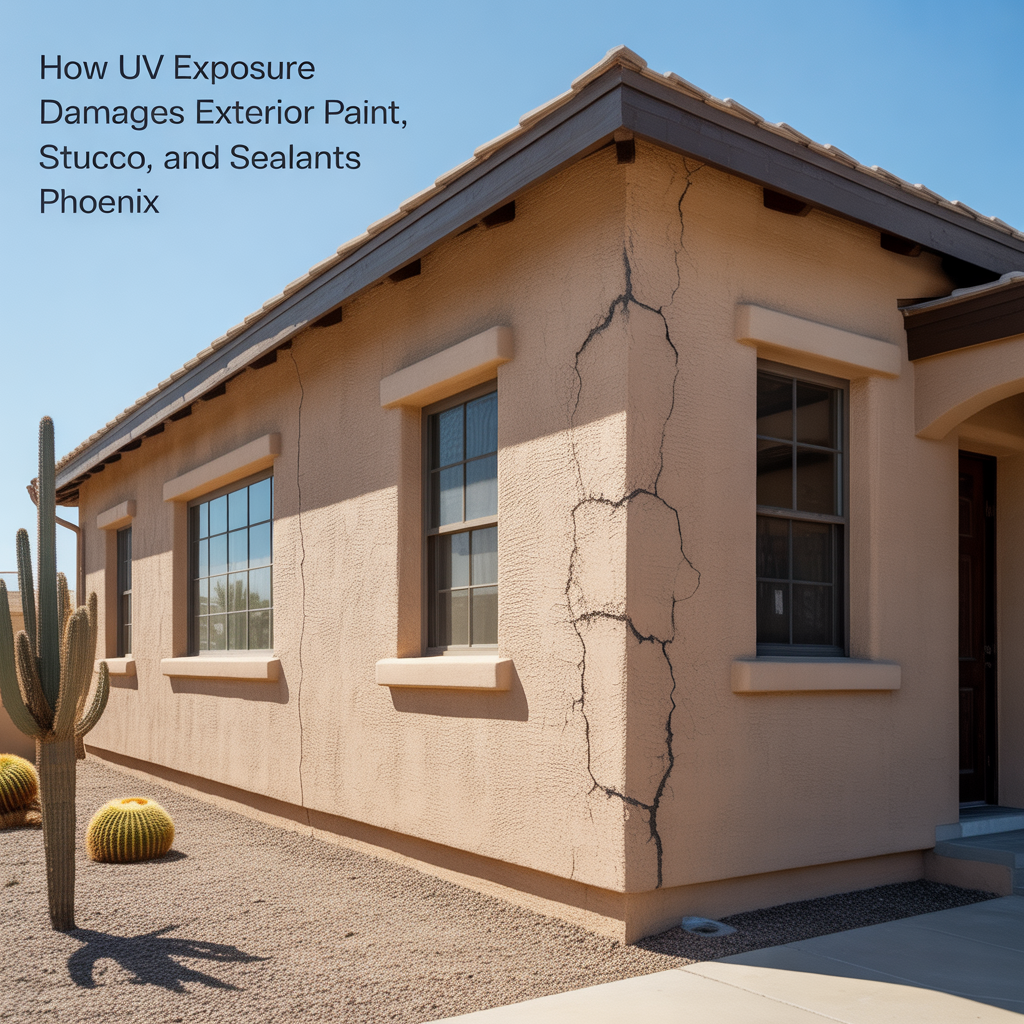
How UV Exposure Damages Exterior Paint, Stucco, and Sealants
-

How Extreme Heat Shortens the Lifespan of Home Systems
-

Why Phoenix Roofs Wear Out Faster Than Many Other Cities
-
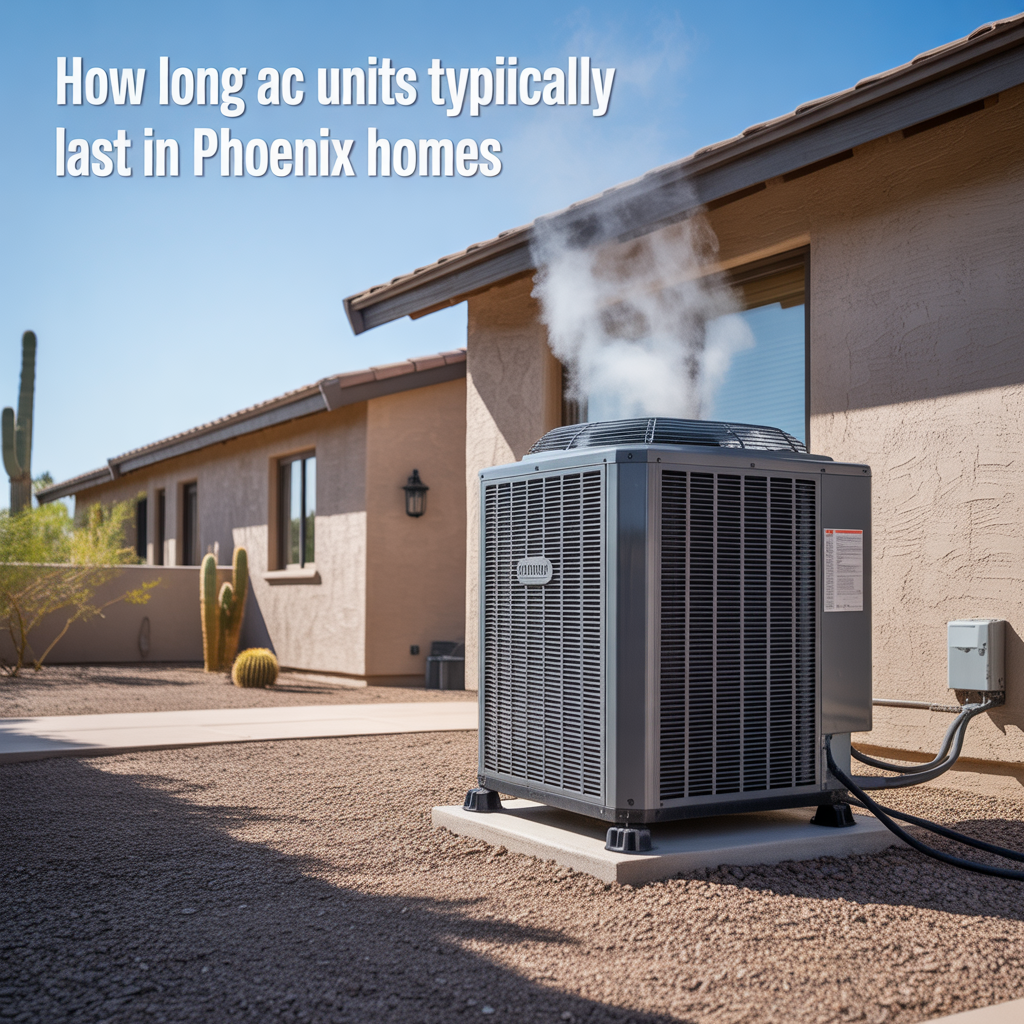
How Long AC Units Typically Last in Phoenix Homes
-

Building a Long-Term Protection Strategy
-
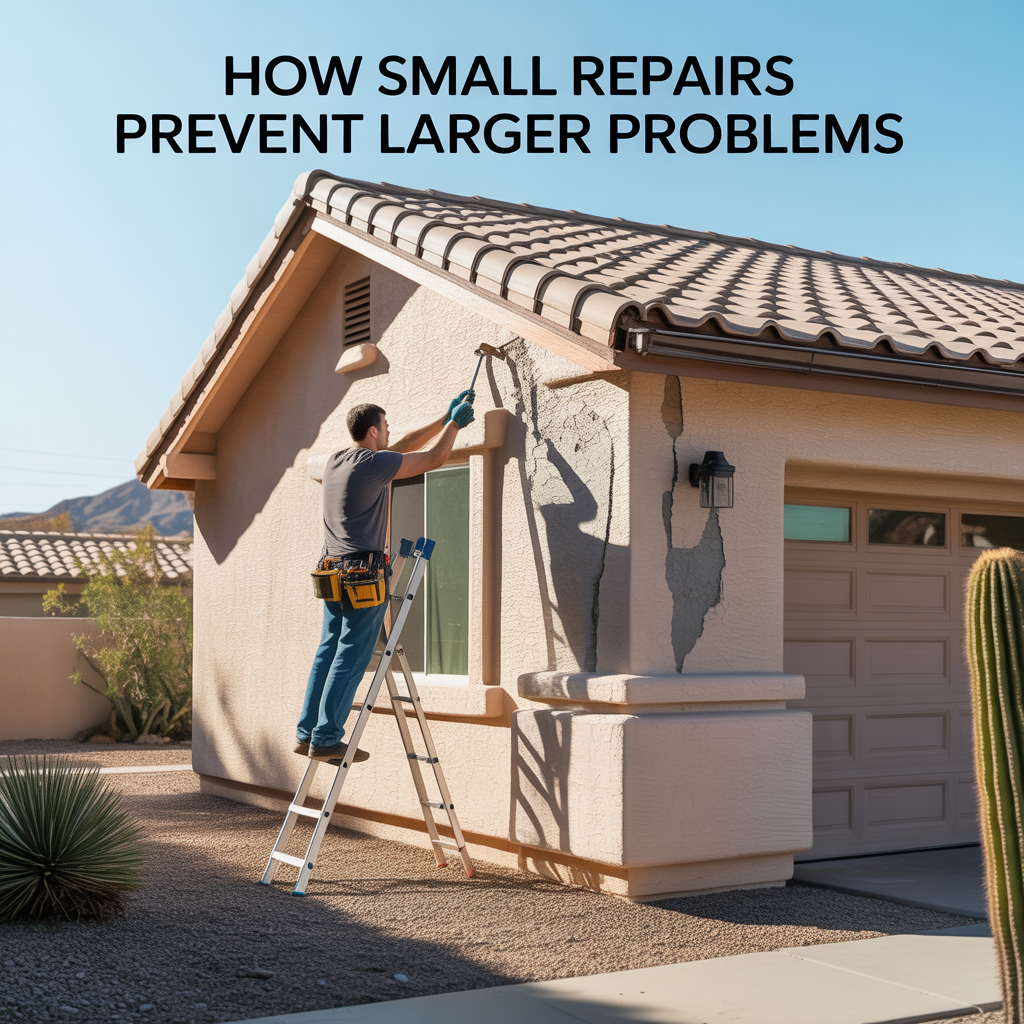
How Small Repairs Prevent Larger Problems
-

Protecting Older Phoenix Homes
-

Warning Signs of Hidden Home Risks
-

Preventative Maintenance That Reduces Insurance Claims
-

Reducing Liability Exposure Around Your Property
-

Liability Coverage Limits Explained
-

When Umbrella Insurance Makes Sense
-

Protecting Yourself From Guest Injury Claims