



Seller Fears→ [Seller Fears] & For more info on other fears Phoenix Real Estate → [Phoenix Real Estate Fears Guide]
Written by: Renee Burke
Every time Phoenix’s market starts to buzz again — inventory dipping, buyer demand flaring up — I see homeowners pause and wonder, “Should we sell now before the market changes?”
It’s an understandable question. When headlines talk about rising home values and limited supply, it can feel like there’s a small window before opportunity closes. But here’s the truth that doesn’t make it into quick market summaries: the amount of time you’ve owned your home still matters, perhaps now more than ever.
Yes, the Phoenix area market moves fast, but the deepest equity gains, negotiating flexibility, and emotional ease still come to those who’ve stayed long enough to let both their home and their neighborhood mature. Timing your sale isn’t just about what’s happening this quarter — it’s also about how your home’s long-term story fits into today’s market rhythm.
The Power of Staying Put for a While
Phoenix has seen extraordinary appreciation cycles over the past decade. Many homeowners who bought even six or seven years ago are sitting on substantial gains, while those who purchased in the past year or two are still riding the early part of that curve.
What long-term ownership gives you, beyond equity, is choice. When you’ve been in your home longer, you can:
- Price strategically rather than defensively. You’re not bound by your loan balance or short-term value swings.
- Negotiate confidently. You have the flexibility to walk away from offers that don’t align, rather than feeling cornered.
- Time your next move gracefully. Whether waiting for construction on a new home, the next school year, or a seasonal market upswing, established equity gives you breathing room.
In short, the longer you’ve owned your home, the less reactive you have to be. You can sell from choice, not from pressure.
Why Ownership Tenure Shapes Buyer Perception
Buyers notice when a home’s ownership history shows stability. In Phoenix, where out-of-state investors often buy and flip properties after just a short hold, long-term homeownership signals care and credibility.
A house that’s been lived in, maintained, and updated deliberately — not just cosmetically — tells a quiet but powerful story. Buyers pick up on it unconsciously. They walk through a property and feel the difference between a “turn” and a home that’s been genuinely loved.
This often translates into smoother inspections, stronger offers, and even better appraisal outcomes. Appraisers tend to see long-term ownership as a sign of consistent upkeep and improvements — and in a market where condition sells confidence, that matters.
Market Timing vs. Life Timing
At any given moment, there’s a Phoenix seller who could make money by selling right now and another who should absolutely wait. The deciding factor? What your personal life cycle looks like against the backdrop of your ownership timeline.
If you’ve built solid equity and your next move serves a real lifestyle shift — downsizing, changing school districts, or relocating for work — selling may support you fully. But if your hesitation sounds like, “Maybe I should grab the equity now while the market’s good,” that’s a sign to pause.
Here’s why: few things erode peace of mind faster than selling a home you actually liked, only to feel rushed into the next purchase because prices kept rising or inventory stayed tight.
By allowing your ownership to mature, you protect against that kind of regret-driven timing. Phoenix has always rewarded those who plan one or two seasons ahead, not those acting purely on market reaction.
Equity Growth in Phoenix: The Long View
Nothing in Phoenix real estate moves perfectly in a straight line — but when you look at the broader trends, the upward arc has been steady for those who held on through both fast and flat years.
Consider this: historically, homeowners here who’ve held their properties for seven to ten years tend to outperform short-term sellers by a wide margin, not just in sale price, but in net proceeds after costs and fees.
Why? Simple longevity. With more time, you can time your upgrades, schedule your sale into a favorable season, and ride through temporary dips.
That stability also lets you reinvest intelligently into your next home. You’re not just carrying over a small margin — you’re carrying equity, buying power, and confidence.
When Long-Term Ownership Meets Today’s Limited Inventory
Right now, one unique thing is happening in Phoenix: limited inventory has made seasoned sellers even more valuable.
Buyers love homes that show pride of ownership — mature trees, consistent care, remodeled kitchens that weren’t just finished last month. They’re drawn to properties with a sense of continuity. You’ll often hear this in buyer comments during showings — “You can tell they really took care of this house.” That reassurance can be priceless when there are few listings to choose from.
Long-term owners often have something newer sellers can’t replicate: knowledge of the home and neighborhood that helps buyers imagine life there. Sharing details like how the neighborhood HOA maintains the greenbelts, or when the best time to trim shade trees before monsoon season hits, creates a deeper emotional connection that newer listings can’t always offer.
The Emotional Dividend of Time
Selling a home you’ve lived in for years comes with mixed feelings — pride, nostalgia, a bit of sadness, and anticipation. But that emotional layer can actually work for you when handled mindfully.
When your ownership story is rich — raising a family, hosting milestones, tending a garden through desert summers — that history becomes part of the home’s energy. Buyers, especially locals, respond to that authenticity. It’s the quiet difference between “nice remodel” and “this feels like home.”
By allowing enough time in your ownership journey, you not only build financial equity, you also build emotional equity — the kind of intangible value that leaves an impression and helps your sale feel meaningful, not transactional.
Knowing When You’ve Reached That Sweet Spot
There’s no single “right” number of years to stay put before selling, but here in the Valley, the patterns often look something like this:
- Under 3 years: Rarely ideal unless circumstances require it. Equity hasn’t matured, and appreciation may just be catching up to costs.
- 3–7 years: A flexible middle ground, especially if you’ve made strategic improvements. Market timing matters more here.
- 7–10+ years: The strongest position — both financially and emotionally — to sell on your terms.
If you’ve reached that latter stage, and your life goals are shifting, that’s often your green light.
Patience as a Phoenix Advantage
Our desert landscape teaches patience better than just about anywhere. Growth here takes time — whether it’s a mesquite tree sprawling out under the sun or a home slowly increasing in value.
Selling after years of ownership isn’t about clinging to the past; it’s about recognizing the stability you built and letting that work for you. When you sell from a place of groundedness and equity, you carry that same composure into your next chapter — and buyers can feel it.
Let’s Talk About Your Timing
If you’re starting to wonder whether it’s time to move on, there’s no rush to decide right away. Long-term ownership has already given you a foundation most sellers envy — and that means you have options.
We can look together at your neighborhood’s current numbers, your equity position, and how your next phase fits into Phoenix’s rhythm. Whether you sell this spring or next year, the goal is to honor the time you’ve invested and ensure your next decision feels both smart and peaceful.
If you’re thinking about your next move in Phoenix, you don’t have to figure it out alone. I’d be honored to help you find the timing that feels right — not just for the market, but for you.
Get the full Phoenix Market Insights → [Market Insights]


-

Signs Your Phoenix Roof Needs Inspection or Repair
-
How Long Tile Roofs and Roof Underlayment Last in Phoenix
-

How Smart Thermostats Improve Cooling Efficiency in Arizona Homes
-

Why AC Systems Struggle During Extreme Phoenix Heat Waves
-
How Long Air Conditioning Units Last in Phoenix Homes
-

Warning Signs Your Air Conditioner Is About to Fail
-

How Often Phoenix AC Systems Need Maintenance
-
How Irrigation System Leaks Damage Foundations and Landscaping
-

Preventing Roof Damage Before Arizona Monsoon Storms
-

Why AC Tune-Ups Are Critical for Phoenix Homes
-

What Homeowners Should Inspect Before Phoenix Summer Heat Arrives
-

Seasonal Home Maintenance Checklist for Phoenix Homeowners
-
How UV Exposure Damages Exterior Paint, Stucco, and Sealants
-

How Extreme Heat Shortens the Lifespan of Home Systems
-

Why Phoenix Roofs Wear Out Faster Than Many Other Cities
-
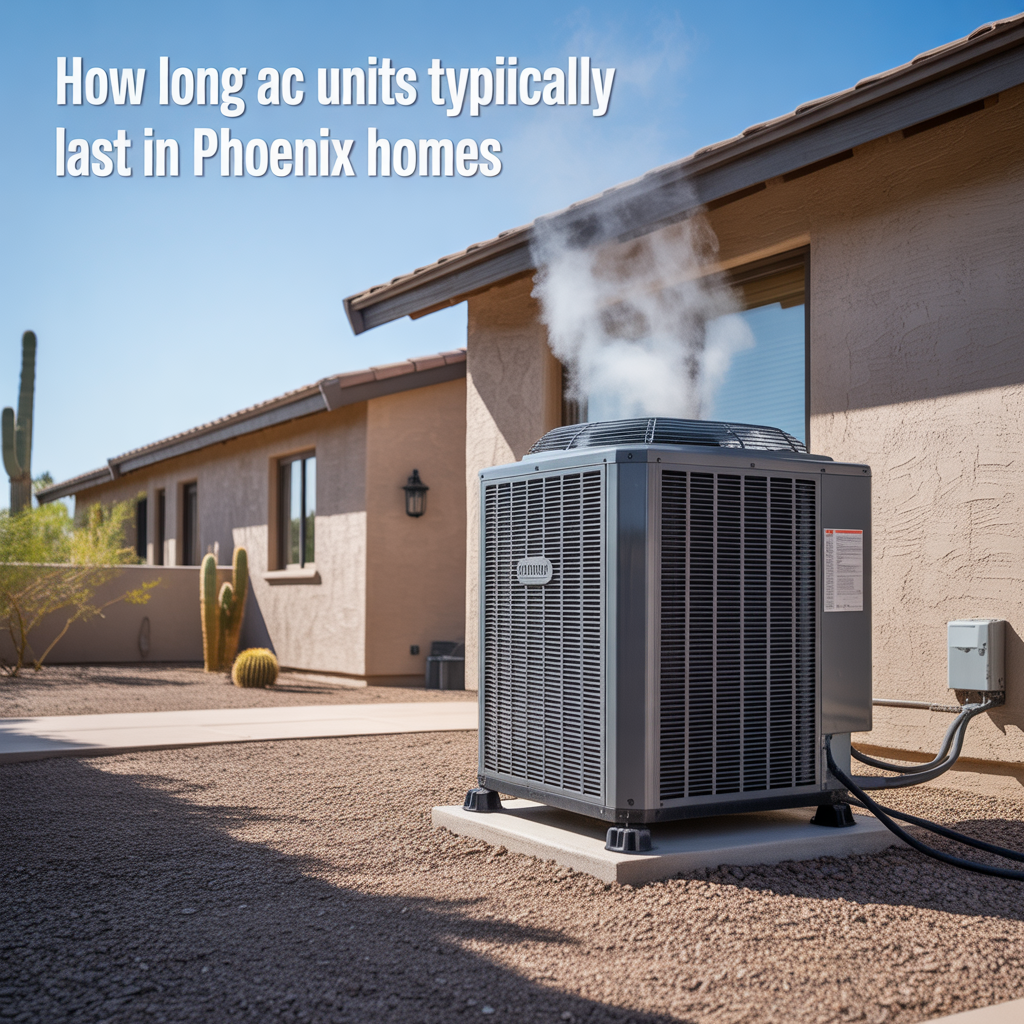
How Long AC Units Typically Last in Phoenix Homes
-

Building a Long-Term Protection Strategy
-
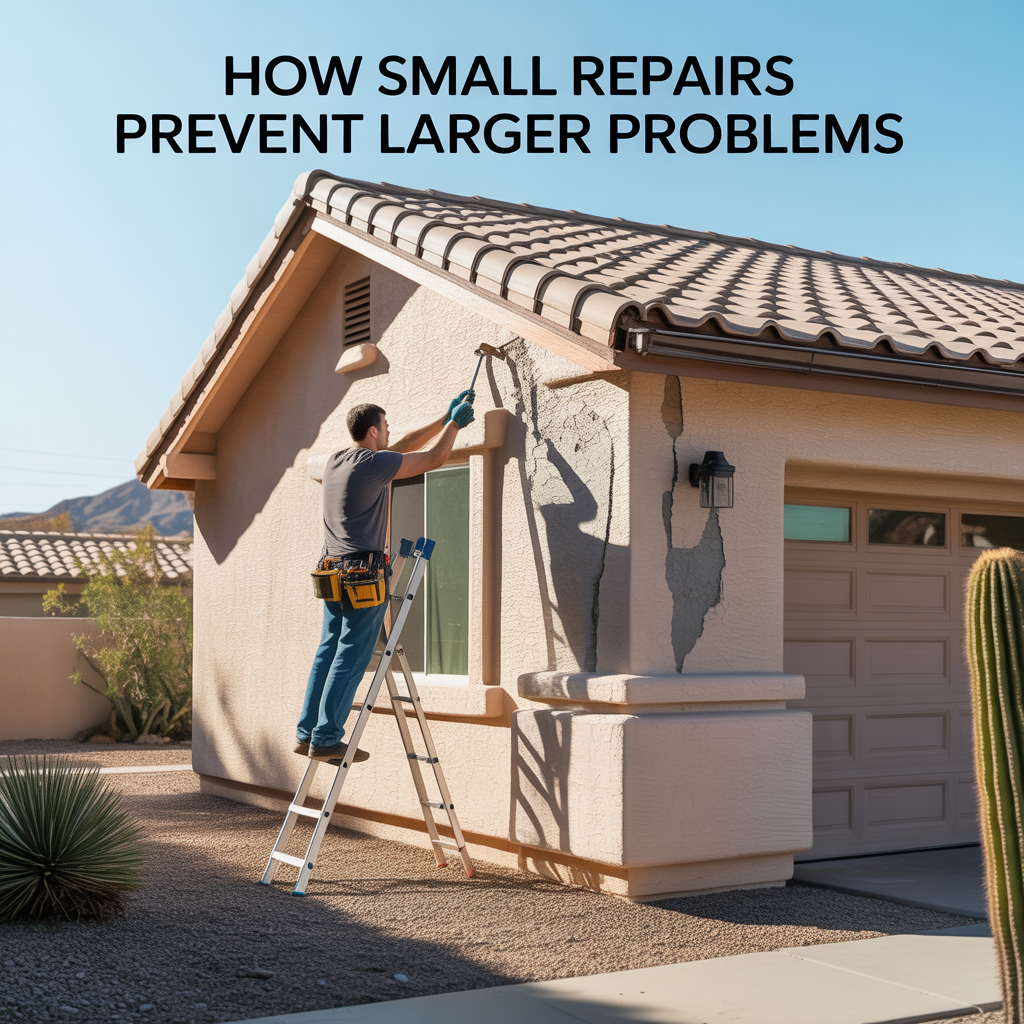
How Small Repairs Prevent Larger Problems
-

Protecting Older Phoenix Homes
-

Warning Signs of Hidden Home Risks
-

Preventative Maintenance That Reduces Insurance Claims
-

Reducing Liability Exposure Around Your Property
-

Liability Coverage Limits Explained
-

When Umbrella Insurance Makes Sense
-

Protecting Yourself From Guest Injury Claims