



Transactional Fears→ [Transactional Fears] & For more info on other fears Phoenix Real Estate → [Phoenix Real Estate Fears Guide]
Written by: Renee Burke
If you’ve ever fallen in love with a home in the Phoenix area, you know how emotional the process can be. You picture the furniture, the morning light filtering through the kitchen, maybe even your dog running across the tile and out to the backyard just before sunset. Then the inspection report lands in your inbox—and suddenly, all that excitement tightens into a single question: what happens now?
For many buyers and sellers here in the Valley, the inspection phase can feel like the calm before a storm. What was once a hopeful transaction can quickly shift into what feels like a negotiation war—numbers tossed back and forth, tension building, emotions running high. But here’s the truth: with the right guidance, it doesn’t have to become that.
Let’s take a deep breath and walk through what’s really happening when an inspection derails the calm—and how both sides can navigate it thoughtfully and successfully in the Phoenix market.
Understanding the Role of the Inspection
A home inspection in Arizona isn’t meant to torpedo your deal—it’s meant to protect your investment. Inspectors are tasked to find everything that could possibly be wrong, from the smallest outlet plate crack to major roof concerns. That’s their job, and in a desert environment like ours—where heat exposure, monsoon water damage, and shifting soil can take real tolls—there’s a lot worth checking.
For buyers, it’s about clarity and risk management. For sellers, it’s about responsibility and disclosure. But underneath all of that, an inspection is also a moment of vulnerability for both parties. Buyers worry they’re about to inherit expensive surprises; sellers fear seeing years of hard work reduced to a punch list.
That’s where the tension starts—and where the “war” mindset can sneak in.
Why Negotiation Feels So Personal
Real estate in Phoenix is more than square footage and comps—it’s about identity and lifestyle. Buyers imagine themselves building a life here. Sellers see the memories they’re leaving behind. So when that inspection report shows thirty-plus line items—some minor, a few costly—it’s natural for nerves to flare.
But remember this: inspection negotiations aren’t personal, even if they feel that way.
In a Valley market like ours, where inventory can be tight and demand fluctuates by season, both sides have valid pressures. Buyers don’t want to overpay for future repairs. Sellers don’t want to concede their equity. It’s easy for both to feel cornered. Having a grounded, experienced local agent guiding the conversation can make all the difference in keeping things collaborative rather than combative.
The Phoenix Context: Heat, Homes, and Hidden Issues
Phoenix homes have their own rhythm, shaped by sun, soil, and time. Our housing stock includes everything from 1950s bungalows to brand-new master-planned builds, and each age brings its quirks.
Common inspection hot spots in the Valley often include:
- Air conditioning units that have endured years of summer strain.
- Roofing materials, especially older tile or rolled roofs that have weathered too many monsoons.
- Stucco hairline cracks caused by settling on desert soil.
- Pool equipment or landscaping irrigation lines that leak subtly from years of use.
- Electrical panels that no longer meet modern safety codes.
Buyers from out of state sometimes panic at Arizona-style wear—expecting perfection where, realistically, heat and time leave their signature. Sellers, meanwhile, may undervalue how those same issues look through a buyer’s eyes, especially if they’ve adapted to them for years.
A skilled agent—someone who knows how to contextualize these issues within our local climate—can soften the extremes. This isn’t about “winning” the negotiation; it’s about reaching an agreement that respects both perspectives.
When the Conversation Gets Heated
You’ve seen it happen: a buyer requests $12,000 in repairs; the seller responds with an offer of $2,000 in credit. Emails fly, calls are tense, and suddenly everyone’s talking about “digging in.”
Here’s what I remind my clients in that moment: every negotiation is a puzzle, not a battle.
When both sides focus on solving instead of reacting, outcomes improve. Maybe that means the seller handles key safety repairs—roof flashing, GFCI outlets, AC tune-up—and the buyer accepts cosmetic items as-is. Or perhaps we negotiate a closing credit so the buyer can manage repairs after move-in, choosing their own contractors and timelines.
Flexibility tends to build trust. And trust keeps deals alive.
Sometimes, the best solution isn’t one big concession, but a combination of small, thoughtful adjustments. A credit here, a repair there—these gestures add up to goodwill.
The Emotional Undercurrent
When you’re in the thick of it, it can feel like every decision carries more weight than it should. But most inspection wars come down to fear—fear of losing money, of being taken advantage of, of giving up too much ground.
Sellers often feel exposed once the buyer starts dissecting every aspect of their home. Buyers often feel like the seller’s resistance means there’s something to hide.
In reality, both usually just want the same thing: a fair, safe, and successful close.
If you’re a seller, take a breath before responding defensively. A buyer’s repair request isn’t an insult—it’s often a signal that they still want your home, just with added reassurance. And if you’re a buyer, remember that Phoenix sellers have weathered their share of tough markets too. Many are just doing their best to balance expectations and finances.
Empathy—on both sides—goes much farther here than any spreadsheet ever could.
Strategy Over Emotion: Keeping Control
The most successful inspection negotiations I’ve seen around Phoenix share one common thread: strategy rooted in clarity.
- For buyers: Prioritize what truly matters. Focus on structural, safety, and functional issues—foundation cracks, HVAC, roof, electrical—not purely cosmetic items.
- For sellers: Anticipate pushback. A pre-listing inspection can save you from surprises. Addressing key items upfront smooths the path later.
- For both: Frame every offer or response around solutions instead of ultimatums. “Let’s see what’s fair” often gets more traction than “take it or leave it.”
Timing also matters. Phoenix transactions often fall near seasonal transitions—spring surge, summer slowdown, or end-of-year relocations. Market heat influences leverage. In balanced conditions, collaboration wins. In low-inventory stretches, sellers may hold more cards. In cooled fall markets, buyers can sometimes push harder. A seasoned agent reads this rhythm intuitively and times negotiation moves accordingly.
When to Walk Away—And When Not To
Sometimes, even after calm conversations and reasoned offers, the gap remains too wide. When that happens, it’s entirely okay to step back. But do it with perspective, not frustration.
I’ve seen deals dissolve over minor repair costs that, in hindsight, cost much less than starting over. Before walking away, weigh the true financial and emotional cost of resetting your search or relisting your home.
And if you do need to move on, do so knowing you’ve acted with integrity and clarity. In real estate, grace pays dividends.
The Power of a Steady Hand
Here in the Phoenix metro, real estate is both practical and deeply human. The inspection doesn’t have to become a breaking point—it’s simply one more conversation in a process designed to protect everyone involved. The key is staying grounded.
An experienced local agent doesn’t see inspection reports as landmines; she sees them as maps—guides to the next step, one that leads you to the finish line with your confidence intact.
Whether I’m working with a young couple buying their first Tempe home, a retiree selling in Chandler, or a family upgrading in North Peoria, I remind them all: inspections reveal information, not disasters. How we respond to that information determines whether we find resolution or friction.
Moving Forward with Confidence
So, when your inspection feels like a negotiation war, pause and remember—it’s not about winning; it’s about resolving. It’s about securing a fair agreement that honors both sides, values the home for what it is, and preserves your peace of mind as you move forward.
The Phoenix market rewards patience, understanding, and strategy. You don’t have to face it armed for battle—you just need a calm, capable guide who knows the terrain.
If you’re thinking about making a move anywhere in the Phoenix metro—whether you’re buying, selling, or still deciding—you don’t have to figure it out alone. I’ve helped countless clients navigate these very moments with clarity and confidence, and I would be honored to help you do the same.
Reach out anytime. Let’s talk about your next step, your timing, and what a smooth, steady transition can look like for you. You bring the questions; I’ll bring the calm.
Get the full Phoenix Market Insights → [Market Insights]


-

Signs Your Phoenix Roof Needs Inspection or Repair
-

How Long Tile Roofs and Roof Underlayment Last in Phoenix
-

How Smart Thermostats Improve Cooling Efficiency in Arizona Homes
-

Why AC Systems Struggle During Extreme Phoenix Heat Waves
-

How Long Air Conditioning Units Last in Phoenix Homes
-

Warning Signs Your Air Conditioner Is About to Fail
-

How Often Phoenix AC Systems Need Maintenance
-
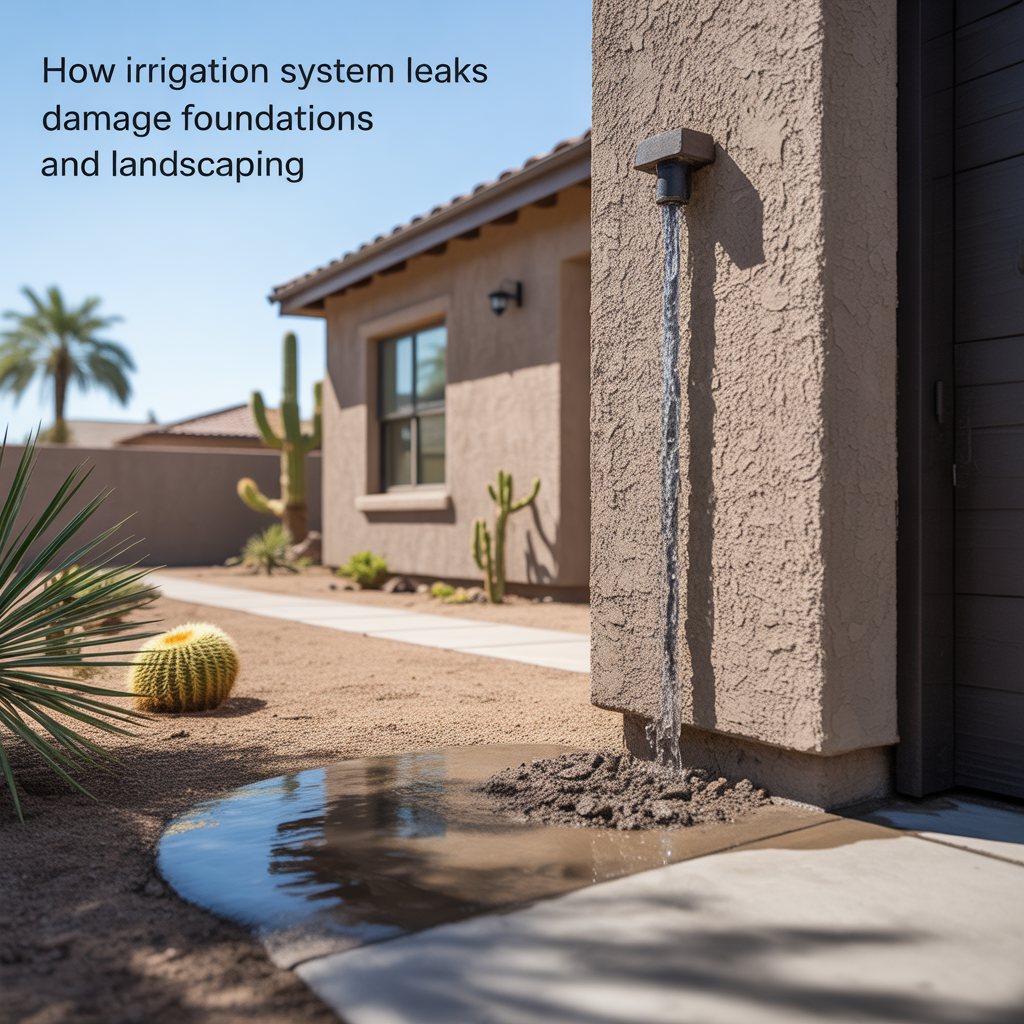
How Irrigation System Leaks Damage Foundations and Landscaping
-

Preventing Roof Damage Before Arizona Monsoon Storms
-

Why AC Tune-Ups Are Critical for Phoenix Homes
-

What Homeowners Should Inspect Before Phoenix Summer Heat Arrives
-
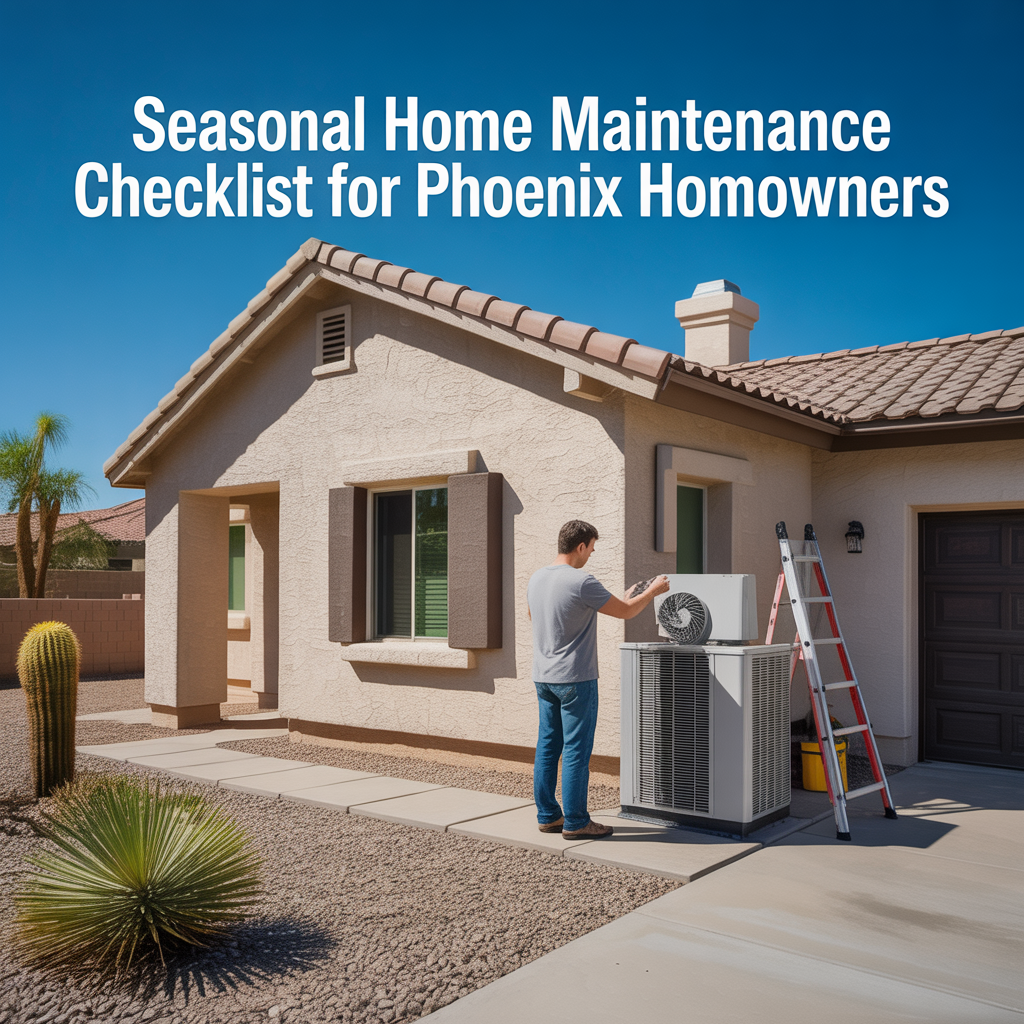
Seasonal Home Maintenance Checklist for Phoenix Homeowners
-
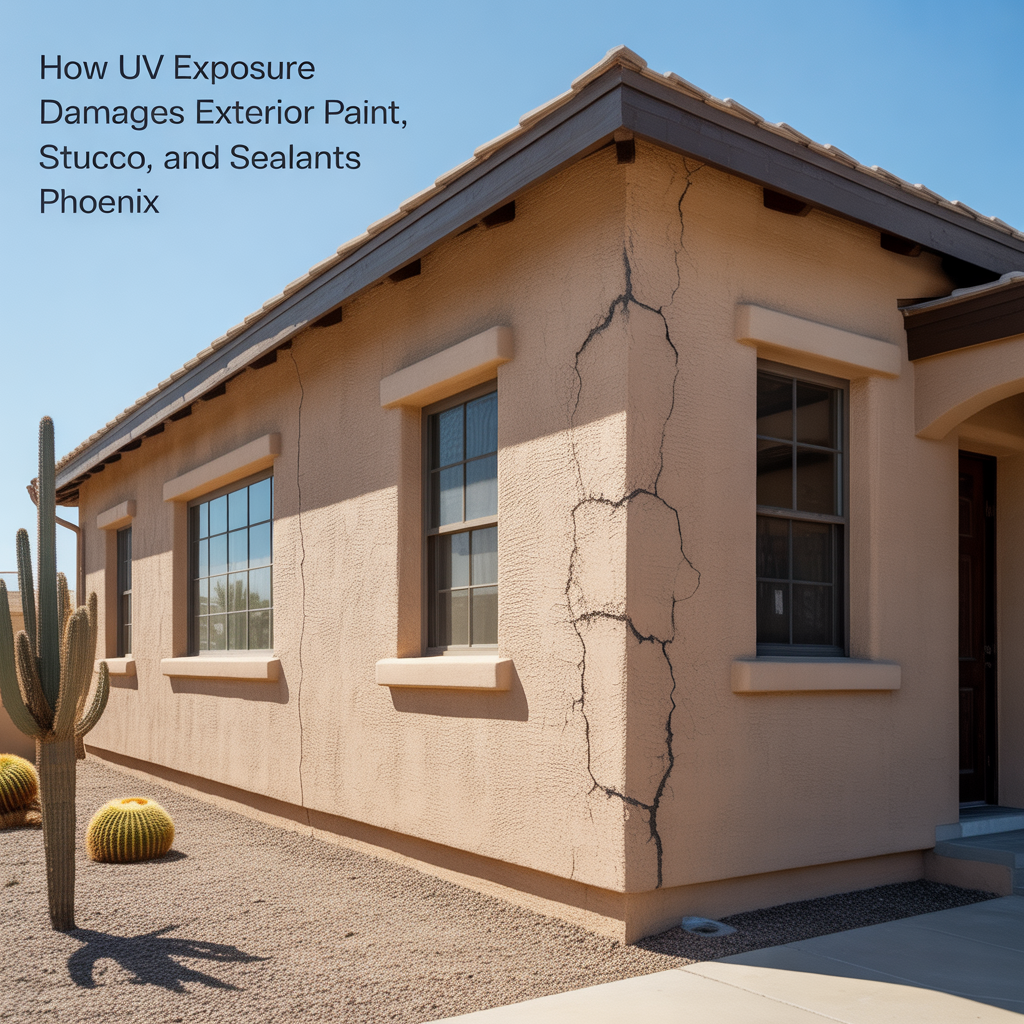
How UV Exposure Damages Exterior Paint, Stucco, and Sealants
-

How Extreme Heat Shortens the Lifespan of Home Systems
-

Why Phoenix Roofs Wear Out Faster Than Many Other Cities
-
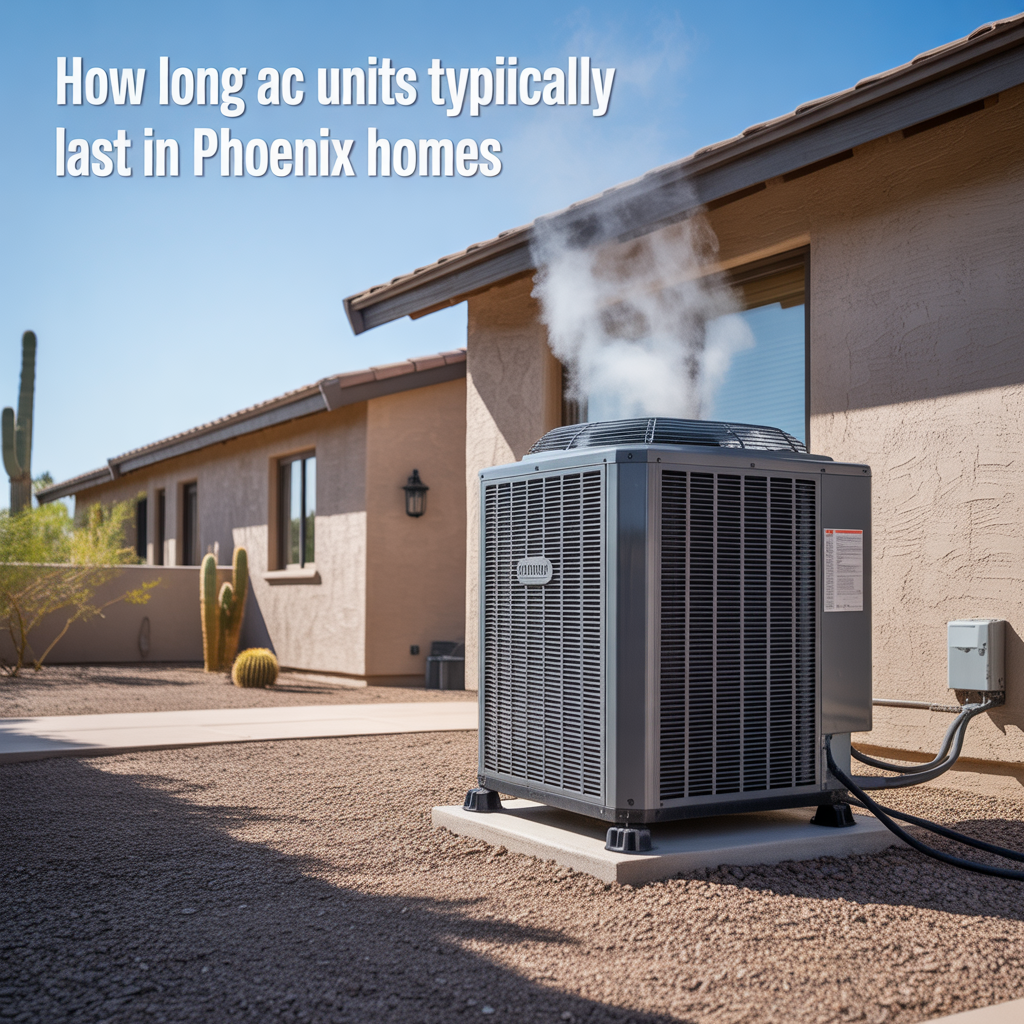
How Long AC Units Typically Last in Phoenix Homes
-

Building a Long-Term Protection Strategy
-
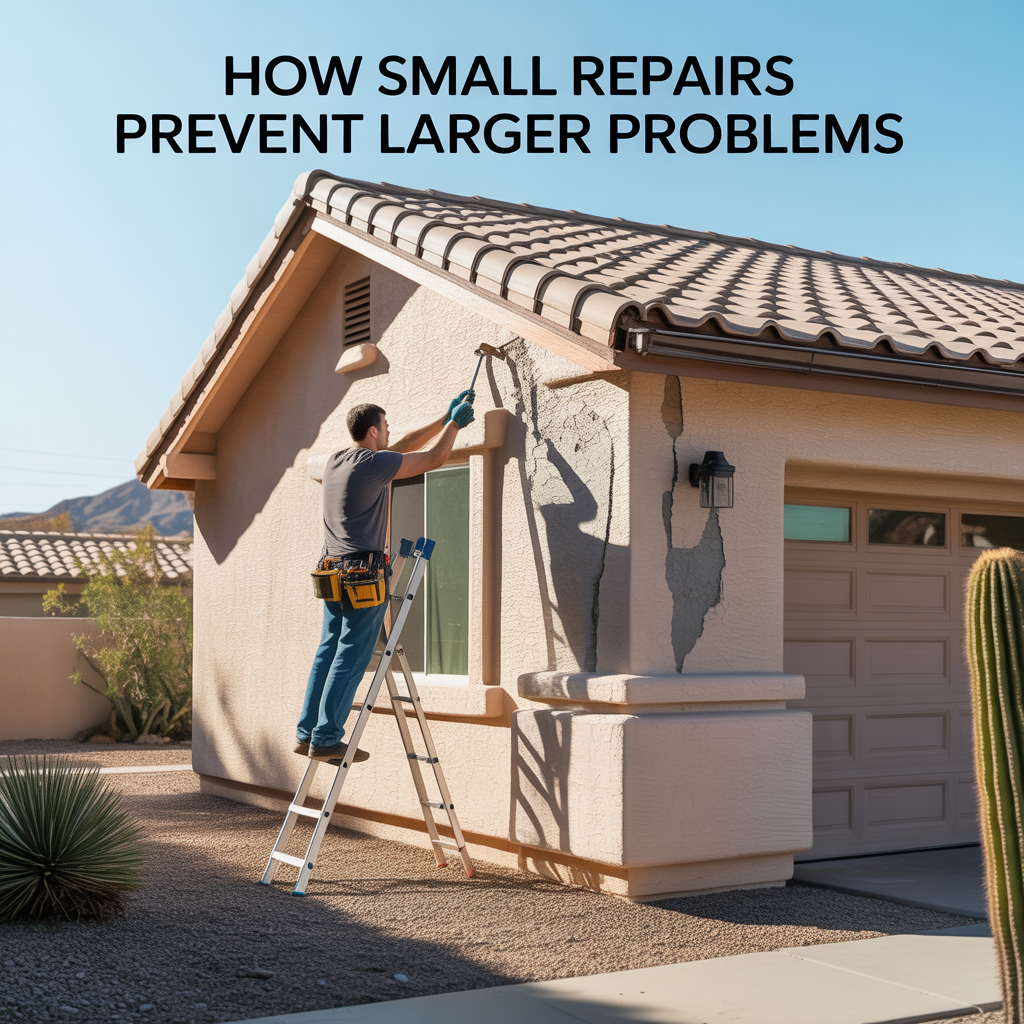
How Small Repairs Prevent Larger Problems
-

Protecting Older Phoenix Homes
-

Warning Signs of Hidden Home Risks
-

Preventative Maintenance That Reduces Insurance Claims
-

Reducing Liability Exposure Around Your Property
-

Liability Coverage Limits Explained
-

When Umbrella Insurance Makes Sense
-

Protecting Yourself From Guest Injury Claims