



Transactional Fears→ [Transactional Fears] & For more info on other fears Phoenix Real Estate → [Phoenix Real Estate Fears Guide]
Written by: Renee Burke
In Phoenix’s competitive pockets — think Gilbert family homes or North Peoria starters — buyers often add an appraisal gap clause to their offer, promising to cover any difference if the home appraises below contract price. It’s a bold move to stand out, and I’ve seen it seal deals for clients eyeing Eastmark pools or Ahwatukee trails.
But like any tool in our Valley market, it’s double-edged. Used wisely in 2026’s balanced landscape, it accelerates escrows; misjudged, it strains budgets or sours transactions. Let me guide you through when it shines and when it stings.
What an Appraisal Gap Clause Really Does
This clause commits the buyer to pay the shortfall in cash at closing — say, $10k over appraised value on a $600k contract. No renegotiation, no walking away on appraisal alone.
Sellers love it: Your Gilbert tract sells without low-appraisal drama, even if comps lag from 2025 peaks. Buyers use it to edge out contingents in spring bidding. Arizona’s AAR contract makes it simple to add: “Buyer agrees to cover up to $15,000 above appraised value.”
It’s common here where hail-dented roofs or unique lot shapes trip appraisers.
When It Helps: Winning the Home You Love
Gap clauses flex hardest in these Phoenix scenarios.
- Competitive Neighborhoods: Multiple offers on a Chandler move-in ready? A $20k gap promise trumps a higher bid with full contingency. I’ve seen it snag Verrado inventory when new builds pull comps down.
- Strong Personal Value: You spot untapped equity — a McDowell-view lot in North Scottsdale undervalued against flips. Covering $8k feels smart long-term.
- Cash-Rich Buyers: Relocators with reserves use it freely, closing fast before summer heat stalls showings.
In early 2026’s softening resale market, it still tips scales in HOA spots like Power Ranch, where sellers prioritize certainty.
When It Backfires: The Hidden Costs Pile Up
This is where regret creeps in — and I’ve helped clients recover.
- Unexpectedly Large Gaps: $10k clause meets a $25k miss from conservative Mesa comps? You’re stuck scrambling cash or begging lender exceptions. Rare, but soil-shift flags amplify it.
- Strapped Budgets: First-timers overextend down payments, then face HOA fees or AC bills post-close. Phoenix summers don’t forgive thin reserves.
- Shifting Market Leverage: Buyer’s edge grows mid-2026; sellers concede price drops easier than before. Your gap clause locks you into yesterday’s frenzy.
- Lender Pushback: VA/FHA scrutinize gaps over $15k; even conventional loans cap at 97% LTV, forcing bigger skin in the game.
One Peoria client covered $12k — fine until closing costs ballooned. Lesson: Cap it realistically.
Here’s a Valley-tuned pros/cons table:
| Scenario | Helps (Why) | Backfires (Why) | Phoenix Example |
|---|---|---|---|
| Hot Bidding War | Locks the win | Fine unless gap explodes | Gilbert tract, 3 offers |
| Unique Property | Captures upside | Appraisers undervalue views | Ahwatukee hillside |
| Balanced Market | Rarely needed | Ties up cash unnecessarily | 2026 East Valley slowdown |
| Tight Finances | Boosts offer strength | Post-close cash crunch | HOA-heavy Power Ranch |
Crafting a Smart Gap Clause for Phoenix
Don’t go all-in blindly. Tailor it:
- Set a Firm Cap: “Up to $10k” — matches typical Valley gaps from roof age or pool upgrades.
- Pair with Inspection Flexibility: Keep that contingency; gap clauses don’t shield HVAC failures.
- Prep Comps Early: Share recent Chandler sales or permits — nudges appraisers up pre-clause.
- Exit Language: “Unless buyer cancels within 3 days of appraisal notice” — rare, but protective.
Agents like me review your reserves first. No clause without a plan.
Market Nuances in Today’s Valley
Early 2026 favors caution: Inventory ticks up, buyers ghost weaker deals. Gap clauses shine less in Peoria resales but hold sway for newish Eastmark builds with builder comp drag. Monsoon hail histories widen gaps; disclose SPDS claims upfront.
Sellers: Favor them from pre-qualified locals, not over-eager relocators.
Weigh It Against Your Reality
A gap clause is armor for frenzy, anchor in calm. It wins homes but tests wallets — perfect if you’re positioned, perilous if stretched.
Trust your gut, backed by local insight.
If you’re thinking about making a move in Phoenix, you don’t have to figure it out alone. I’m always here to help craft offers, weigh clauses, or navigate appraisals. Reach out anytime; we’ll move through it, thoughtfully and confidently, together.
Get the full Phoenix Market Insights → [Market Insights]


-

Signs Your Phoenix Roof Needs Inspection or Repair
-
How Long Tile Roofs and Roof Underlayment Last in Phoenix
-

How Smart Thermostats Improve Cooling Efficiency in Arizona Homes
-

Why AC Systems Struggle During Extreme Phoenix Heat Waves
-
How Long Air Conditioning Units Last in Phoenix Homes
-

Warning Signs Your Air Conditioner Is About to Fail
-

How Often Phoenix AC Systems Need Maintenance
-
How Irrigation System Leaks Damage Foundations and Landscaping
-

Preventing Roof Damage Before Arizona Monsoon Storms
-

Why AC Tune-Ups Are Critical for Phoenix Homes
-

What Homeowners Should Inspect Before Phoenix Summer Heat Arrives
-

Seasonal Home Maintenance Checklist for Phoenix Homeowners
-
How UV Exposure Damages Exterior Paint, Stucco, and Sealants
-

How Extreme Heat Shortens the Lifespan of Home Systems
-

Why Phoenix Roofs Wear Out Faster Than Many Other Cities
-
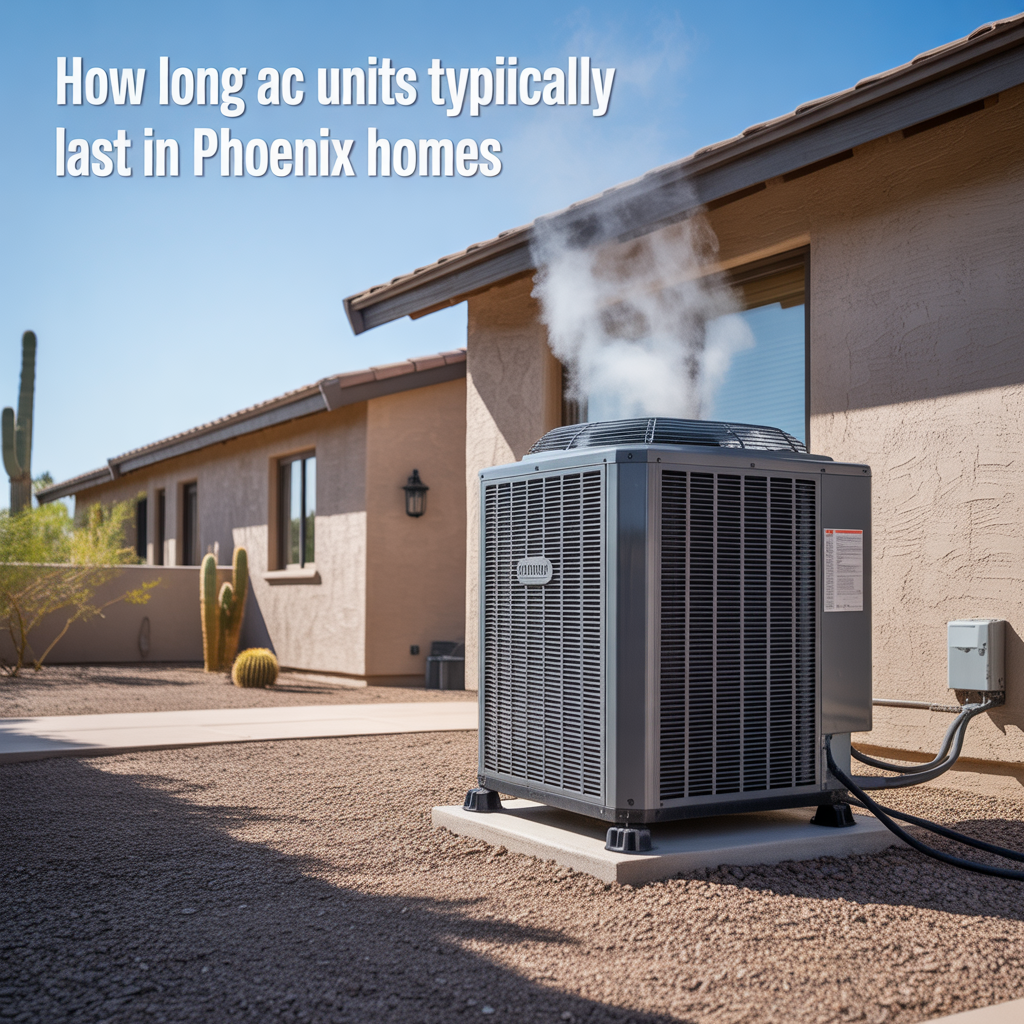
How Long AC Units Typically Last in Phoenix Homes
-

Building a Long-Term Protection Strategy
-
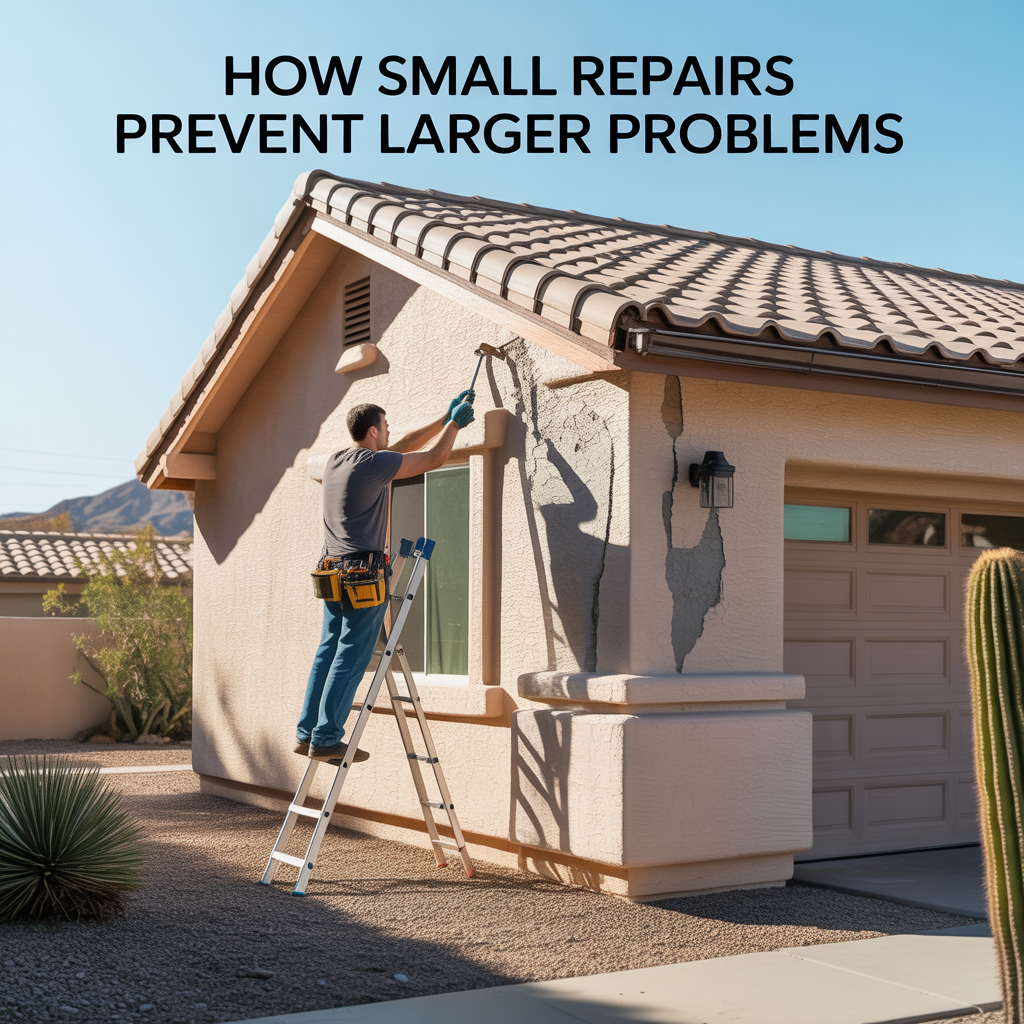
How Small Repairs Prevent Larger Problems
-

Protecting Older Phoenix Homes
-

Warning Signs of Hidden Home Risks
-

Preventative Maintenance That Reduces Insurance Claims
-

Reducing Liability Exposure Around Your Property
-

Liability Coverage Limits Explained
-

When Umbrella Insurance Makes Sense
-

Protecting Yourself From Guest Injury Claims